The Immediate Threat: How Unhealthy Meals Cripple Arteries, and How Exercise Offers a Timely Defense
New research illuminates the surprising speed at which high-fat and high-sodium meals compromise cardiovascular health, but also reveals a critical window where physical activity can mitigate the damage, offering a proactive strategy for arterial protection.
In an age where dietary choices often lean towards convenience over nutrition, the immediate physiological impact of a single unhealthy meal is frequently underestimated. While chronic poor eating habits are well-known contributors to heart disease, emerging scientific evidence reveals that even an isolated indulgence can trigger rapid, measurable dysfunction in our arterial system. This swift degradation of vascular health, however, is not without a potential countermeasure: timely physical activity.
This article delves into the profound, almost instantaneous effects of high-fat and high-sodium meals on our arteries, from the crucial coronary vessels supplying the heart to the delicate microvasculature of the retina. Drawing on compelling studies, we explore the mechanisms behind this damage and, critically, identify a specific window of opportunity where exercise can act as a powerful, albeit temporary, antidote.
Main Facts: The Swift Assault on Arterial Health
The human cardiovascular system is remarkably resilient, yet surprisingly vulnerable to acute dietary insults. Research consistently demonstrates that a single meal, particularly one laden with saturated fats, cholesterol, and excessive sodium, can initiate a cascade of adverse physiological responses within hours of consumption. These responses directly impair endothelial function—the critical ability of the inner lining of blood vessels to expand and contract properly—a key indicator of overall arterial health.
One of the most alarming findings relates to the "coronary flow reserve," a vital capacity of the heart’s blood vessels to dilate and increase blood flow when needed, such as during physical exertion or in response to a partial blockage. Studies show that a high-fat meal can significantly clamp down this reserve, compromising the heart’s intrinsic ability to compensate for reduced blood supply. This immediate reduction in adaptive capacity puts the heart at an acute disadvantage, even in individuals without pre-existing conditions.
Beyond fats, high sodium intake also emerges as a potent arterial aggressor. Far from being a concern solely for those with salt-sensitive blood pressure, excessive sodium has been shown to impair artery function independently of its impact on blood pressure. This suggests a direct detrimental effect on the vascular endothelium, contributing to arterial stiffness and reduced blood flow regardless of an individual’s predisposition to hypertension.
Chronology of Impairment: From Plate to Plaque Potential
The journey from a single unhealthy meal to arterial dysfunction is surprisingly rapid and well-documented.
Immediate Aftermath: The Postprandial Rush
Within moments of ingesting a high-fat meal, the digestive system begins to break down fats into triglycerides, which are then absorbed into the bloodstream. This surge of fat, particularly saturated fat, initiates what is known as "postprandial lipemia"—a temporary elevation of fats in the blood. This elevation is not benign; it triggers a series of inflammatory and oxidative stress responses within the body.

Hours Later: Arterial Stiffening and Dysfunction
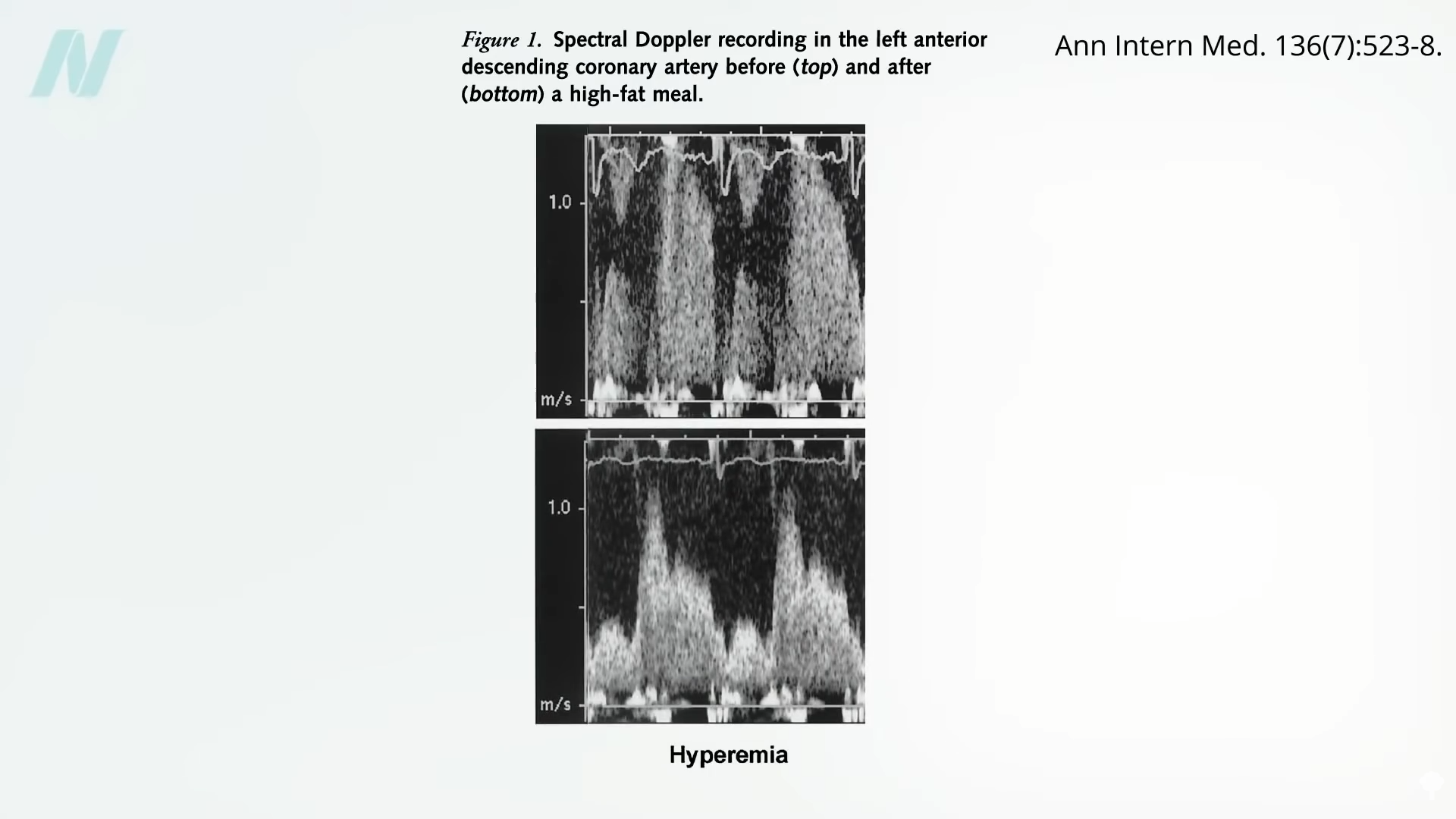
Studies have meticulously tracked the physiological changes occurring within hours. For instance, men consuming a high-fat meal—comprising over 60% fat, half of which was saturated, and containing more than an egg’s worth of cholesterol—experienced significant arterial impairment. Within five hours, Doppler recordings of the left anterior descending coronary artery (LAD), often tragically referred to as the "widow-maker" due to its critical role in heart blood supply, showed a marked reduction in its strong signal. This visual evidence of restricted blood flow underscored a measurable decrease in coronary flow reserve.
Similarly, other research has demonstrated how quickly high sodium intake can impact arteries. Even a meal with moderately elevated salt, a third less than the notorious McDonald’s Big Breakfast, can impair artery function within an hour of consumption. This rapid response highlights the direct and immediate impact of sodium on endothelial health, irrespective of changes in systemic blood pressure.
The Visual Evidence: Retinal Microvasculature
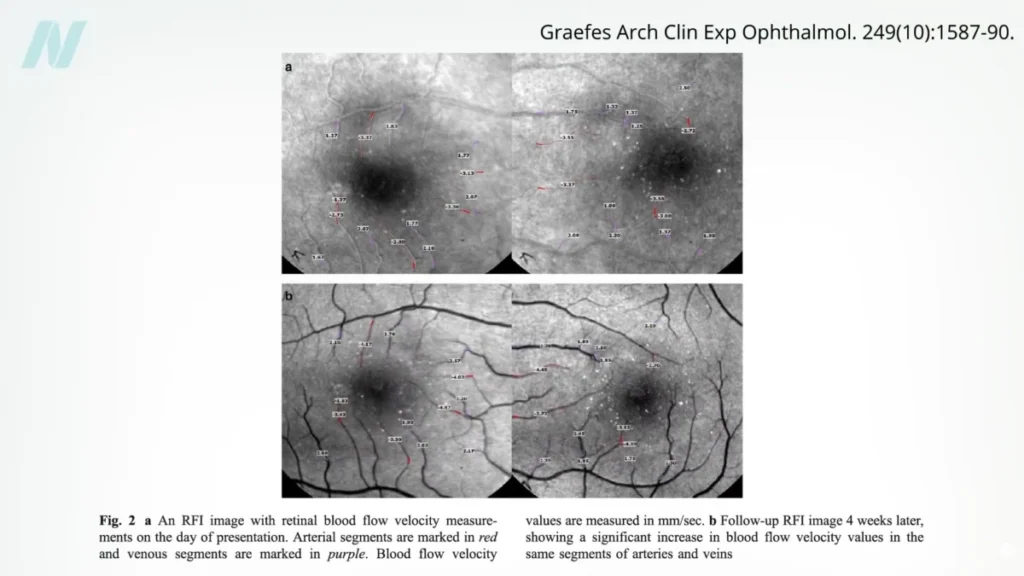
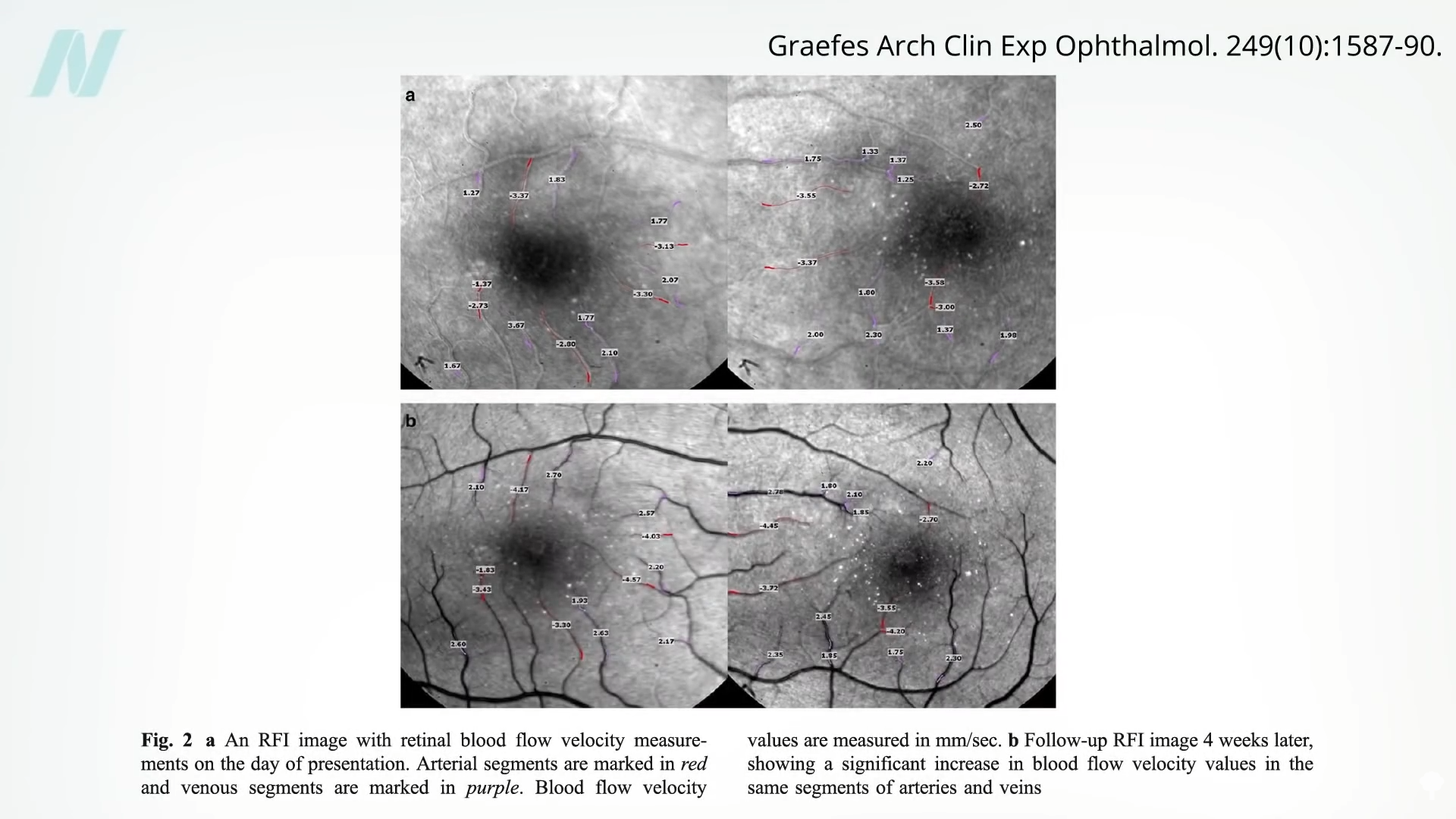
In more extreme cases, the immediate impact of dietary fat can even be observed directly. Images of the retina, the light-sensitive tissue at the back of the eye, provide a stark visual chronology. Before a high-fat regimen, retinal blood vessels appear clear. However, after sustained high-fat intake, these vessels can take on a milky appearance, described vividly as looking like "milkshake blood." This phenomenon illustrates how quickly dietary fats can saturate the bloodstream and affect even the smallest, most delicate blood vessels, serving as a powerful proxy for systemic vascular health. While this extreme example might require more than a single meal, it underscores the trajectory of damage initiated by acute dietary fat exposure.
Supporting Data: Unpacking the Science of Dietary Damage and Exercise Mitigation
The scientific community has employed various sophisticated methods to unravel the precise mechanisms by which diet impacts arteries and how exercise intervenes.
The High-Fat Assault: Endothelial Dysfunction and Coronary Flow Reserve
A pivotal study involved randomizing men to consume either a high-fat meal (over 60% fat, half saturated, high cholesterol) or a low-fat meal (mostly carbs, less than 10% fat, minimal cholesterol). The stark results showed that only the high-fat meal led to a significant decrease in coronary flow reserve. This reserve represents the maximum blood flow capacity of the coronary arteries beyond their resting state. Its impairment means the heart’s ability to increase blood supply during demand (e.g., stress, exercise, or in response to blockages) is compromised.
The mechanism behind this reduction is complex but primarily involves endothelial dysfunction. The endothelium, a thin layer of cells lining all blood vessels, plays a crucial role in regulating vascular tone, inflammation, and coagulation. High levels of circulating fats, particularly saturated fatty acids, trigger oxidative stress and inflammation, leading to reduced nitric oxide bioavailability—a key molecule for vasodilation. This makes arteries less flexible and responsive, effectively "squeezing down" their capacity, as visually demonstrated by the Doppler recordings of the LAD artery.
The Exercise Antidote: Timing and Intensity are Key
While the damage from unhealthy meals is swift, so too can be the intervention. Substantial evidence suggests that acute exercise is an effective strategy to clear out some of the fat circulating in the blood after a meal, thereby attenuating postprandial lipemia and its associated inflammation.
One study highlighted that the beneficial effects of exercise are time-sensitive. The optimal window for exercise to mitigate the negative impact of a high-fat meal appears to be between 18 hours before the meal and approximately 90 minutes after the meal. This broad window suggests that preparatory exercise can ‘prime’ the body, and immediate post-meal activity can actively clear circulating lipids. The recommended dose? About an hour of moderate-intensity exercise seems sufficient to induce these protective effects.
A particularly compelling study focused on real-world scenarios, examining the impact of a notorious fast-food breakfast: hash browns, eggs, pancakes, an English muffin, sausage, and a milkshake from McDonald’s. When subjects simply sat around after this calorically dense, high-fat, high-sodium meal, their artery function significantly decreased. However, when they engaged in short, intermittent bouts of stair climbing—specifically, 20 minutes of stair climbing broken into five-minute intervals every hour for four hours post-meal—this decline in artery function was completely attenuated. This finding underscores the power of "exercise snacks" or brief bursts of activity, not just for countering prolonged sitting, but for actively protecting vascular function against dietary insults. The researchers concluded that "stair climbing should be incorporated as an easily accessible lifestyle strategy to protect vascular [artery] function."
The Insidious Sodium: Beyond Blood Pressure
The dangers of sodium extend beyond its well-known role in hypertension. A meal like the McDonald’s breakfast mentioned above can contain over 2,000 mg of sodium, far exceeding the American Heart Association’s recommendation of staying under 1,500 mg for an entire day. Even consuming a meal with a third less salt can still impair artery function within an hour.
Crucially, this arterial impairment occurs independently of any increase in blood pressure. This challenges the common misconception that salt is only a problem for "salt-sensitive" individuals whose blood pressure significantly rises with sodium intake. Research shows that high dietary sodium intake reduces artery function regardless of whether an individual is classified as salt-sensitive or "salt-resistant." The direct impact on endothelial health, leading to reduced vasodilation and increased arterial stiffness, is a universal concern.
The mechanism here likely involves direct damage to the endothelial cells, increased oxidative stress, and inflammatory responses, all contributing to a less flexible and less functional arterial system. The influence of dietary salt on cardiovascular health thus extends beyond simple blood pressure regulation, directly affecting the health and responsiveness of our blood vessels.
Official Responses and Expert Consensus
The scientific consensus on the detrimental effects of high-fat and high-sodium diets on arterial health is robust and widely supported by leading health organizations.
The American Heart Association (AHA) consistently advocates for significantly lower sodium intake, recommending no more than 2,300 mg per day for most adults, and an ideal limit of no more than 1,500 mg per day for most adults, especially those with high blood pressure. Their guidelines emphasize the pervasive impact of sodium on cardiovascular health, endorsing the findings that dietary salt affects artery function irrespective of blood pressure sensitivity.
Regarding dietary fats, the AHA also provides clear guidance, recommending limiting saturated fat to 5-6% of total daily calories for those needing to lower LDL cholesterol. They highlight the link between saturated fat and increased risk of heart disease, aligning with the studies showing acute arterial impairment from high-saturated fat meals.
The scientific community, as evidenced by peer-reviewed research published in journals like PubMed, largely concurs with these findings. While some researchers, occasionally linked to industry funding, may present dissenting views on sodium intake, the overwhelming body of evidence points to sodium, not sodium reduction, as "the real villain" in arterial dysfunction. This consistent message from independent research underscores the critical importance of dietary moderation and smart choices.
Implications: From Acute Damage to Chronic Disease Prevention
The findings detailed above carry profound implications for both individual health and public health strategies.
Short-Term Consequences: Acute Vulnerability
The most immediate implication is the realization that even a single unhealthy meal can render our cardiovascular system acutely vulnerable. Reduced coronary flow reserve means the heart’s ability to respond to stress or oxygen demand is impaired, potentially increasing the risk of adverse cardiac events, especially in individuals with underlying, undiagnosed heart conditions. The transient impairment of arterial function also creates a pro-inflammatory and pro-thrombotic environment, which, if frequently repeated, can contribute to the long-term development of atherosclerosis.
Long-Term Risks: The Cumulative Effect
While a single meal’s effects are temporary, the cumulative impact of habitually poor dietary choices is far more sinister. Repeated exposure to postprandial lipemia and endothelial dysfunction accelerates the progression of atherosclerosis—the hardening and narrowing of arteries due to plaque buildup. Over time, this chronic damage leads to conditions like coronary artery disease, heart attacks, strokes, and peripheral artery disease. The acute responses observed after a single meal are essentially miniature rehearsals for the chronic damage that ultimately manifests as cardiovascular disease.
Public Health Imperatives: Education and Environment
These findings underscore the urgent need for enhanced public education regarding the immediate and cumulative effects of diet on vascular health. Beyond focusing solely on weight or cholesterol numbers, public health campaigns should emphasize the rapid functional changes occurring in arteries after meals. Policies that encourage healthier food environments, such as clearer labeling, restrictions on marketing unhealthy foods, and promotion of accessible healthy options, become even more critical.
Furthermore, the discovery of exercise’s mitigating role opens new avenues for promoting physical activity. Encouraging "exercise snacks" or brief bouts of movement throughout the day, especially around meal times, can be presented not just for general fitness but as a direct defense against dietary insults. This could empower individuals to take immediate action to protect their arteries, even if their dietary choices aren’t always optimal.
Personal Empowerment: Informed Choices and Proactive Health
For individuals, the message is clear: dietary choices have immediate and measurable consequences. Opting for meals lower in saturated fat, cholesterol, and sodium is the primary defense. However, in instances where an unhealthy meal is consumed, engaging in moderate physical activity within the defined time window offers a valuable, scientifically supported strategy to reduce the acute harm. This knowledge empowers individuals to make more informed decisions about both their diet and their activity levels, fostering a proactive approach to cardiovascular health.
Ultimately, while the most effective way to protect artery function is to avoid unhealthy foods in the first place, understanding the immediate damage and the timely antidote of exercise provides a critical layer of defense. It transforms the abstract concept of "heart health" into a tangible, hour-by-hour reality, encouraging us to consider every meal and every movement as a direct investment in our vascular well-being.
Doctor’s Note: This article is the second in a three-part series exploring the intricate relationship between diet, arterial health, and protective strategies. The first installment, "How a Single Meal Can Cripple Your Arteries and Lungs," delved into the initial impacts of unhealthy eating. The upcoming final part, "Protect Your Arteries from Saturated Fat with These Foods," will offer actionable dietary advice for sustained arterial health. For further reading on the pervasive dangers of sodium, consult "The Evidence That Salt Raises Blood Pressure."