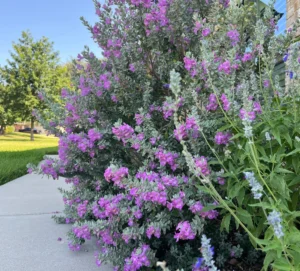
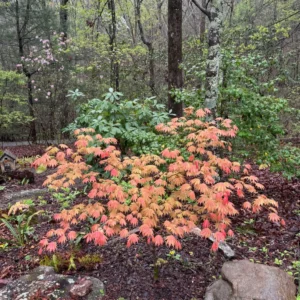
The Evolution of a Whaleyville Oasis: Redefining ‘Simple’ in the Maryland Garden
When Teresa Eutsler first broke ground in Whaleyville, Maryland, in 2017, she carried with her a clear mandate: move away from the high-maintenance demands of her previous landscape and cultivate something manageable. The vision was simple—or so she thought. Seven years later, as we review her latest photographic submissions to the Garden Photo of the Day (GPOD) series, it is evident that Eutsler’s definition of "simple" has evolved into a masterclass of botanical dedication, sophisticated design, and a tireless passion for the craft of horticulture.
The Genesis of a Horticultural Vision
In 2017, Eutsler made a definitive pivot in her lifestyle, leaving behind a garden that required constant, taxing upkeep. The move to Zone 7b in Maryland provided a fresh canvas, and the initial intent was to prioritize ease and accessibility. However, what has emerged in the subsequent years is not a minimalist landscape, but a lush, color-saturated, and highly curated sanctuary that challenges the very notion of a low-maintenance garden.
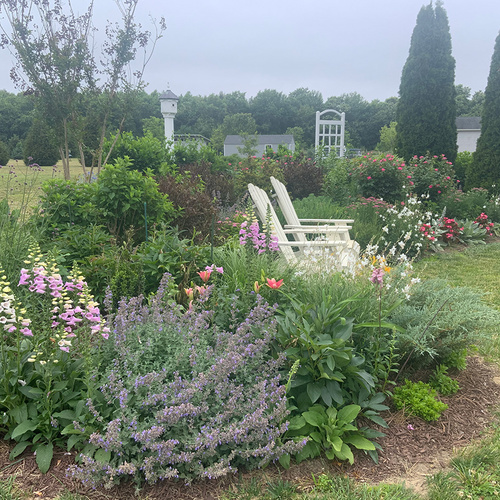
The recurring theme in Eutsler’s gardening philosophy is the sheer joy of the process. While she initially sought simplicity, her prolific output of seed-sown plants and intricate bed designs reveals that the "work" of gardening is, for her, a reward in itself. Each season brings a new layer of complexity, proving that for the truly passionate gardener, the allure of nurturing life from seed far outweighs the convenience of a "set it and forget it" landscape.
A Chronological Bloom: From Spring Vitality to Summer Radiance
Eutsler’s garden is a living, breathing entity that refuses to remain static. Her spring submissions, which captivated the GPOD community last month, showcased an early-season explosion of flora. However, the current transition into summer has brought an entirely new palette of textures and hues.
The Foundation of Color
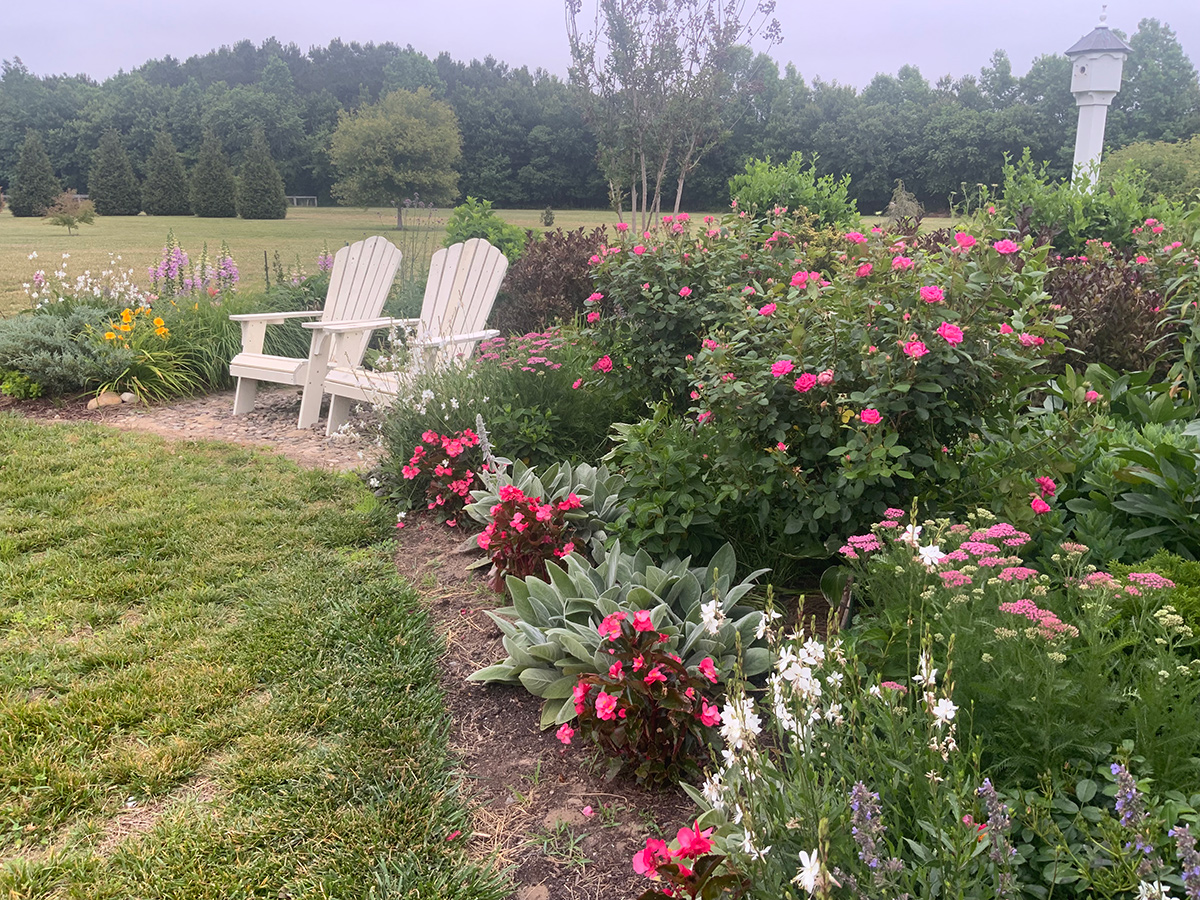
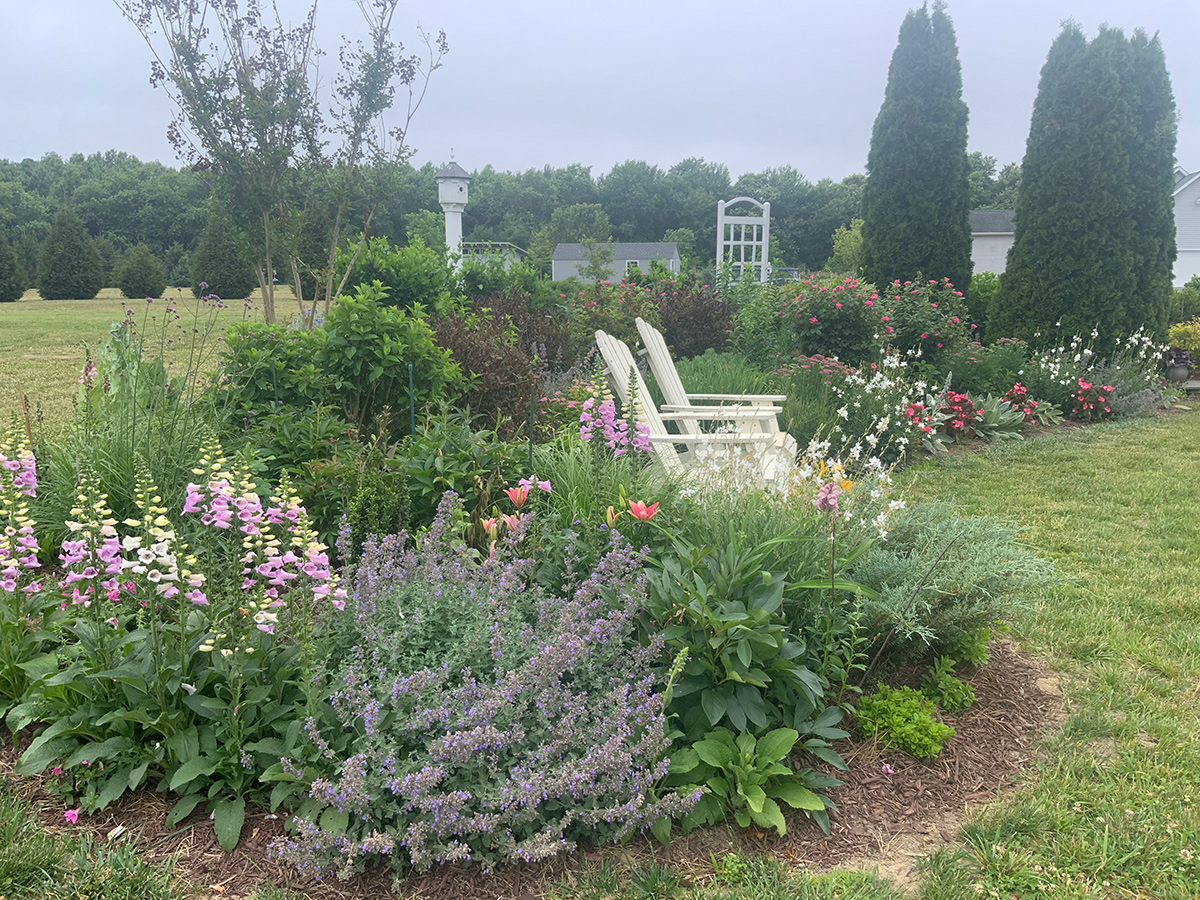
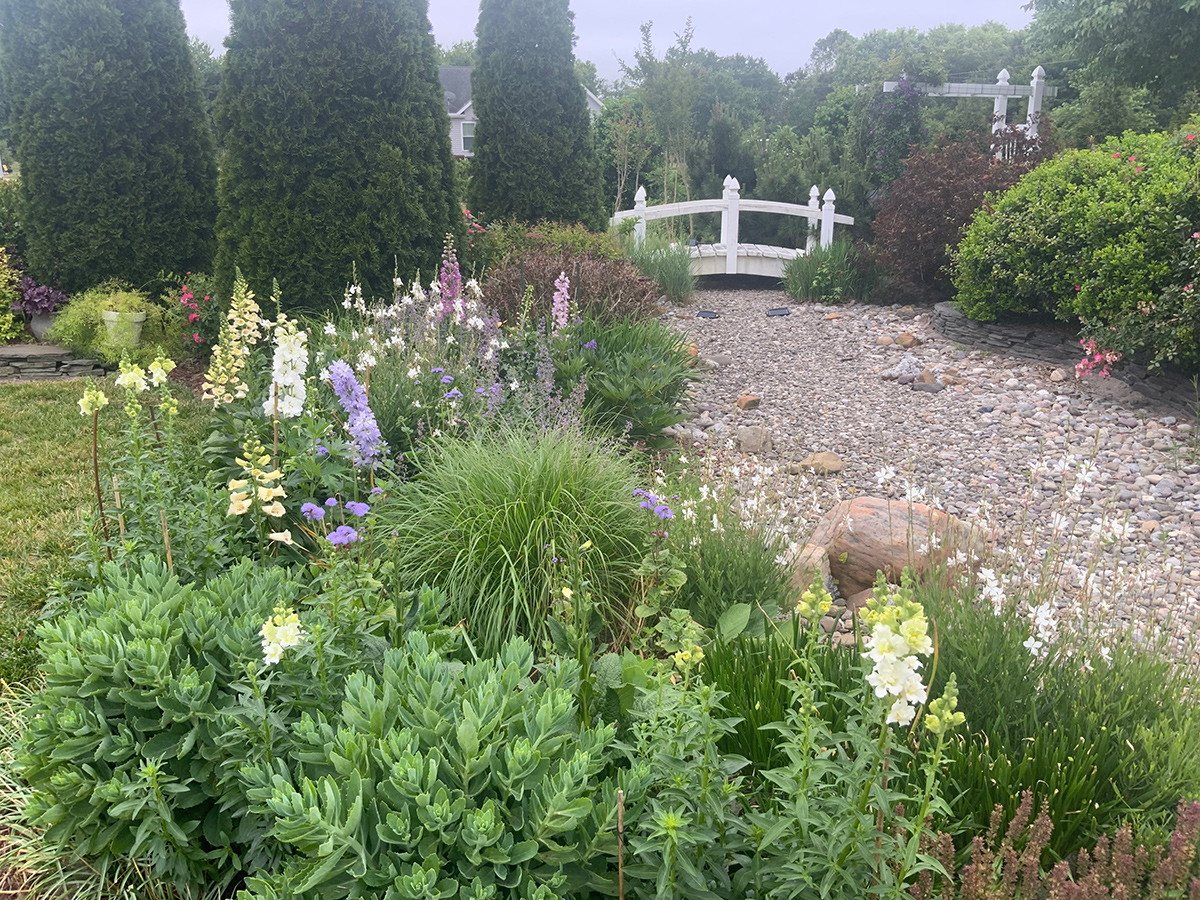
The transition from spring to summer is anchored by a strategic use of structure and repeat-blooming perennials. In the foreground of her current beds, one finds a harmonious blend of Achillea millefolium (yarrow), Nepeta (catmint), and the airy, graceful stalks of Gaura. These plants serve as the "glue" that binds the more dramatic specimens together.
The Seed-Sown Masterpieces
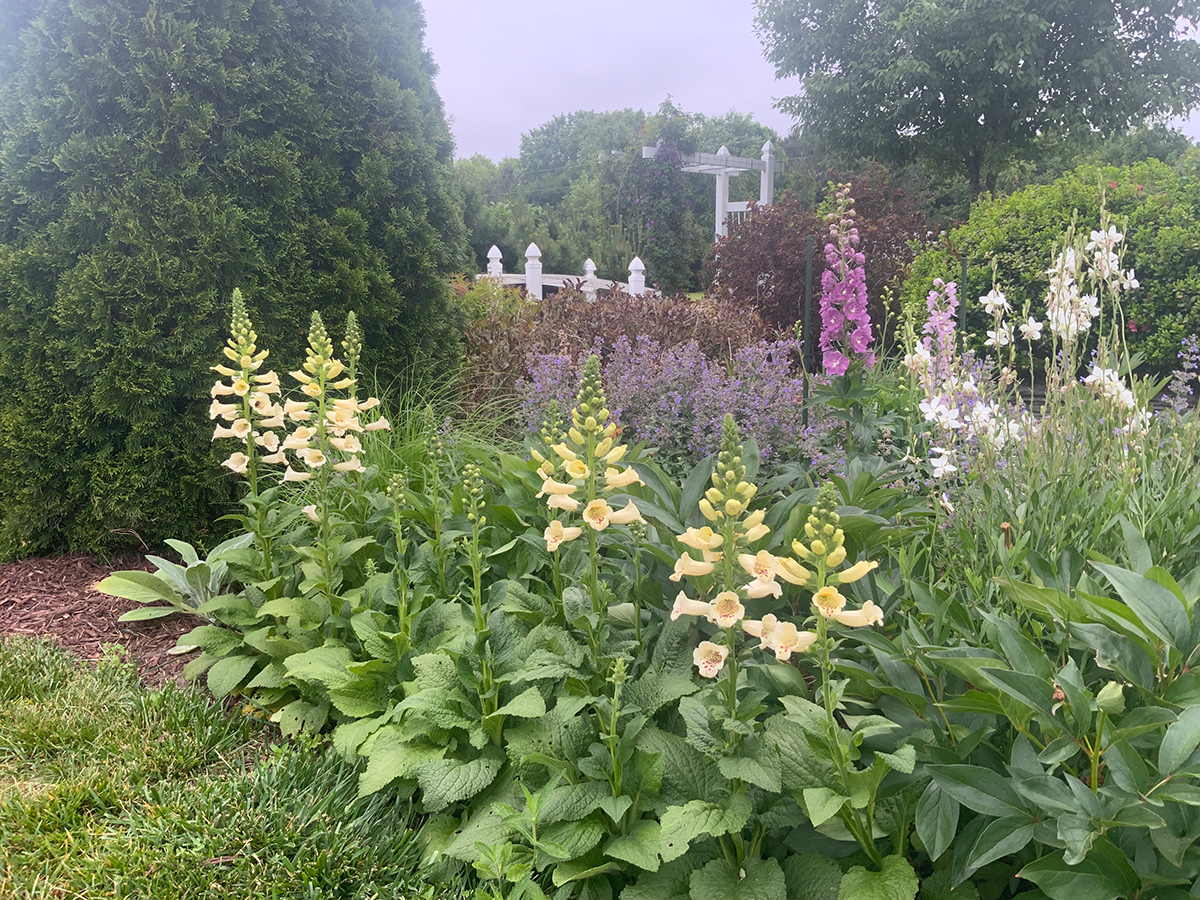
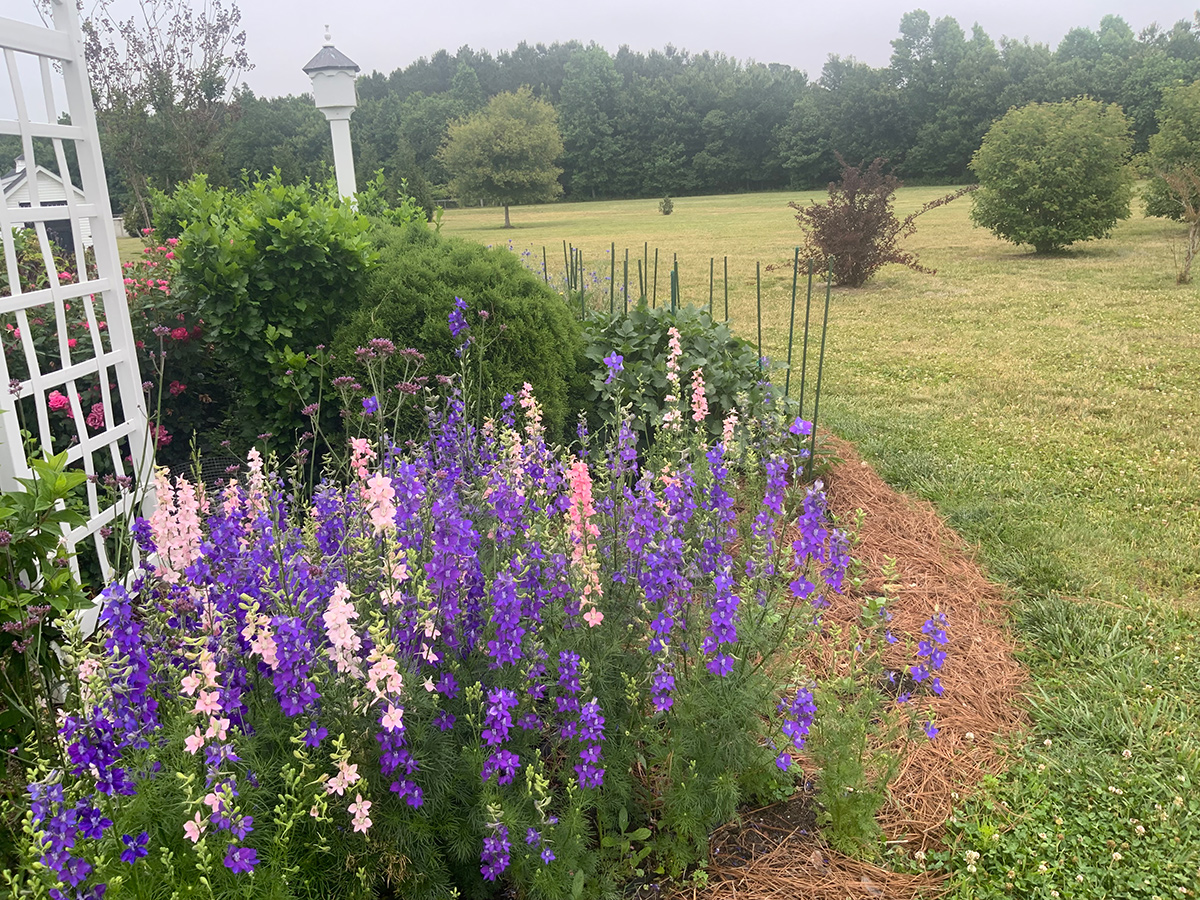
Perhaps the most impressive aspect of Eutsler’s work is her reliance on seeds. Her recent images feature stunning specimens of Digitalis purpurea—specifically the ‘Camelot Lavender’ and ‘Camelot Cream’ varieties. These aren’t store-bought transplants; they are the result of months of patient cultivation. Standing tall alongside spikes of Delphinium and the ivory, ruffled blooms of Antirrhinum majus ‘Madame Butterfly Ivory’, these plants create vertical interest that turns a standard garden bed into a high-art installation.
Supporting Data: A Garden Designed for Longevity and Utility
Beyond the purely aesthetic, Eutsler’s garden is a functional powerhouse. Her approach to design balances ornamental beauty with productive utility, particularly through the use of raised beds.
The Ergonomics of Success
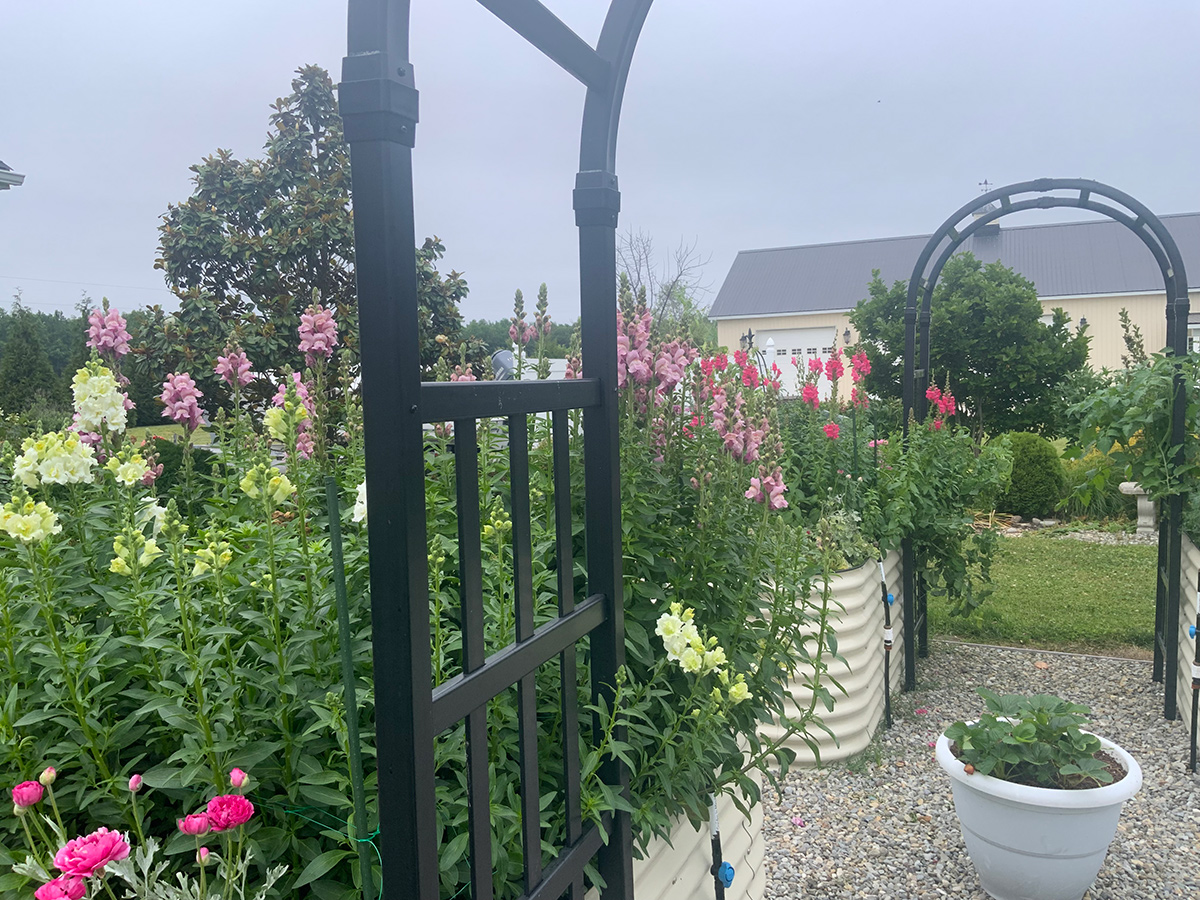
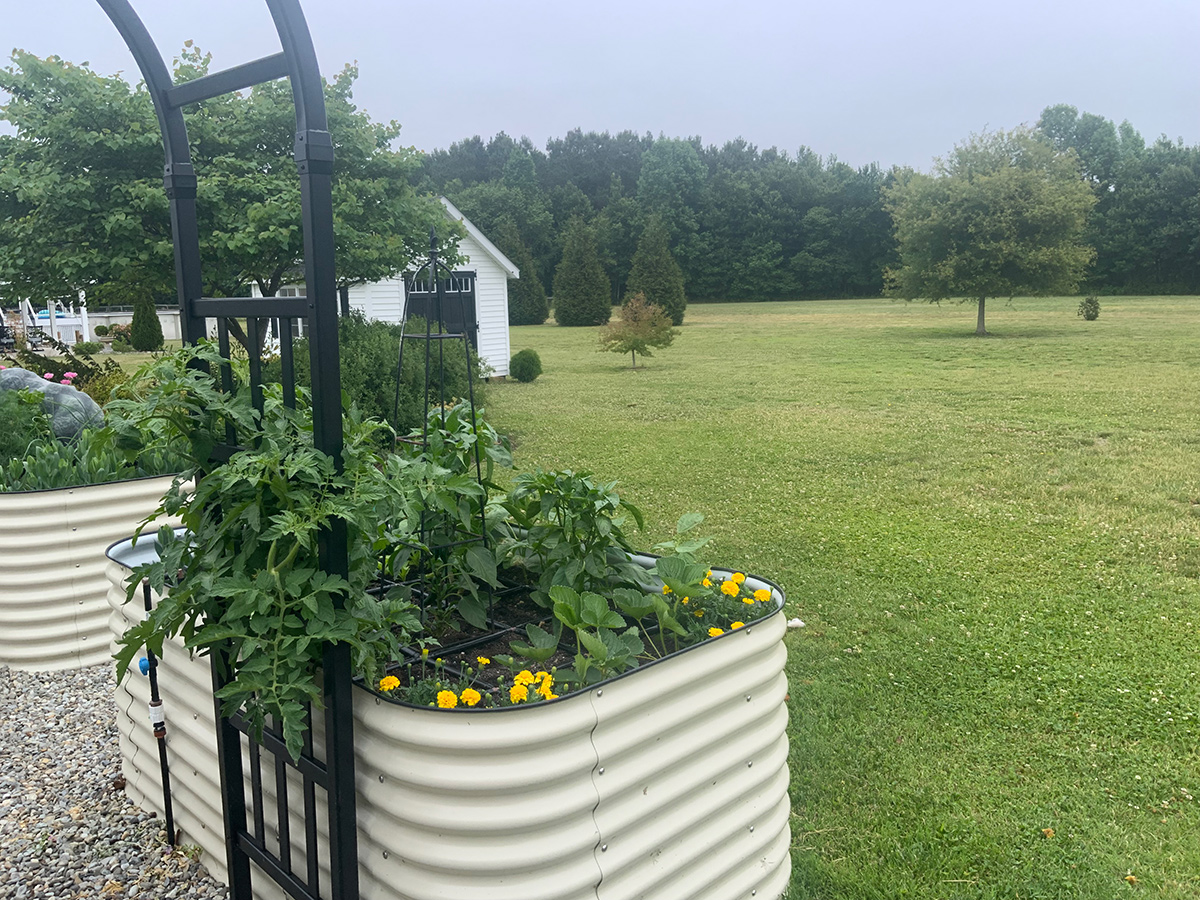
One of the most practical elements of the Whaleyville garden is the implementation of elevated growing spaces. By utilizing raised beds, Eutsler has successfully eliminated the physical strain of gardening, allowing for long, productive hours of cultivation without the need for constant bending.
The yield from these beds is impressive:
- Cut Flowers: Snapdragons (‘Potomac Lavender’ and ‘Potomac Cherry Rose’), Eustoma grandiflorum (lisianthus), ranunculus, and calendula.
- Vegetables: A robust rotation of tomatoes (grown on arbors to maximize space and simplify harvesting), peppers, crisp lettuces, snap peas, bush beans, and cucumbers.
- Herbal Integration: A diverse selection of fresh culinary herbs tucked within the vegetable beds, ensuring both pest deterrence and kitchen utility.
The Peony Spectacle
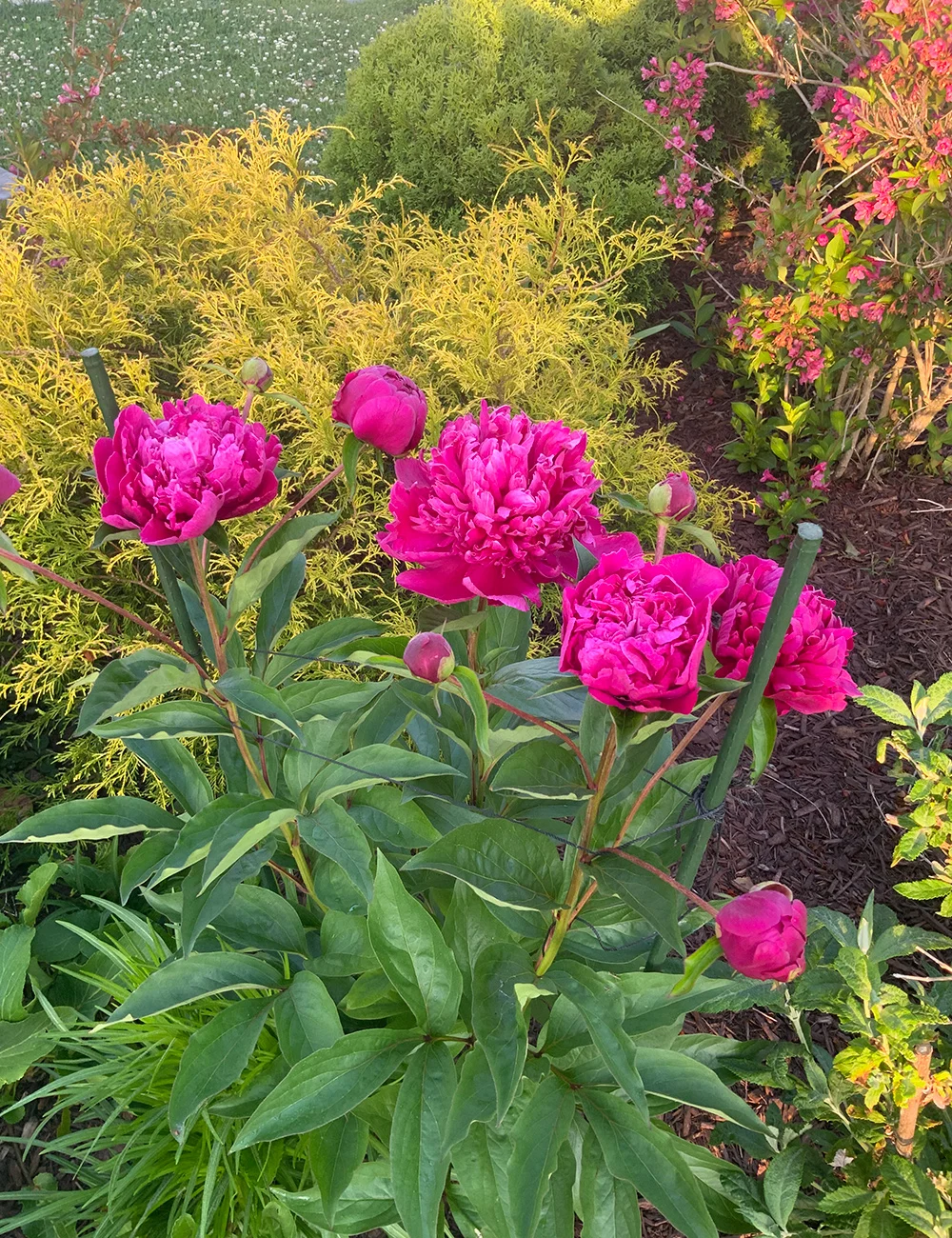
In late spring and early summer, the focal points shift to her prized peonies. The Paeonia lactiflora ‘Big Ben’ provides a deep, saturated contrast to the surrounding cypress, while the ‘Duchesse de Nemours’ offers a soft, elegant counterpoint to the vibrant Weigela florida ‘Bokrasopin’ and the cool, structured tones of the dwarf blue spruce.
Official Perspectives: The Value of the Personal Garden
The Fine Gardening editorial team has noted that Eutsler’s journey serves as a beacon for many who feel the pressure of modern, busy lives. The "simple" garden she set out to create has transformed into a profound expression of self-care.
"Teresa’s garden reminds us that simplicity is subjective," says a representative from the GPOD editorial board. "When a gardener finds flow—that state of mind where the labor feels like a meditation—the size or complexity of the garden becomes irrelevant. The passion she displays is the engine that drives her success."
This sentiment underscores a broader trend in horticulture: the move toward "meaningful maintenance." While many homeowners view gardening as a chore to be minimized, Eutsler’s approach suggests that by selecting plants that respond well to one’s specific climate and by investing in ergonomic infrastructure, the "work" becomes the highlight of the week rather than a task to be avoided.
Implications for the Modern Gardener
The implications of Eutsler’s success in Maryland are twofold for the average homeowner.
- The Myth of "No Maintenance": True beauty in a garden rarely comes from a zero-maintenance approach. Instead, it comes from "smart maintenance." By utilizing elevated beds, choosing high-performing varieties (like the ‘Camelot’ series of foxgloves), and organizing the space for efficiency, Eutsler has managed to maintain a high-impact landscape that remains physically sustainable.
- The Joy of Seed Propagation: For many, the cost of filling a garden with mature perennials is prohibitive. Eutsler’s reliance on seed-sown annuals and biennials demonstrates that a spectacular, professional-grade garden can be achieved on a modest budget, provided one has the patience to nurture the seedlings.
Essential Tools for the Ambitious Gardener
For those inspired by Eutsler’s design choices, the editorial team at Fine Gardening suggests several resources that mirror the techniques seen in her garden:
- Structural Inspiration: For those looking to replicate her "quirky" and efficient use of space, Buffalo-Style Gardens offers a masterclass in making small, dense spaces feel lush and intentional.
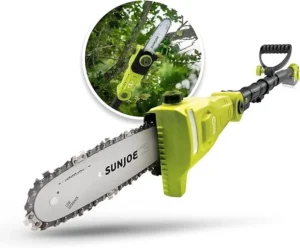
- Practical Maintenance: As Eutsler’s garden has grown, so has the need for efficient tools. The ARS Telescoping Long Reach Pruner is cited as an essential for maintaining tall shrubs and arbors without the need for ladders.
- Ecological Resilience: Her integration of various plant communities reflects the principles found in Planting in a Post-Wild World, which encourages a hybrid approach—marrying the wild, natural aesthetic with the structure of a cultivated home garden.
Conclusion: A Living Legacy
Teresa Eutsler’s garden in Whaleyville is more than just a collection of flowers; it is a testament to the idea that a garden is never "finished." As she moves through the seasons, she continues to adapt, grow, and refine her space. Whether she is harvesting snap peas from an elevated bed or deadheading peonies to encourage a second flush of growth, she is actively participating in a cycle that provides both nourishment for the table and peace for the soul.
For readers who feel their own garden spaces are stagnant, Eutsler’s story offers a gentle challenge: re-evaluate what "simple" means to you. Perhaps, like Teresa, you will find that the most rewarding garden is not the one that requires the least effort, but the one that gives the most back in beauty, color, and life.
Do you have a garden space that tells a story? The GPOD team invites you to share your journey. Whether your garden is in its infancy or has been blooming for decades, your experiences—and your photos—are the heartbeat of our community.