The Eternal Apprentice: Why Gardening Demands a Lifetime of Discovery
In most creative pursuits—whether it is the steady hand of a watercolor painter, the rhythmic click of knitting needles, or the precision of a master baker—we often equate "mastery" with a state of finality. We assume that after decades of practice, the practitioner reaches a pinnacle where mistakes are either eliminated or so deftly corrected that they remain invisible to the untrained eye. However, the world of horticulture offers a stark, humbling, and exhilarating counter-narrative. In gardening, there is no "made it" moment. There is no finish line.
The garden is a dynamic, living laboratory defined by an ever-changing environment. It is a dialogue between human intent and the wild, unpredictable forces of nature. For some, this lack of total control is daunting—a reason to keep the hobby at arm’s length. But for the dedicated horticulturist, this constant evolution is exactly what makes the endeavor the most rewarding pursuit one can undertake.
The Science of Stewardship: Learning Never Stops
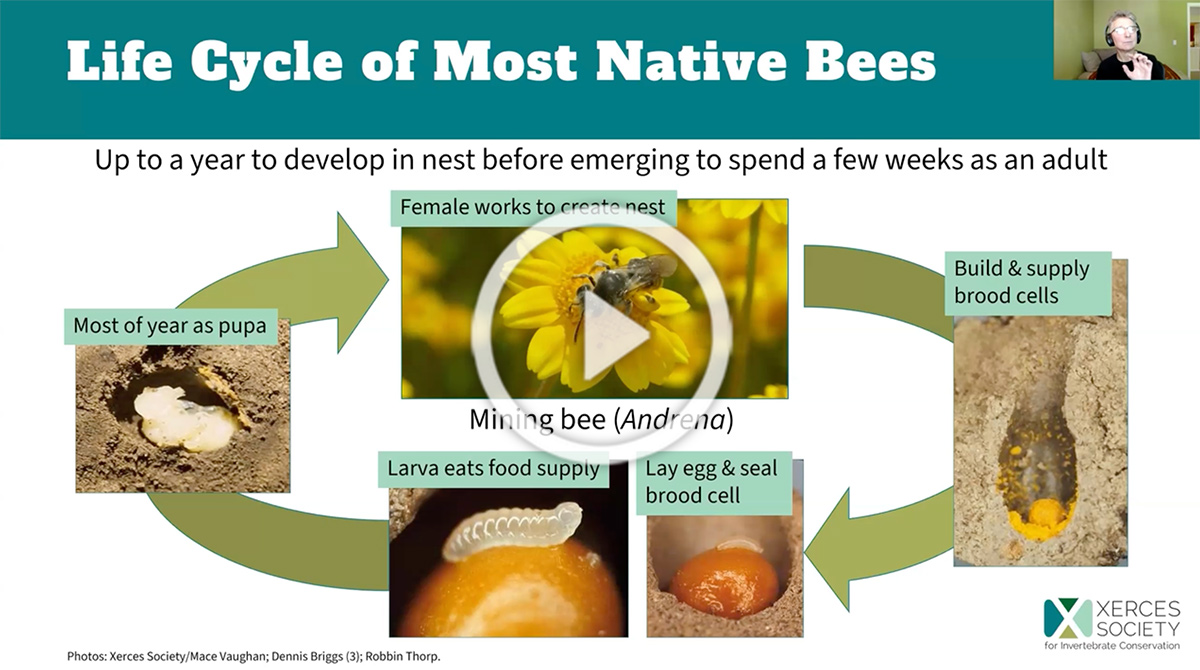
The necessity of lifelong learning was underscored recently during Fine Gardening’s latest webinar, The Science of Pollinator Gardens. The session, led by Matthew Shepherd, the Director of Outreach at the Xerces Society for Invertebrate Conservation, served as a potent reminder that even those immersed in the field for years are only scratching the surface of ecological complexity.
Chronology of Conservation Education
- The Early Years: Historically, gardening was focused on aesthetics—the "look" of the border, the height of the bloom, and the symmetry of the lawn.
- The Shift: Over the last two decades, the focus has pivoted toward sustainability and conservation, driven by data on declining pollinator populations.
- The Present: Organizations like the Xerces Society have bridged the gap between academic entomology and home garden practice, turning backyards into critical biological corridors.
During the webinar, Shepherd presented a wealth of enlightening information on how specific plant-pollinator interactions shape our local food webs. For many attendees, the session was a humbling revelation: even with a lifetime of experience, the intricate science of how invertebrates navigate our landscapes continues to offer new mysteries. For those who missed the live event, the recording has been made available, serving as a vital resource for anyone looking to transition from a casual gardener to a true ecological steward.
Bridging the Gap: The "Roots of Greatness"
While current trends often push us toward the "latest and greatest"—new cultivars, synthetic fertilizers, or modern design trends—there is an equal necessity to look backward. Understanding the history of horticulture is not merely academic; it is foundational.
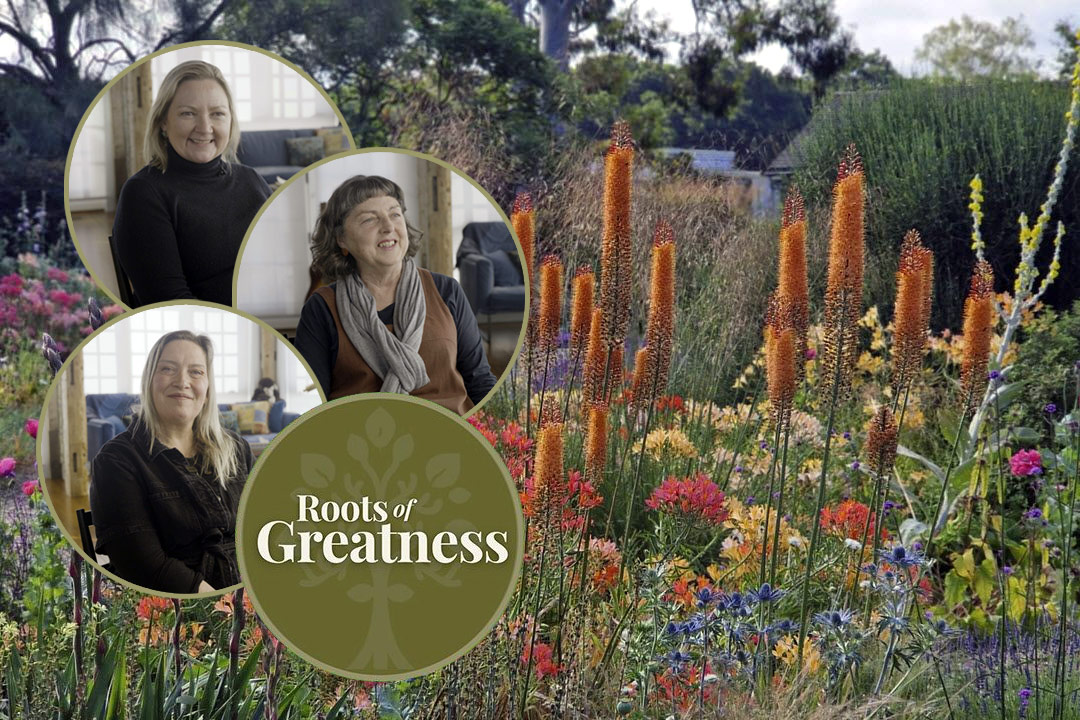
Our new course, Roots of Greatness, aims to bridge this generational gap. Through intimate interviews and a wide-ranging panel discussion, the course examines the lives and legacies of three influential women in horticulture. By viewing their work through the lens of four contemporary leaders in the field, we are reminded that our current sustainable practices are built on the shoulders of innovators who dared to challenge the status quo.
History teaches us that the gardener’s role is not to impose will upon the earth, but to facilitate a healthier, more resilient environment. By studying the pioneers of the past, we gain perspective on the cycles of change that define our current work.
Hands-On Labs: The Garden as a Classroom
Theoretical knowledge is invaluable, but the most impactful lessons in gardening are inevitably experiential. The garden is the ultimate testing ground. It is where abstract concepts—such as soil pH, microclimates, and insect life cycles—meet the physical reality of dirt and sweat.
Practical Steps for the Modern Gardener
- The Native Swap: The most direct way to level up your garden’s ecological performance is to replace common, non-native perennials with native alternatives. These plants are evolutionary partners to local pollinators, requiring less water, fewer pesticides, and offering superior support to the local ecosystem.
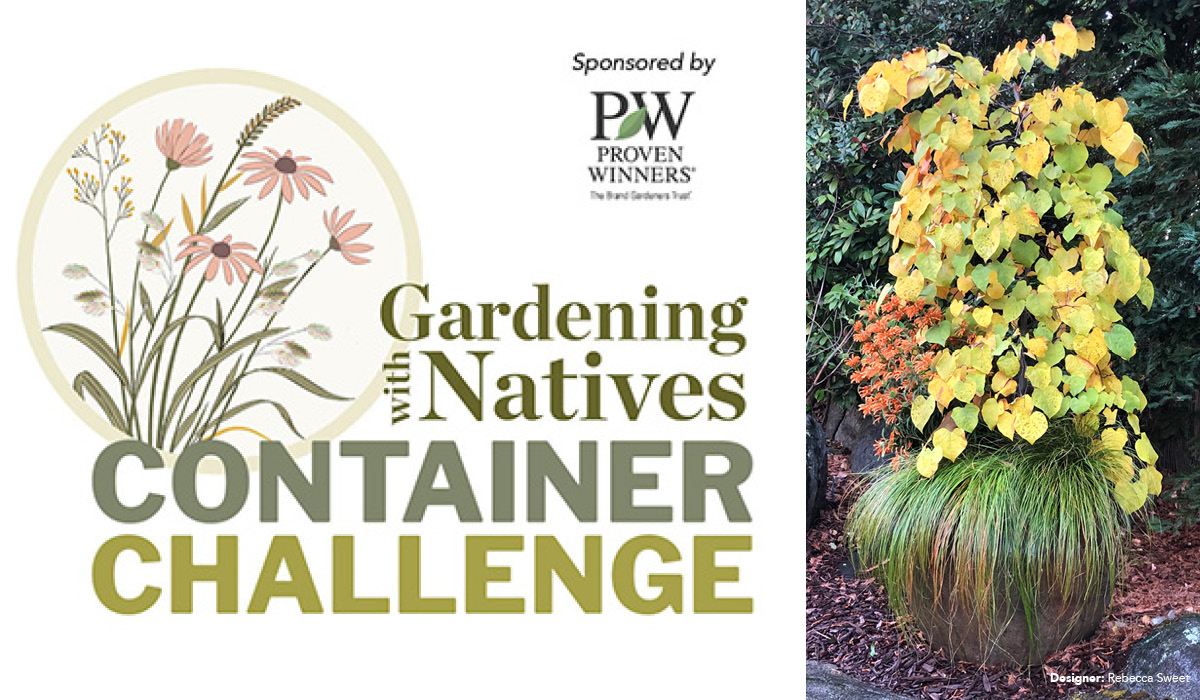
- The Container Challenge: For those constrained by space or time, containers offer a low-commitment, high-reward environment for experimentation. Our Native Container Challenge is designed to prove that you do not need an acre of land to make a meaningful difference in local biodiversity.
- Experimental Failure: A true master knows that a "failed" crop or a dying shrub is not a defeat; it is data. Treat your garden beds as trial plots. Document what works, analyze why something struggled, and adjust for the next season.
Supporting Data and The Future of Horticulture
The shift toward science-based gardening is supported by growing data. Studies indicate that residential gardens, when managed with ecological principles, can provide essential "stepping stone" habitats that allow pollinator populations to move through urban and suburban environments.
According to reports from the Xerces Society, residential landscapes that prioritize native plantings show a significant increase in the diversity of wild bees and butterflies within just two growing seasons. This suggests that the collective action of home gardeners is one of the most powerful tools currently available for biodiversity conservation.
Recommended Tools for the Lifelong Learner
Equipping oneself for this journey requires not just knowledge, but the right instruments. Quality tools are an extension of the gardener’s intent, ensuring that the work is precise, efficient, and gentle on the plants.
- Lee Valley Mini Garden Shear Set: Precision is the hallmark of a master. This set features a unique finger rest for improved grip and needle-nose blades for delicate deadheading and precise pruning, allowing the gardener to shape growth without damaging neighboring stems.
- Lee Valley Large Gardener’s Wash Basket: Sustainability includes the harvest. This chrome-plated steel basket allows you to gather produce and wash it in the field, preventing soil-borne pathogens from entering your home and ensuring your harvest is treated with the care it deserves.
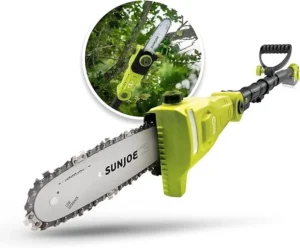
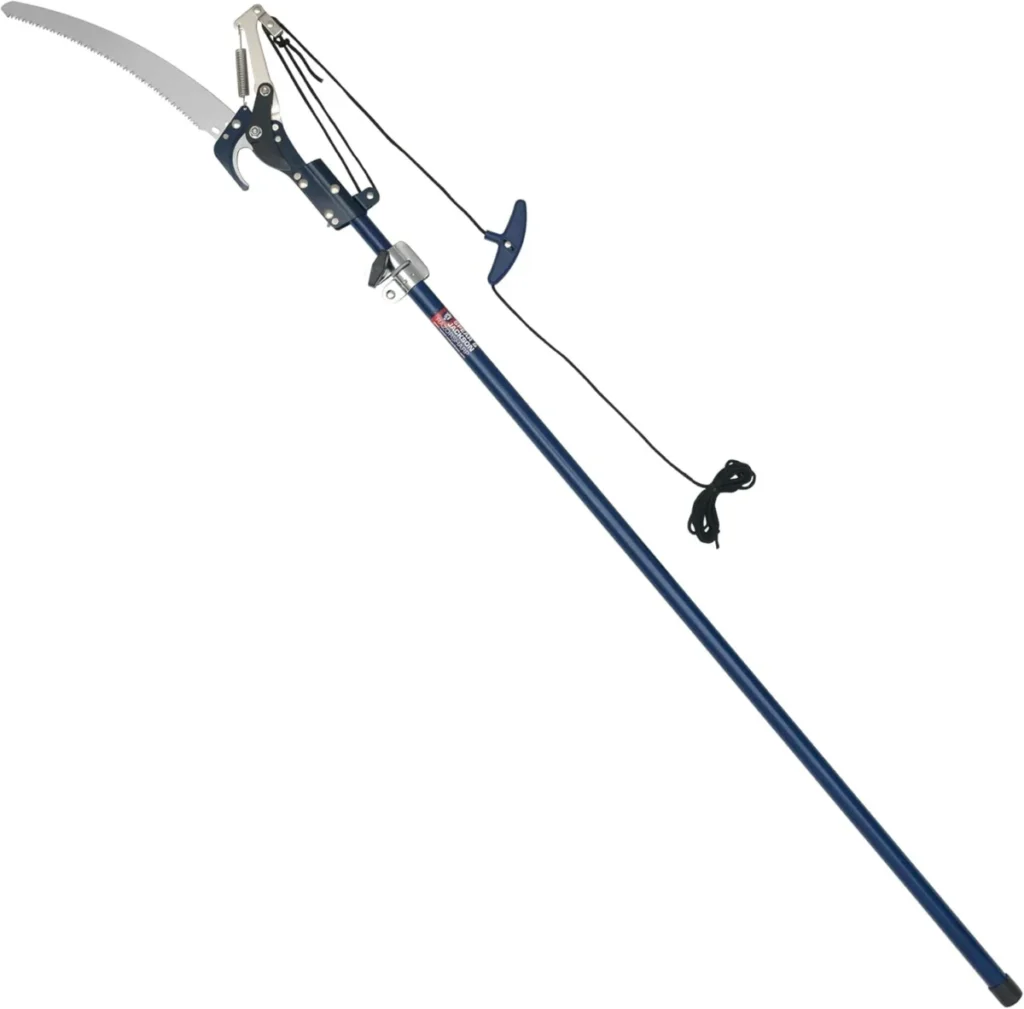
- Spear & Jackson 4930FZ Razorsharp Telescopic Tree Pruner: As our gardens mature, so must our reach. This telescopic pruner, with its SK5 carbon steel blade and 13-inch saw attachment, is designed for the gardener who manages a landscape with height and complexity, ensuring that even the highest branches are pruned with surgical accuracy.
Implications: The Growth of the Gardener
So, how will you be growing your knowledge this year? The beauty of gardening lies in its refusal to be mastered. Every spring brings a new set of variables—a wetter-than-usual April, a drought in July, or a new pest migration.
If you view the garden as a static project to be finished, you will be perpetually frustrated. But if you view it as a lifelong apprenticeship, you will find that the garden is a source of infinite surprise. It demands humility, observation, and a willingness to be wrong. It asks you to look at the ground beneath your feet and recognize that there is always something new to learn, a new connection to observe, and a new way to contribute to the health of the world around you.
As you look toward the coming seasons, consider this: the most impressive gardens are not those that look perfect, but those that are cared for by someone who is still curious. The learning, the digging, the trial, and the error—that is where the mastery lies.
For those ready to continue their education, we invite you to explore our full catalog of online courses and upcoming webinars at courses.finegardening.com.