The Ultra-Processed Enigma: Unpacking the First Randomized Controlled Trial
For decades, the term "junk food" has vaguely described less-healthy dietary choices, from sugary candies to salty chips. Yet, lacking a precise definition, this colloquialism often failed to capture the true nature of modern industrial food products. Enter the concept of "ultra-processed food" (UPF), a classification developed by nutrition researchers to identify industrial formulations that increasingly dominate our plates and, as groundbreaking research now confirms, profoundly impact our health.
This article delves into the critical findings of the first randomized controlled trial investigating ultra-processed foods, revealing what happens when diets are meticulously matched for calories, sugar, fat, and fiber content. The results challenge conventional wisdom and raise urgent questions about the future of our food system and public health.
The Rise of Ultra-Processed Foods: A Global Phenomenon
Ultra-processed foods are far more insidious than simple "junk food." They are industrial concoctions, characterized by long lists of ingredients—beyond basic salt, sugar, and fat—that are rarely found in a home kitchen. These include a panoply of flavors, sweeteners, colors, emulsifiers, and other additives engineered to imitate real foods or mask undesirable qualities of the final product. As one expert succinctly puts it, these correspond to "red light foods" in a dietary "traffic light system," signaling items to be minimized or avoided entirely.
The ubiquity of UPFs in our modern diet is staggering. The U.S. food supply, for instance, is overwhelmingly dominated by these products; an assessment of over 200,000 items revealed that a staggering 71% were classified as ultra-processed. This dominance extends far beyond grocery store aisles. Sugary drinks and processed snacks permeate non-food retailers, from gas stations to chiropractors’ offices, strategically placed to trigger consumption cues. As a former Coca-Cola executive famously stated, the goal is to keep soda "within an arm’s reach of desire," a sentiment echoed by a major candy brand boasting, "We put them everywhere… Not sorry."
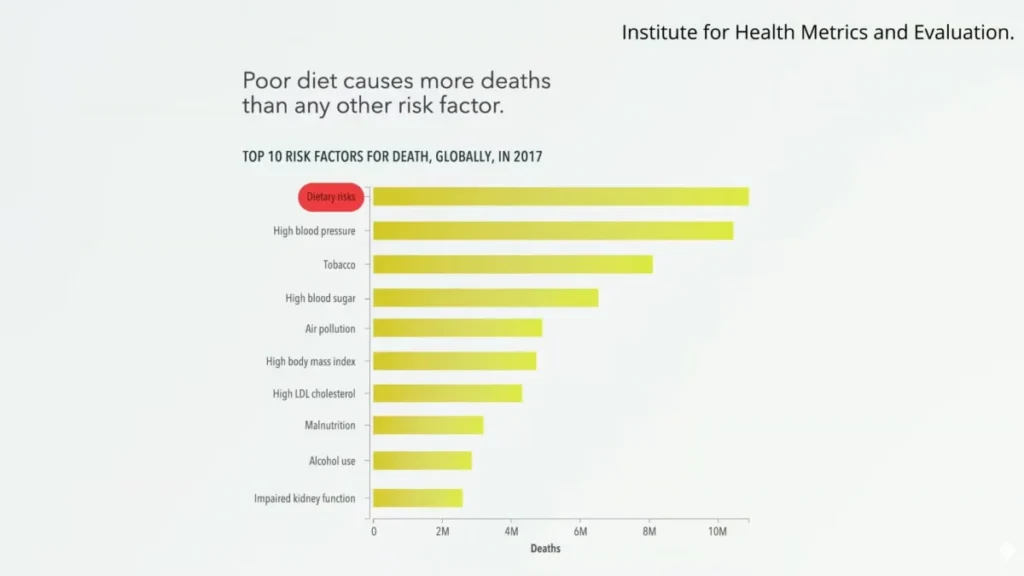
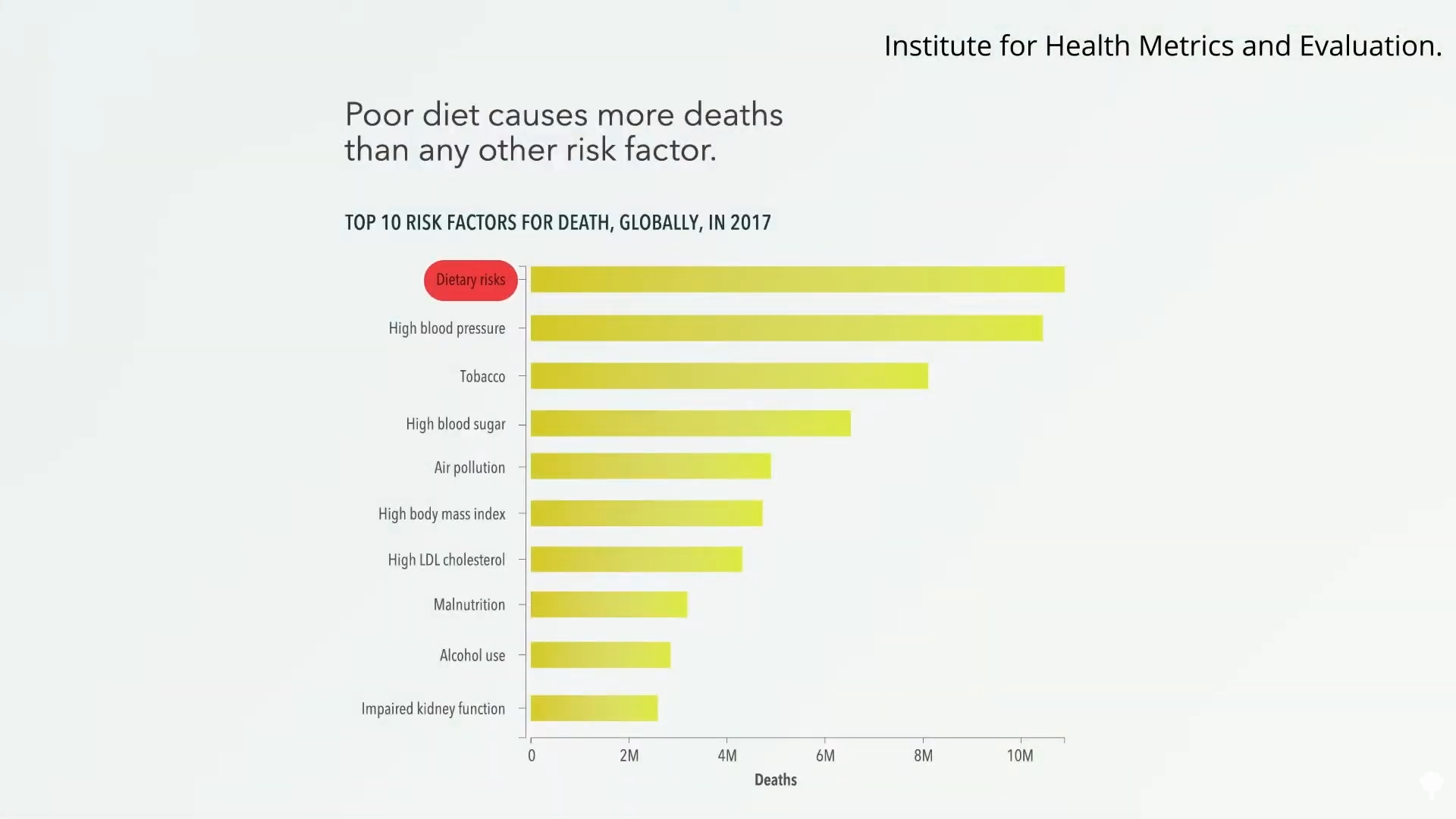
The sheer volume of UPF consumption is alarming. In the United States, children and adolescents consume an unbelievable 56% to 70% of their daily calories from "junk" foods. This trend is not confined to the youth; more than half of the total calories consumed by American adults fall into the ultra-processed category. Globally, particularly in higher-income countries, UPFs consistently account for over 50% of dietary caloric intake. It is therefore unsurprising that unhealthy diets have emerged as humanity’s greatest killer, the leading risk factor for death worldwide, contributing to a global health crisis that demands immediate attention.
Unveiling the Hidden Costs: Health Consequences of UPFs
The biological ramifications of a diet heavy in ultra-processed foods have been extensively studied, revealing a grim picture. Animal studies, particularly with rats, demonstrate that consuming modern processed foods leads to dramatic weight gain, systemic inflammation, and a range of cognitive and metabolic abnormalities.
In humans, the rise of ultra-processed foods has coincided with a concerning increase in eating disorders. Binge eating, now recognized as the most common form of eating disorder, has been strongly linked to UPFs, with studies finding that 100% of reported binge foods are ultra-processed. This connection is hardly coincidental; these foods are meticulously engineered to be hyper-palatable and difficult to stop eating, a stark contrast to the inherent satiety provided by whole, unprocessed foods like broccoli.
A comprehensive review of observational studies paints a stark picture of the adverse health outcomes associated with UPF consumption. Approximately nine out of ten studies have established a clear link between ultra-processed foods and a litany of chronic conditions. Beyond obesity, this list includes various cancers, cardiovascular diseases, type 2 diabetes, irritable bowel syndrome, depression, frailty, and, critically, increased all-cause mortality, signifying a shortened lifespan. Studies focusing on youth add asthma and higher rates of DNA damage to this alarming list. Crucially, not a single study has reported a beneficial health outcome linked to ultra-processed food consumption.
In stark contrast, populations whose diets are rich in minimally processed foods, low in meat, and high in fiber consistently exhibit fewer chronic diseases, lower obesity rates, and enjoy longer, disease-free lives. However, a significant portion of these findings stemmed from observational studies, which, while indicative, cannot definitively prove causation. The scientific community recognized the urgent need for a more definitive test: a randomized controlled trial.
The Scientific Breakthrough: A Controlled Experiment
The debate surrounding ultra-processed foods intensified as their prevalence grew. While observational studies strongly suggested a detrimental link, industry proponents often argued that poor nutritional profiles—high sugar, fat, salt, and low fiber—were the primary culprits, rather than the processing itself. This led to calls for "reformulation," an industry strategy to tweak product ingredients without fundamentally altering their ultra-processed nature. To truly understand the impact of ultra-processing, a meticulously controlled experiment was required.

Designing the Unprecedented Trial
In a landmark achievement, the first randomized controlled trial on ultra-processed foods was conducted, aiming to isolate the effect of processing itself. The study involved 20 participants who were confined to a hospital ward for a total of 28 days, experiencing two distinct dietary phases, each lasting 14 days. During one phase, participants consumed an ultra-processed diet, and in the other, a diet consisting of unprocessed foods.
The critical innovation of this trial lay in its design: both diets were meticulously matched to provide the same amount of calories, sugar, fiber, fat, and macronutrients (carbohydrates and protein). This crucial matching aimed to neutralize the argument that adverse health effects were solely due to nutrient imbalances, thereby directly testing the impact of the food’s structural and additive characteristics. Participants were given a variety of meals from each diet and instructed to eat as much or as little as they desired.
Diet Composition: A Tale of Two Menus
To illustrate the stark contrast between the two dietary approaches, consider the typical meal offerings. For breakfast during the ultra-processed weeks, participants might receive Cheerios with milk and a muffin, or an egg and cheese muffin with turkey bacon, accompanied by orange juice. These options, while containing similar caloric and macronutrient values to the unprocessed alternative, were composed of industrial ingredients and additives.
When it was time for the less-processed breakfasts, participants would enjoy items like oatmeal with fresh blueberries and almonds. The overall sugar and fat content for both breakfast types was comparable, but the unprocessed option was presented in its whole food form, devoid of industrial alterations.
Lunch presented a similar divergence. The ultra-processed group might be served a turkey sandwich with nonfat Greek yogurt, canned peaches, baked potato chips, and sugar-free Crystal Light Lemonade. In contrast, the unprocessed diet offered a vibrant Southwest entrée salad featuring black beans, carrots, corn, avocados, and nuts, complemented by fresh grapes and apples. Again, the caloric content was equivalent, but the nature of the food was fundamentally different.
The Startling Results
The findings of this pioneering trial were nothing short of revelatory. When consuming the ultra-processed diet, participants spontaneously ate approximately 500 more calories per day compared to when they were on the unprocessed diet. Unsurprisingly, this increased caloric intake led to significant weight changes: participants gained an average of about two pounds during the 14 days on the ultra-processed diet, while actively losing about two pounds on the less-processed diet, as clearly depicted in the study’s accompanying visuals.
These results were particularly impactful because they demonstrated that even when nutrient profiles (calories, sugar, fat, fiber) were carefully controlled, the ultra-processed nature of the food itself drove increased consumption and subsequent weight gain. This suggested that factors beyond simple macronutrient composition were at play, likely related to the sensory properties, texture, eating rate, and satiety signals inherent in ultra-processed foods.
Beyond Nutrients: The True Problem with Ultra-Processing
The implications of this randomized controlled trial are profound. It unequivocally demonstrated that the problem with ultra-processed foods extends far beyond their unbalanced nutrient profiles. Simply tweaking ingredients—adding a bit more fiber or slightly reducing sugar, fat, or salt—would not magically transform these products into healthy options.
This finding directly challenges the food industry’s preferred "unobtrusive strategy" of reformulation. Manufacturers have long proposed this approach, suggesting it offers "the prospect of nutritional improvement without dietary change." However, the trial’s results indicate that such efforts are largely insufficient. The fundamental issue lies in the ultra-processing itself, which appears to override the body’s natural satiety mechanisms and encourage overconsumption, even when calorically equivalent to whole foods. The study’s conclusion is clear: it may be far more effective to limit the consumption of ultra-processed foods altogether rather than rely on superficial reformulations.
The Economic and Societal Entanglement
The deep integration of ultra-processed foods into our society is not accidental; it is a meticulously crafted system driven by powerful economic incentives and pervasive marketing.
Profit Over Health: The Industry’s Incentive
One of the primary reasons the food industry embraces ultra-processed foods is their extraordinary profitability. These products are typically made with dirt-cheap ingredients, often including taxpayer-subsidized corn syrup and other inexpensive commodity crops. This allows for immense corporate profit margins, fueling a multi-trillion-dollar global industry.
However, this financial gain comes at an astronomical cost to public health. The food industry takes in more than a trillion dollars annually, yet the vast majority of our healthcare dollars are spent treating chronic diseases—such as diabetes and heart disease—that are exacerbated by the very same foods. It’s been argued that "we lose triple what the food industry makes" when factoring in these downstream healthcare expenditures.
The Healthcare Burden and Industry Propaganda
The industry often defends the prevalence of UPFs by arguing that, in today’s fast-paced society, it is "unrealistic" to expect people to avoid them, citing societal time constraints and the perceived difficulties of food preparation. This argument, however, is increasingly recognized as part of a sophisticated propaganda and disinformation campaign that has co-opted families for decades. It perpetuates a myth that healthy food cannot be convenient, a notion easily debunked by the simple, inherent convenience of an apple.
As Dr. Robert Lustig highlighted in his essay on processed food as a failed experiment, a significant portion of the population lacks basic culinary knowledge, rendering them "hostages to the processed food industry." While his "mother-blaming" tone may be criticized, his ultimate prescription resonates: "There’s only one recourse—real food, which is low in sugar and high in fiber."
Charting a Healthier Course: Solutions and Recommendations
The scientific evidence, now bolstered by the first randomized controlled trial, presents an undeniable imperative: we must fundamentally rethink our relationship with ultra-processed foods. The solution is not merely to tweak existing products but to embrace a paradigm shift towards whole, minimally processed foods.
This means prioritizing "real food, which is low in sugar and high in fiber." It requires a societal effort to educate individuals on what constitutes truly nourishing food and how to integrate it into daily life, challenging the industry’s narrative that convenience and health are mutually exclusive. Concepts like the "traffic light system"—maximizing "green light" (whole, unprocessed) foods, minimizing "yellow light" (moderately processed), and avoiding "red light" (ultra-processed) foods—offer practical frameworks for dietary choices.
Moving forward, effective strategies will need to involve multiple stakeholders. Public health campaigns must raise awareness, nutritional education needs to be integrated into curricula, and policy changes may be necessary to incentivize the production and accessibility of whole foods while disincentivizing ultra-processed alternatives. It’s about empowering individuals to make informed choices, fostering culinary skills, and collectively demanding a food system that prioritizes health over profit.
The findings from this groundbreaking trial serve as a powerful call to action. They confirm that our dietary choices have profound biological consequences, independent of mere caloric or macronutrient counts. By understanding the true impact of ultra-processed foods, we can begin to think outside the box and work towards a healthier, more sustainable future for all.
Doctor’s Note & Further Resources
The detrimental effects of processed foods on our health are now more evident than ever. To delve deeper into this critical topic, consider exploring additional resources:
- The Role of Processed Foods in the Obesity Epidemic: Understand the mechanisms by which processed foods contribute to rising obesity rates.
- Cut the Calorie-Rich-And-Processed Foods: Discover practical strategies for reducing your intake of these problematic items.
- This article is the third in a series on junk food. If you missed the previous installments, explore:
- Do Healthy Fast Food Options Lead to Healthier Choices?
- How We Won the Fight to Ban Trans Fat
- To learn more about the "traffic light system" for making healthier food choices, watch: Dining by Traffic Light: Green Is for Go, Red Is for Stop.