The Silent Revolution in Bathroom Habits: Reassessing Defecation Posture for Optimal Health
A private act, universally performed, yet surprisingly misunderstood. For decades, Western society has embraced the porcelain throne, a symbol of modern convenience that, ironically, may be contributing to a cascade of digestive woes. Emerging research and popular products like the Squatty Potty are now challenging this long-held convention, urging us to reconsider the fundamental biomechanics of defecation. Is our comfortable sitting posture an anatomical hindrance, and could a simple change unlock a healthier, more efficient bowel movement?
Unraveling the Biomechanics: The Anorectal Angle Explained
At the heart of the debate lies a crucial anatomical feature: the anorectal angle. This bend in our lower digestive tract is a natural mechanism designed to maintain continence, ensuring we don’t inadvertently "poop our pants" every time we sit down or stand up. However, what serves us well for retention can become an impediment during elimination.
The Western Conundrum: A 90-Degree Obstruction
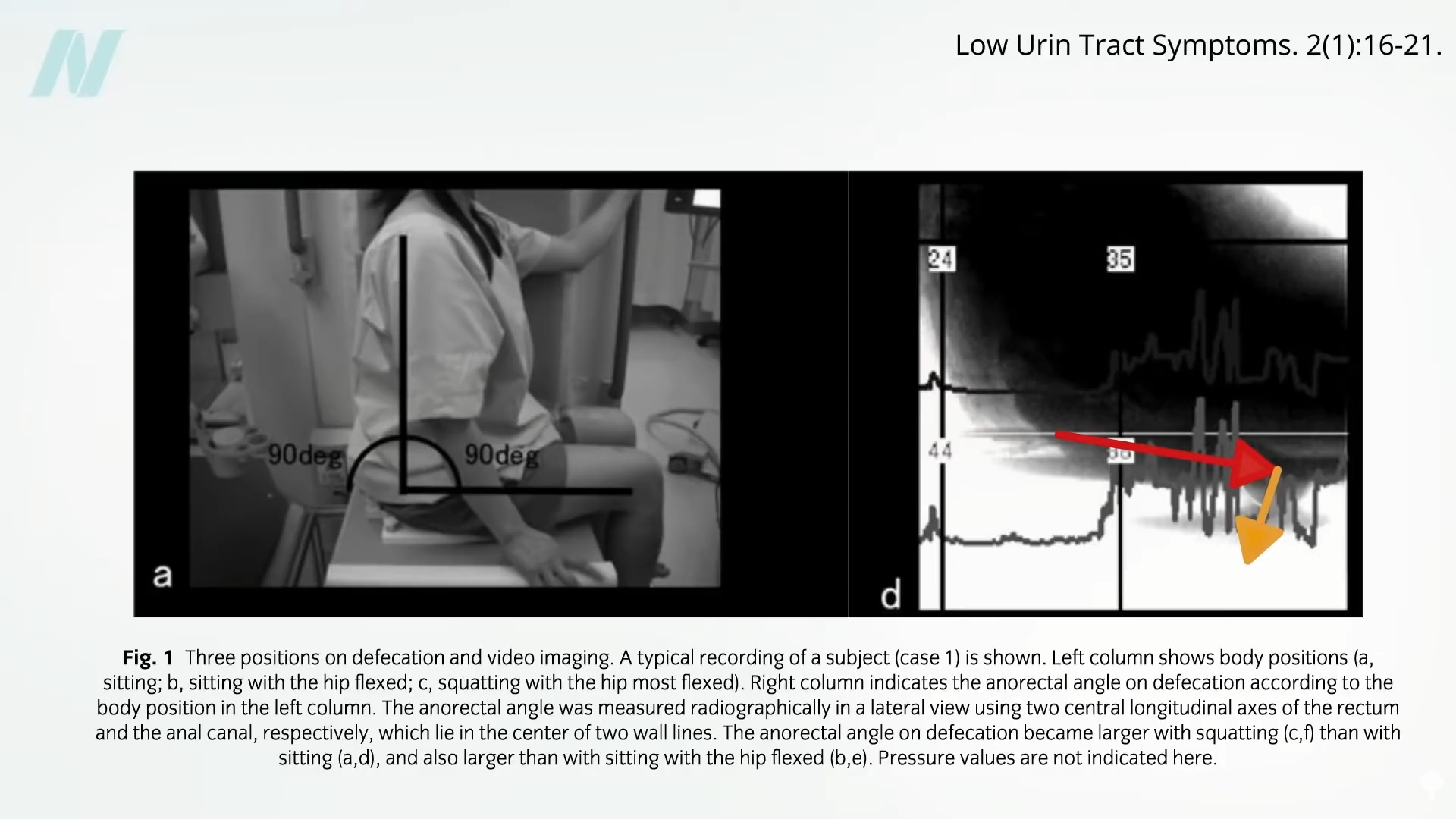
When we sit on a conventional toilet, our thighs form approximately a 90-degree angle with our torso. This posture, while comfortable for reading or scrolling, causes the puborectalis muscle – a sling-like muscle that wraps around the rectum – to remain partially contracted. This contraction creates a sharp, nearly 90-degree bend in the anorectal angle, effectively kinking the passageway for stool.
Imagine trying to empty a garden hose that has a severe kink in it; you’d have to apply much more pressure, and the flow would be significantly restricted. Similarly, our upright sitting posture forces our body to work against its natural design, akin to trying to drive a car with the parking brake partially engaged. This anatomical hindrance necessitates increased straining, prolonged time on the toilet, and often leads to feelings of incomplete evacuation.
Traditional Wisdom: The Squatting Advantage
In stark contrast, cultures across Asia, Africa, and other parts of the world have historically favored a squatting position for defecation. This ancient practice, often utilizing rudimentary squat toilets or simply the ground, aligns the body in a way that naturally straightens the anorectal angle. When squatting, the thighs are brought closer to the abdomen, relaxing the puborectalis muscle and allowing the rectum to straighten out, creating a more direct and unobstructed path for stool to pass. This position facilitates a more complete and effortless bowel movement, reducing the need for straining.
Early Attempts and the Quest for the Ideal Stance
The growing awareness of the potential benefits of squatting has led to various attempts to adapt Western toilets. Initially, these innovations were often simple and understated.
Initial Innovations: Modest Footstools and Limited Impact
One of the earliest approaches involved the introduction of small footstools, typically offering a modest four-inch boost to the feet. The rationale was sound: by elevating the knees slightly, the user’s posture would shift, ostensibly mimicking some of the benefits of a full squat. However, when these modest risers were put to the test in research settings, their impact proved negligible. Participants reported no significant difference in self-described difficulty in defecating or the average time spent emptying their bowels. It appeared that a mere four-inch elevation was insufficient to meaningfully alter the anorectal angle and provide the desired physiological advantages. This early feedback highlighted the need for a more substantial ergonomic intervention to truly make a difference.
The Squatty Potty Breakthrough: A Deeper Dive into Efficacy
The limitations of smaller footstools paved the way for more ambitious designs, leading to the rise of products like the Squatty Potty. This device, often seen as a quirky yet innovative solution, aimed to provide a more pronounced elevation, bringing users closer to a natural squatting posture even on a standard toilet.
Doubling Down on Height: The 8-Inch Difference
The Squatty Potty distinguishes itself by offering a more substantial elevation, typically around eight inches – double the height of the earlier, less effective footstools. This increased height is crucial, as it allows the knees to be raised significantly higher, bringing them closer to the torso and more effectively relaxing the puborectalis muscle. The device, officially dubbed a "Defecation Posture Modification Device" in scientific literature, was then subjected to rigorous testing to ascertain its efficacy.
Quantifiable Benefits: Emptiness, Reduced Straining, and Time Savings
The results of studies involving the Squatty Potty were compelling. Participants using the device reported a marked improvement in several key indicators of bowel health. Foremost among these was an increased feeling of bowel emptiness, suggesting a more complete evacuation of stool. This is a significant benefit for individuals who often experience discomfort or the sensation of incomplete defecation.
Furthermore, the research demonstrated a substantial reduction in straining during bowel movements. Straining is not only uncomfortable but, as we will explore later, carries significant health risks. By facilitating a more natural and unobstructed passage, the Squatty Potty effectively mitigated the need for excessive effort. Perhaps one of the most relatable findings for modern users was a reduction in "on-the-pot reading time" by approximately one minute. While seemingly minor, this time saving is a tangible indicator of improved efficiency and ease of defecation.
Despite these clear advantages, the studies also revealed a notable downside: discomfort. Even a six-inch riser in a previous trial was found to cause such extreme discomfort in some research participants that they abandoned the study. This highlights a crucial challenge: while the physiological benefits are evident, adapting to a new, more effective posture can be an adjustment, and for some, the initial discomfort might outweigh the perceived benefits. This suggests that while the science supports the method, individual tolerance and adaptation play a significant role in its practical application.
Beyond Equipment: The "Thinker" Position as a Natural Alternative
For those who find specialized footstools cumbersome or uncomfortable, or simply seek an alternative, research points to another promising method that requires no additional equipment: "The Thinker" position.
Rodin’s Inspiration: Leaning Forward for Optimal Angles
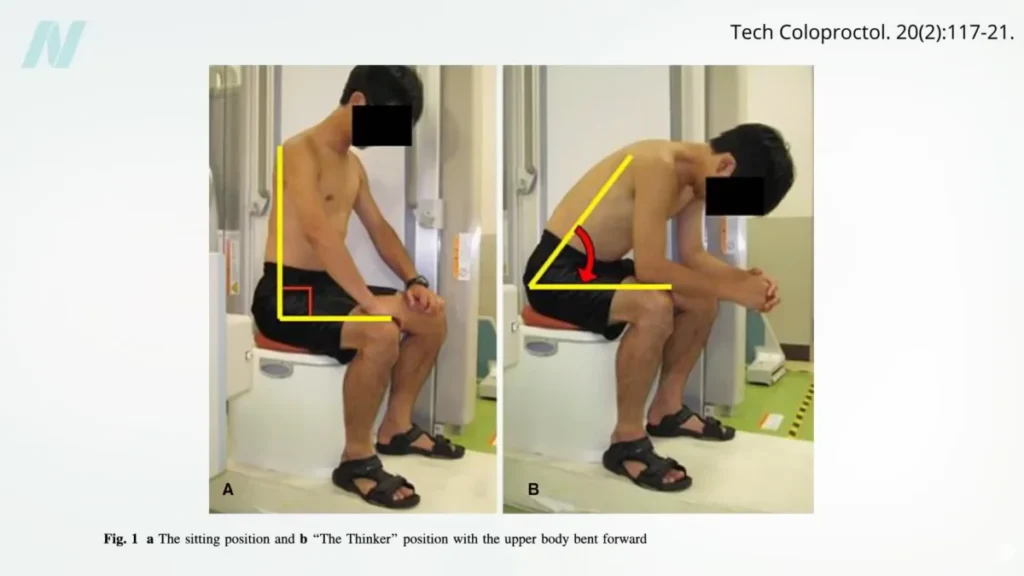
The name "The Thinker" position is inspired by Auguste Rodin’s iconic sculpture, depicting a figure hunched forward in deep contemplation. Applied to defecation, this position involves leaning significantly forward while seated on a standard toilet, with the elbows often resting on the knees. This simple postural adjustment aims to achieve a similar physiological effect to squatting or using a riser – namely, to reduce the anorectal angle and straighten the rectal canal.

Scientific Validation: Cinedefecography Reveals Superior Angles
To scientifically evaluate the efficacy of "The Thinker" position, researchers at the Cleveland Clinic employed a sophisticated diagnostic tool known as cinedefecography. This advanced medical imaging technique, essentially an "x-ray poop movie," allows clinicians to visualize the dynamic changes in the anorectal angle and the passage of stool in real-time. This provides an objective and precise measurement of the anatomical adjustments during defecation.
The findings from these studies were remarkable. Cinedefecography revealed that adopting "The Thinker" position could open the anorectal angle to more than 130 degrees. This is a significantly wider angle compared to simply raising the feet with a typical footstool, which typically achieves an angle of only around 90 degrees. The greater the angle, the straighter the pathway, and the less resistance to stool passage.
This suggests that "The Thinker" position may indeed be a more efficient and physiologically advantageous method for defecation than simply elevating the feet. While the potential for aiding constipation is evident due to the improved anatomical alignment, it’s important to note that this specific posture has not yet been formally put to the test in terms of self-reported difficulty or time reduction in the same way the Squatty Potty has. Nevertheless, the biomechanical evidence strongly supports its potential as a natural, accessible, and effective strategy for optimizing bowel movements.
The Peril of Straining: A Hidden Cardiovascular Risk
Beyond mere discomfort, the act of straining during defecation carries serious health implications, particularly for the cardiovascular system. This often-overlooked risk underscores the importance of adopting postures and dietary habits that promote effortless bowel movements.
The Valsalva Maneuver: Blood Pressure Spikes and Fatal Consequences
When an individual strains to pass stool, they typically engage in what is medically known as the Valsalva maneuver. This involves taking a deep breath, closing the glottis (the opening between the vocal cords), and then forcefully contracting the abdominal muscles. This action significantly increases intra-abdominal pressure, which in turn causes a rapid and dramatic spike in blood pressure within the chest cavity, heart, and brain.
While this maneuver can help push stool through a constricted pathway, the sudden and extreme fluctuations in blood pressure can be perilous. For individuals with underlying cardiovascular conditions such as hypertension, coronary artery disease, or a history of stroke, this pressure surge can trigger acute events. The increased workload on the heart, combined with reduced blood flow back to the heart during the straining phase, can lead to myocardial infarction (heart attack) or cerebral hemorrhage (stroke).
Disturbingly, straining during defecation has been identified as a daily activity most often occurring at the time of sudden death in Japan, highlighting its significant public health impact. This statistic underscores that what seems like a minor inconvenience can, for vulnerable individuals, become a life-threatening event.
Vulnerable Populations: Bedridden Patients and the Bedpan Dilemma
The risks associated with straining are particularly acute for bedridden patients. When forced to use a bedpan while lying flat on their back, the natural physiological advantages of even a seated position are lost. This supine posture makes it exceedingly difficult to pass stool without intense straining, exacerbating the cardiovascular risks. The body’s natural mechanisms for defecation are severely compromised, leading to prolonged effort and heightened pressure on the heart and brain.
For this reason, medical professionals often advise, if at all possible, to sit patients up in bed to facilitate bowel movements. Even a partial upright position can significantly reduce the need for straining, thereby mitigating the spike in blood pressure and decreasing the risk of adverse cardiovascular events. This simple adjustment can offer a crucial layer of protection for those whose mobility is compromised and who are already at increased risk due to their underlying health conditions. The grave consequences of straining underscore the importance of promoting positions and practices that make defecation as effortless as possible.
The Holistic View: Diet, Fiber, and the Western Malady
While the biomechanics of defecation posture are gaining deserved attention, it’s crucial to adopt a holistic perspective. A commentary nearly 50 years old wisely cautioned against attributing all Western maladies solely to the "porcelain throne," suggesting that diet plays an equally, if not more, significant role.
Challenging the "Porcelain Throne" Blame Game
Squatting advocates often point to the historical practices of "primitive peoples" who easily pass large stools, blaming the modern sitting toilet for a host of digestive issues prevalent in Western societies. This perspective suggests that our contemporary plumbing design is fundamentally flawed, forcing our bodies into an unnatural and unhealthy position. While the anatomical arguments for squatting are compelling, this historical commentary serves as a valuable reminder not to oversimplify complex health issues.
The argument put forth decades ago still holds weight: "The man who squats because he has no modern plumbing also tends to eat food that is less refined." This simple observation highlights a critical confounding factor. Traditional societies, by necessity, consumed diets rich in whole, unprocessed foods, naturally abundant in dietary fiber. In contrast, the typical Western diet is characterized by highly refined foods, often stripped of their natural fiber content.
The Unsung Hero: Dietary Fiber’s Role in Effortless Defecation
Dietary fiber is the indigestible part of plant foods that plays a pivotal role in maintaining digestive health. It adds bulk to stool, making it softer, heavier, and easier to pass. Adequate fiber intake prevents constipation by promoting regular bowel movements and reducing the need for straining. When stool is well-formed and soft, it can navigate the anorectal angle with greater ease, even in a sitting position.
Therefore, the question arises: does the position truly make a difference if one is consuming the right foods? If a diet rich in fiber enables constipated patients to poop effortlessly without the need to squat over a hole in the ground, then perhaps the primary focus should be on dietary modification rather than solely on plumbing design.
A balanced perspective suggests that both diet and posture are crucial components of optimal bowel health. A high-fiber diet can significantly alleviate the challenges posed by a sitting posture, making defecation less strenuous. Conversely, adopting a more physiologically advantageous posture, whether through a Squatty Potty or "The Thinker" position, can further enhance the ease and completeness of bowel movements, especially for those who struggle with constipation despite a healthy diet. Ultimately, the goal is to create conditions that allow for effortless, regular, and complete bowel movements, thereby safeguarding overall health and well-being. This may involve changing the design of our diets, and for many, potentially complementing it with a change in the design of our plumbing or our approach to using it.
Expert Perspectives and Societal Implications
The topic of defecation, long considered taboo, is slowly but surely emerging from the shadows of private discourse into the realm of public health and scientific inquiry. This shift reflects a broader understanding of gut health’s profound impact on overall well-being.
Bridging the Gap: Physicians and "Unmentionable" Functions
For generations, discussions about "unmentionable bodily functions" were often sidestepped in medical consultations, or physicians themselves lacked comprehensive knowledge on the nuances of defecation mechanics. The original article alludes to this, noting that many physicians are "hesitant to discuss such an unmentionable bodily function, or they may just be ignorant. Doctors don’t know squat." This sentiment, while perhaps playfully delivered, highlights a historical gap in medical education and patient-doctor communication.
However, there’s a discernible shift. With the rise of gut microbiome research, increased awareness of conditions like Irritable Bowel Syndrome (IBS) and chronic constipation, and a general move towards patient-centered care, medical professionals are increasingly engaging with these topics. There’s a growing recognition that neglecting fundamental bodily processes can have far-reaching health consequences. Today, gastroenterologists, colorectal surgeons, and even general practitioners are more likely to discuss dietary fiber, hydration, and yes, even defecation posture, as part of a holistic approach to digestive health. This evolving perspective is crucial for providing patients with comprehensive care and empowering them to make informed choices about their health.
Redesigning Health: Future Trends in Bathroom Ergonomics and Public Education
The insights gleaned from research into defecation posture have significant implications for public health education and even the future of bathroom design. As societies become more health-conscious, there’s a potential for a gradual shift in how we approach this fundamental daily act.
From an ergonomic standpoint, we might see innovations in toilet design that naturally integrate features promoting a more optimal posture, perhaps adjustable height mechanisms or built-in footrests. The success of products like the Squatty Potty demonstrates a market demand for such solutions. Beyond product design, there’s an opportunity for public health campaigns to educate individuals about the simple, cost-effective ways to improve bowel health – whether through dietary changes, adopting "The Thinker" position, or utilizing affordable bathroom accessories.
Ultimately, the goal is to demystify defecation and empower individuals with knowledge to prevent common issues like constipation and straining, which have implications ranging from daily discomfort to serious cardiovascular risks. By fostering an open dialogue and integrating scientific findings into practical advice, we can move towards a future where bathroom habits are optimized for health and well-being, acknowledging that sometimes, the simplest changes can yield the most profound benefits.
Conclusion: Towards a More Comfortable and Healthier Future
The journey from traditional squatting to Western sitting, and now back towards an informed re-evaluation of defecation posture, underscores a fascinating interplay between culture, convenience, and physiology. Scientific inquiry has begun to peel back the layers of this universally private act, revealing that our seemingly innocuous bathroom habits can have profound implications for our health.
The research clearly indicates that the conventional sitting posture, while convenient, creates an anatomical impediment – the acute anorectal angle – that necessitates straining and can lead to incomplete evacuation. While smaller footstools proved ineffective, the Squatty Potty, by offering a more substantial elevation, has demonstrated tangible benefits: increased feelings of bowel emptiness, reduced straining, and quicker bowel movements. For those seeking an equipment-free alternative, "The Thinker" position, with its significant forward lean, has been scientifically validated to open the anorectal angle even more effectively, holding promise as a natural solution.
Crucially, the risks associated with chronic straining cannot be overstated, linking directly to serious cardiovascular events like heart attacks and strokes. This elevates the discussion beyond mere comfort to a critical public health concern. However, it’s equally important to remember that posture is just one piece of the puzzle. A robust, fiber-rich diet remains a cornerstone of effortless defecation, capable of mitigating many of the challenges posed by modern toilet design.
Ultimately, achieving optimal bowel health requires a holistic approach. It’s a convergence of ancient wisdom and modern science, encouraging us to make informed choices about both what we eat and how we position our bodies. By understanding the biomechanics of defecation and embracing strategies that promote ease and completeness, we can move towards a future where this fundamental human process is not only comfortable but also contributes positively to our overall health and longevity.
Further Reading and Resources
For those interested in delving deeper into the nuances of digestive health and bowel movements, the following resources provide additional insights:
- Prunes: A Natural Remedy for Constipation: Explore the efficacy of natural dietary interventions for digestive regularity.
- Should You Sit, Squat, or Lean During a Bowel Movement?: A more detailed examination of the various postural options and their physiological effects.
- How Many Bowel Movements Should You Have Every Day?: Understand the spectrum of normal bowel frequency and what constitutes a healthy digestive rhythm.