Revitalizing the Late-Season Landscape: A Masterclass in Midsummer Bloom
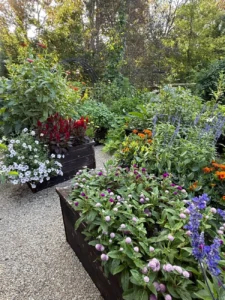
As the sun reaches its zenith and the dog days of summer settle in, many gardeners face a recurring frustration: the “midsummer slump.” While spring bulbs and early summer perennials provide a riot of color, by late July, many landscapes begin to lose their luster, transitioning into a palette of tired greens and fading blooms. However, this seasonal decline is not an inevitability—it is a design challenge.
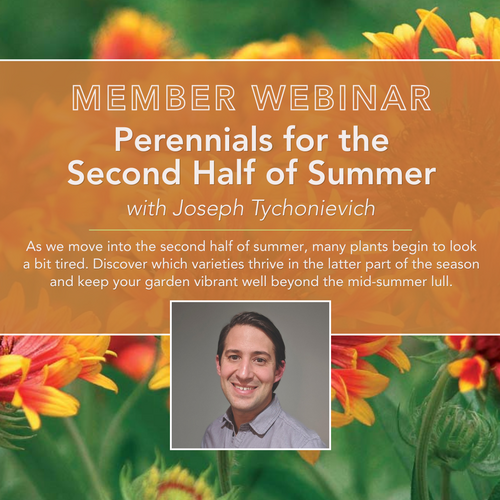
To help gardeners reclaim their outdoor spaces, horticulturist and renowned author Joseph Tychonievich is set to lead a comprehensive live webinar on July 17, 2026, at 9:00 a.m. EDT. This deep dive into the world of late-season perennials aims to equip enthusiasts with the knowledge to extend the vibrance of their gardens from mid-July all the way through the first frost.
The Core Objective: Solving the Midsummer Slump
The primary goal of this upcoming session is to shift the perspective on the late-summer garden. For many, the transition from July to August marks the end of the “peak” season. Tychonievich’s presentation seeks to prove that with the right plant selection and strategic planning, the garden can actually hit its stride during the hottest months of the year.
The webinar will focus on three critical pillars of late-season gardening:
- Fresh Color: Identifying perennials that are biologically programmed to bloom late, providing high-impact color when other plants are dormant.
- Structural Integrity: Selecting plants that offer strong architecture, ensuring the garden maintains form even after the primary blooms have passed.
- Pollinator Appeal: Choosing late-season powerhouses that provide essential nectar sources for bees, butterflies, and other pollinators preparing for the autumn transition.
By mastering these elements, gardeners can transform a garden that “runs out of steam” by August into a dynamic, thriving ecosystem that remains visually arresting until the arrival of winter.
Chronology of the Event: What to Expect
The event is structured to provide both theoretical knowledge and actionable, real-world advice.
- 9:00 a.m. EDT – Introduction: Joseph Tychonievich opens the session by addressing the common physiological stressors that cause many garden plants to fade in the heat of July.
- 9:15 a.m. EDT – The "Late-Season Stars": A curated exploration of specific species. Attendees will learn about varieties that thrive in the heat, including late-blooming Asteraceae, ornamental grasses with late-summer plumes, and heat-tolerant perennials that maintain foliage health through drought conditions.
- 9:45 a.m. EDT – Design and Composition: A segment dedicated to the art of the border. Tychonievich will discuss the principles of color theory in the late garden, how to group plants for maximum visual impact, and the importance of spacing to prevent disease during humid late-summer stretches.
- 10:15 a.m. EDT – Q&A and Troubleshooting: The final portion of the event will allow attendees to submit specific questions about their own garden layouts, soil types, and regional challenges.
Supporting Data: Why Late-Season Planning Matters
The science of horticulture suggests that late-season success is rooted in plant selection that accounts for the lengthening of nights and the accumulation of heat units throughout the season. Many gardeners fail because they over-rely on spring-blooming varieties that have limited energy reserves for secondary flushes.
According to horticultural research, integrating native perennials that naturally bloom in late summer—such as Helenium, Rudbeckia, and Eupatorium—drastically reduces the need for supplemental chemical fertilizers and excessive watering. These plants are evolved to handle the high heat and shifting light levels of late summer. By incorporating these into the garden design, the gardener creates a more resilient system that requires less maintenance over time.
Expert Perspective: Meet the Presenter
Joseph Tychonievich brings a wealth of experience to this webinar. A graduate of The Ohio State University, his career has taken him across the globe, working in rare-plant nurseries from Japan to the Midwest. His unique background—combining the technical rigor of a horticulturist with the artistic sensibilities of an author—makes him a leading voice in the gardening community.
Currently, Tychonievich serves as the editor of the North American Rock Garden Society’s quarterly journal, a role that keeps him at the forefront of plant discovery and conservation. His personal garden in South Bend, Indiana, serves as a living laboratory where he experiments with the very strategies he plans to share with his audience.
Implications for the Modern Garden
The implications of attending this masterclass extend far beyond a single season of improved color. When a garden is designed to be self-sustaining through the end of the year, it benefits the local environment significantly.
Ecological Impact
Late-season flowers are critical for pollinators. As native wildflowers in meadows begin to wane, domestic gardens that feature late-blooming perennials become vital “refueling stations” for migratory butterflies and late-season bee populations. A garden that is “still blooming” is a garden that is “still providing.”

Resource Management
The webinar will also touch upon the importance of water conservation. Using the right perennials for the right microclimate—such as utilizing heat-hardy, deep-rooted species—means less reliance on irrigation. This is particularly relevant given the increasing frequency of midsummer droughts.
The "Everlasting" Garden Philosophy
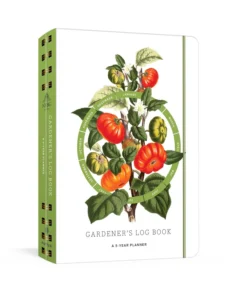
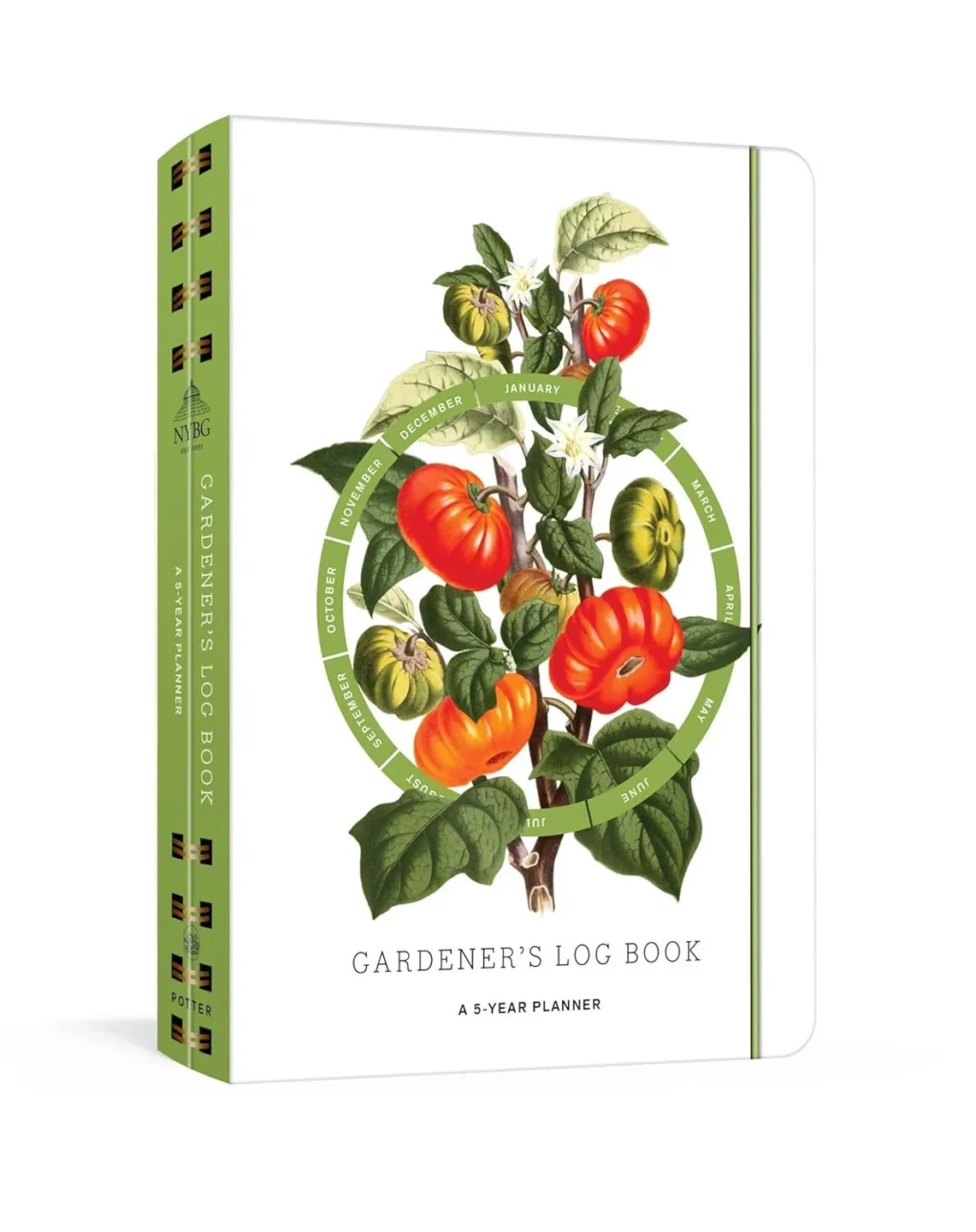
By moving away from the “one-and-done” spring bloom cycle, gardeners develop a deeper connection to the seasonal rhythm of their environment. This shift encourages the use of tools and techniques that foster long-term soil health, such as mulching, proper irrigation (like the recommended Gilmour Soaker Hoses), and meticulous record-keeping (such as the NYBG Gardener’s Log Book).
Recommended Tools for Success
To support the transition toward a more robust late-summer garden, the experts suggest investing in a few foundational items that make the maintenance of a larger, more complex garden manageable.
1. The Gilmour 5/8" x 25′ Round Weeper Soaker Hose
Efficiency is the key to surviving the heat. Unlike overhead sprinklers, which can lead to fungal issues and water evaporation, a weeper hose delivers moisture directly to the root zone. This tool is essential for keeping late-blooming perennials hydrated without wasting water or encouraging leaf spot, a common problem in the humid heat of July and August.
2. The Gardener’s Log Book (NYBG)
The secret to a great garden is accurate record-keeping. The Gardener’s Log Book from the New York Botanical Garden is an essential tool for the dedicated horticulturist. It allows you to track:
- Bloom Windows: Documenting exactly when your plants start and stop blooming so you can fill gaps in future years.
- Soil and Fertilizer Notes: Tracking what works for specific soil pH and fertility levels.
- Seasonal Reminders: Creating a custom calendar for mulching, dividing perennials, and transplanting.
How to Participate
Registration for the July 17, 2026, webinar is currently open. Given the popularity of Tychonievich’s previous sessions, early registration is highly recommended. By signing up, participants will gain access to the live session, the opportunity to have their specific questions addressed by the expert, and a roadmap for transforming their garden into a late-season showstopper.
To secure your spot, visit the official registration page via the link provided on the Fine Gardening event portal. Do not let your garden fade away this year; learn the techniques to keep the color, life, and beauty of your landscape flourishing until the frost finally arrives.
About the Webinar:
- Topic: Late-Season Perennials for Mid- to Late-Summer Color
- Presenter: Joseph Tychonievich
- Date: Friday, July 17, 2026
- Time: 9:00 a.m. EDT
- Registration: Available via the official Zoom portal link on the Fine Gardening website.
By taking the time to learn the specific habits of late-blooming plants, every gardener has the potential to enjoy a vibrant, thriving landscape well into the autumn months. Join us this July to learn how to change your garden for good.