A Symphony of Whimsy and Order: Inside Jonathan’s Thriving Massachusetts Garden
In the quiet town of Millville, Massachusetts, a remarkable horticultural evolution is unfolding. While many suburban landscapes take years to find their rhythm, one particular garden has managed to establish a sophisticated, biodiverse, and visually arresting ecosystem in just its second year. Owned by Jonathan, a local veterinarian with a keen eye for both aesthetic balance and ecological responsibility, this Zone 6 garden serves as a masterclass in how to bridge the gap between structured formal design and the free-spirited charm of a cottage garden.
The Genesis: Establishing a Foundation in Zone 6
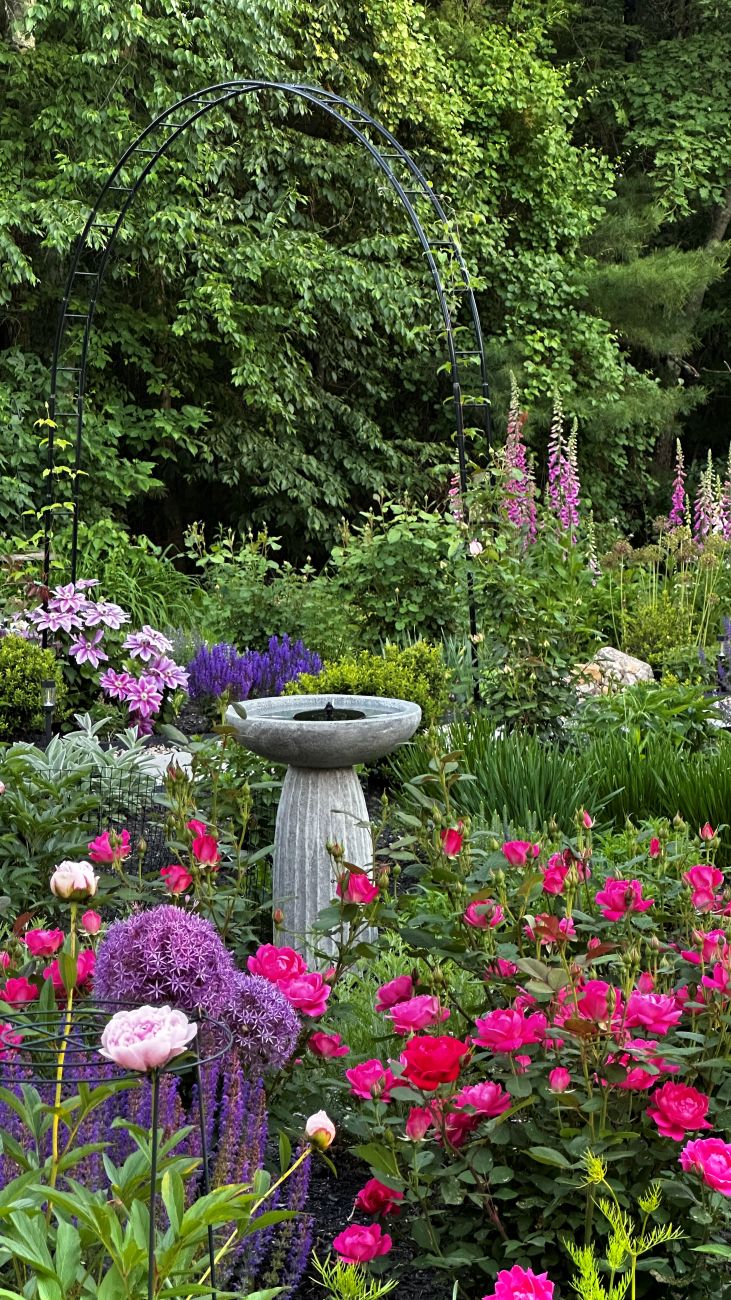
For most gardeners, the first two years of a project are defined by trial, error, and the grueling labor of soil preparation and structural planning. For Jonathan, this period has been an accelerated journey of discovery. His garden is not merely a collection of plants; it is a meticulously curated environment designed to evoke a sense of "whimsy and order."
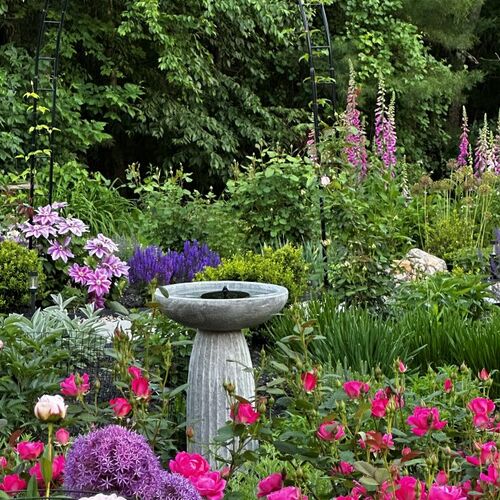
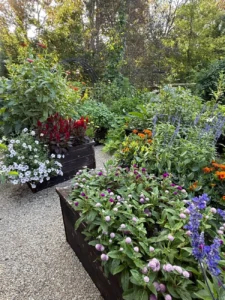
"I am a new gardener, and my zone 6 garden is only in its second year," Jonathan explains. By selecting a color palette rooted in the soft, romantic tones of purples, pinks, and whites, he has created a cohesive visual thread that ties together his diverse plant selections. This restrained color scheme allows the structural differences between his formal borders and his cottage-style plantings to shine without becoming overwhelming.
Chronology of a Pollinator Paradise
The development of the garden has followed a deliberate, layered approach. In the earliest stages, Jonathan focused on establishing the backbone of his landscape—evergreens and woody shrubs—before filling in the gaps with seasonal color.
The Structural Foundation
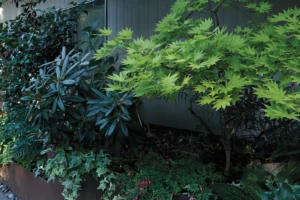
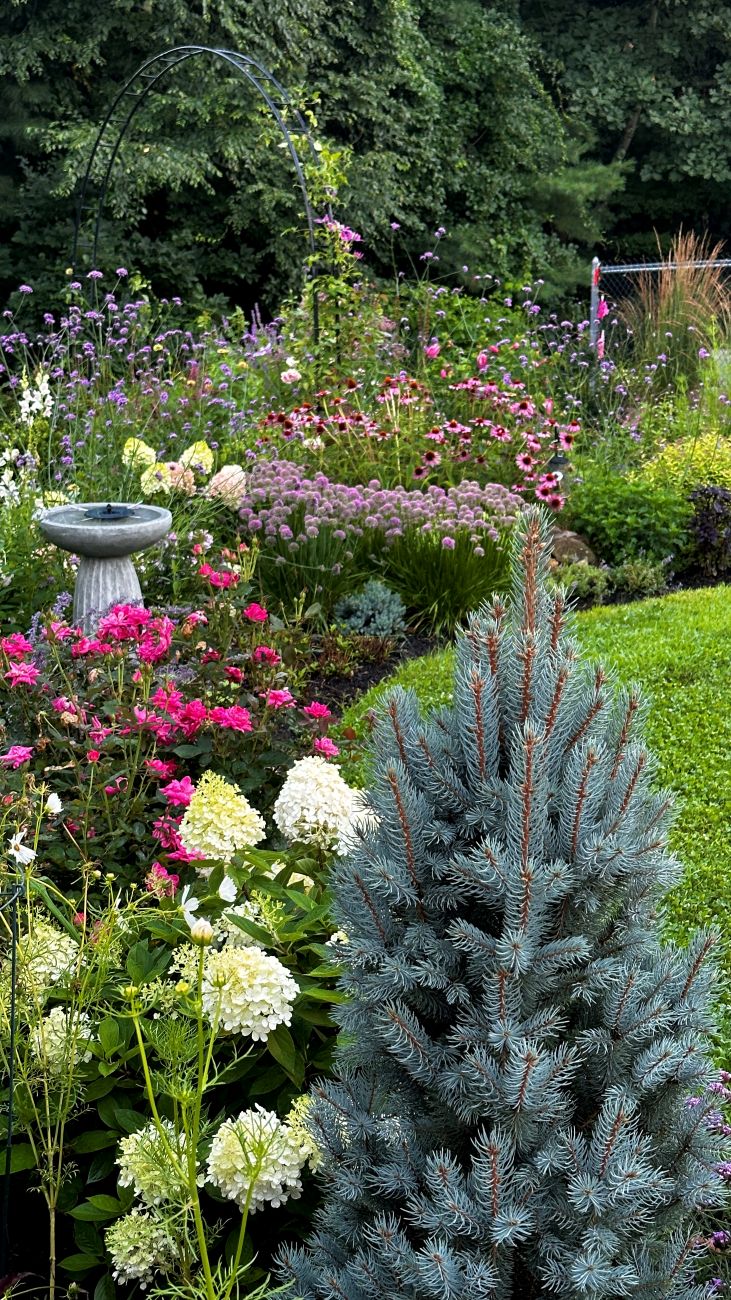
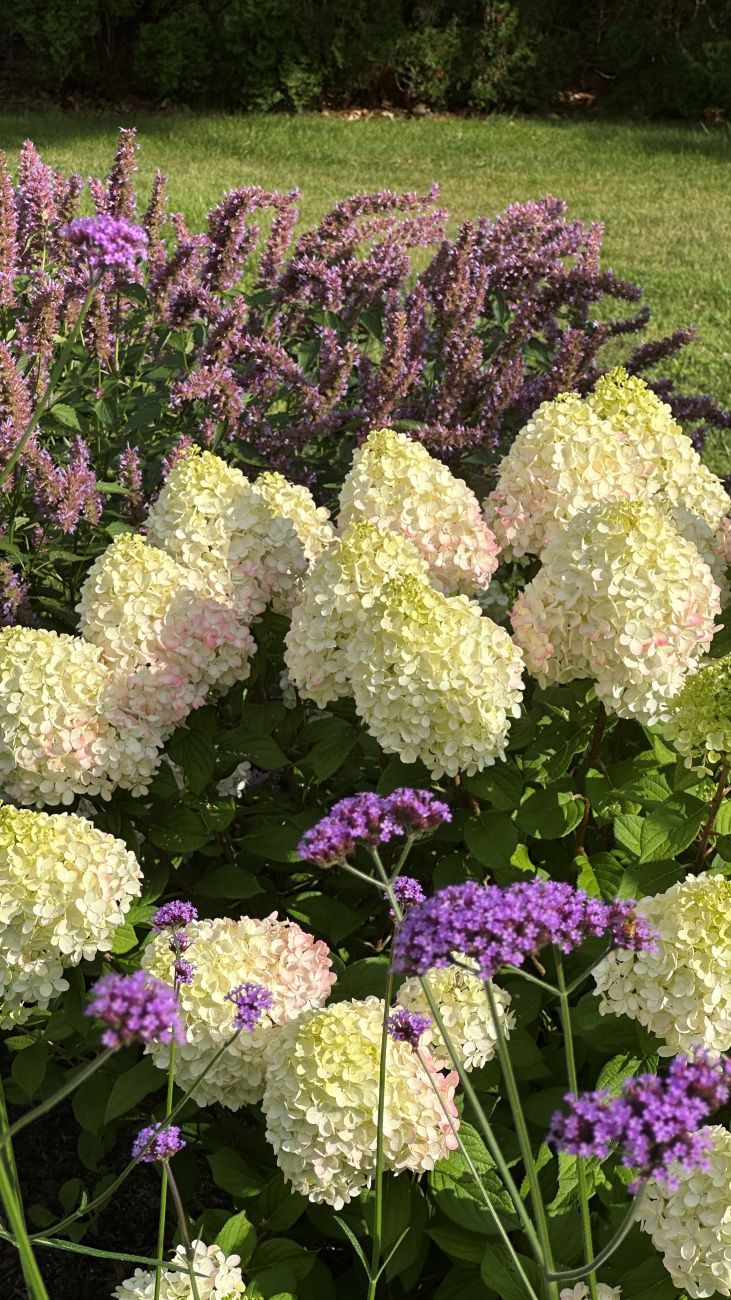
In the foreground of the main border, the vertical interest is anchored by the Picea pungens ‘Iseli Fastigiate’. This blue spruce provides a striking, year-round focal point that offers height and color contrast. Surrounding this are layers of Fire Light Tidbit panicle hydrangeas (Hydrangea paniculata), which offer reliable, late-season blooms that transition from creamy white to deep pinks, perfectly complementing the established color scheme.
The Seasonal Layering
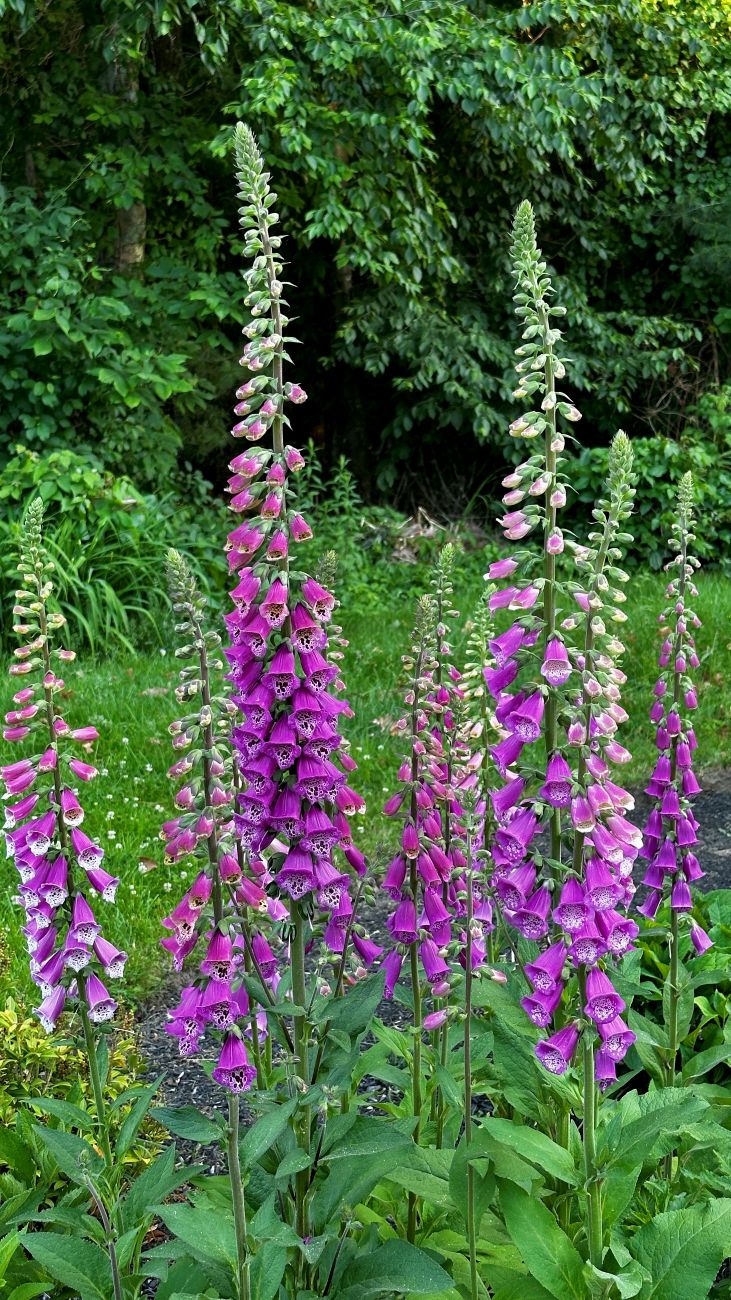
As the season progresses, the garden shifts from a canvas of green foliage to a riot of color. June is a particularly pivotal month, characterized by a transition from spring-blooming perennials to the mid-summer showstoppers. Peonies (Paeonia cvs.) and clematis (Clematis cvs.) define the early summer, while salvias and foxgloves (Digitalis cvs.) provide the vertical spikes necessary for a balanced garden design. Jonathan notes that one of his proudest moments to date was successfully cultivating foxgloves from seed, a testament to his growing proficiency as a gardener.
The Peak of Pollinator Activity
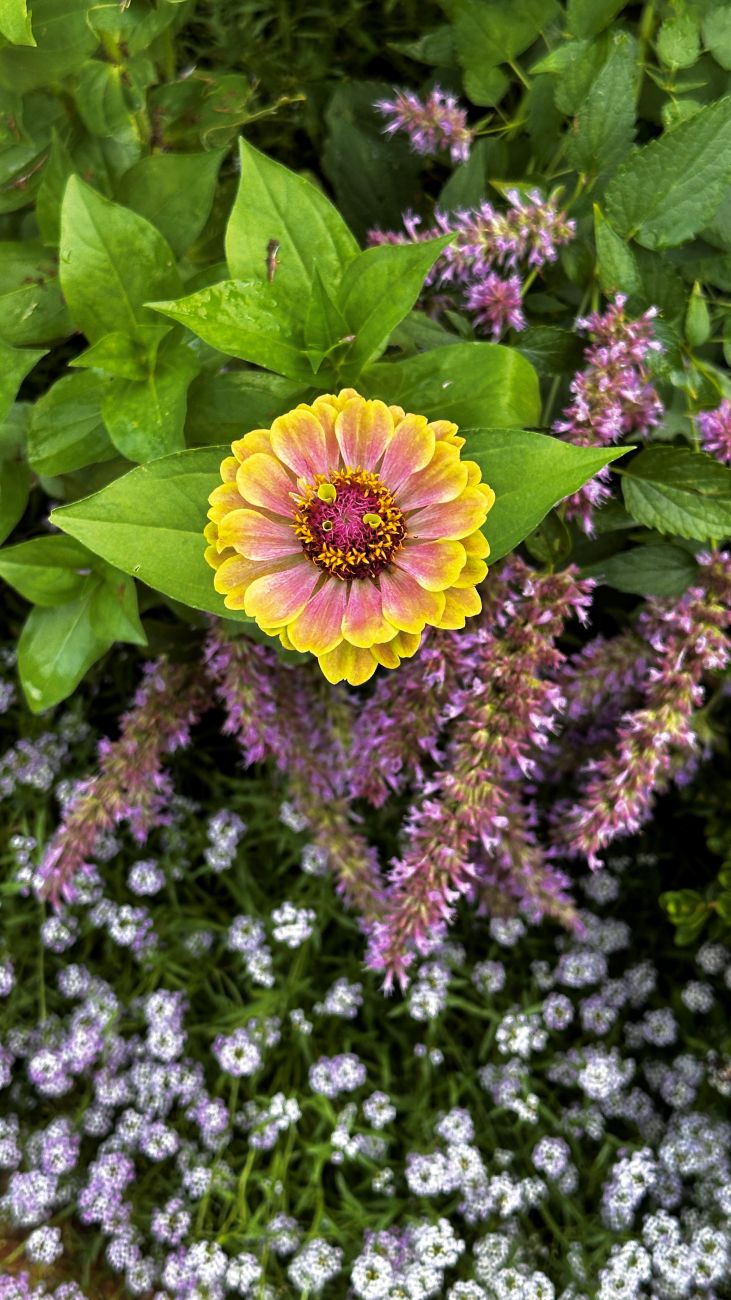
By mid-to-late summer, the garden enters what Jonathan affectionately refers to as "pollinator heaven." This area features high-nectar plants such as Queen Lime Blush zinnias, Beelicious Purple anise hyssop (Agastache ‘Beelicious Purple’), and Royal Carpet sweet alyssum. These plants are not chosen for their appearance alone; they are selected to maximize the garden’s utility for local wildlife.
Supporting Data: Wildlife and Biodiversity
As a veterinarian, Jonathan brings a unique perspective to horticulture. His professional background in animal health informs his approach to land management, prioritizing the wellbeing of the creatures that visit his yard as much as the health of the plants themselves.
"As a veterinarian, it is very important to me that the garden can be enjoyed by wildlife, too," he states. This commitment is evident in his reliance on native and nativar species. By integrating plants that are indigenous to the Massachusetts region, Jonathan ensures that his garden provides essential food and habitat for local pollinators, including bees, butterflies, and hummingbirds.
However, the intersection of wildlife and gardening is not without its conflicts. The primary challenge currently facing the garden is rabbit browsing. In his search for balance, Jonathan has learned that the best defense is a strategic offense: he researches and plants varieties that are generally unpalatable to rabbits. Yet, nature is unpredictable. "I try to choose plants they usually avoid, but sometimes they still surprise me!" he admits. This ongoing negotiation with the local fauna is a reality of organic gardening, forcing the gardener to remain observant and adaptive.
Official Perspectives: The Value of Sustainable Design
The success of Jonathan’s garden aligns with modern horticultural trends that emphasize "resilient landscapes." Experts in the field, such as Thomas Rainer and Claudia West, authors of Planting in a Post-Wild World, argue that the future of gardening lies in creating hybrid environments that draw on the lessons of the wild to sustain the cultivated.
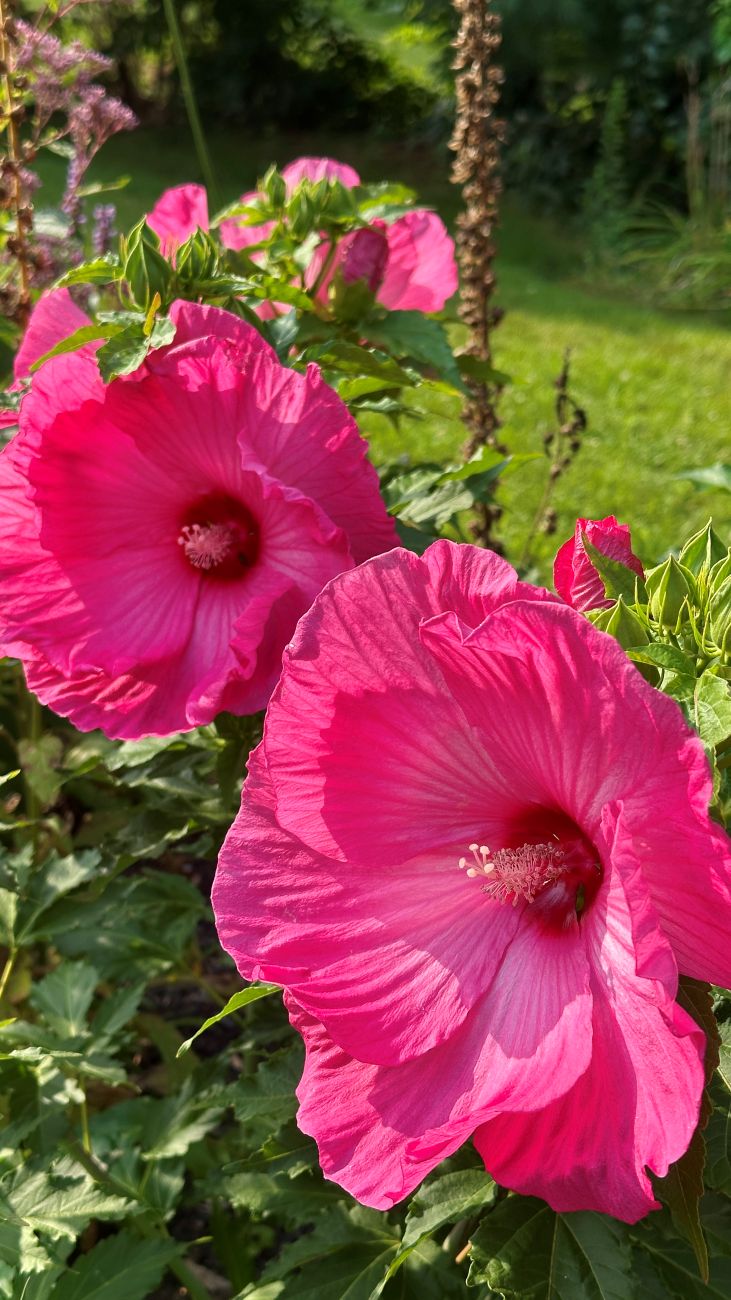
Jonathan’s garden exemplifies this philosophy. By layering ornamental grasses, perennials, and shrubs, he creates a dense plant community that leaves little room for weeds, reduces the need for heavy irrigation, and provides continuous shelter for beneficial insects. The inclusion of hardy hibiscus—specifically the ‘Airbrush Effect’ variety—acts as a late-summer showstopper, proving that even in a small space, high-impact plants can thrive when placed within a well-planned community.
Implications for the Home Gardener
The rapid maturity of Jonathan’s garden offers valuable lessons for beginners and seasoned enthusiasts alike.
- Start with Structure: By investing in trees and shrubs first, a gardener provides the "bones" that allow the garden to look intentional even when perennials are dormant.
- Color Cohesion: By limiting the palette to specific hues, a gardener can mix wildly different plant varieties without the result feeling cluttered or chaotic.
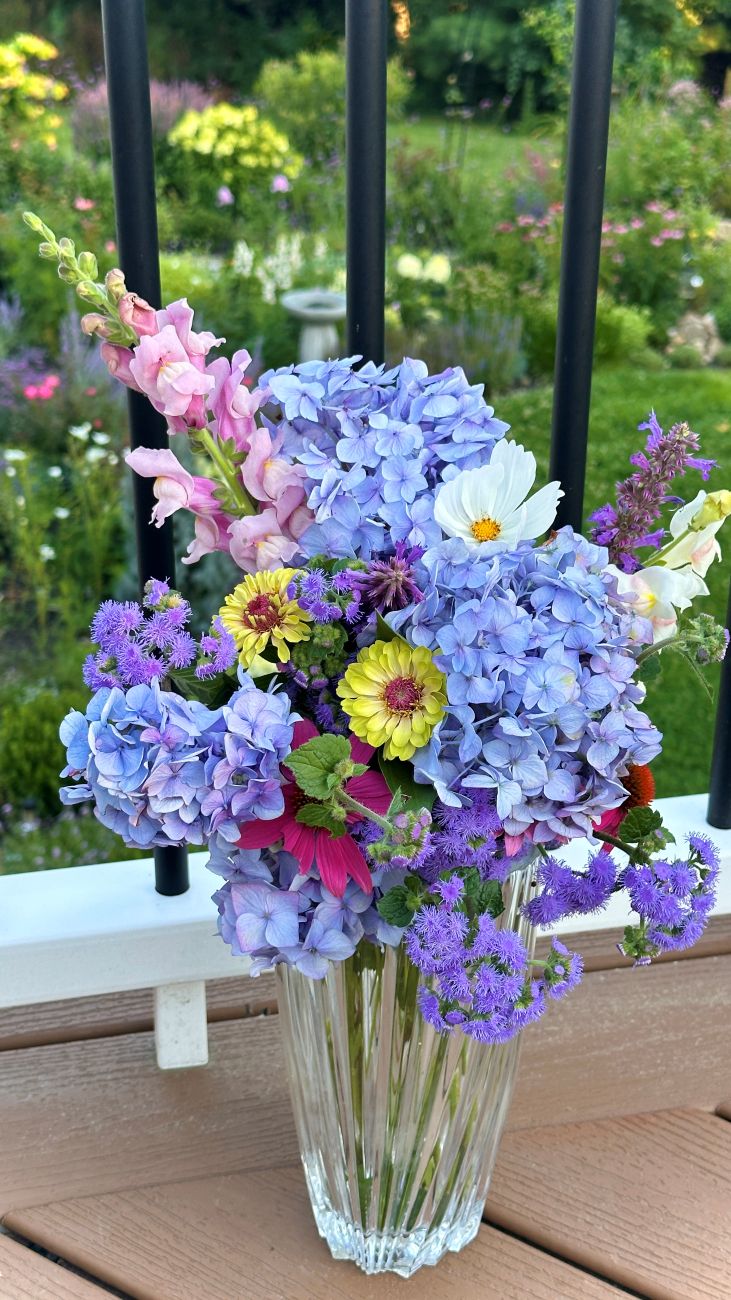
- Bring the Outside In: Jonathan’s philosophy extends beyond the garden gate. He encourages gardeners to "not be afraid to make a bouquet with an abundance of blooms." By harvesting flowers for indoor arrangements, gardeners can extend their enjoyment of their work into the home, fostering a deeper appreciation for the seasonal cycles.
- Seed Propagation: The satisfaction of growing plants from seed—like his foxgloves—cannot be overstated. It is a cost-effective way to fill a garden and creates a stronger personal connection to the landscape.
A Future-Facing Landscape
As the garden moves into its third year and beyond, the focus will likely shift from initial establishment to long-term maintenance and refinement. The ongoing collection of seeds—such as those from his foxgloves—suggests a cycle of self-renewal. This self-sustaining approach is the hallmark of a healthy garden.
For those inspired by Jonathan’s progress, the path forward is clear: start small, prioritize the needs of the local ecosystem, and do not fear the inevitable challenges, whether they be hungry rabbits or unpredictable weather.
Conclusion: An Invitation to Grow
Jonathan’s garden in Millville serves as a reminder that a beautiful, thriving space is not a product of endless wealth or decades of experience; it is a product of observation, passion, and a willingness to learn from the land. Whether it is through the strategic use of Agastache for pollinators or the careful arrangement of Digitalis for structural beauty, his garden is a testament to the rewards of patient, thoughtful cultivation.
As we look at the progress made in just two years, it is clear that this space will only grow more vibrant. For those who wish to follow his journey, Jonathan can be found on Instagram at @jodago.97, where he continues to document the evolving layers of his pollinator heaven.
Resources for the Aspiring Gardener
For those looking to replicate the success seen in this Massachusetts garden, we recommend exploring the following tools and texts:
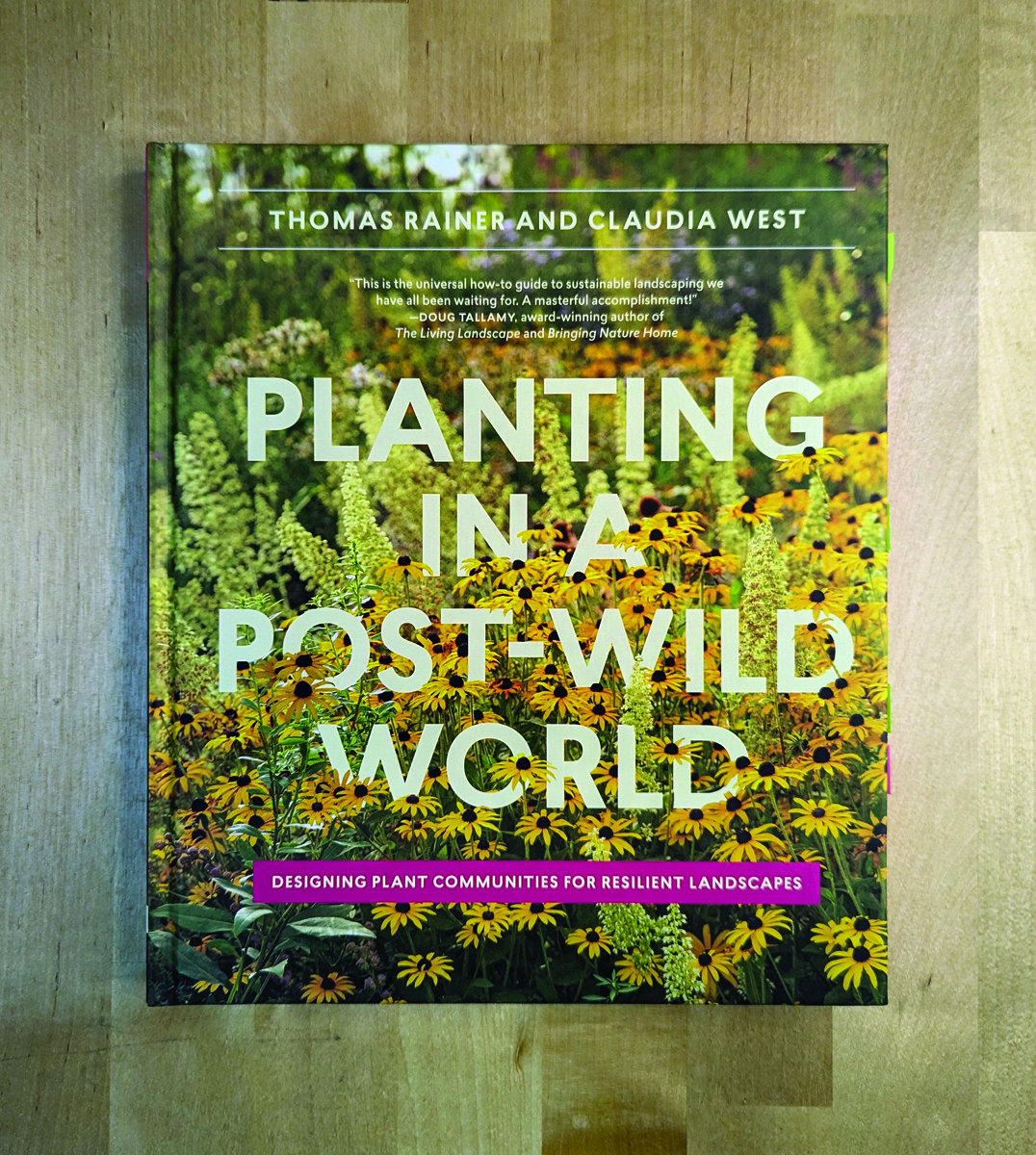
- Design Philosophy: Planting in a Post-Wild World by Thomas Rainer and Claudia West is essential reading for anyone interested in creating resilient, nature-focused landscapes that stand the test of time.
- Maintenance: A high-quality tool set, such as the Scotts Cordless Grass-Shear/Shrub-Trimmer, can make the difference between a chore and a joy when maintaining garden borders.
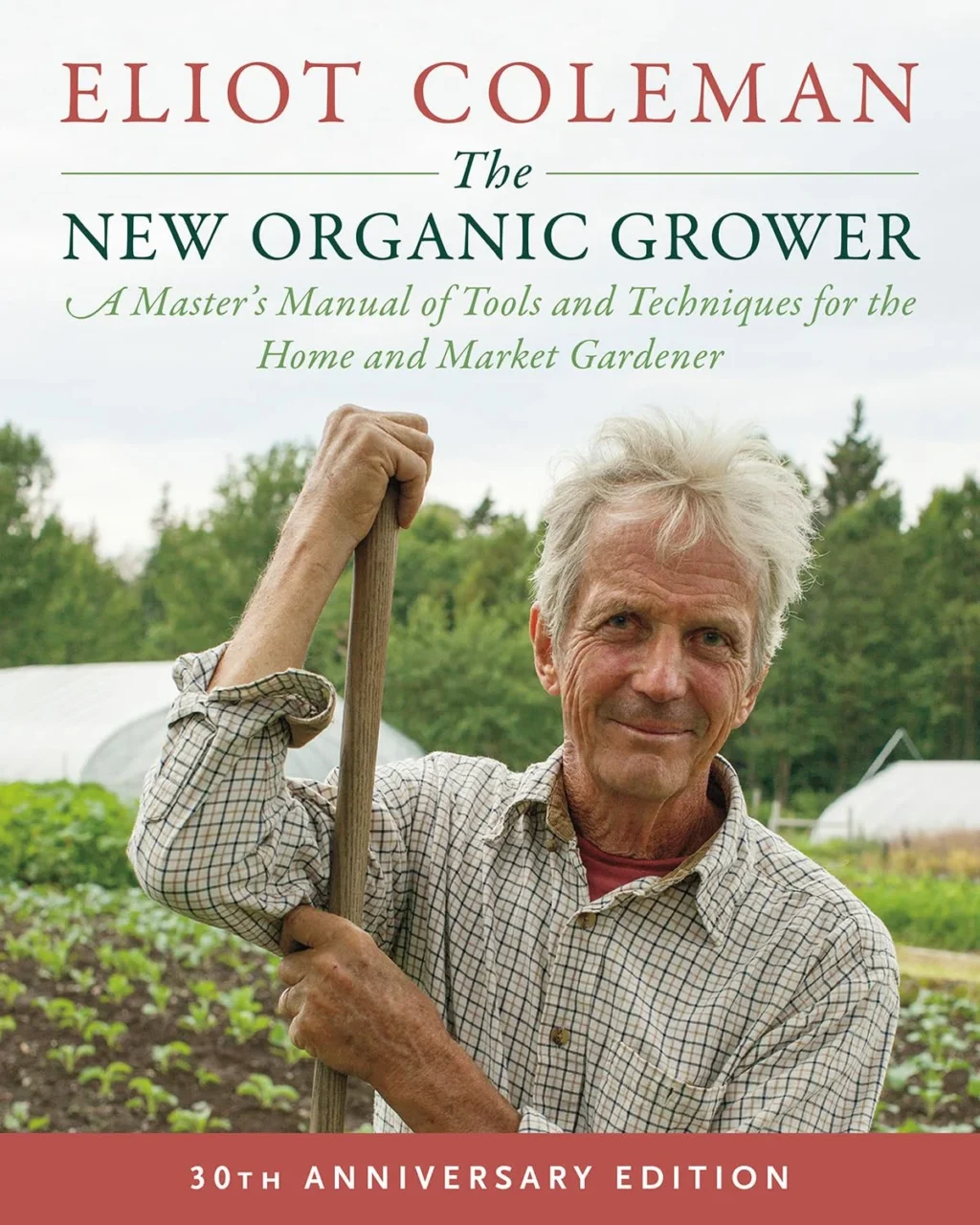
- Technique: For those looking to master the craft, The New Organic Grower by Eliot Coleman provides the foundational knowledge required for sustainable, high-yield gardening at home.
By utilizing these resources and embracing the principles of biodiversity and structure, every gardener has the potential to turn their backyard into a sanctuary of their own design.