The Ultimate Guide to Chipotle Chicken: Streamlining Your Meal Prep Strategy
In the modern culinary landscape, the intersection of health, convenience, and flavor is where the most successful home-cooking strategies reside. For those juggling professional demands with personal wellness goals, the "Chipotle Chicken for Burrito Bowls" recipe stands out as a masterclass in efficiency. By transforming a simple protein source into a versatile, freezer-ready staple, this dish allows home cooks to maintain high nutritional standards without sacrificing their limited time.
Main Facts: The Intersection of Nutrition and Convenience
At its core, this Chipotle Chicken recipe is designed for the modern "batch prepper." It is a high-protein, moderate-fat solution tailored for individuals who need to automate their lunch or dinner routines. With 44 grams of protein per serving and a lean profile of just 309 calories, this dish is scientifically engineered to support muscle recovery and satiety.
The beauty of this specific preparation lies in its "freezer-friendly" architecture. Unlike many chicken preparations that dry out or lose structural integrity upon thawing, this recipe is crafted to withstand the rigors of sub-zero temperatures. It is a cornerstone for what many enthusiasts call "Snack City"—a dedicated section of the freezer stocked with grab-and-go meals that prevent the reliance on expensive, processed takeout.
Chronology: From Marinade to Meal-Ready
Achieving the perfect Chipotle Chicken requires a disciplined approach to time management. The process is broken down into four distinct phases:
Phase 1: Preparation (10 Minutes)
Efficiency begins with organization. The preparation phase involves creating a marinade that infuses the chicken with the deep, smoky heat of chipotle peppers. This phase is about mise en place—ensuring your spices, liquids, and aromatics are perfectly balanced to penetrate the protein fibers.
Phase 2: The Infusion (3 Hours)
The "secret" to the flavor profile is the three-hour marinating window. During this time, the acidic and enzymatic components of the marinade work to tenderize the chicken, ensuring that even after a stint in the freezer and a reheat in the microwave, the texture remains succulent. This is a non-negotiable step for those seeking restaurant-quality results at home.
Phase 3: Thermal Processing (30 Minutes)
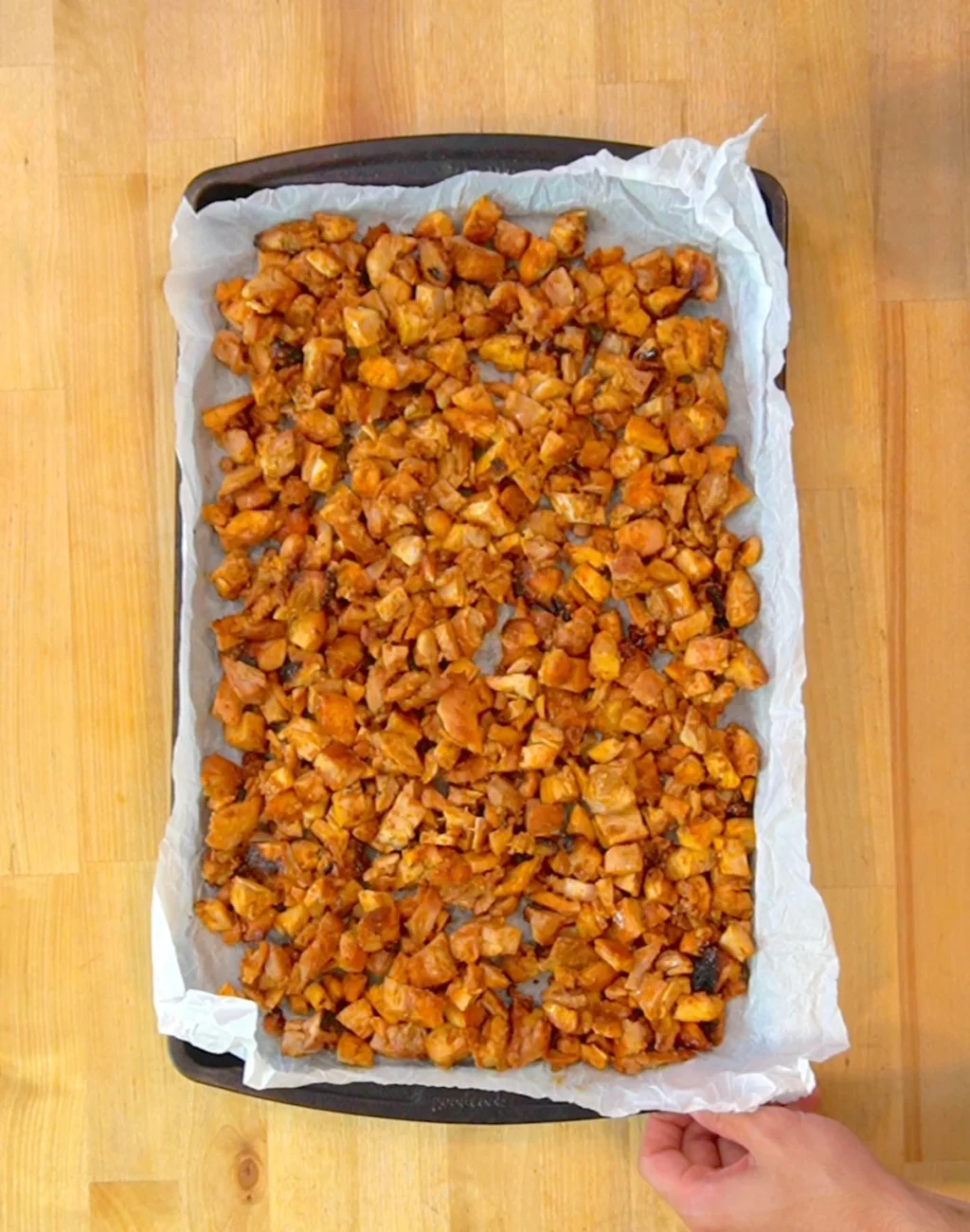
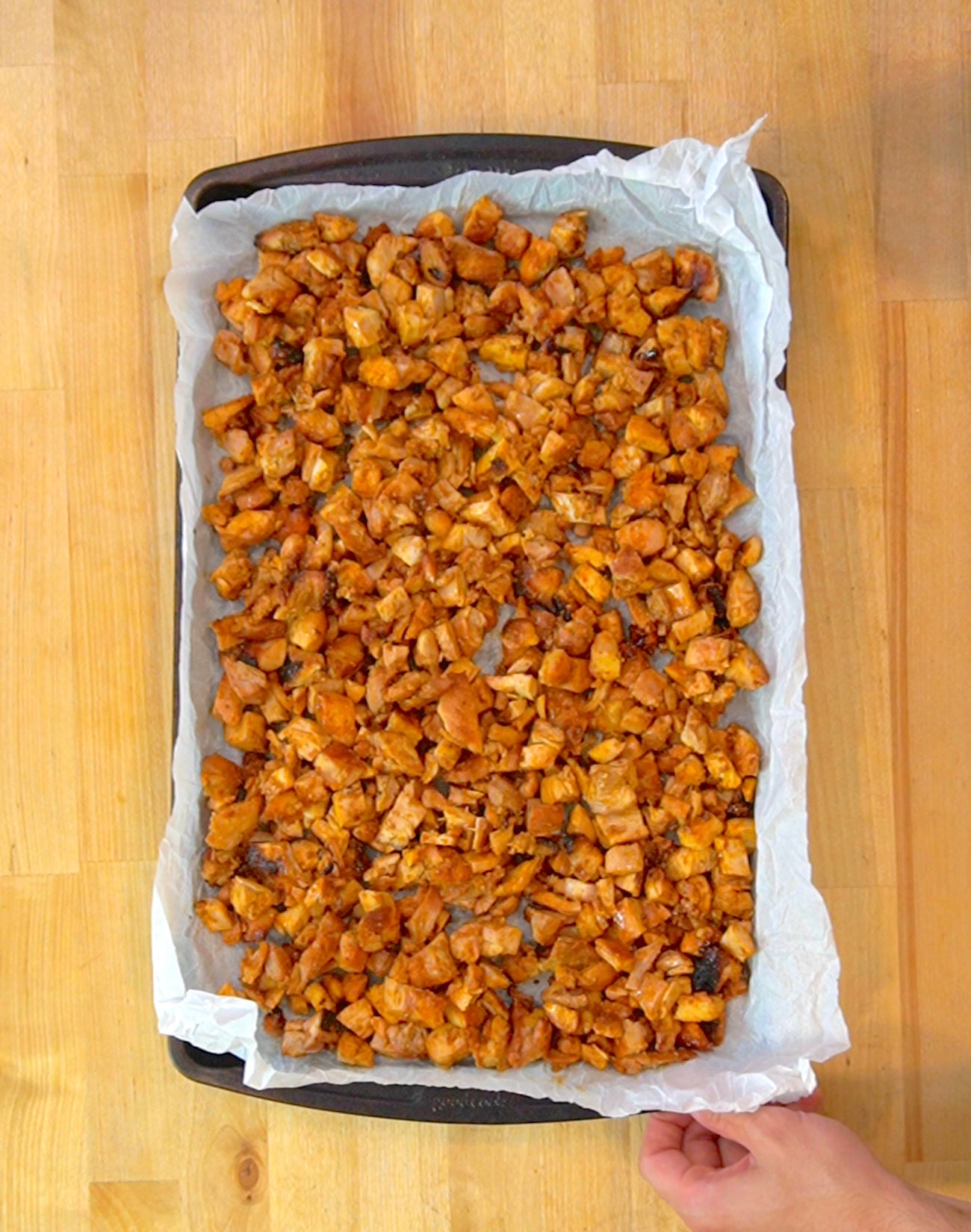
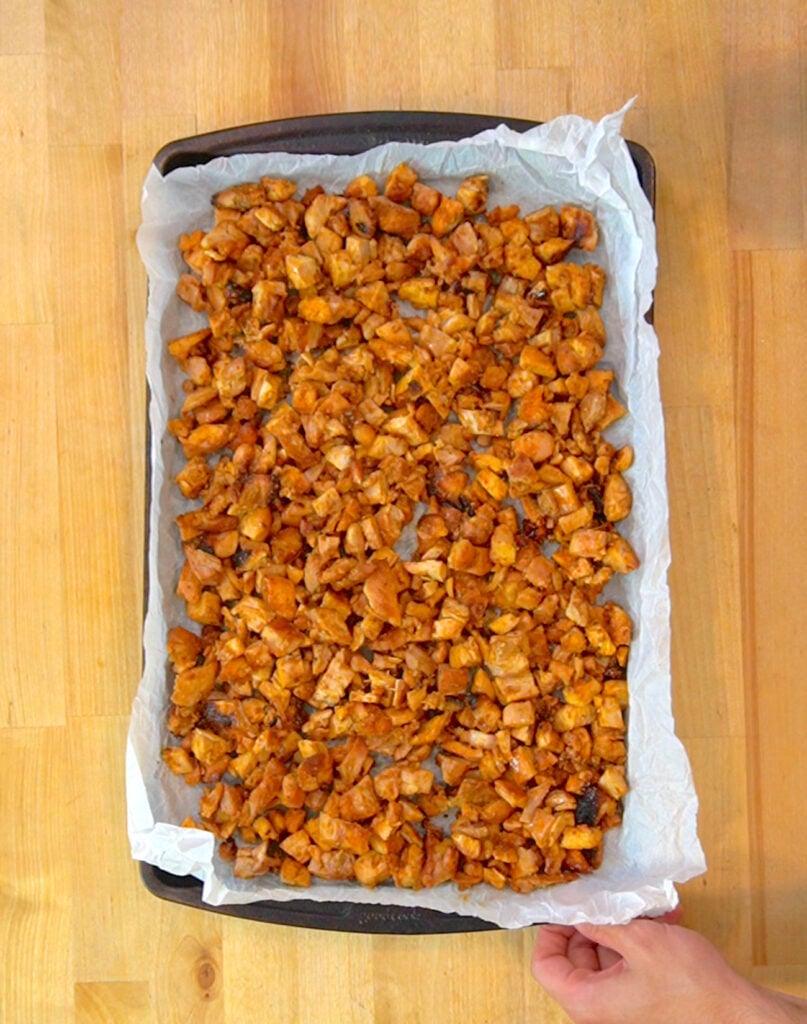
The cooking phase is designed for speed. Whether using a high-heat grill, a cast-iron skillet, or a standard oven, the goal is to achieve a slight char on the exterior while maintaining a moist interior. Cooking for 30 minutes ensures the chicken is cooked through without becoming rubbery.
Phase 4: Cool-Down and Portioning
Once cooked, the chicken must be allowed to rest. Rapid cooling followed by precise portioning into ten distinct containers is the final step in the chronology. This ensures that when the time comes to pull a meal from the freezer, it is already portion-controlled and ready for immediate consumption.
Supporting Data: Nutritional Integrity
For the health-conscious consumer, transparency in macronutrients is paramount. The following breakdown illustrates why this recipe has become a staple for fitness enthusiasts:
| Nutrient | Amount per Serving |
|---|---|
| Calories | 309 kcal |
| Protein | 44g |
| Carbohydrates | 3.4g |
| Fat | 13g |
| Fiber | 1.28g |
These figures highlight a high-protein, low-carbohydrate profile, making the recipe an ideal candidate for those following ketogenic, low-carb, or high-protein lifestyle protocols. The low carbohydrate count—just 3.4 grams—provides the home cook with the flexibility to add their own complex carbohydrates, such as brown rice, quinoa, or black beans, during the final assembly of the burrito bowl, allowing for full customization of daily caloric intake.
Official Perspective: The Art of the "Batch"
When analyzing the methodology behind this recipe, it becomes clear that it is more than just a list of ingredients—it is a system. The "Meal Prep Manual" philosophy centers on the idea that willpower is a finite resource. By batching 10 servings at once, the cook effectively offloads the decision-making process for the next week and a half.
By removing the "What am I going to eat?" question from the daily routine, the cook reduces the cognitive load associated with nutrition. This is an official, albeit practical, response to the rise of food delivery apps. Rather than opting for a $15 burrito bowl laden with hidden sugars and excessive sodium, the user consumes a controlled, cost-effective, and nutrient-dense alternative prepared in their own kitchen.
Implications for the Home Cook
The implications of adopting a Chipotle Chicken batch-prep routine are multifaceted, impacting both the wallet and the waistline.
Financial Sustainability
By purchasing chicken in bulk and leveraging pantry staples, the cost per serving is significantly lower than retail alternatives. Over the course of a year, this strategy can result in savings that accumulate into the hundreds, if not thousands, of dollars.
Nutritional Control
The most significant implication is the absolute control over ingredients. Commercial burrito bowls are notoriously high in sodium and often utilize low-quality cooking oils. By preparing the chicken at home, the cook ensures that only high-quality fats are used and that sodium levels are kept within a healthy range, preventing the bloating and energy crashes often associated with restaurant meals.
Culinary Versatility
While the focus here is on "Burrito Bowls," the culinary implications extend further. This chicken can be repurposed into tacos, salads, wraps, or even high-protein nachos. The smoky chipotle flavor is a versatile profile that complements a wide array of toppings, from fresh cilantro and lime to pickled onions and avocado.
The Psychology of Success
Perhaps the most profound implication is the psychological shift. Having a freezer stocked with healthy, ready-to-eat food changes the relationship with hunger. When hunger strikes, the path of least resistance is no longer the drive-thru; it is the freezer. This creates a sustainable loop of success where the cook is consistently rewarded for their initial effort, reinforcing the habit of meal preparation until it becomes an automated, effortless part of their lifestyle.
Conclusion
The "Chipotle Chicken for Burrito Bowls" is not merely a recipe; it is an infrastructure for a healthier life. By focusing on high-protein, batch-ready preparation, it solves the most common barriers to healthy eating: time, cost, and complexity. Whether you are a busy professional, a dedicated athlete, or someone simply trying to reclaim their health, the system described here provides a clear, actionable, and delicious roadmap to achieving your goals.
As you embark on your next kitchen session, remember that the 3 hours of marinating and the 30 minutes of cooking are an investment. They are an investment in the version of yourself that arrives home after a long day and chooses a high-protein, home-cooked meal over a compromise. In the world of meal prep, consistency is the ultimate currency—and with this recipe, you are well on your way to becoming a very wealthy chef indeed.