Unlocking Hair Growth: The Surprising Role of Diet, Gut Health, and Everyday Foods
Introduction: A New Frontier in Hair Loss Management
For millions worldwide, the progressive thinning and loss of hair, particularly on the central scalp, is more than just a cosmetic concern; it’s a chronic condition with significant psychological impact. Known medically as androgenetic or androgenetic alopecia – male pattern hair loss in men and female pattern hair loss in women – this pervasive issue is one of the most common chronic problems encountered by dermatologists. While conventional treatments often involve pharmaceuticals and topical solutions, a growing body of research is shedding light on an intriguing, yet often overlooked, dimension: the profound role of diet, gut health, and specific everyday foods in influencing hair growth. Emerging studies suggest that simple dietary additions, such as hot peppers, soy foods, and pumpkin seeds, may offer a promising, natural avenue for combating hair loss, challenging long-held assumptions about its causes and potential remedies.
This article delves into the scientific exploration of dietary interventions for hair loss, moving beyond anecdotal claims to examine robust evidence from human studies. From the remarkable insights offered by the human microbiome to the targeted effects of specific plant compounds, we explore how what we eat, and how our bodies process it, could be a powerful tool in the battle against balding.
Main Facts: Dietary Interventions Emerge as a Viable Strategy
The core revelation from recent scientific inquiry points to a surprising connection between our dietary choices, the health of our gut microbiome, and the vitality of our hair follicles. Researchers have identified several key dietary components and lifestyle factors that appear to either exacerbate or alleviate androgenetic alopecia.
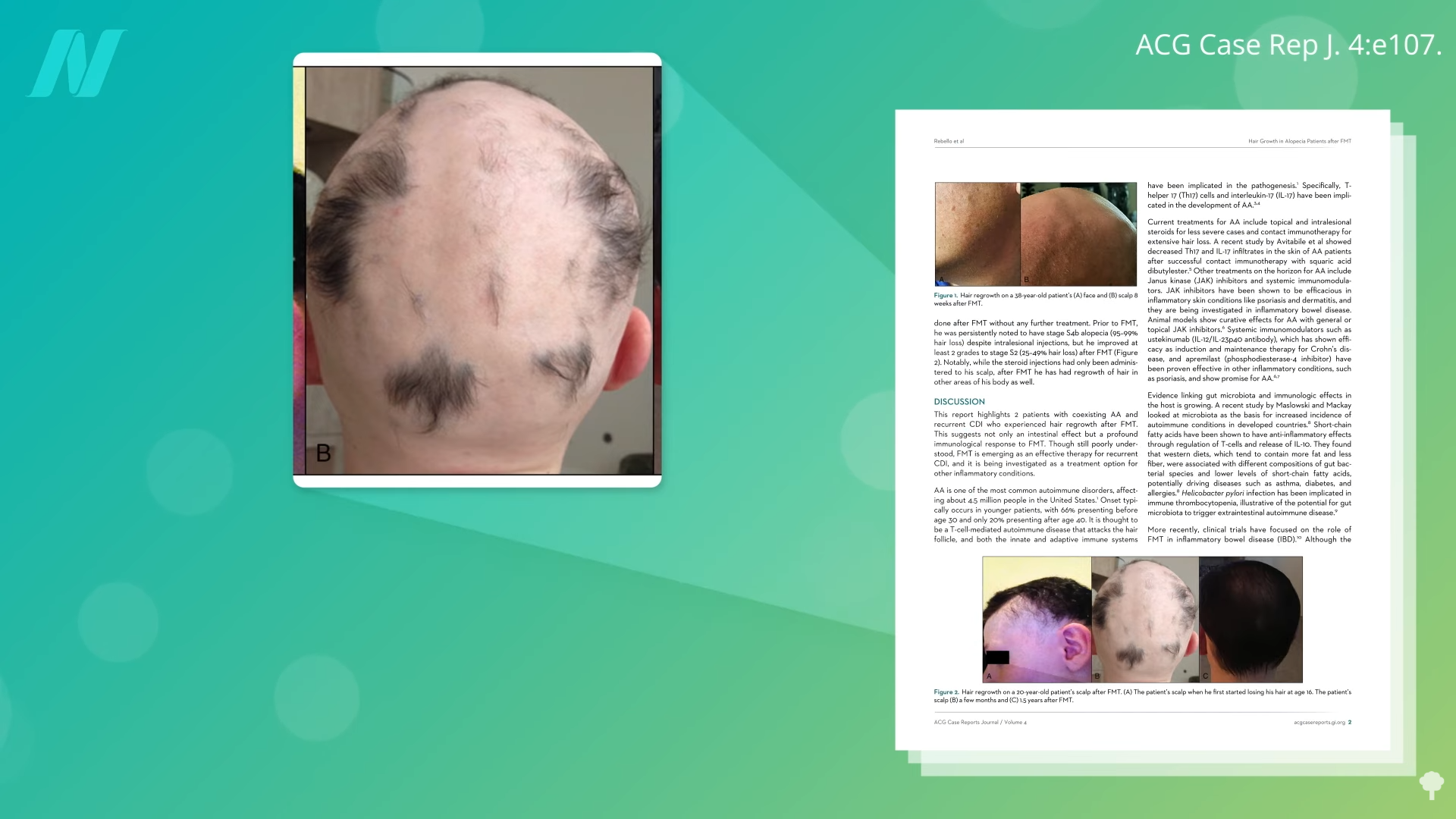
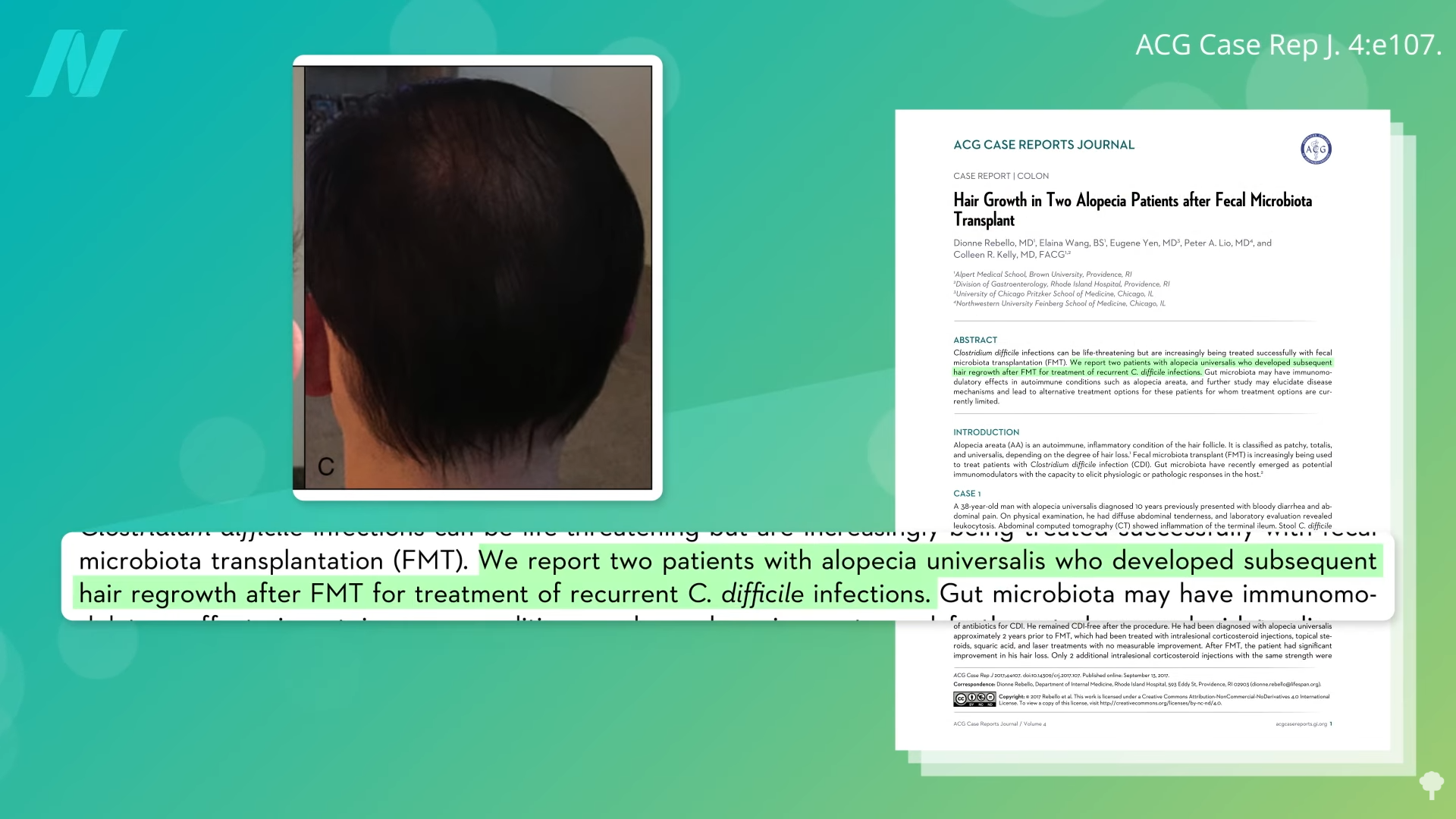
Firstly, the burgeoning field of microbiome research provides compelling, albeit unusual, evidence. A notable case involved a fecal transplant leading to significant hair regrowth in a previously bald individual, underscoring the powerful, yet still largely mysterious, influence of gut bacteria on systemic health, including hair production.
Secondly, large-scale population studies have established a clear correlation between certain lifestyle habits and hair loss patterns. These investigations reveal that poor sleeping habits, coupled with the frequent consumption of meat and junk food, are associated with an increased risk of male pattern baldness. Conversely, diets rich in raw vegetables, fresh herbs, and soy milk have demonstrated protective associations, suggesting that plant-based nutrients could play a crucial role in maintaining hair health.

Beyond general dietary patterns, specific plant-derived compounds have undergone rigorous clinical testing. Randomized, double-blind, placebo-controlled studies – the gold standard in medical research – have highlighted the efficacy of two distinct dietary interventions:
- Capsaicin (from hot peppers) combined with Soy Isoflavones: This combination has been shown to significantly promote hair growth in both men and women.
- Pumpkin Seed Oil: Daily supplementation with pumpkin seed oil has resulted in a notable increase in hair counts for men experiencing male pattern baldness.
These findings represent a significant shift, offering evidence-based, accessible, and potentially safer alternatives or complements to existing hair loss treatments, with a focus on whole foods and natural compounds.
Chronology: Tracing the Path to Dietary Discovery
The journey to understanding the dietary link to hair loss has evolved through several stages of scientific inquiry, from observational clues to controlled clinical trials.
The Prevalence and Impact of Androgenetic Alopecia
Androgenetic alopecia is a hereditary condition primarily driven by a sensitivity to dihydrotestosterone (DHT), a potent androgen. In men, it typically manifests as a receding hairline and thinning at the crown, while in women, it presents as diffuse thinning over the top of the scalp, often sparing the frontal hairline. Its prevalence makes it a constant focus for dermatologists, who are continuously seeking more effective and less invasive treatment options. The psychological toll of hair loss often extends beyond vanity, impacting self-esteem and quality of life for many individuals. This widespread impact fuels the ongoing search for diverse therapeutic strategies, including the exploration of nutritional avenues.
Early Clues: The Gut Microbiome and Unexpected Regrowth
One of the most astonishing pieces of evidence hinting at the systemic influence on hair health emerged from an unexpected source: fecal microbiota transplantation (FMT). While FMT is primarily used to treat recurrent Clostridioides difficile infection, reports have surfaced of profound, incidental improvements in other conditions. Notably, one documented case involved a completely bald individual who experienced remarkable hair regrowth within months after undergoing a fecal transplant. This dramatic transformation, captured in before-and-after images, strongly suggested that the recipient’s altered gut microbiome played a pivotal role in restoring hair follicles.
While the "moral of the story" is not to consider such an extreme measure for hair loss, this singular, powerful observation underscored the immense, often underestimated, power of our gut bacteria. It provided a compelling, if indirect, clue that maintaining a healthy, balanced gut microbiome could have far-reaching effects on various bodily functions, including the intricate processes governing hair growth. This opened a new line of inquiry into how diet, by influencing the gut, might impact hair health.
Population Studies: Uncovering Dietary Associations
Building on these early indications, researchers turned to large-scale population studies to identify broader dietary and lifestyle patterns associated with hair loss. These observational studies, while not proving causation, offered valuable insights into potential risk and protective factors.
Findings consistently pointed to a connection between modern dietary habits and hair loss. Male pattern baldness was found to be statistically associated with lifestyle choices such as poor sleeping habits and, significantly, the regular consumption of meat and processed junk foods. These dietary patterns are often linked to inflammation, gut dysbiosis, and hormonal imbalances, all of which could theoretically contribute to hair follicle dysfunction.
Conversely, the studies identified protective associations with healthier dietary choices. Frequent consumption of raw vegetables, fresh herbs, and especially soymilk, appeared to be linked to a lower incidence or severity of hair loss. One study specifically noted that drinking soy beverages on a weekly basis was associated with a 62% lower odds of moderate to severe hair loss. These observations strongly suggested the presence of beneficial compounds within plant-based foods that could exert a protective effect on hair follicles, prompting further investigation into their specific mechanisms.
Navigating the Landscape of Alternative Medicine Claims
The natural desire for non-pharmaceutical solutions to hair loss has unfortunately led to a proliferation of "complementary and alternative medicine" (CAM) treatments. Many of these boast claims of safely "curing" hair loss with "fewer side effects" than conventional medicine. However, as medical professionals caution, it is crucial "to look beyond the overarching claims and marketing to critically review the literature."
A significant challenge in evaluating such claims lies in the quality of the supporting research. Many studies cited to support CAM treatments often have little relevance to human conditions, relying on evidence obtained from animal models, such as shaved rodents, which may not translate to human physiology. Furthermore, even when human clinical studies are conducted, they frequently lack essential scientific rigor, such as a placebo control group. Without a placebo group, it becomes impossible to determine whether any observed improvements are due to the treatment itself or merely the placebo effect, natural variations in hair cycles, or other confounding factors. This highlights the critical importance of rigorous, well-designed clinical trials for establishing true efficacy.
Supporting Data: The Evidence for Specific Foods
Amidst the landscape of unsubstantiated claims, robust scientific studies have emerged, providing credible evidence for the hair-growth-promoting effects of specific food compounds. These studies, conducted with the highest standards of clinical research, offer tangible hope for dietary interventions.
Hot Peppers and Soy: A Synergistic Effect
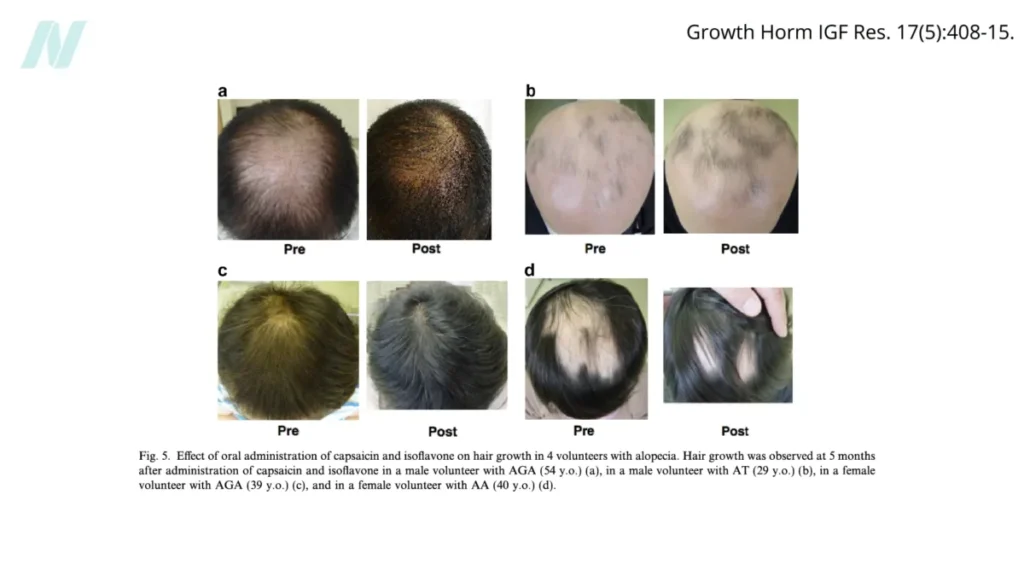
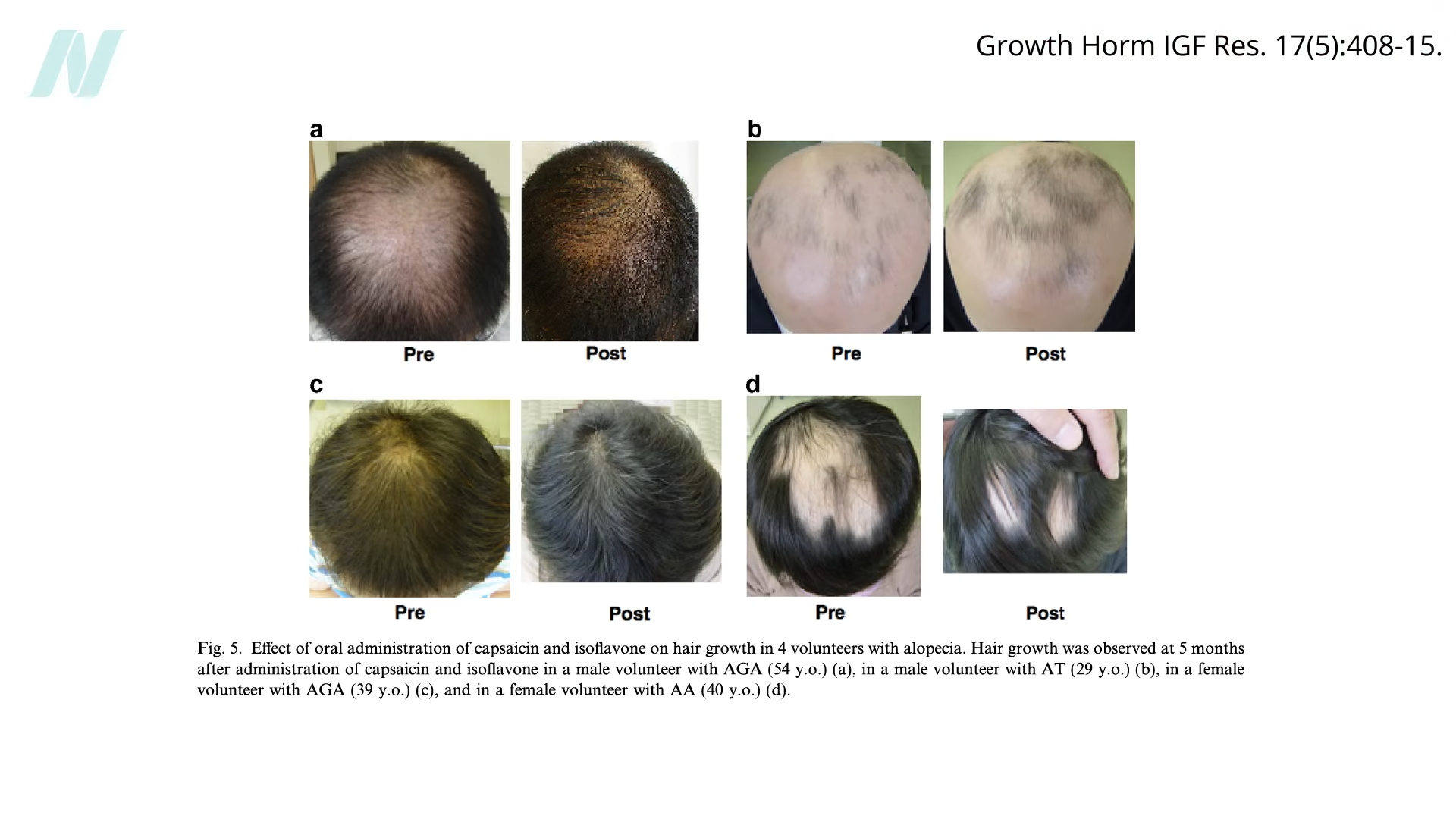
One of the most compelling pieces of evidence comes from a randomized, double-blind, placebo-controlled study investigating the combined effects of compounds found in hot peppers and soy. This trial demonstrated a significantly higher promotion of hair growth in participants receiving the active compounds compared to those on placebo. The study’s results were visually striking, with before-and-after pictures illustrating visible improvements in hair density and coverage in both men and women.
The key active ingredients were:
- Capsaicin: The pungent compound responsible for the heat in chili peppers. Participants received 6 milligrams of capsaicin daily. To put this into a real-food context, 6 milligrams of capsaicin can be obtained from just a quarter of a fresh jalapeño pepper, making it a very achievable dietary inclusion. Capsaicin is known for its ability to stimulate blood flow, which could enhance nutrient delivery to hair follicles, and may also have anti-inflammatory properties beneficial for scalp health.
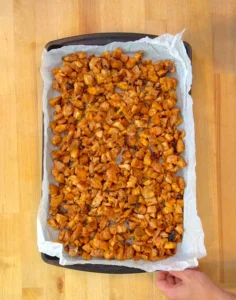
- Soy Isoflavones: These are plant compounds found in soy products, known for their phytoestrogenic properties. Participants received 75 milligrams of isoflavones daily. This dose is equivalent to approximately three-quarters of a cup of tempeh or straight soybeans. While soy nuts (dry-roasted soybeans) offer a more concentrated source, caution is advised against routinely consuming high-fat, high-protein foods prepared at high temperatures due to the potential formation of advanced glycation end-products (AGEs), which are linked to various health issues. Isoflavones may exert their hair-protective effects by modulating hormone activity, potentially inhibiting enzymes involved in the conversion of testosterone to DHT, a primary driver of androgenetic alopecia.
The combination of these compounds suggests a synergistic approach, where capsaicin enhances local circulation and cellular activity, while soy isoflavones address hormonal pathways.
Pumpkin Seed Oil: A Seed of Hope
Another significant breakthrough involves pumpkin seed oil, which has also been the subject of a randomized, double-blind, placebo-controlled trial for hair loss. The idea for this intervention initially stemmed from research into benign prostatic hyperplasia (BPH), or enlarged prostate glands.
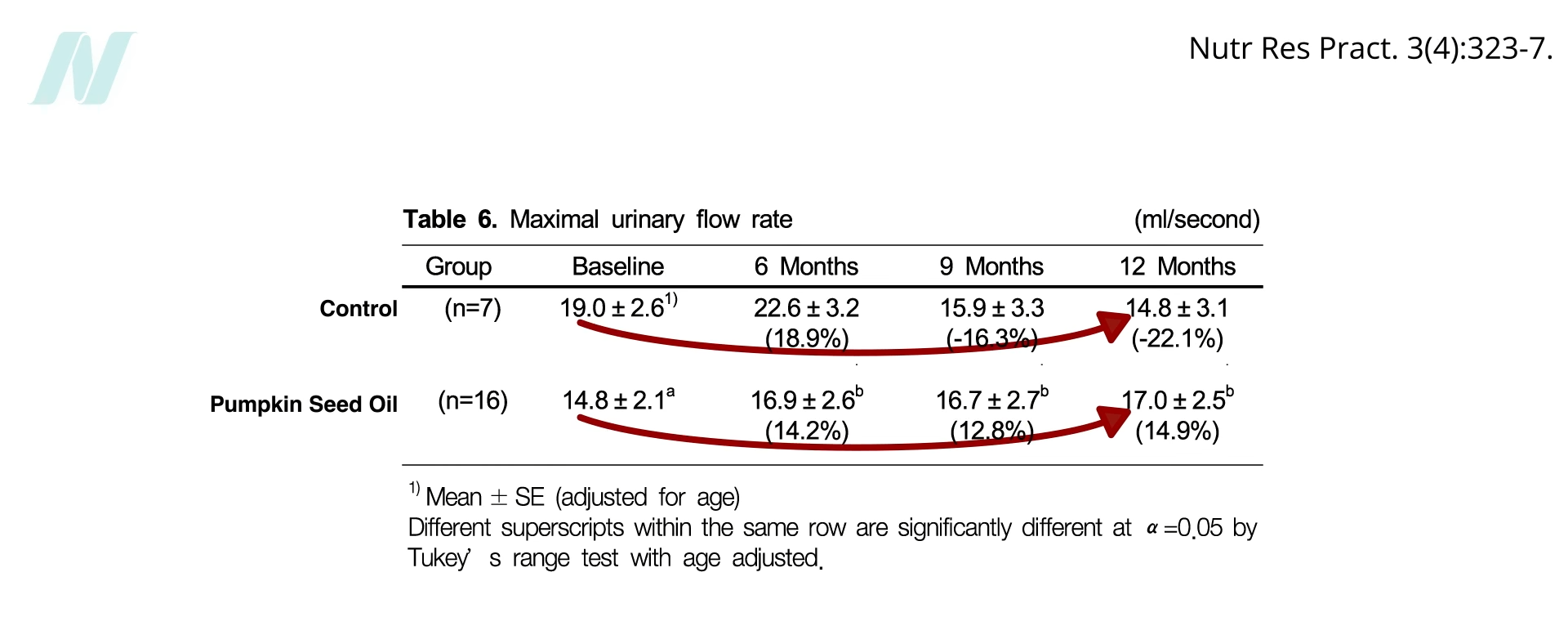
In 2009, a study from South Korea found that men with BPH who took just 320 milligrams of pumpkin seed oil daily (an incredibly small amount, equivalent to about a sixteenth of a teaspoon or just a few drops) experienced improved urinary flow rates. The control group, without supplementation, saw their urinary flow continue to decline, while those receiving pumpkin seed oil showed significant improvement. This effect was attributed to the oil’s anti-androgen properties, meaning it could interfere with the actions of male hormones, particularly DHT, which plays a role in both BPH and androgenetic alopecia. The observed improvement in BPH suggested a potential mechanism for hair loss treatment, as DHT is a key contributor to follicle miniaturization.
While topical application of pumpkin seed oil showed promise in mouse studies, the critical question was whether ingesting it would benefit human hair loss. Unfortunately, nutrient-rich seeds like pumpkin, squash, and watermelon seeds are often discarded, despite their "rich repertoire" of nutritional compounds, including fatty acids, phytosterols, and antioxidants that could influence hair health.
To test this, a rigorous human study involved 76 men with male pattern baldness. Participants were randomized to receive either 400 milligrams of pumpkin seed oil a day (hidden in capsules) or placebo capsules for 24 weeks. This dose is roughly equivalent to the oil from two to two and a half pumpkin seeds daily – a readily achievable amount through whole food consumption.
The results were impressive:
- Self-Reported Improvement: Participants in the pumpkin seed oil group reported higher self-rated improvement and satisfaction scores.
- Objective Hair Growth: Objectively, the pumpkin seed oil group experienced a remarkable 40% increase in hair counts compared to only a 10% increase in the placebo group.
- Visual Confirmation: Before-and-after photographs, when assessed by investigators blinded to the treatment groups, showed significant improvement in hair coverage in the pumpkin seed oil group, whereas the placebo group generally showed either no change or worsening. In fact, 95% of the pumpkin seed oil group were rated as unchanged or improved, contrasting sharply with the placebo group where over 90% were classified as unchanged or worsened.
Crucially, researchers also monitored for potential sexual side effects, given the oil’s anti-androgen properties. Using an index of erectile dysfunction, they found no evidence of adverse effects before or after the study, indicating a favorable safety profile. The efficacy of pumpkin seed oil is likely due to its unique composition of phytosterols, such as beta-sitosterol, and other fatty acids, which are believed to inhibit the enzyme 5-alpha-reductase, thereby reducing the conversion of testosterone to DHT.
Official Responses and Expert Commentary
These findings underscore the perspective often championed by health advocates like Dr. Michael Greger, who emphasizes evidence-based nutrition. Dr. Greger, through his platform NutritionFacts.org, has consistently highlighted the importance of rigorous scientific validation for health claims, particularly in the realm of dietary interventions. The studies on hot peppers, soy, and pumpkin seed oil meet this high standard, providing credible data to support their potential benefits.
Dr. Greger’s own analysis, often presented in video formats, further contextualizes these findings. He frequently links specific nutritional discoveries back to broader principles of healthy eating, such as those outlined in his "Daily Dozen Checklist." A handful of pumpkin seeds, for example, would easily satisfy his daily recommendation for nuts and seeds, integrating this specific hair-growth-promoting food into a holistic, plant-rich dietary framework.
His work, including previous discussions on "Do Hair Growth Supplements Work?" and "The Benefits and Risks of Hair Loss Drugs," positions these dietary findings as part of a comprehensive approach to hair loss. He advocates for considering nutritional strategies not as isolated "cures" but as integral components of overall health that can significantly impact specific conditions. This expert commentary serves to ground the research in practical, accessible advice for the general public, encouraging a balanced perspective on diet and health.
Implications: A Holistic and Accessible Approach to Hair Health
The implications of these studies are far-reaching, offering a paradigm shift in how we approach androgenetic alopecia. They move beyond the traditional focus on pharmaceutical interventions to highlight the profound, yet often underestimated, power of diet and lifestyle.
Empowering Individuals Through Diet
The most significant implication is the empowerment it offers to individuals seeking to manage their hair loss. Integrating foods like hot peppers, soy, and pumpkin seeds into a daily diet provides an accessible, relatively inexpensive, and potentially side-effect-free strategy. This is particularly appealing for those wary of the costs and potential adverse effects associated with long-term drug use. The fact that these foods offer numerous other health benefits – from cardiovascular health to cancer prevention – makes their inclusion even more attractive, transforming hair loss management into an opportunity for overall wellness improvement.
The Gut-Hair Axis: A New Frontier
The striking case of hair regrowth following a fecal transplant, alongside population studies linking diet and the microbiome to hair loss, opens a crucial avenue for future research: the "gut-hair axis." Understanding the intricate communication between gut bacteria, systemic inflammation, nutrient absorption, and hormonal regulation could unlock entirely new therapeutic targets. This holistic perspective suggests that a healthy, diverse gut microbiome, fostered by a fiber-rich, plant-based diet, might be a foundational element for optimal hair health.
Redefining Treatment Paradigms
These findings do not necessarily negate the value of conventional treatments but rather suggest a complementary approach. For some, dietary interventions could serve as a first line of defense, potentially slowing progression or even initiating regrowth. For others, they might enhance the efficacy of existing medical therapies or help maintain results. The absence of reported sexual side effects with pumpkin seed oil, for instance, is a critical point of differentiation from some common hair loss medications that can carry such risks.
Future Research and Clinical Integration
While the current evidence is compelling, further research is always warranted. Larger, longer-term studies could provide even greater statistical power and insights into optimal dosages, potential individual variabilities in response, and the precise mechanisms of action for these compounds. Additionally, exploring combination therapies – integrating these foods with other natural or conventional treatments – could yield even more robust results.
Ultimately, the goal is to integrate these dietary insights into mainstream clinical practice. Dermatologists and other healthcare providers can now confidently discuss specific dietary recommendations with their patients, moving beyond general healthy eating advice to targeted nutritional strategies for hair loss. This represents a significant step forward in offering a more comprehensive, patient-centered approach to a common and often distressing condition.
In conclusion, the journey from observational clues to rigorous clinical trials has illuminated a powerful, yet often overlooked, connection between our plates and our scalps. By embracing a diet rich in specific plant-based foods like hot peppers, soy, and pumpkin seeds, we may not only nourish our bodies but also cultivate a fertile ground for healthier, more robust hair growth, offering a natural and accessible path forward in the quest for a fuller head of hair. However, it is always advisable to consult with a healthcare professional before making significant dietary changes, especially when managing chronic conditions like hair loss.