Elevating the Southern Landscape: Expert-Selected Native Shrubs to Replace Common Garden Staples
As the ecological movement gains momentum across the American Southeast, homeowners and professional landscapers are increasingly pivoting away from traditional, non-native garden staples. While plants like Japanese holly and arborvitae have long dominated regional nursery inventories, they often provide minimal support for local biodiversity. By integrating native species, gardeners can transform their outdoor spaces into resilient, thriving ecosystems that provide essential resources for birds, bees, butterflies, and other beneficial wildlife.
Mark Weathington, Director of the JC Raulston Arboretum at NC State University and author of Gardening in the South: The Complete Homeowner’s Guide, argues that the transition to native landscaping is not just an aesthetic upgrade—it is a functional necessity. In this comprehensive guide, we examine four superior native alternatives that offer year-round structure, seasonal flair, and a significant boost to your garden’s ecological health.
The Ecological Imperative: Why Native Plants Matter
Research consistently demonstrates that landscapes composed of native vegetation sustain a significantly higher abundance and diversity of wildlife compared to ornamental gardens dominated by exotic species. Native plants have co-evolved with local pollinators, birds, and insects, forming complex relationships that non-native plants simply cannot replicate.
When you remove a sterile, non-native shrub and replace it with a native alternative, you are essentially installing a biological "service station" for local fauna. These plants provide specialized nectar for native bees, host plants for butterfly larvae, and critical berries or seeds for migrating songbirds. By choosing plants adapted to the unique climate of the Southeast—characterized by its humid summers and varied winter patterns—gardeners also reduce their reliance on fertilizers, pesticides, and excessive irrigation.
Featured Alternatives: A Deep Dive
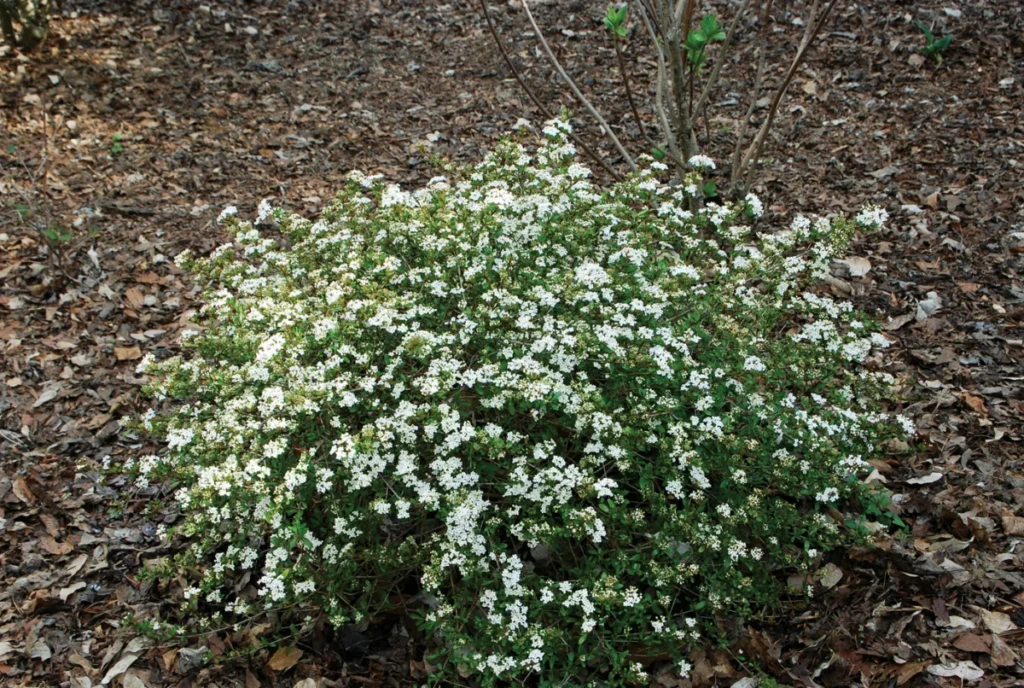
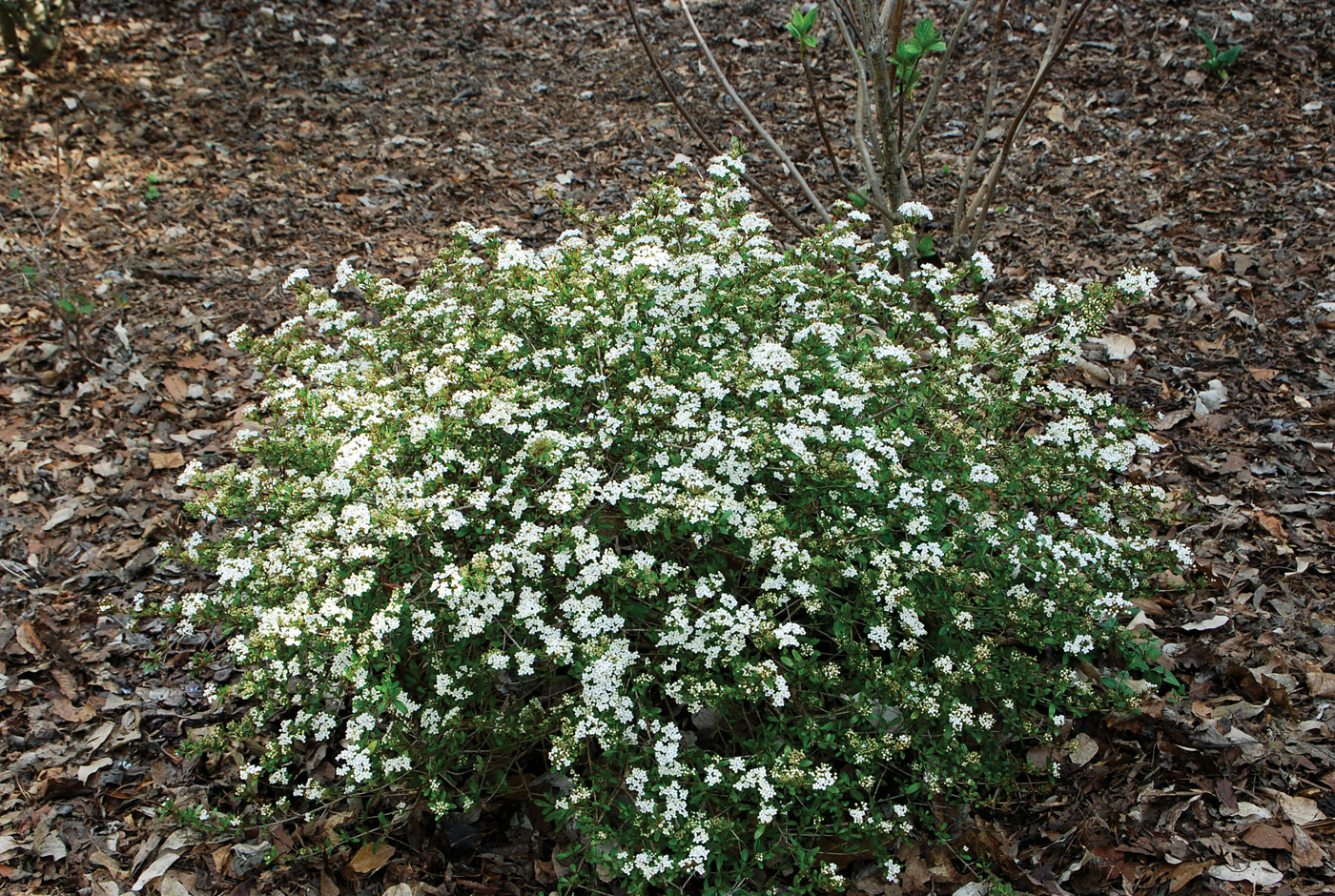
1. ‘Raulston Hardy’ Walter’s Viburnum (Viburnum obovatum ‘Raulston Hardy’)
For those who have relied on dwarf Japanese hollies (Ilex crenata cvs.) to provide clean, rounded structure, ‘Raulston Hardy’ Walter’s Viburnum offers a superior, ecologically minded alternative.
Chronology and Origin:
Selected for its compact habit, ‘Raulston Hardy’ was derived from the parent species, Viburnum obovatum, which is native to the coastal plains of the Deep South. While the wild species can often appear rangy or loose, this specific cultivar was selected by experts at the JC Raulston Arboretum to maintain a dense, mounded form that fits perfectly into the modern landscape.
Characteristics and Performance:
This shrub is remarkably versatile, thriving in a wide range of soil types. It is generally evergreen in the Southeast, though it may drop its foliage during exceptionally harsh, prolonged cold spells. Its true magic occurs in April, when the shrub is blanketed in masses of snowy white, pollinator-friendly flowers. Unlike many ornamentals that have a singular, brief blooming window, ‘Raulston Hardy’ will offer sporadic blooms throughout the remainder of the growing season, providing a steady food source for beneficial insects.
Landscape Application:
Its leaf texture and overall form mirror those of the Japanese holly, allowing for seamless integration into existing formal hedge designs or foundation plantings. However, unlike the holly, it rewards the gardener with a spectacular floral display.
2. ‘Green Thumb’ Common Witch Hazel (Hamamelis virginiana ‘Green Thumb’)
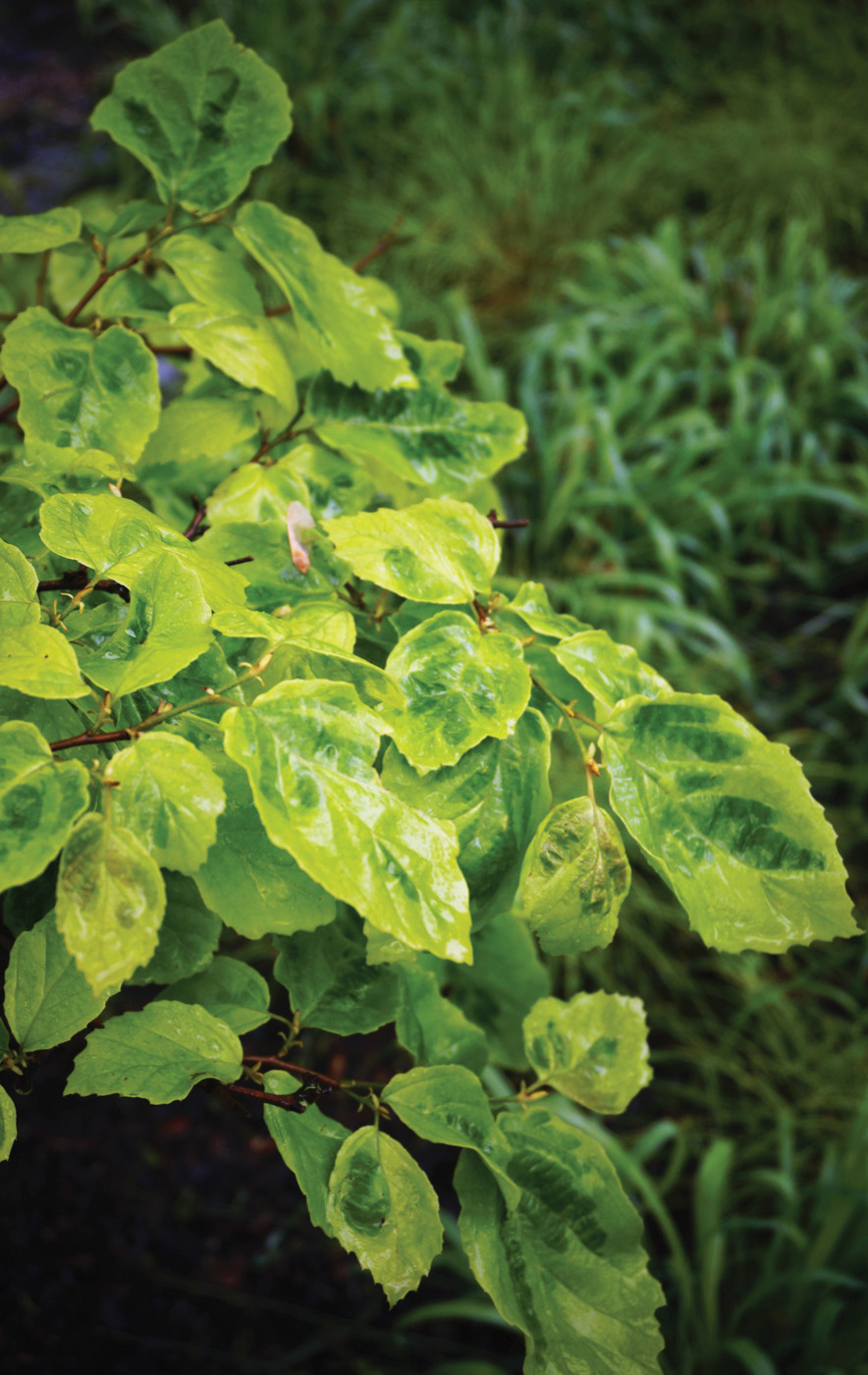
Witch hazels are arguably among the most underutilized gems in the Southern garden. ‘Green Thumb’ is a standout cultivar that challenges the dominance of tired spring-flowering shrubs like forsythia (Forsythia spp.) or flowering quince (Chaenomeles speciosa).
Supporting Data:
While most witch hazels become "background players" once their flowers fade, ‘Green Thumb’ provides multi-seasonal interest. It is a compact, fall- to winter-flowering shrub, erupting in bright yellow, spider-like blossoms just when the rest of the garden is beginning to look dormant. This timing is critical for late-season pollinators who rely on these blooms during the scarce winter months.
Unique Aesthetic Traits:
The foliage of ‘Green Thumb’ is distinct; each leaf features an irregular chartreuse border, adding a pop of color to the summer landscape. As autumn approaches, the plant undergoes a transformation, with the leaves consistently turning a warm, vibrant yellow. It is an excellent choice for a focal point or as an understory shrub in a woodland-style garden.
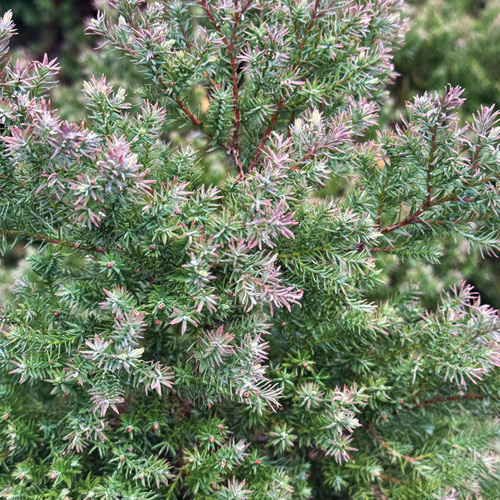
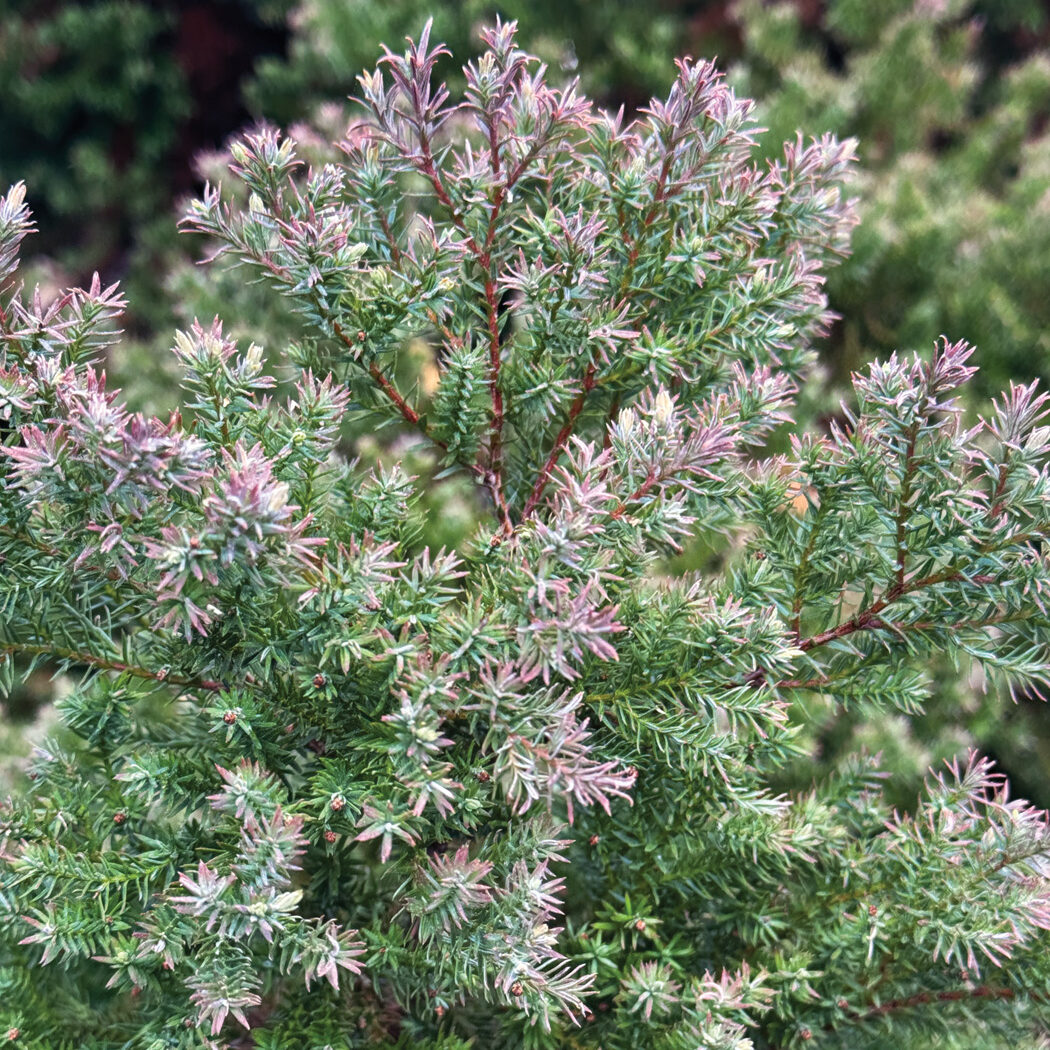
3. ‘Red Velvet’ Atlantic White Cedar (Chamaecyparis thyoides ‘Red Velvet’)
For years, the arborvitae (Thuja occidentalis) has been the go-to for privacy screens and vertical accents in the Southeast. However, the ‘Red Velvet’ Atlantic White Cedar offers a more refined, native alternative that brings unique color and texture to the garden.
Origins and Evolution:
The species Chamaecyparis thyoides is historically found in the boggy, low-lying areas of the Southeast. However, ‘Red Velvet’ has been bred for cultivation, making it surprisingly adaptable to standard garden conditions. It is an evolution of the older, popular cultivar ‘Rubicon,’ but with enhanced foliage color and a more uniform habit.
Seasonal Transformation:
The plant features soft, feathery needles that provide a delicate, elegant texture. In the summer, the foliage displays a sophisticated blue-green hue. As the weather cools in the fall, the plant undergoes a stunning shift, turning a deep, rich burgundy-plum. This color persists throughout the winter, providing excellent visual interest until the vibrant new growth appears in the spring.
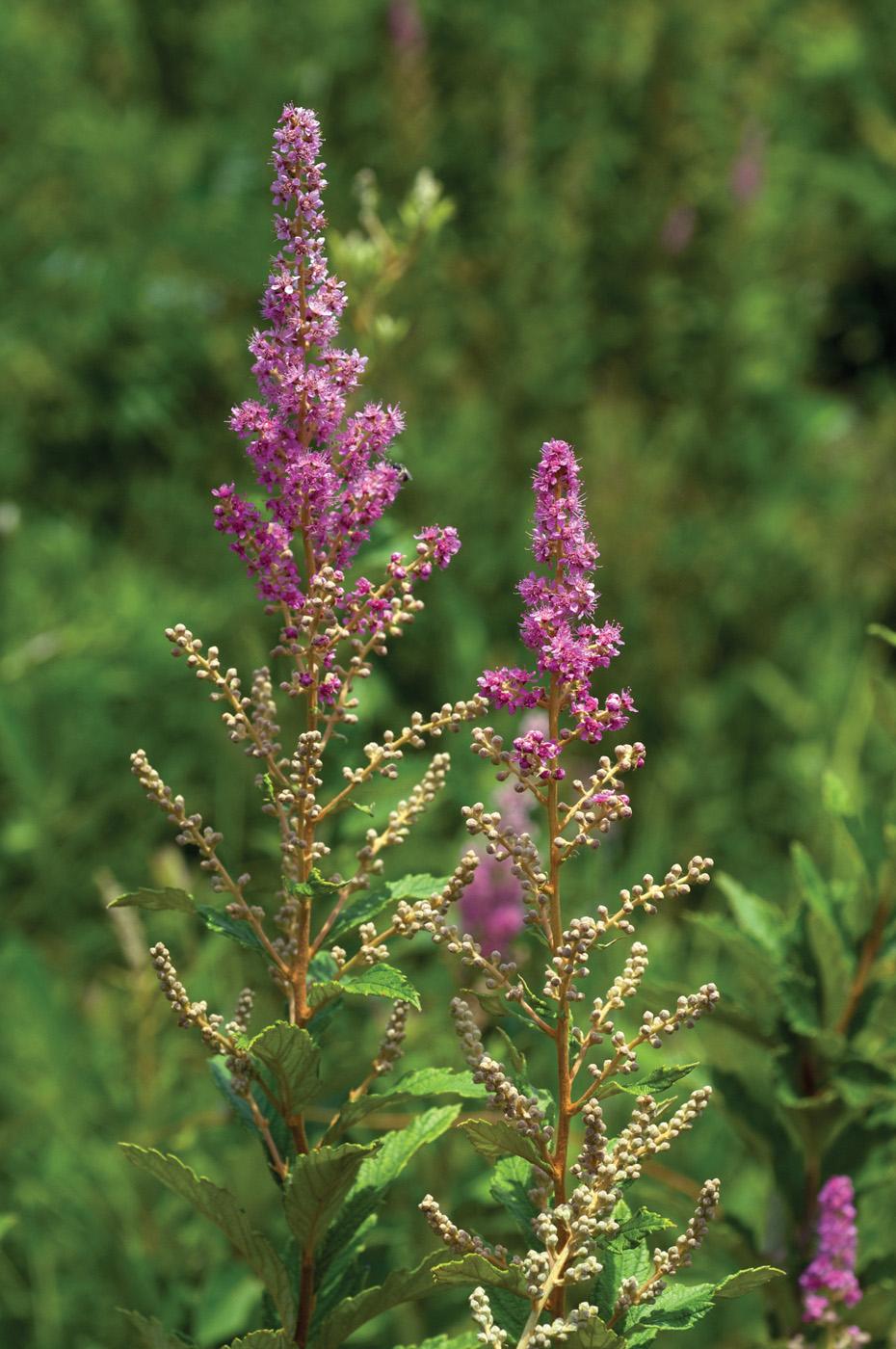
4. Steeplebush (Spiraea tomentosa)
In the search for summer-blooming shrubs, many homeowners have historically turned to the butterfly bush (Buddleia davidii). However, as Buddleia is listed as invasive in numerous states—meaning it escapes cultivation and outcompetes native flora in wild spaces—it is time for a replacement. Enter: Steeplebush.
Ecological Implications:
Steeplebush is a deciduous native that thrives in moist, boggy environments but, like the Atlantic White Cedar, acclimates beautifully to average, well-drained garden soil. When provided with regular moisture, it forms a graceful, suckering thicket of upright stems, typically reaching up to 5 feet in height.
Bloom and Pollinator Impact:
From mid- to late summer, the plant produces distinctive "wands" or steeples of fuzzy, rose-pink flowers that open sequentially from the top down. These blooms are a magnet for native pollinators, including bumblebees and swallowtail butterflies. By replacing an invasive butterfly bush with this native species, gardeners can maintain the same high-impact color while actively participating in the restoration of local habitat.
Implications for Future Gardening
The shift toward native shrubs represents a broader cultural change in how we perceive "maintenance" and "beauty." For decades, the landscape industry prioritized plants that were easy to propagate and sold well in big-box stores, often ignoring their lack of ecological utility. Today, experts like Mark Weathington emphasize that a successful garden is one that works in harmony with the local environment.
Transitioning Your Landscape: A Summary
- Replace Japanese Holly with ‘Raulston Hardy’ Viburnum: For a similar shape and better pollinator support.
- Replace Forsythia with ‘Green Thumb’ Witch Hazel: For longer-lasting foliage color and crucial winter blooms.
- Replace Arborvitae with ‘Red Velvet’ Atlantic White Cedar: For improved hardiness and unique seasonal color.
- Replace Invasive Butterfly Bush with Steeplebush: For native, ethical, and equally showy summer flowers.
As you plan your next landscaping project, consider the "Plant This, Not That" philosophy. By making these intentional swaps, you are not just planting for yourself—you are building a corridor of life that benefits the entire region. The resilience of your garden depends on the diversity of the life it supports, and by choosing native, you are securing a more vibrant, sustainable future for your backyard.
Expert Spotlight: Mark Weathington
Mark Weathington’s work at the JC Raulston Arboretum continues to be a beacon for Southern gardeners. His expertise, distilled in his comprehensive guide Gardening in the South, emphasizes the importance of understanding site conditions and selecting plants that are naturally suited to the region’s specific challenges. Through his ongoing research and public outreach, he encourages a holistic approach that balances the needs of the homeowner with the requirements of the natural world.
For more information on native plants or to explore the resources available through the JC Raulston Arboretum, visit their official website at jcra.ncsu.edu.