The Midwestern Cyclospora Crisis: A Deep Dive into the Taco Bell Lettuce Outbreak
By [Your Name/Journalistic Staff]
In the summer of 2026, a significant public health challenge gripped the American Midwest, as a cluster of Cyclospora cayetanensis infections—a parasitic illness linked to contaminated produce—spread rapidly across five states. The outbreak, which has resulted in over 1,600 confirmed cases and dozens of hospitalizations, has thrust the complexities of the U.S. food supply chain and the challenges of federal-state disease surveillance into the national spotlight.
As the U.S. Food and Drug Administration (FDA) and the Centers for Disease Control and Prevention (CDC) continue their investigations, the incident serves as a stark reminder of the vulnerabilities inherent in the modern agricultural distribution system.
The Core Facts: An Outbreak Defined
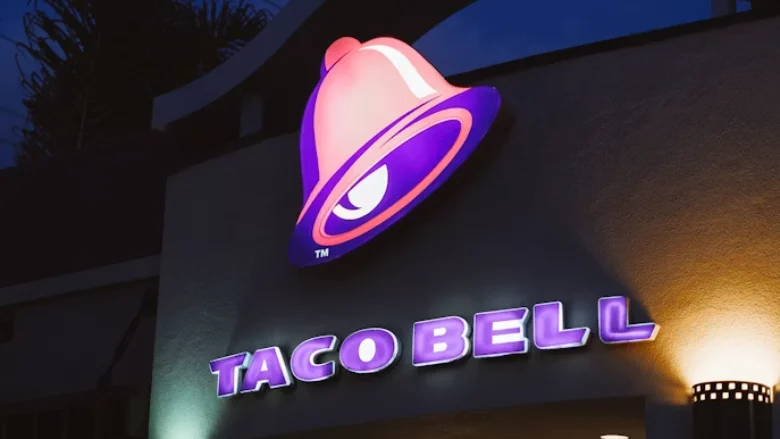
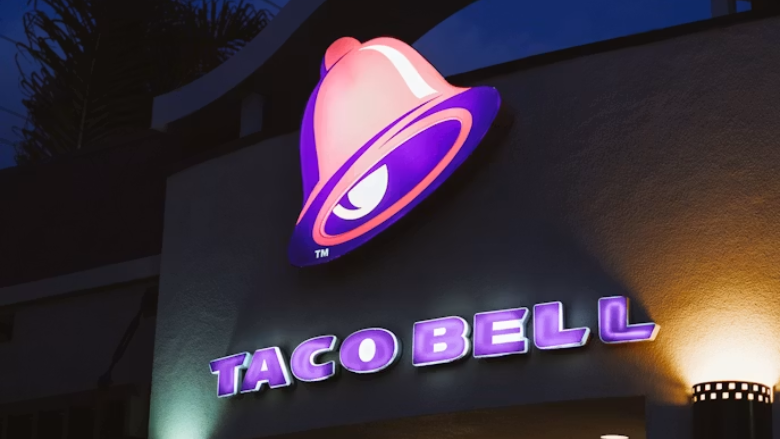
On July 16, 2026, federal authorities officially linked a cluster of over 1,600 Cyclospora infections to food items served at Taco Bell restaurants. The outbreak affected residents across Indiana, Kentucky, Michigan, Ohio, and West Virginia.
The primary vector identified by epidemiological investigators was shredded iceberg lettuce. According to interviews conducted with 190 affected individuals, 90 percent reported consuming the leafy green as a component of their meal prior to falling ill. The symptoms of cyclosporiasis—which include severe watery diarrhea, loss of appetite, weight loss, stomach cramps, bloating, nausea, and fatigue—began appearing in patients between May 13, 2026, and July 13, 2026. While the outbreak has been widespread, requiring 94 hospitalizations, health officials have reported no fatalities.
Chronology of the Crisis
The emergence of this outbreak did not happen overnight; rather, it was the result of a compounding series of reports that overwhelmed regional health departments before coalescing into a unified federal investigation.
- Mid-May 2026: Initial cases of Cyclospora infections begin appearing in the Midwest. Due to the long incubation period of the parasite (typically one to two weeks), these early cases were not immediately recognized as part of a common-source outbreak.
- Late June 2026: Michigan public health officials notice a marked spike in cyclosporiasis cases, triggering a deeper investigation into patient food consumption patterns.
- July 14, 2026: The CDC issues a formal health advisory regarding an increase in Cyclospora cases, finally acknowledging a broad, multi-state cluster.
- July 16, 2026: The FDA formally announces the outbreak cluster. Taco Bell issues a statement promising to discontinue sourcing from the implicated supplier.
- July 17, 2026: Taylor Fresh Foods, the parent company of the supplier, issues a formal statement confirming that it is voluntarily removing all iceberg lettuce sourced from central Mexico from the U.S. market.
Data Discrepancies and Surveillance Challenges
A significant point of confusion for the public and media alike has been the disparate case numbers reported by state versus federal agencies. As of mid-July, the Michigan Department of Health and Human Services (MDOH) reported 4,312 cases of cyclosporiasis within the state, a figure that far exceeds the official CDC/FDA "outbreak" count of 1,644.
Experts explain this discrepancy as a function of "surveillance noise." Not every case of cyclosporiasis in Michigan is necessarily linked to the Taco Bell outbreak; some may be sporadic, baseline cases that occur annually. Furthermore, the CDC’s national surveillance numbers track laboratory-confirmed cases across 34 states, many of which are unrelated to the specific lettuce-based cluster.
The inherent "six-week reporting lag" between illness onset and data transmission to the CDC means that current numbers are likely an undercount. During a July 16 briefing at George Washington University’s Institute for Food Safety and Nutrition Security, experts noted that a strained national surveillance system, coupled with the biological difficulty of diagnosing Cyclospora, makes it nearly impossible to provide real-time, perfectly synchronized data during a public health emergency.
Official Responses and Corporate Action
The response to the outbreak was swift once the epidemiological link was established. Taco Bell, in an effort to maintain public trust and contain the spread, announced that the affected ingredient would be pulled from its supply chain nationwide. The company moved to replace the inventory in select states within 24 hours of the announcement.
The supplier at the heart of the controversy, Taylor Farms (specifically, Taylor Farms de Mexico), took proactive measures following the FDA’s traceback investigation. While the FDA did not initially name the company, subsequent reports confirmed the supplier’s identity. Taylor Fresh Foods stated that the contaminated iceberg lettuce was sourced from a "specific independent farm" in central Mexico, which represents less than 1 percent of the total U.S. iceberg lettuce supply.
The company was quick to emphasize that its other products—including its popular branded salads and kits—do not contain the implicated iceberg lettuce and were not involved in the recall.
The Rising Threat of Cyclospora
The 2026 outbreak is part of a concerning long-term trend. Since the 1990s, the prevalence of C. cayetanensis has climbed, leading many researchers to wonder if the parasite is becoming endemic in certain regions.
Data from recent years illustrates this volatility:
- 2016: 537 cases
- 2017: 1,194 cases
- 2018: 3,519 cases
- 2023: Nearly 3,000 cases
Dr. Craig Hedberg of the University of Minnesota suggests that this increase is not merely a reflection of more contaminated food, but also of better detection. The widespread adoption of Culture-Independent Diagnostic Tests (CIDTs) allows clinicians to identify the parasite far more easily than in previous decades. While this helps patients get treated faster, it also means that public health officials are catching outbreaks that might have gone unnoticed in the past.
Implications: A System Under Strain
The 2026 Taco Bell outbreak highlights three critical vulnerabilities in the American food safety landscape:
1. The Complexity of Traceability
Even with modern technology, tracing a single head of shredded lettuce back to a specific farm in a foreign country remains a logistical nightmare. The FDA’s reliance on "traceback" investigations proves that the supply chain remains opaque. Increased border checks, while necessary, create significant bottlenecks for fresh produce, which has a short shelf life.
2. The Communication Gap
The confusion surrounding the Michigan versus national case counts illustrates the "dissemination problem." When health agencies use different metrics or report with different timelines, the public loses confidence in the accuracy of the information. As noted by experts at the George Washington University briefing, this uncertainty has tangible consequences for consumer behavior and, ultimately, the economic health of the restaurant industry.
3. Resource Depletion
The surveillance system is currently being stretched thin. Experts argue that a lack of federal funding and human resources at the state level has made the "reporting lag" worse. As the number of foodborne illness reports rises year over year, the capacity of state departments to interview patients and conduct genomic sequencing on samples is being pushed to the breaking point.
Conclusion
The 2026 Cyclospora outbreak is a cautionary tale. While the immediate threat has been mitigated by the removal of the contaminated lettuce, the underlying conditions that allowed the parasite to enter the food chain—and the difficulties in identifying that source—persist.
For the fast-food industry, the incident is a reminder that even the most robust supply chains are susceptible to contamination at the point of origin. For consumers, it is a reminder of the fragility of the global food system. As investigations continue, the focus will likely shift toward long-term prevention, improved surveillance technology, and a more unified approach to communicating risks to the American public.
For now, the FDA continues to work with the implicated supplier to ensure that no contaminated product remains in the distribution pipeline, while the CDC monitors for potential new cases, hoping that the peak of this seasonal surge has passed.