The Science of the Perfect Gluten-Free Cookie Bar: A Masterclass in Texture and Taste
For those navigating the complexities of a gluten-free lifestyle, the quest for the perfect chocolate chip cookie—one that balances a chewy interior with a delicate, crackly exterior—often feels like an elusive culinary holy grail. Conventional gluten-free baking frequently falls into the trap of producing results that are either overly dense, brittle, or suspiciously gritty. However, a new approach to the classic cookie bar format is proving that you don’t need wheat flour to achieve bakery-quality results. By shifting from the traditional drop-cookie method to a single-pan, bar-based technique, home bakers are discovering a more efficient, consistent, and texturally superior way to enjoy their favorite treat.
The Main Facts: Why Bars Outperform Traditional Cookies
The fundamental challenge in gluten-free baking is structural integrity. In standard wheat-based recipes, gluten provides the elasticity and chew. When that protein is removed, bakers often compensate with excessive binders or starches, which can lead to a "cakey" or "bready" texture that is far removed from the desired cookie experience.
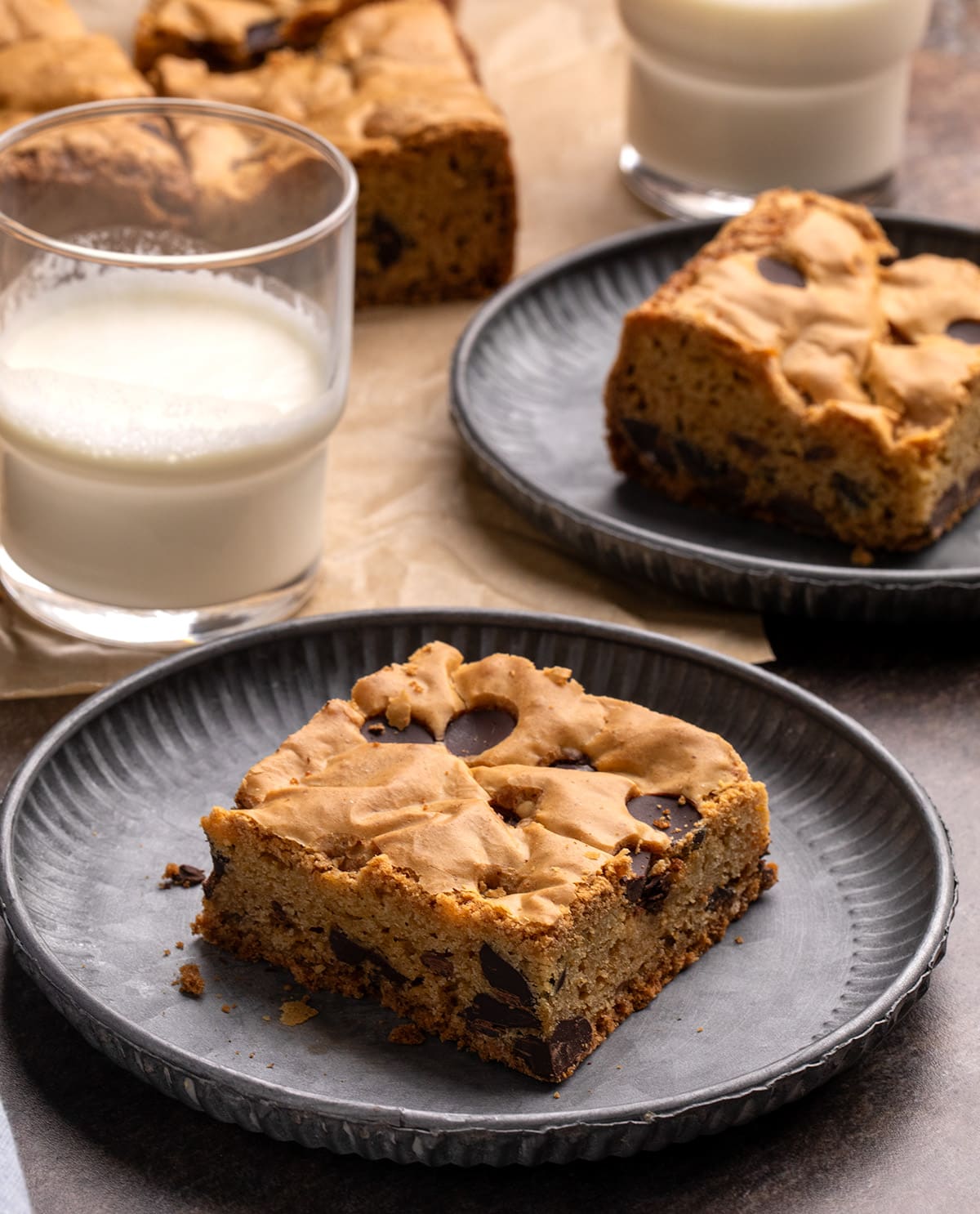
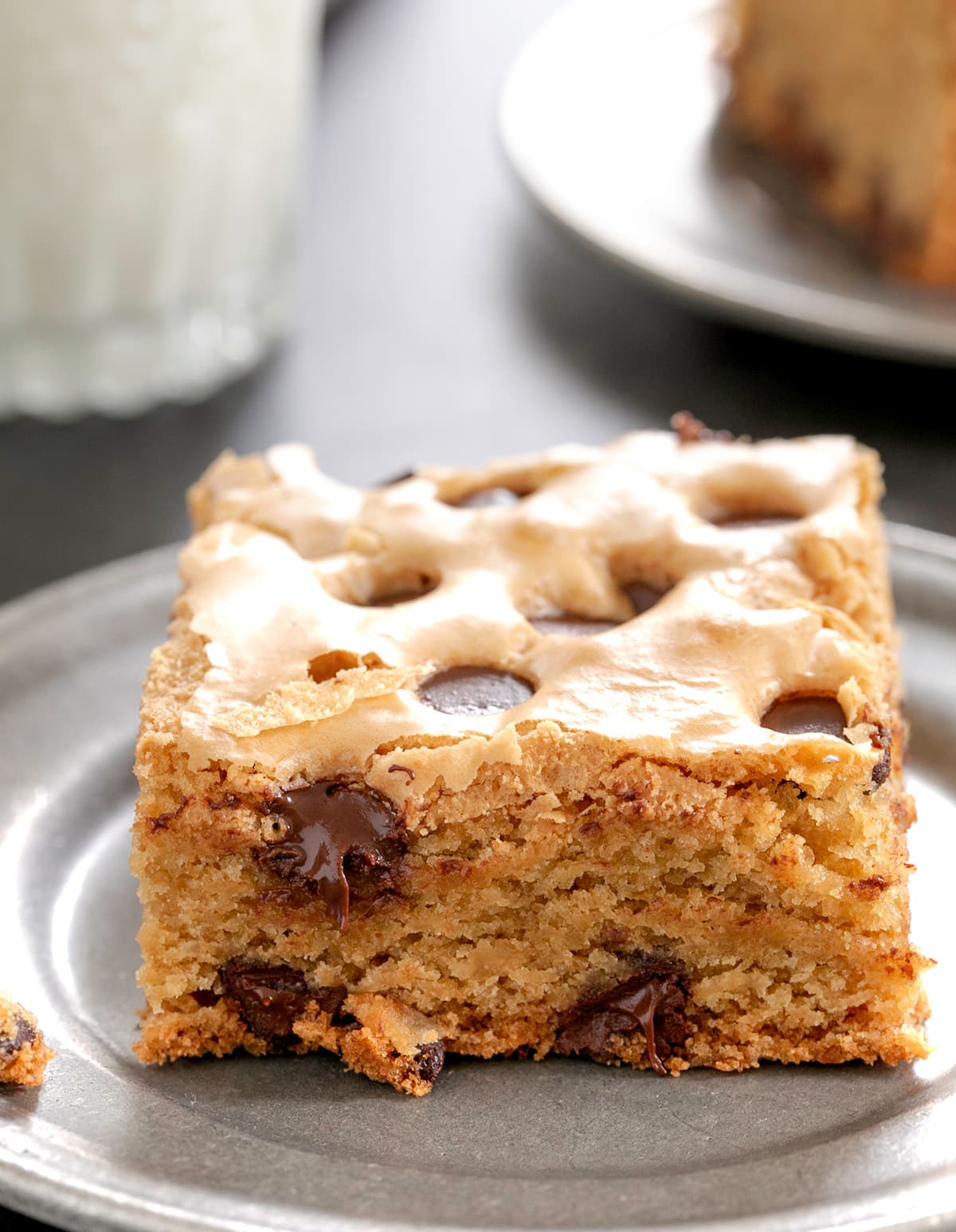
The shift to "cookie bars" is not merely a matter of convenience; it is a tactical culinary decision. By baking the dough in a square pan rather than as individual rounds, the surface-to-volume ratio is altered. This allows the center of the bake to retain moisture while the edges caramelize, resulting in a texture that mimics the chewiness of a brownie while maintaining the flavor profile of a classic chocolate chip cookie. The most notable triumph of this method is the coveted "crackly top," a feature usually reserved for high-end brownies, achieved here through precise manipulation of sugar and fat emulsions.

Chronology: The Evolution of the Recipe
The development of this specific technique did not happen overnight. It is the result of iterative testing designed to address common failures in gluten-free baking.
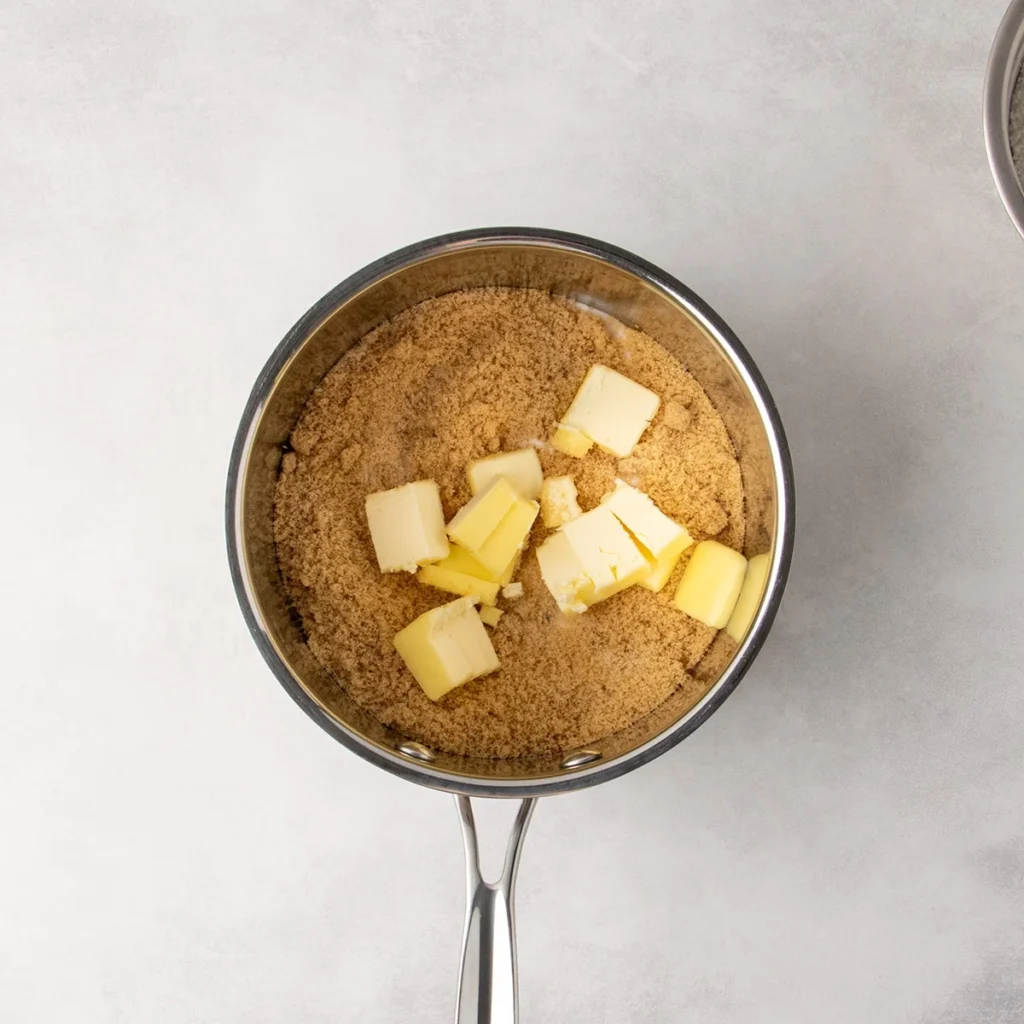
- Phase 1: The Melted Butter Breakthrough: Traditional cookie recipes often rely on creaming butter and sugar. However, for a bar format, this introduces too much aeration. By melting the butter with the sugars, the recipe creates a dense, rich base that prevents the final product from becoming "bready."
- Phase 2: The Emulsion Stage: The secret to the crackly top lies in the beating of the eggs. By whisking the eggs until they reach a frothy, foamy consistency, bakers introduce enough air to create a delicate protein film on the surface of the batter, which sets into that signature thin, crunchy layer during the bake.
- Phase 3: The Cooling and Setting Process: A critical, often overlooked step is the cooling phase. Gluten-free baked goods are notoriously fragile when hot. The chronology of this recipe mandates a "cool-to-firm" period, followed by a necessary chill in the refrigerator, which allows the starches and fats to solidify, ensuring a clean, professional-looking slice.
Supporting Data: The Chemistry of Ingredients
To understand why this recipe succeeds where others fail, one must look at the specific function of its components.
- Sugar Ratios: The combination of granulated white sugar and light brown sugar is essential. The brown sugar provides the necessary moisture and molasses notes for chewiness, while the granulated sugar facilitates the crispy edges and the surface crackle.
- Starch and Flour Synergy: The inclusion of cornstarch—or alternatives like arrowroot or potato starch—is vital for tenderness. Because gluten-free flour blends can vary wildly in protein content, the addition of these starches acts as a buffer, preventing the bars from becoming too tough.
- Thermal Management: The baking temperature of 325°F (163°C) is lower than a standard 350°F cookie bake. This "low and slow" approach is crucial for gluten-free goods, as it allows the center to set without the edges burning or becoming overly brittle.
Official Responses and Expert Perspectives
Industry experts and nutritionists often highlight the importance of "flour blend integrity" when discussing recipes like these. As noted by culinary experts in the field, not all gluten-free flours are created equal. The success of this recipe relies on high-quality, all-purpose blends that contain xanthan gum.
"The goal is to move away from the ‘good for gluten-free’ mentality," says recipe developer Nicole Hunn. "We are aiming for a product that holds its own against any conventional bakery item." Experts emphasize that for those with celiac disease or severe non-celiac gluten sensitivity, the brand of flour is not just a flavor choice but a health requirement. Always ensure that the flour blend used is certified gluten-free to avoid cross-contamination.
Implications: The Future of Gluten-Free Baking
The rise of the "cookie bar" format has significant implications for the broader gluten-free market. For busy families, the time-saving nature of the pan-bake method—which eliminates the need to scoop and space out individual cookies—makes home baking more accessible.
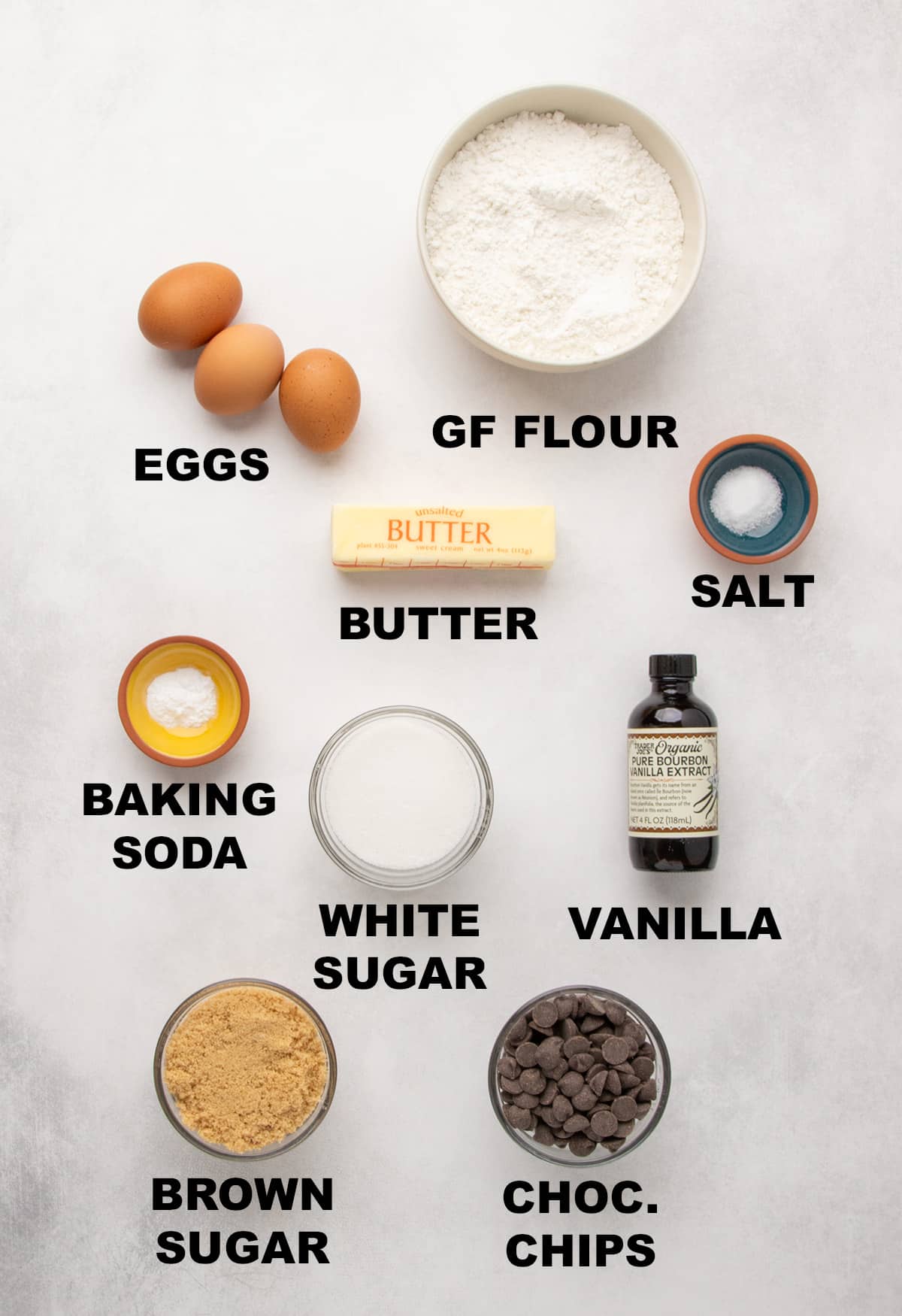
Furthermore, this recipe highlights a shift toward ingredient transparency. By moving away from complex, store-bought mixes that often contain excessive stabilizers, home bakers are returning to basic, whole-food principles: butter, sugar, eggs, and high-quality flour. This allows for easier modifications, such as the dairy-free or egg-free adaptations detailed in the recipe notes, making the treat inclusive for those with multiple dietary restrictions.
Practical Considerations for the Home Baker
While the recipe is straightforward, precision remains key. Here are the essential takeaways for anyone attempting these bars:
The "Don’t Overcook" Rule
Brown sugar is chemically sensitive. When melting the butter and sugar, keep the heat at a medium-low setting. If the sugar granules reach too high a temperature, they can recrystallize, leading to a hard or gritty texture in the final bar.
The Lining Technique
Because the batter is intentionally sticky to ensure a dense chew, traditional parchment paper may shift, making it difficult to spread the dough. The use of nonstick aluminum foil, or standard foil lightly greased with a high-quality cooking spray, is recommended to ensure the bars can be lifted from the pan without structural damage.
Storage and Longevity
One of the distinct advantages of this bar recipe is its shelf life. Because of the higher fat-to-flour ratio, these bars retain moisture longer than traditional drop cookies. When stored in an airtight container at room temperature, they remain viable for five days. For long-term storage, the bars freeze exceptionally well; by wrapping them individually or placing them in freezer-safe bags, they can be preserved for up to three months, providing a ready-made snack that requires nothing more than a few minutes of thawing on the counter.
Conclusion: A New Standard
The gluten-free community is no longer satisfied with compromises. Recipes like these demonstrate that by understanding the underlying chemistry of baking—the way fats, sugars, and proteins interact—it is possible to produce desserts that are indistinguishable from their gluten-containing counterparts. Whether you are baking for a school event, a holiday gathering, or a simple mid-week craving, these cookie bars represent the pinnacle of modern, inclusive baking. They are a testament to the fact that when you get the science right, the result is nothing short of delicious.