Beyond the Gimbal: Why the Antigravity A1 is Redefining Aerial Cinematography
In the rapidly evolving landscape of consumer technology, drones have transitioned from niche hobbyist toys to essential tools for the modern traveler. Whether it is capturing the jagged peaks of the Andes or the sweeping coastlines of the Mediterranean, aerial footage has become the gold standard for travel storytelling. However, the industry has long been tethered to the constraints of the mechanical gimbal—the motorized stabilizer required to keep traditional cameras steady.
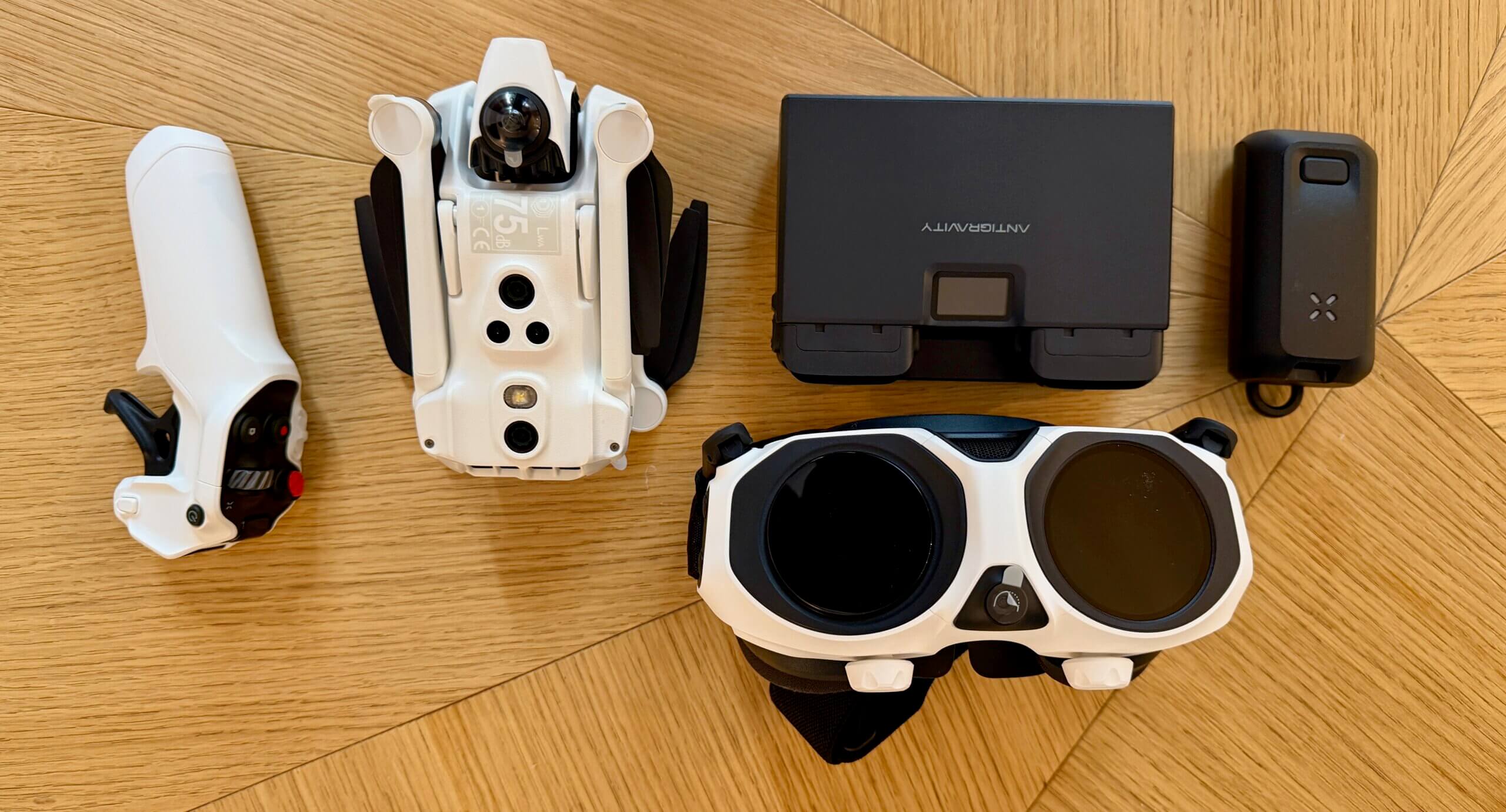
Enter the Antigravity A1, a revolutionary piece of hardware released in late 2025 that effectively renders the traditional gimbal obsolete. By leveraging a dual-lens 360-degree capture system, the A1 shifts the paradigm from "piloting a camera" to "directing a virtual environment." This article explores why this drone is not just another gadget, but a fundamental change in how we capture the world from above.
Main Facts: The Tech Behind the Innovation
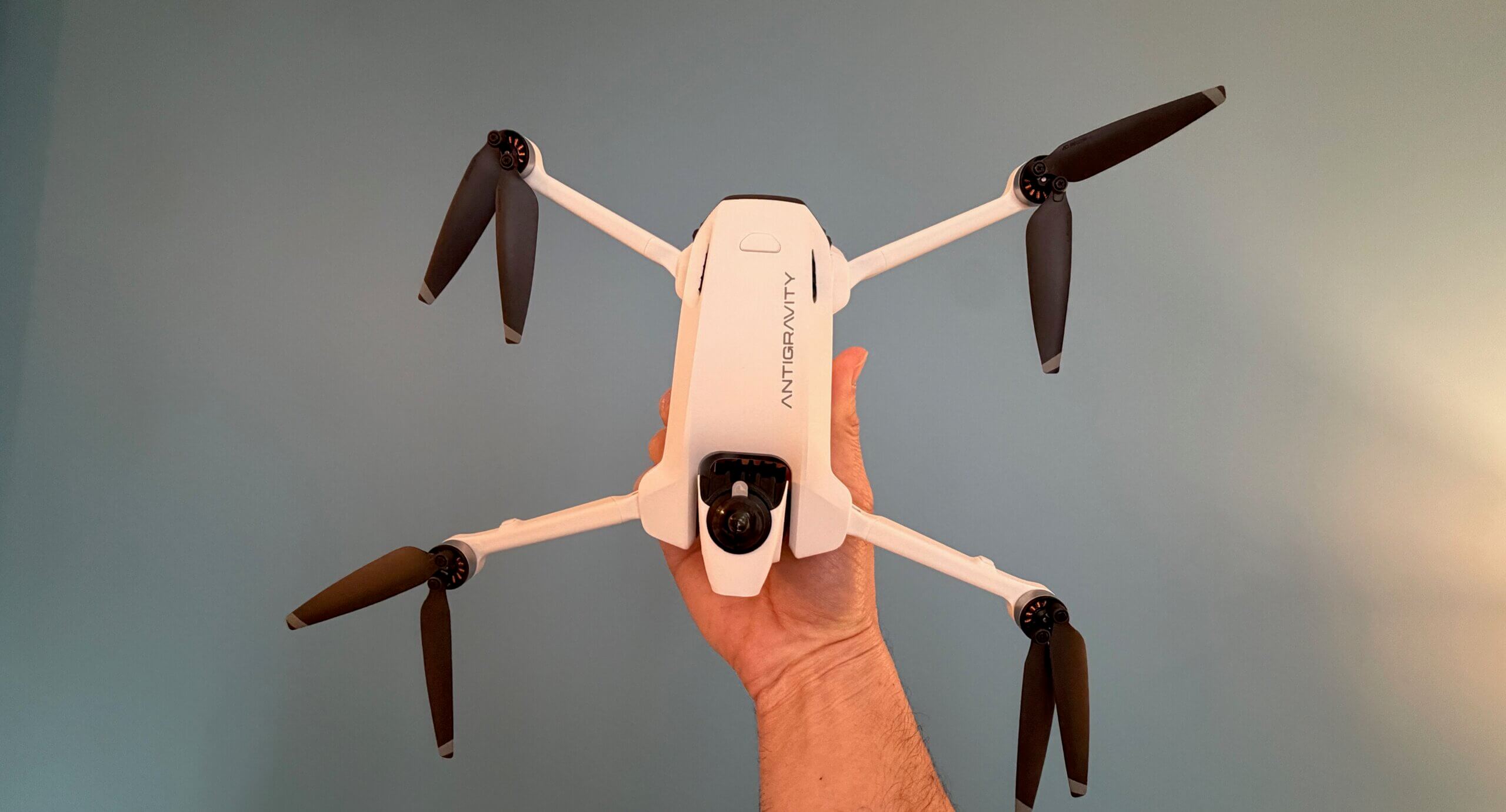
At the heart of the Antigravity A1’s appeal is its unique dual-lens optical architecture. Unlike standard drones that rely on a single, forward-facing lens mounted on a fragile gimbal, the A1 utilizes two ultra-wide-angle lenses positioned on the top and bottom of the central fuselage. Each lens captures a 200-degree field of view, creating a seamless, 360-degree spherical image through advanced stitching algorithms.
Key Specifications:
- Weight: 249 grams (with standard battery), bypassing most international registration requirements.
- Sensor: Dual 1/1.28-inch CMOS units for superior low-light performance.
- Build: Carbon-fiber-reinforced polymer, offering a superior strength-to-weight ratio.
- Flight Dynamics: Cinewhoop-style, stable, and predictable with a top speed of 36 mph.
- Resolution: 8K spherical capture, allowing for high-quality reframing in post-production.
The "magic" occurs in the exported footage, where the drone’s own body is digitally removed via software. The result is a surreal, "floating" camera effect that provides a perspective previously achievable only with high-budget cinema rigs or complex post-production masking.
Chronology: From Concept to Consumer Reality
The development of the A1 was a multi-year project focused on solving the "framing anxiety" inherent in drone photography.
- Q1 2024: Early prototypes surfaced, testing the limits of 360-degree stitching while in motion.
- Q3 2025: Antigravity finalized the "FlowState" stabilization software, ensuring that even in 20mph winds, the footage remained as steady as a tripod-mounted setup.
- Late 2025: The official launch of the A1. The drone was marketed not to racing pilots, but to solo creators who struggled to fly and frame simultaneously.
- Early 2026: Market reception indicates a shift in the travel influencer community, with many opting for the A1 over traditional 4K drones due to the "fly now, frame later" workflow.
Supporting Data: Efficiency and Creative Freedom
The primary critique of 360-degree cameras has historically been the degradation of image quality. However, the A1 addresses this through its 1/1.28-inch CMOS sensors. While these are smaller than the 1-inch sensors found in top-tier "Pro" photography drones, they represent a massive leap over the sensors found in standard 360-degree action cameras.
The "Work-Per-Minute" Metric
Battery life remains the universal bottleneck for drone flight. The A1 offers a standard flight time of roughly 19 to 20 minutes in real-world conditions. While competitors may offer 30-plus minutes, the A1’s efficiency is calculated by its "work-per-minute." Because a pilot does not need to re-fly a path to capture a subject from multiple angles, a single 20-minute flight can yield the same usable, multi-angle footage as three separate flights with a standard drone. This significantly reduces the time spent on location and minimizes the risk of incidents during takeoff and landing.
The Power of Post-Production
The "Antigravity Studio" app is the silent partner in this hardware ecosystem. Utilizing the phone’s internal gyroscope, users can reframe their 8K spherical footage in real-time. The "Auto-Frame" AI tool is a standout feature, identifying subjects—such as a hiker on a trail or a car on a coastal road—and automatically generating a cinematic cut that keeps the subject centered. For the solo traveler, this is the equivalent of having a dedicated cameraman.
Official Responses and Industry Implications
Industry analysts have noted that the A1 is a "disruptive entry" into a market previously dominated by massive, heavy-gimbaled aircraft. By hitting the 249-gram threshold, Antigravity has effectively circumvented the administrative burden of registration in most countries, making it the ideal companion for the "nomadic" creator.
The inclusion of Vision Goggles—featuring dual 4K micro-OLED displays with a 120Hz refresh rate—has also raised the bar for immersive piloting. Because the drone records the entire sphere, the goggle feed isn’t limited to the forward view. If a pilot turns their head, the view pans accordingly. This spatial awareness has been lauded by early testers as the most intuitive flight experience currently available.
The "Cinewhoop" Philosophy
Antigravity’s choice to favor stability over aggressive maneuverability speaks to a shift in the drone market. By prioritizing the "Cinewhoop" flight style, the company has acknowledged that most users are not looking to perform high-speed FPV racing maneuvers. They want a reliable, stable, and safe platform that can capture cinematic sequences in tight or complex environments without the fear of immediate crashes. Furthermore, the inclusion of "Turtle Mode"—which allows the drone to flip itself over if it lands upside down—effectively mitigates the common frustration of needing to retrieve a drone from inaccessible terrain.
Implications for Future Travel Content
The rise of the Antigravity A1 suggests a future where the mechanical limitations of our gear will no longer dictate our creative output. As we move toward a more immersive digital landscape, the ability to capture "everything, everywhere, all at once" will become the default.
Accessibility for Novices
Perhaps the most significant implication is the democratization of professional-looking aerial footage. The motion-controller system, which uses a single-handed trigger and wrist-tilt mechanism, removes the steep learning curve associated with traditional dual-stick transmitters. A beginner can, within minutes, navigate complex environments with a level of fluidity that once required years of practice.
A New Standard for Storytelling
For the professional, the A1 provides a 10-bit "Log" profile, allowing for high-end color grading that matches the aesthetic of high-end cinema cameras. This ensures that the A1 is not just a toy for social media, but a legitimate B-roll tool for filmmakers.
The Verdict
The Antigravity A1 is a niche product that is rapidly becoming a mainstream necessity. While the lenses are sensitive and the battery life is moderate, the creative liberation provided by a 360-degree, gimbal-less workflow is undeniable. By removing the stress of manual framing and the mechanical vulnerability of the gimbal, Antigravity has allowed the pilot to focus on the only thing that truly matters: the story.
If you are a traveler looking to push the boundaries of your content, the A1 is not just a purchase; it is an essential addition to your toolkit. It bridges the gap between traditional cinematography and the immersive, boundless potential of the future of digital storytelling. As the industry looks forward, it is clear that the days of the gimbal are numbered, and the era of the 360-degree spherical drone has officially arrived.