The High Cost of Paradise: Why Ko Lipe Has Become a Casualty of Overtourism

Nineteen years ago, Ko Lipe was a whisper among backpackers. It was a place where time didn’t just slow down; it seemingly ceased to exist. In 2006, the island was a raw, unpolished gem on the fringe of the Andaman Sea, accessible only by a boat that felt like it might be the last one of the season. Electricity was a luxury provided for only a few hours a day, and the currency of the island was simple: a $2 bungalow, a shared book, and the quiet rhythm of the tides.
Today, the island is a testament to the aggressive, often irreversible, footprint of modern tourism. Returning to Ko Lipe for the 2026 New Year’s celebrations, I found myself staring at a landscape that had traded its soul for concrete. The transformation is not just physical; it is a profound cautionary tale about what happens when the delicate balance of an ecosystem is sacrificed for the relentless engine of global travel.
A Chronology of Transformation: From Seclusion to Sprawl
The evolution of Ko Lipe mirrors the broader trajectory of Thailand’s tourism industry—a pattern often described as the "Phi Phi Model." In the early 2000s, the island functioned as a sanctuary for those seeking to escape the mainstream trail.
- 2006–2010 (The Era of Discovery): Ko Lipe remained largely off-the-grid. Infrastructure was minimal, and the local community—the Urak Lawoi (sea gypsies)—maintained a traditional lifestyle that was inextricably linked to the sea.
- 2011–2018 (The Infrastructure Surge): As digital nomads and budget travelers began to document the island online, accessibility improved. The arrival of consistent, high-speed boat services and the transition from generators to a more formalized power grid invited rapid development.
- 2019–2026 (The Overdevelopment Crisis): Post-pandemic travel surges accelerated the construction of high-end resorts. Footpaths that once wound through palm groves were paved into roads for construction vehicles. The island’s "paradise" status became its undoing, as the demand for modern amenities in a remote location led to the systemic degradation of its natural resources.
The Physical Toll: Data and Environmental Degradation
The environmental impact of Ko Lipe’s rapid growth is visible to anyone who looks past the pristine surface of the promotional photos. The island’s geography presents a fundamental challenge: it lacks a natural freshwater supply. As resort density increases, the demand for water—for pools, showers, and laundry—is stripping the island’s limited aquifers.
Ecological Impacts
- Coral Reef Destruction: The vibrant reefs surrounding the island, once a crown jewel of the Tarutao National Marine Park, are dying. The culprits are multifaceted: chemical pollution from sunscreen and greywater, physical damage from thousands of anchor drops, and the relentless pressure of overfishing to meet the dietary demands of tourists.
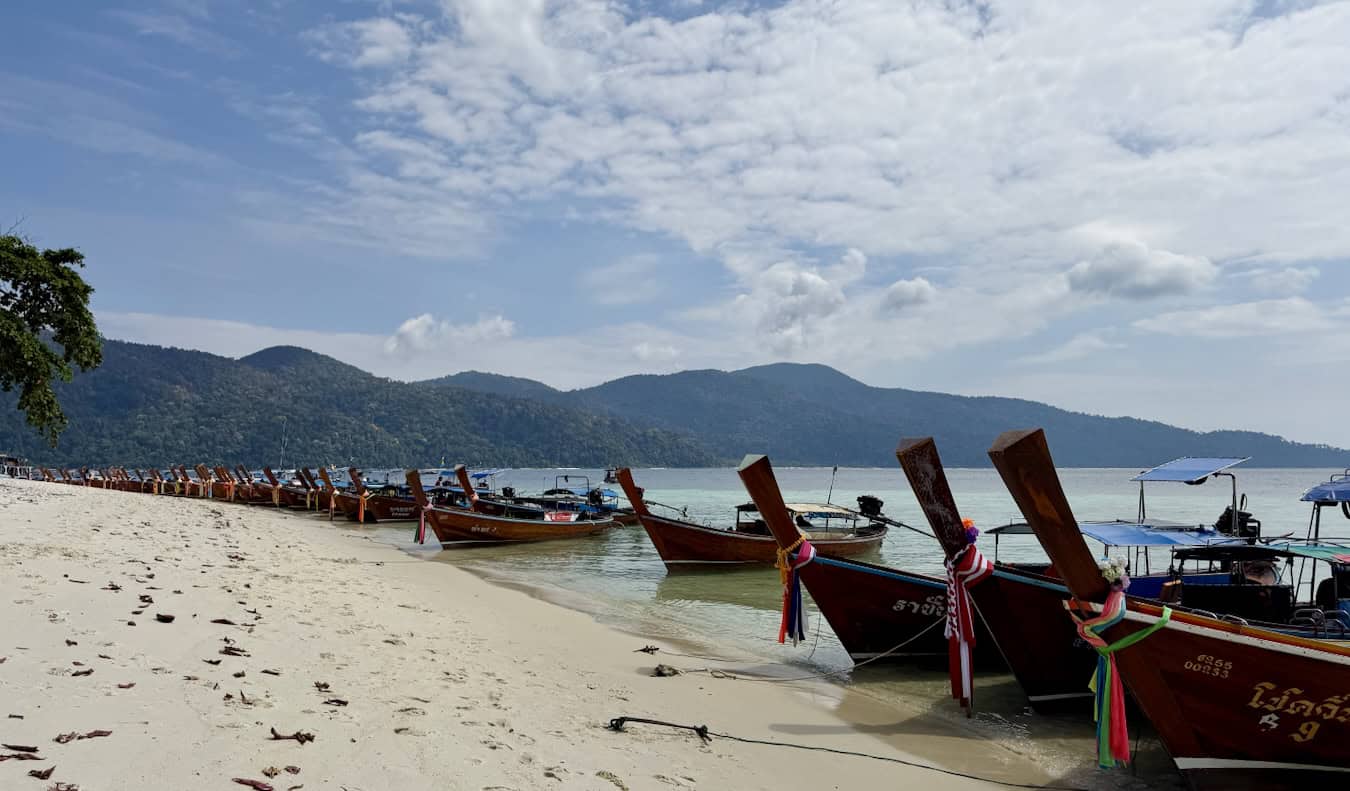
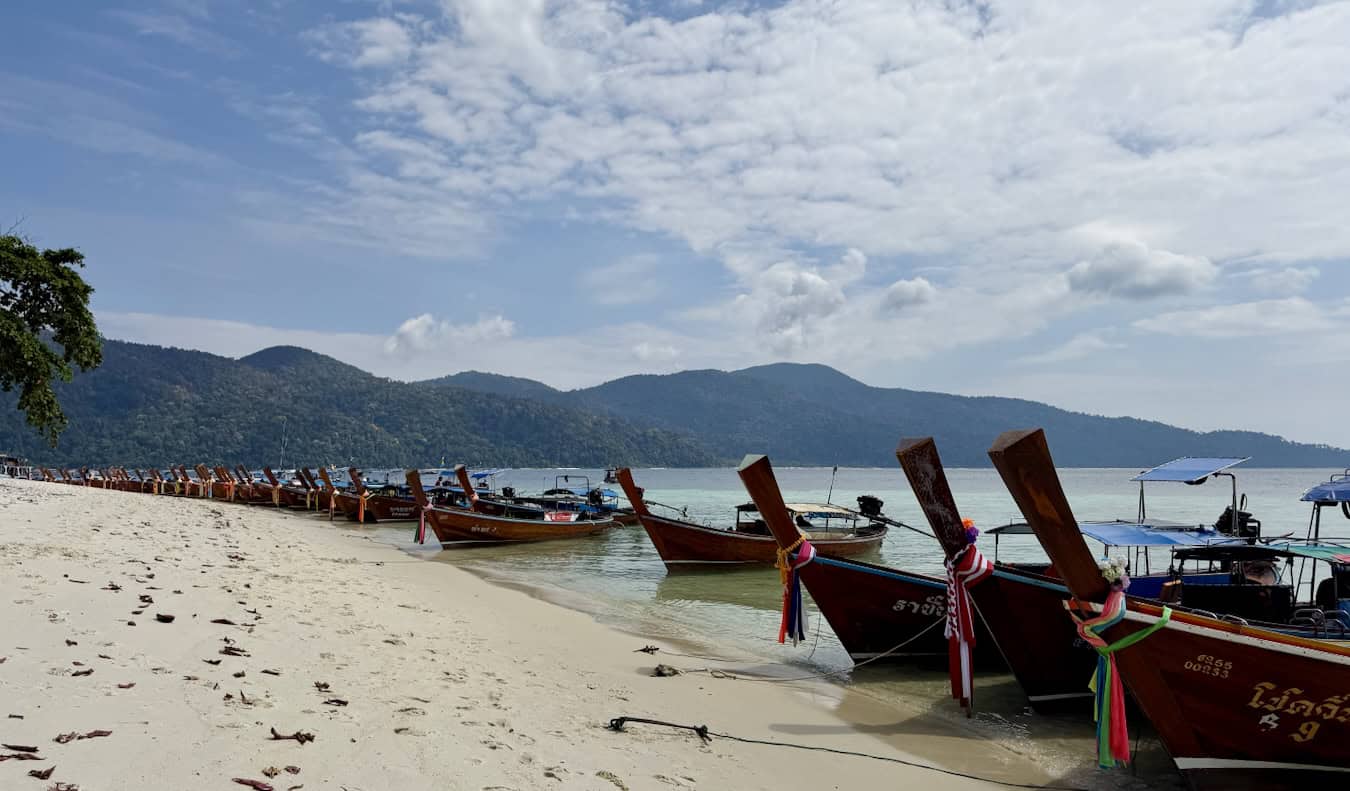
- Marine Pollution: The bay is now a parking lot for longtail boats. The constant hum of boat engines is accompanied by a visible, oily sheen on the water’s surface—a byproduct of exhaust and engine maintenance that lingers in the stagnant air of the coves.
- Waste Management: The island’s waste processing systems are woefully inadequate for the volume of trash produced by thousands of short-term visitors. Much of this waste is exported to the mainland, but the logistical footprint of managing such a high volume of refuse on a small, fragile island remains a massive, unresolved issue.
Socio-Economic Displacement: Who Benefits?
The narrative of "tourism as a driver for local prosperity" is often invoked by developers, but in the case of Ko Lipe, the reality is starkly different. As property values skyrocketed, the original inhabitants—the Urak Lawoi—found themselves priced out of their ancestral homes.
Many local families were incentivized to sell their land to mainland corporations, trading long-term heritage for short-term financial gain. Consequently, the labor force today is largely comprised of migrant workers from the mainland who, while earning a living, are removed from the cultural fabric that once defined the island. The economic benefits of the tourism boom are largely funneled away from the local community and into the pockets of regional developers, leaving the local ecosystem to bear the brunt of the environmental costs.
The Ethics of Travel: Should We Still Go?
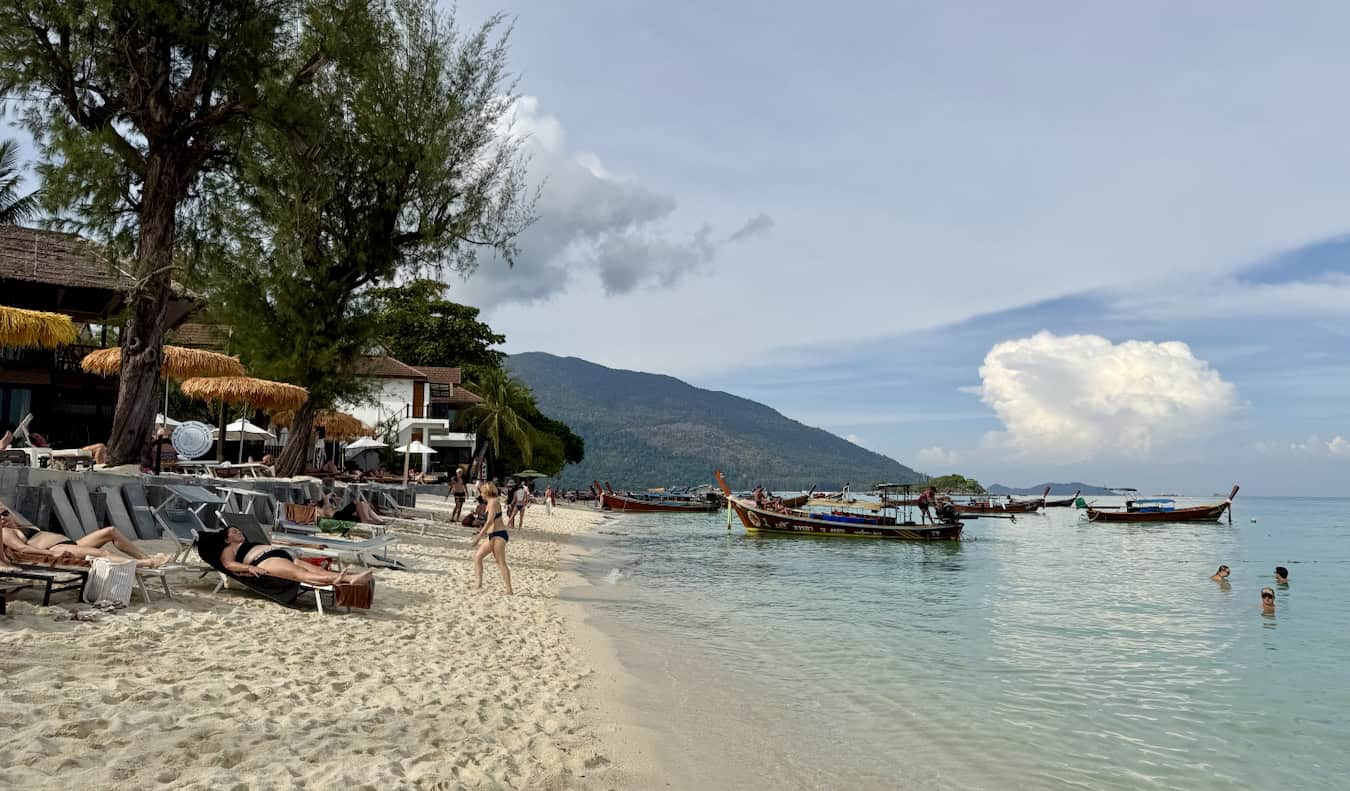
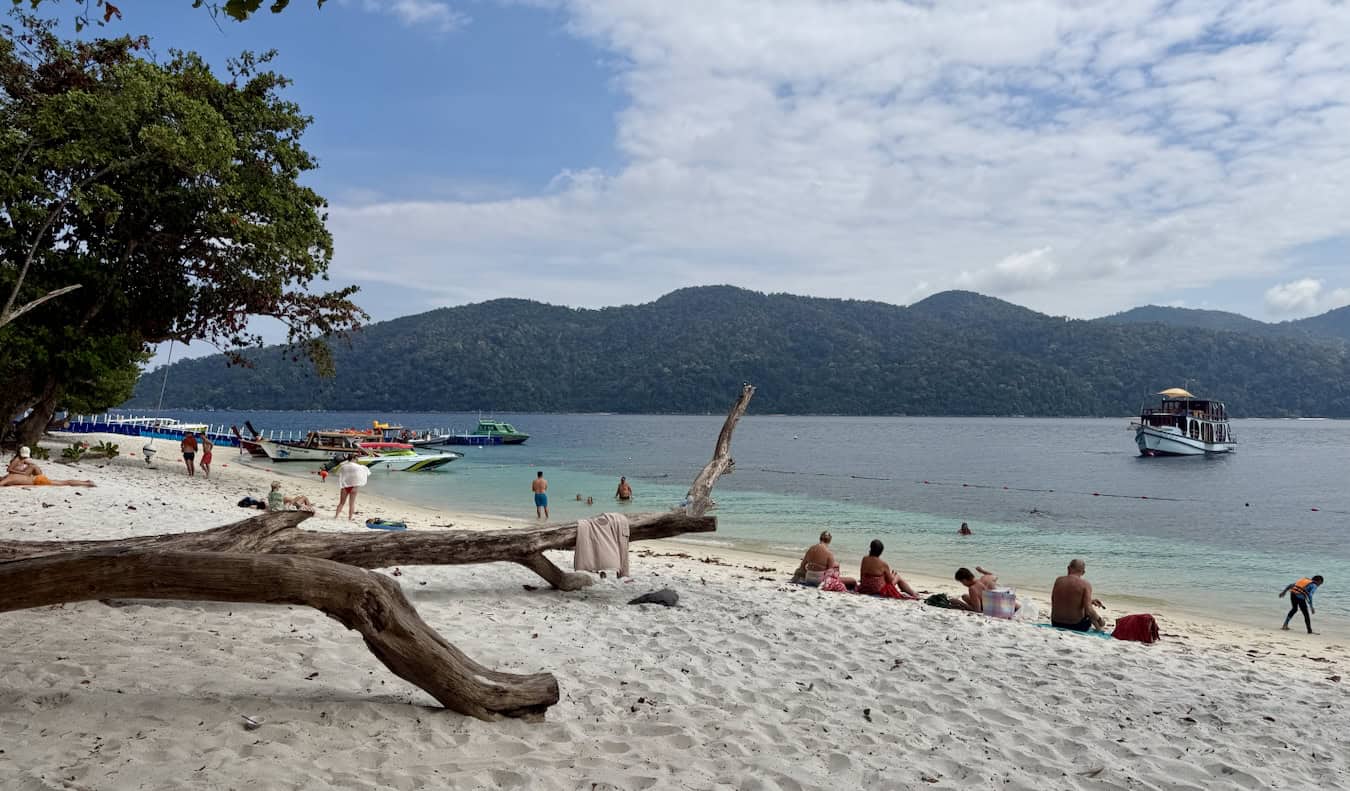
As a traveler, the temptation to visit "postcard-perfect" destinations is immense. The azure water and white sand remain, and for a first-time visitor, the island may still appear to be a "wow" destination compared to the heavily polluted hubs of Phuket or Krabi. However, this is the "siren song" of overtourism.
The Case for Responsible Stewardship
The decision to skip a destination as a protest against overdevelopment is a powerful tool in the traveler’s arsenal. When tourism demand drops, developers and local governments are forced to re-evaluate their management strategies.
- Impact-Based Decisions: If we continue to flock to already saturated islands, we are effectively subsidizing the destruction of the very environments we claim to admire.
- Alternatives Exist: Thailand remains a country of immense beauty. For travelers seeking the genuine experience that Ko Lipe once offered, islands like Ko Lanta, Ko Jum, and Ko Mook offer more sustainable models of tourism. These locations have managed to maintain a better balance between development and conservation.
Implications for the Future of Thai Tourism
The Thai government faces a critical juncture. The "build, build, build" philosophy that has characterized the last two decades of island development is unsustainable. If the current trajectory continues, the "last boat for the season" will never arrive, not because of isolation, but because the island will have become a hollow, degraded shell of its former self.
Official responses to these concerns have often been reactive rather than proactive. While some marine parks have implemented temporary closures to allow coral to regenerate, these are often "Band-Aid" solutions. True sustainability requires:
- Strict Carrying Capacity Caps: Limiting the number of daily visitors to preserve the island’s water table and sewage capacity.
- Infrastructure Reform: Mandatory investment in water desalination and waste management systems by any developer seeking a license.
- Local Empowerment: Ensuring that tourism revenue is directly reinvested into local social services and the preservation of indigenous cultural practices.
Final Reflections: The Ghost of Paradise
Reflecting on my 2006 visit, I realize I was chasing a ghost. The magic of that time was not just in the scenery, but in the lack of human interference. Returning to Ko Lipe was an exercise in letting go.
I do not write this to shame those who have visited or those who plan to visit. Instead, this is an invitation to be more intentional. We have the power to define the future of travel. Every time we book a flight or a hotel, we are casting a vote for the kind of world we want to see. By choosing to bypass destinations that are suffering from unsustainable exploitation, we can advocate for a different, more respectful way of exploring the globe.
Ko Lipe has taught me that sometimes, the most important part of travel is knowing when to stay away. The island has reached its limit; it is time for us to listen to the silence that has been replaced by the roar of construction. If we truly love these places, we must be willing to let them breathe.