Transparency Crisis: UC Davis Study Exposes Widespread Adulteration in Commercial Avocado Oil
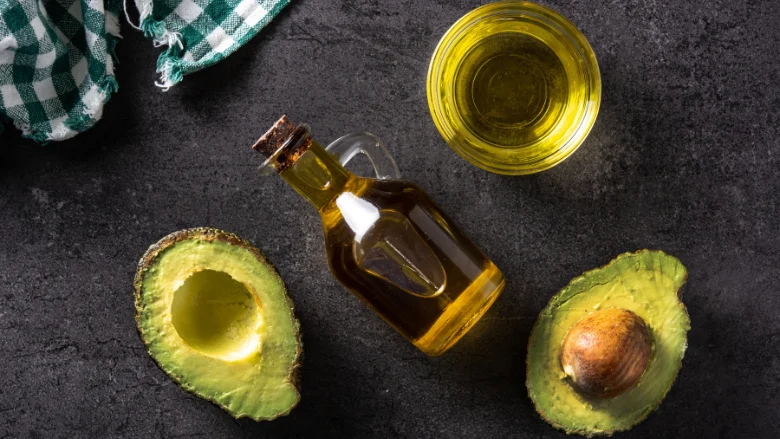
For health-conscious consumers, the rise of avocado oil in the processed food aisle has been a welcome shift. Marketed as a heart-healthy, premium alternative to traditional vegetable and seed oils, it has become a staple ingredient in everything from artisanal potato chips to high-end salad dressings. However, a groundbreaking new study from the University of California, Davis (UC Davis) suggests that what is printed on the label may not match the contents of the package, uncovering a systemic failure in supply chain oversight and ingredient authenticity.
The study, published in the journal Applied Food Research, reveals that nearly 90% of products labeled as containing avocado oil as a sole ingredient failed to meet basic authenticity standards. This investigation raises urgent questions about consumer protection, the integrity of food labeling, and the vulnerability of the global supply chain for premium culinary oils.
The Scope of the Investigation: A Closer Look at the Data
To determine the prevalence of oil adulteration, researchers at UC Davis analyzed 74 commercially available products, including chips, mayonnaise, and various salad dressings. Each of these products explicitly stated on its packaging that it contained either avocado oil or olive oil as the primary or sole edible oil source.
The findings were stark. Of the 54 products labeled as containing avocado oil, a staggering 48—or 89%—exhibited chemical profiles that were inconsistent with authentic avocado oil. In contrast, when the researchers tested 20 products labeled as containing olive oil, only one failed the authenticity test, suggesting that the industry has significantly better control over olive oil supply chains due to decades of regulatory scrutiny.
The breakdown by product category further highlighted the depth of the issue:
- Chips: 93% of avocado oil-labeled chips were found to be adulterated.
- Mayonnaise: 71% of products contained oils that did not align with avocado oil profiles.
- Salad Dressings: 100% of the products tested showed evidence of being blended with, or entirely replaced by, cheaper vegetable oils.
By employing advanced analytical techniques, researchers utilized fatty acid and sterol markers—the chemical "fingerprints" of edible oils—to identify the contamination. The adulterated samples were characterized by significantly reduced concentrations of vital markers such as palmitic acid, palmitoleic acid, and beta-sitosterol, alongside elevated levels of contaminants like stearic acid and campesterol.
Processing: A Red Herring or a Contributor?
A common defense often raised by food manufacturers when confronted with chemical inconsistencies is that the intense heat and mechanical processes involved in manufacturing—such as frying or high-speed emulsification—naturally alter the composition of the oil.
To address this, the UC Davis team conducted a series of rigorous laboratory experiments. They performed controlled frying and emulsification tests on known, authentic avocado oil samples to see if the processing conditions could mimic the chemical deviations observed in the store-bought products. The results were conclusive: while minor changes occurred during processing, they were nowhere near the magnitude required to explain the discrepancies found in the retail products. The study effectively dismantled the argument that the "authenticity gap" is a byproduct of modern food manufacturing, pointing instead to deliberate adulteration or supply chain failure.
Chronology of the Crisis: From Bottled Oils to Processed Ingredients
The issue of avocado oil fraud is not new, but its migration into processed foods represents a worrying escalation.
- Initial Discovery (2020–2023): Early research led by Dr. Selina Wang and her team at UC Davis focused on bottled avocado oil sold at retail. These studies were the first to sound the alarm, reporting high rates of rancidity and adulteration, with some bottles containing nothing but refined soybean oil.
- Industry Recognition (2024): As the popularity of avocado oil surged, global demand began to outstrip the supply of high-quality fruit. This market pressure created a "perfect storm" for fraud, as brokers sought to stretch expensive avocado oil with cheaper alternatives like sunflower, safflower, or soybean oil.
- The Current Study (2026): By shifting the focus to processed food ingredients, the UC Davis team moved the conversation from individual bottles to the food manufacturing sector. This study marks a turning point in the industry, as it forces food companies to confront the reality that they may be unwitting participants in a fraudulent supply chain.
The Mechanics of Adulteration: A Supply Chain Failure
How does an "avocado oil" product end up containing almost no avocado oil? The answer lies in the complex, often opaque nature of global food procurement.
Many food manufacturers do not purchase their oil directly from the source. Instead, they rely on third-party brokers and multiple layers of suppliers. In this environment, a product may change hands several times before reaching the manufacturer’s facility. Without stringent, routine analytical testing at each transition point, there is little to stop a unscrupulous supplier from cutting the product with cheaper oils to increase profit margins.
Dr. Selina Wang, Ph.D., Professor of Cooperative Extension in the UC Davis Department of Food Science and Technology, notes that the problem is compounded by a lack of established industry standards for avocado oil. "Unlike olive oil, which has been studied and regulated for decades, avocado oil is a relatively new premium ingredient," Dr. Wang explained. "Because there is less institutional oversight, it is easier for bad actors to hide adulteration."
Economic Implications: The "Premium" Tax
Perhaps the most troubling aspect of the findings is the economic impact on the consumer. The study found that products marketed with premium oils almost universally commanded a higher retail price point compared to those using standard vegetable oils.
Consumers are paying for the perceived health benefits and the high cost of avocado production, yet they are receiving the same low-cost, mass-produced oils they were trying to avoid. The study confirms that there is no correlation between the price of the product and its authenticity; even expensive, high-end brands were just as likely to contain adulterated oils as cheaper alternatives. This represents a significant breach of trust between the food industry and the public, potentially costing consumers millions of dollars annually in "premium" premiums for low-value goods.
Implications for the Food Industry
The findings from the Applied Food Research paper serve as a wake-up call for the food manufacturing industry. If companies are to regain consumer trust, they must move toward a model of "radical transparency."
1. Enhanced Analytical Verification
Manufacturers can no longer rely on certificates of analysis provided by brokers. The study suggests that internal or third-party laboratory verification of oil shipments is the only way to ensure the integrity of the supply chain.
2. Standardized Authentication Protocols
The lack of standardized tests for avocado oil has long been a hurdle. Industry bodies, in collaboration with academic institutions like UC Davis, must work to define international standards for what constitutes "pure" avocado oil, similar to the protocols established by the International Olive Council (IOC).
3. Supply Chain Auditing
Companies must tighten their procurement processes, favoring direct relationships with growers and processors over anonymous third-party brokers. By shortening the supply chain, manufacturers can gain greater visibility into the origin and quality of their raw materials.
The Path Forward
The Applied Food Research study concludes that ingredient-level oil authenticity is an underexamined pillar of food safety. As consumers become more sophisticated and demand greater transparency, the industry must evolve.
For the consumer, the takeaway is clear: the current labeling system is not a guarantee of quality. Until stronger regulatory oversight and voluntary industry standards are implemented, avocado oil remains a "buyer beware" ingredient. For manufacturers, the path forward is equally clear: invest in authentication now, or risk the long-term erosion of brand equity and potential regulatory intervention.
As Dr. Wang aptly summarized: "Consumers deserve to get what they pay for, and food manufacturers deserve confidence that the ingredients they purchase from suppliers are authentic." Achieving this will require a concerted effort from policymakers, industry leaders, and the scientific community to bring the avocado oil market into the light of rigorous, transparent, and verifiable standards.