Main Facts: The Intersection of Summer Heatwaves, Grocery Inflation, and Domestic Culinary Strategy
As record-breaking summer temperatures coincide with persistent grocery inflation, households face a dual challenge: maintaining nutritional quality without escalating utility bills or food budgets. In response to these pressures, culinary educators and test kitchens are developing thermodynamic and economic strategies for home cooking.
The primary objective of these modern meal plans is twofold: first, to eliminate the use of heavy kitchen appliances that raise indoor temperatures and strain air conditioning systems; second, to optimize ingredient utility to keep per-serving costs below key economic thresholds.
At the forefront of this movement is the Nashville Test Kitchen, a culinary research facility operated by the home-cooking authority Budget Bytes. Under the direction of culinary instructor and former Niagara College professor Jess Rice, the kitchen has published a comprehensive suite of 14 summer recipes designed to address these exact variables.
By utilizing outdoor grilling, quick-pan frying, cold assembly, and high-efficiency pantry staples, the curated menu demonstrates that nutritionally dense, family-sized dinners can be prepared at an average cost of $1.64 per serving.
The structural methodology behind these recipes highlights a growing trend in domestic food science: "thermal-efficient dining." This approach prioritizes ingredients that require minimal thermal energy to become palatable, relies heavily on acid- and enzyme-driven flavor profiles, and champions multi-use proteins that reduce the frequency of active cooking sessions.
Chronology: From Prep to Plate—The Seasonal Shift in Kitchen Management
The transition to summer kitchen management requires a systematic shift in how ingredients are purchased, prepped, and consumed throughout the week. Rather than treating each dinner as an isolated culinary event, the Nashville Test Kitchen advocates for a cyclical preparation timeline designed to maximize energy efficiency.
The cycle begins with outdoor cooking. By consolidating the week’s primary thermal processing to an outdoor grill, home cooks can prepare dense proteins—such as chicken breasts, sausages, and hearty vegetables—in a single session. This prevents heat transfer to the home’s interior, keeping the indoor environment cool and reducing air conditioning loads.
Phase 2: Cold Integration (Days 2–3)
The mid-week phase transitions entirely to no-cook assemblies. Leftover grilled proteins are sliced and integrated into cold emulsions, wraps, and high-density salads. During this phase, acids (such as lemon juice and red wine vinegar) and raw, hydrated vegetables (such as cucumbers and tomatoes) replace heat as the primary structural and flavor-enhancing agents.
Phase 3: Pantry-Sourced Quick Frying (Days 4–5)
As fresh produce reserves diminish toward the end of the weekly cycle, the strategy shifts to shelf-stable, high-protein pantry items. Canned seafood, legumes, and root vegetables are converted into quick pan-fried patties or cold grain salads. These require less than ten minutes of active stovetop exposure, completing the cycle with minimal financial and thermal expenditure.
Supporting Data: A Cost-Benefit and Culinary Analysis of 14 Summer Recipes
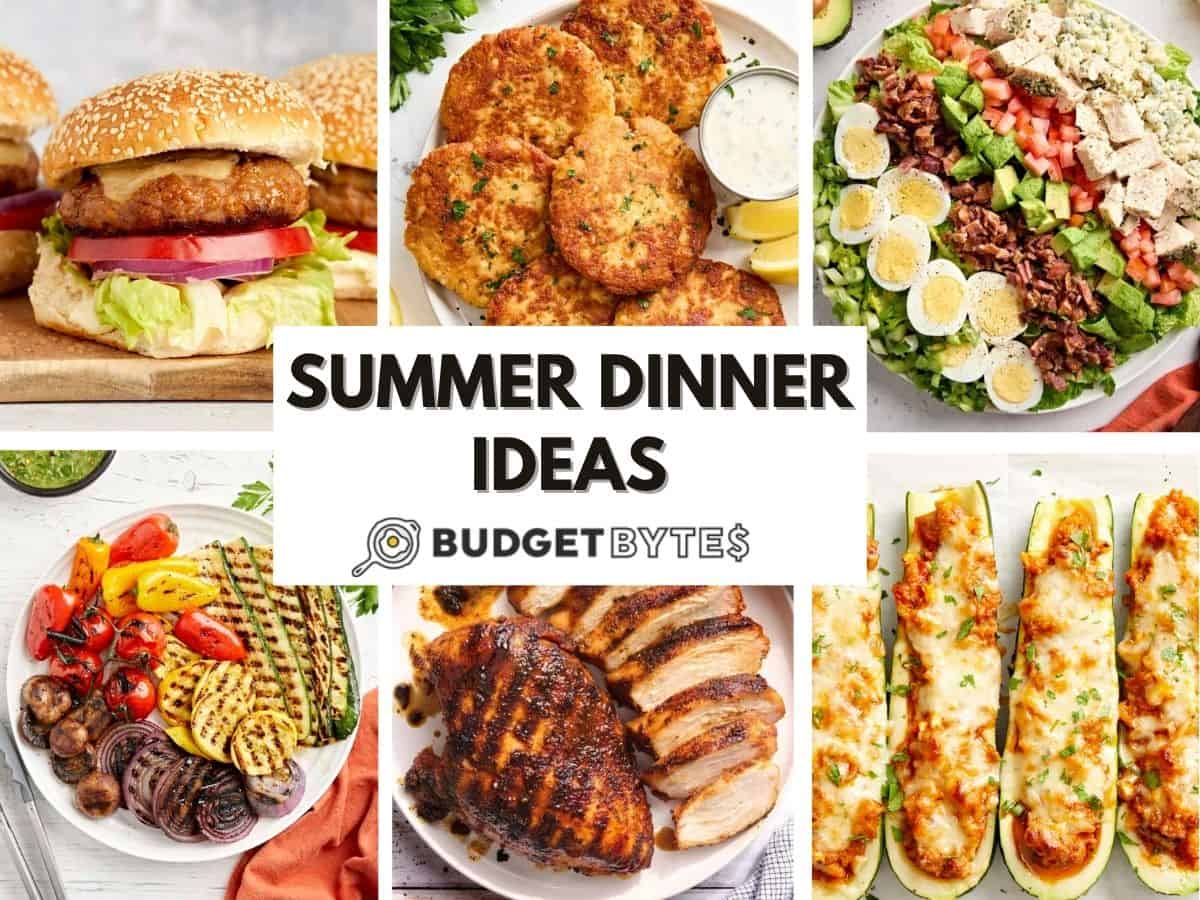
To validate the feasibility of this culinary system, the Nashville Test Kitchen conducted rigorous testing on 14 specific recipes. The financial data, ingredient structures, and culinary techniques of these dishes have been categorized into three distinct strategic groups.
Family-Style Mains: Low-Heat, High-Yield Dinners
These recipes are engineered for maximum volume and flavor complexity, utilizing strategic heat application to feed multiple people without overheating the home.
       Family Main Per-Serving Cost Comparison
       =======================================
       Grilled Chicken                       | $1.28
       Turkey Burgers                        | $1.78
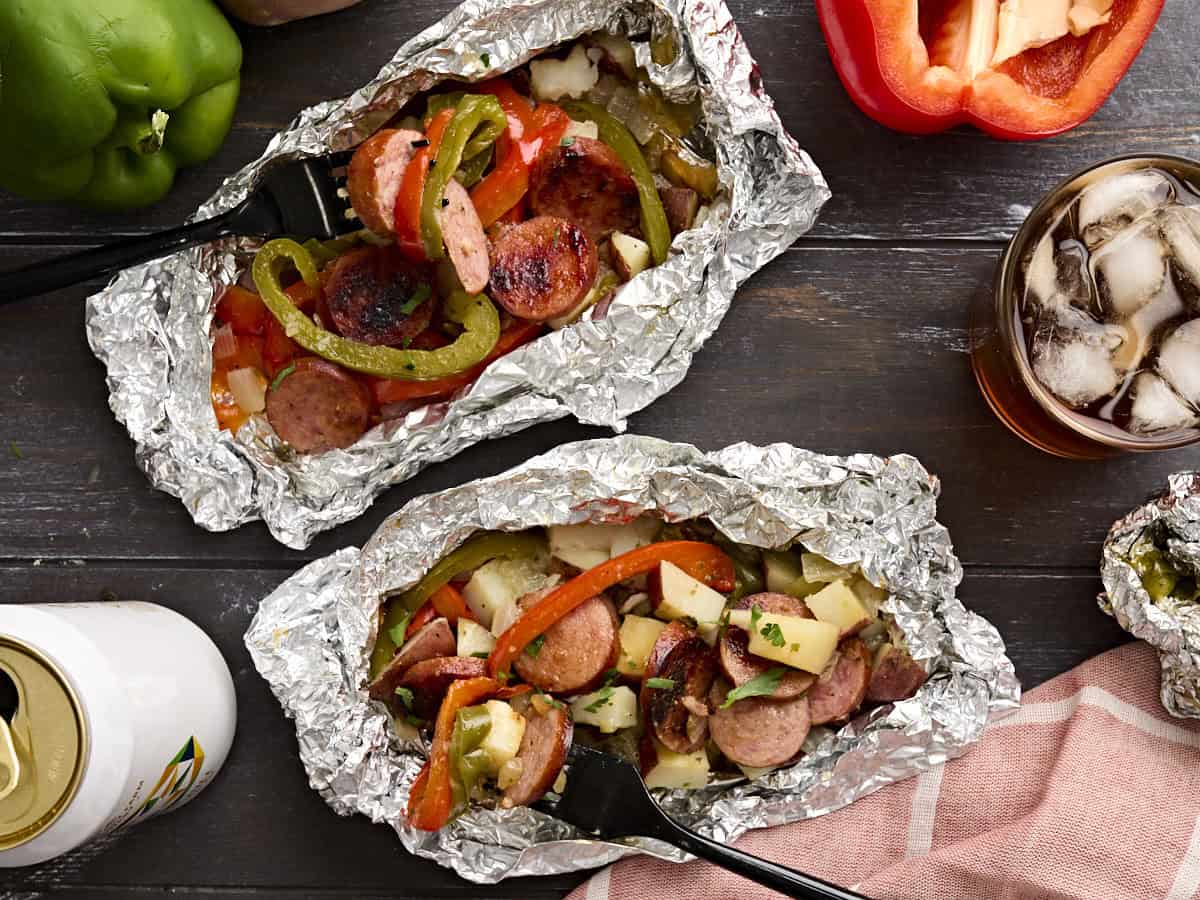
       Sausage & Peppers Foil Packet         | $1.58
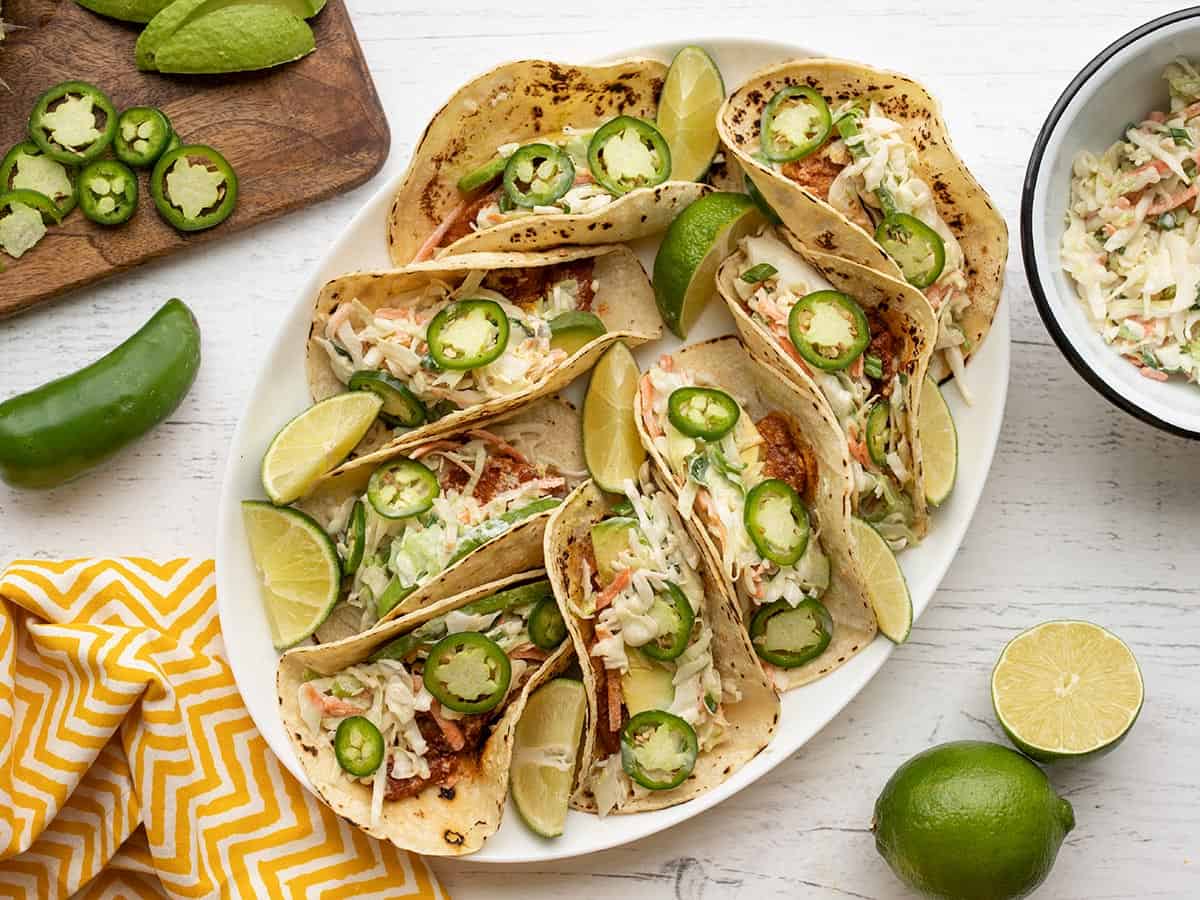
       Fish Tacos with Cumin Lime Slaw       | $2.73
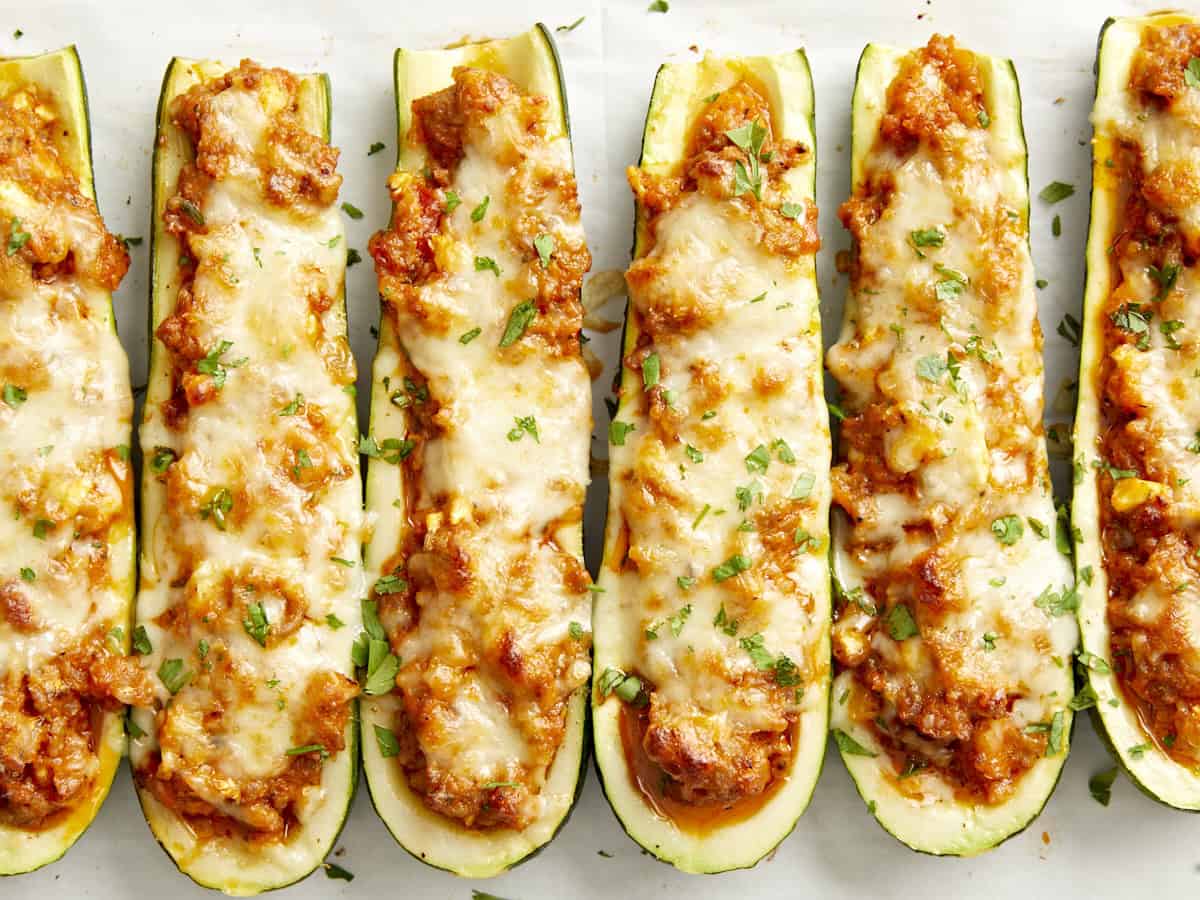
       Zucchini Boats                        | $2.52
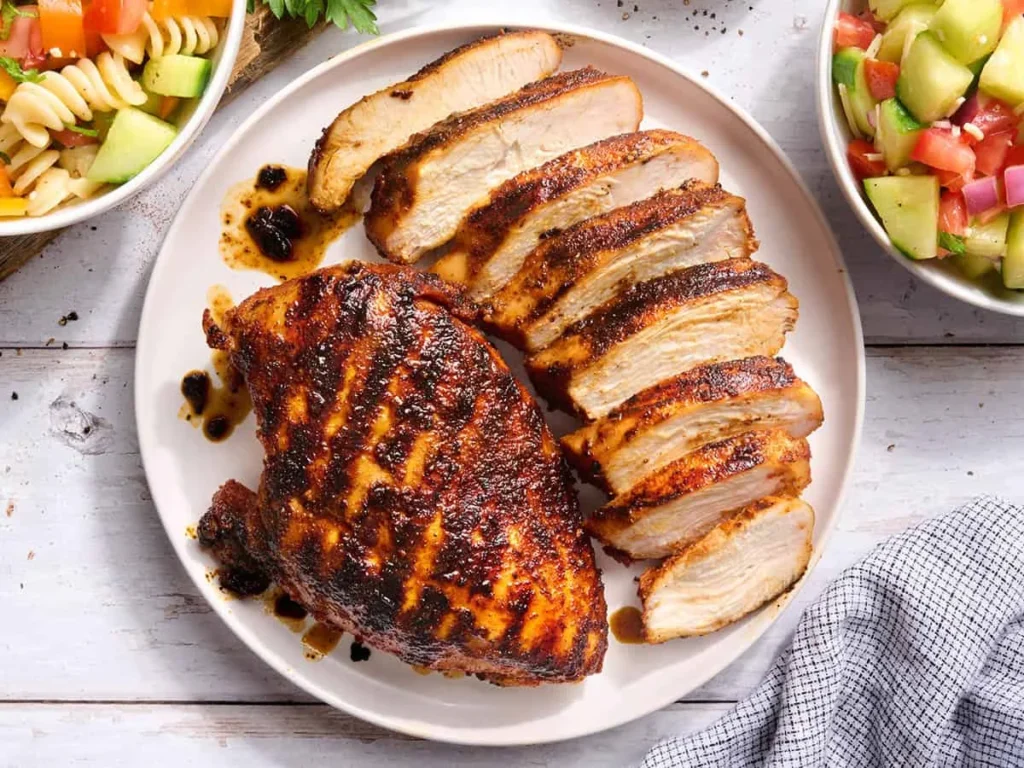
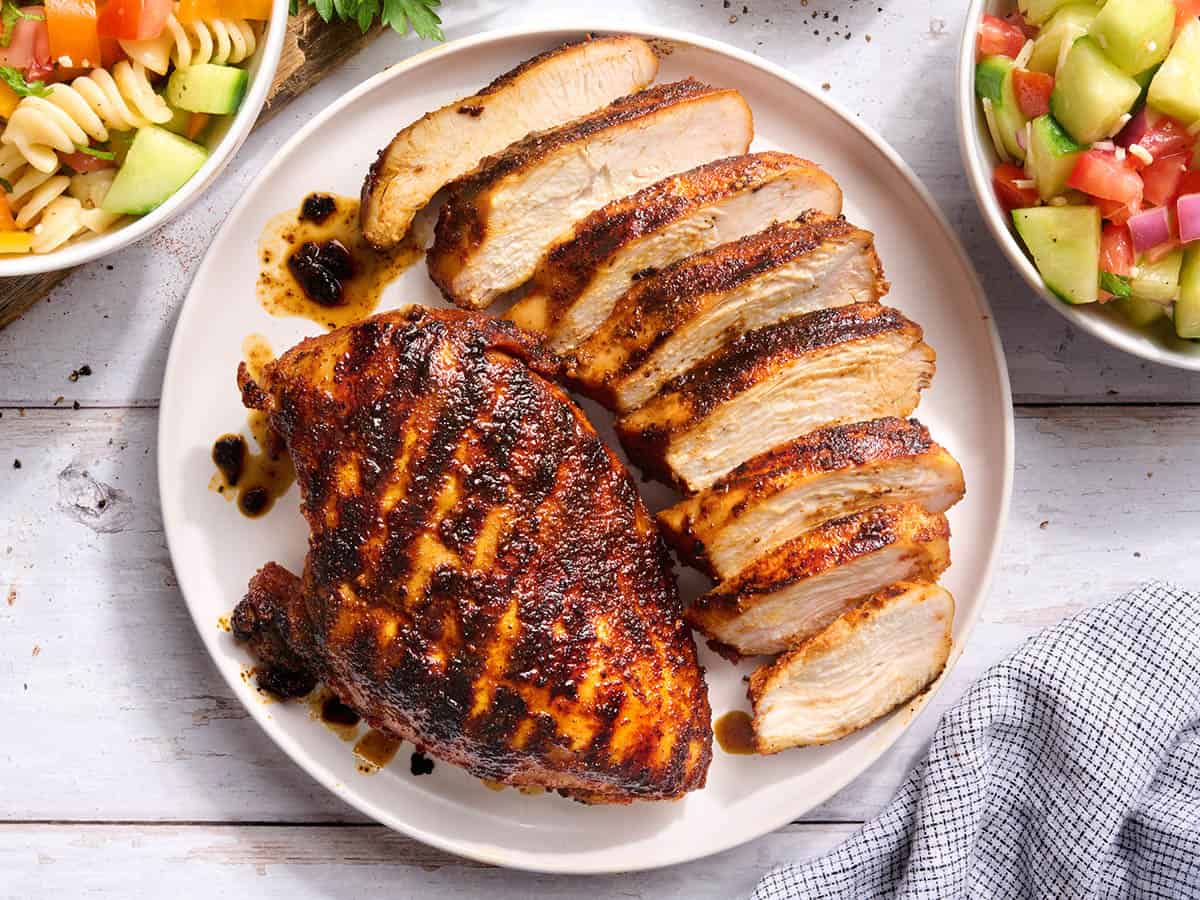
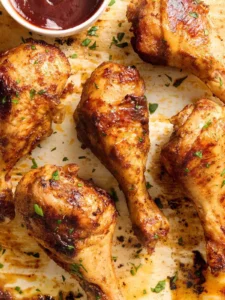
1. Grilled Chicken
Economic Metrics: $5.13 per recipe / $1.28 per serving (Yield: 4 servings)
Culinary Science: This recipe relies on a wet brine to denature chicken breast proteins, allowing them to retain moisture during high-heat grilling. A dry rub composed of brown sugar, garlic powder, smoked paprika, and onion powder creates a caramelized exterior crust via the Maillard reaction without requiring prolonged cooking times.
Strategic Utility: Leftovers serve as the foundation for mid-week salads, wraps, and pasta dishes, making the initial energy expenditure highly efficient.
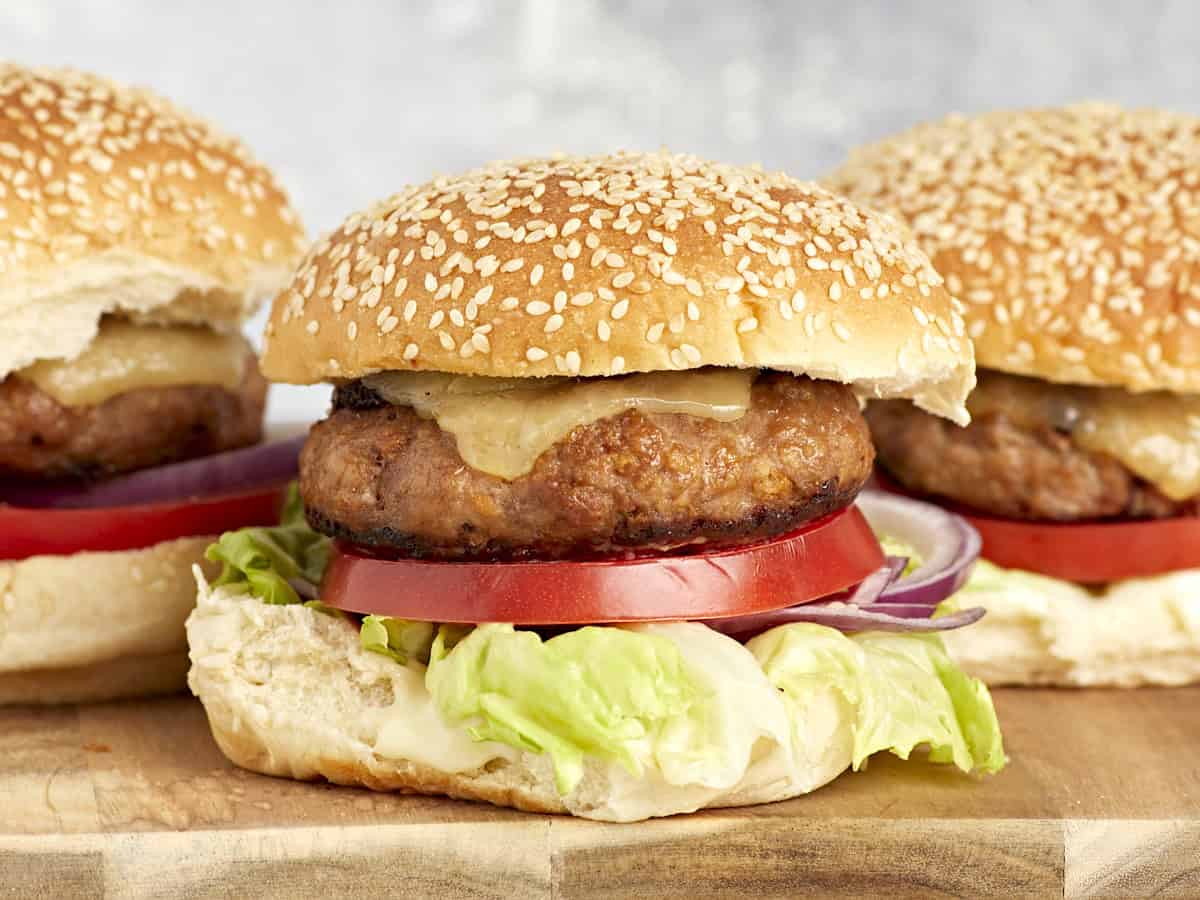
2. Turkey Burgers
Economic Metrics: $7.15 per recipe / $1.78 per serving (Yield: 4 servings)
Culinary Science: Ground turkey is lean and prone to moisture loss. To counteract this, the recipe incorporates umami-rich soy sauce, grated Parmesan cheese, and panko breadcrumbs. The breadcrumbs act as a starch binder, trapping moisture and fat within the protein matrix during grilling.
Strategic Utility: Provides a lighter, more cost-effective alternative to traditional beef patties, with raw portioned patties freezing exceptionally well for future quick-cooking sessions.
3. Grilled Sausage and Peppers Foil Packet
Economic Metrics: $6.31 per recipe / $1.58 per serving (Yield: 4 servings)
Culinary Science: This technique uses aluminum foil envelope packets to create a closed steam environment. Smoked sausage, red potatoes, bell peppers, and onions cook concurrently in their own juices. The steam par-cooks the dense potatoes while the sausage renders fat, seasoning the surrounding vegetables.
Strategic Utility: Zero indoor heat generation and virtually no cleanup make this an ideal choice for high-temperature days or outdoor camping.
4. Fish Tacos with Cumin Lime Slaw
Economic Metrics: $10.93 per recipe / $2.73 per serving (Yield: 4 servings)
Culinary Science: Quick-seared white fish provides a fast-cooking protein source. It is paired with a raw cabbage slaw dressed in a cumin-lime emulsion. The acetic and citric acids in the lime juice soften the cabbage’s cellular walls without cooking, preserving its crisp texture while enhancing digestibility.
Strategic Utility: Ready in under 30 minutes, this meal minimizes kitchen stove time while delivering high levels of vitamin C and lean protein.
5. Zucchini Boats
Economic Metrics: $10.08 per recipe / $2.52 per serving (Yield: 4 servings)
Culinary Science: Hollowed-out summer zucchini serve as edible vessels, eliminating the need for heavy carbohydrate bases like pasta or rice. The zucchini is pre-baked to reduce moisture content before being filled with a pre-cooked sausage and marinara mixture, topped with mozzarella, and quickly melted.
Strategic Utility: A highly effective method for utilizing peak-season summer squash, which can be customized with various vegetable fillings or plant-based meat alternatives.
Nutrient-Dense, High-Satiety Salads
These salads move away from simple greens, incorporating complex carbohydrates, healthy fats, and robust proteins to ensure lasting fullness without requiring any cooking.
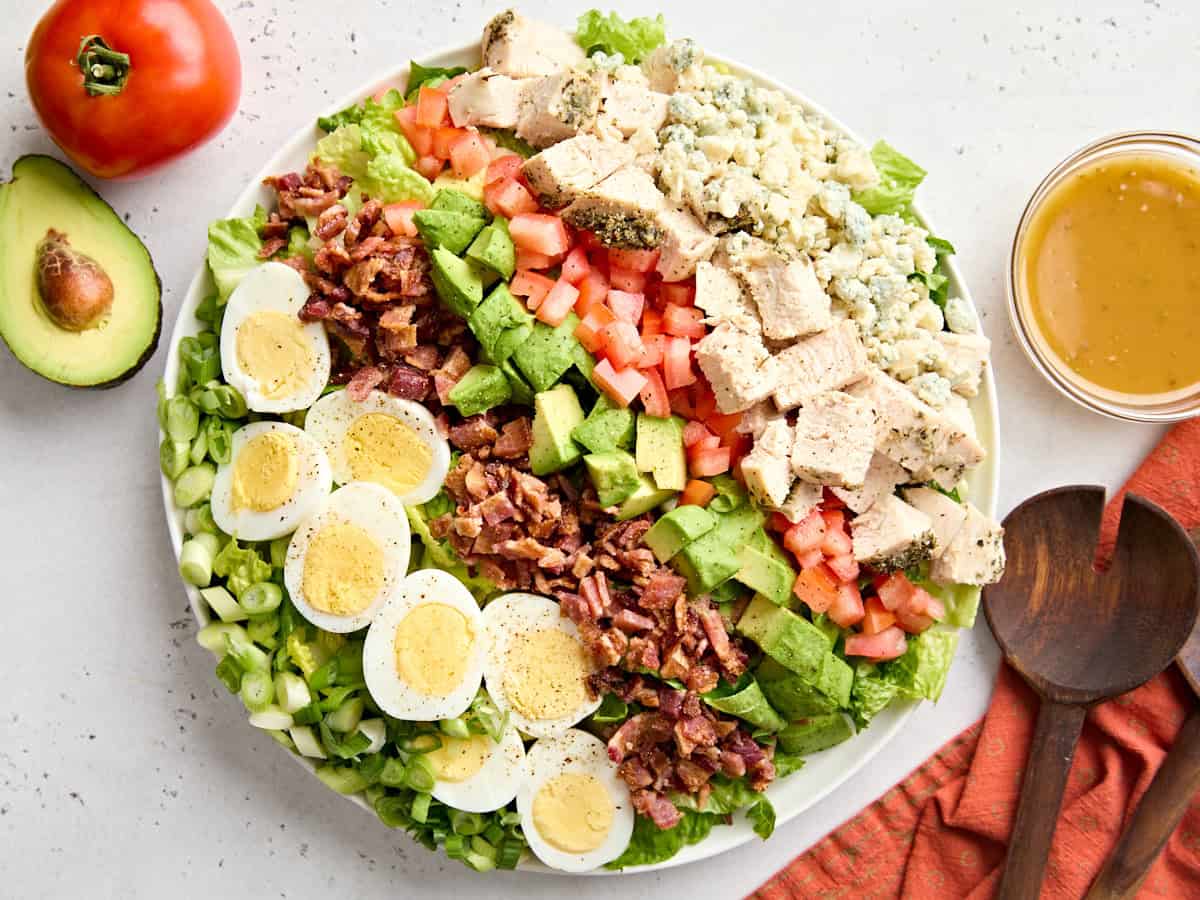
Economic Metrics: $17.98 per recipe / $2.24 per serving (Yield: 8 servings)
Culinary Science: This high-density salad balances macronutrients by combining romaine lettuce with hard-boiled eggs, avocado, cooked chicken, bacon, blue cheese, and a scratch-made red wine vinaigrette. The vinaigrette uses mustard as a natural emulsifier to bind oil and vinegar, ensuring even coating.
Strategic Utility: The presentation allows diners to customize their plates based on individual dietary needs, making it a highly adaptable family meal.
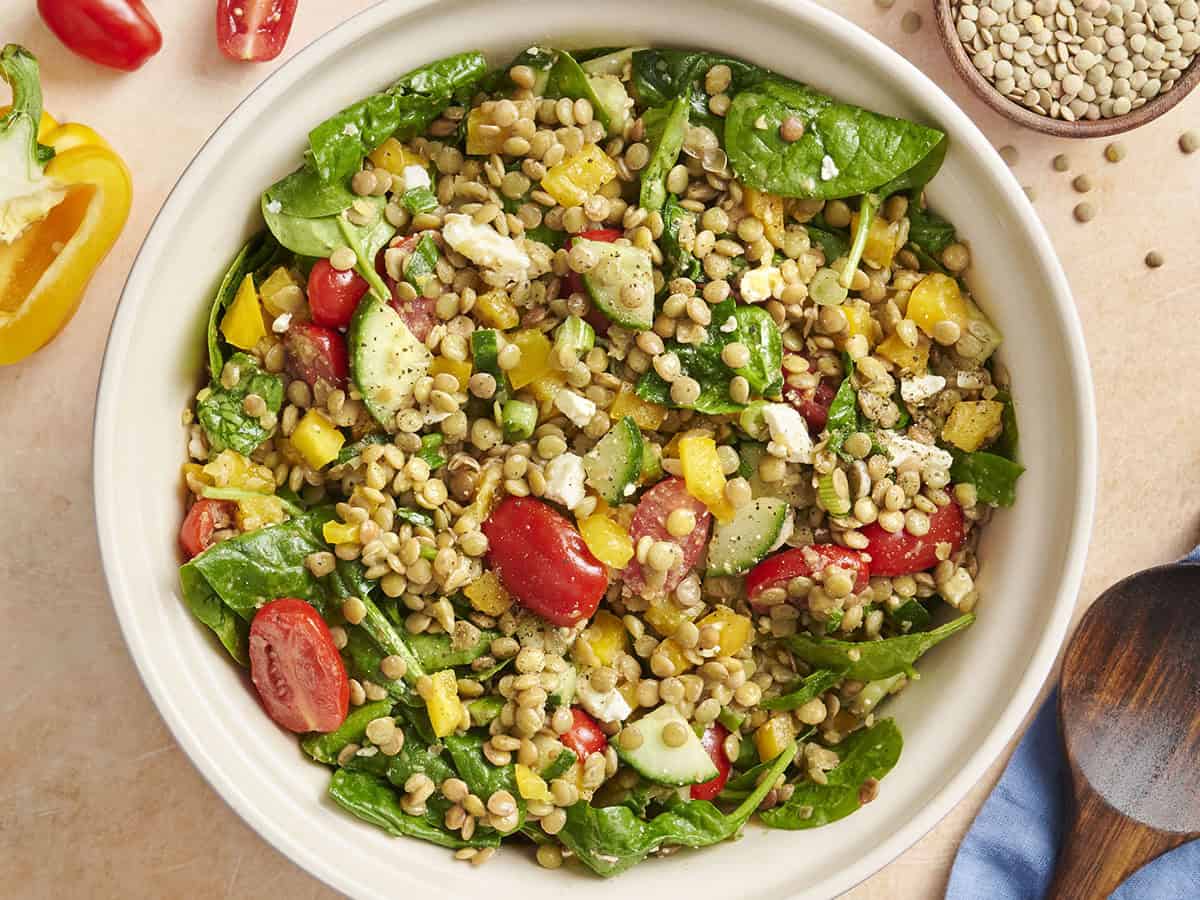
7. Summer Lentil Salad
Economic Metrics: $8.10 per recipe / $1.35 per serving (Yield: 6 servings)
Culinary Science: Brown or green lentils provide a sturdy, high-fiber, and high-protein base that does not degrade when dressed. They are tossed with diced cucumber, bell pepper, cherry tomatoes, and feta cheese, all coated in a sharp lemon-herb dressing.
Strategic Utility: Lentils are an incredibly inexpensive plant protein. This salad keeps well in the refrigerator for up to five days, making it an excellent option for weekly meal prep.
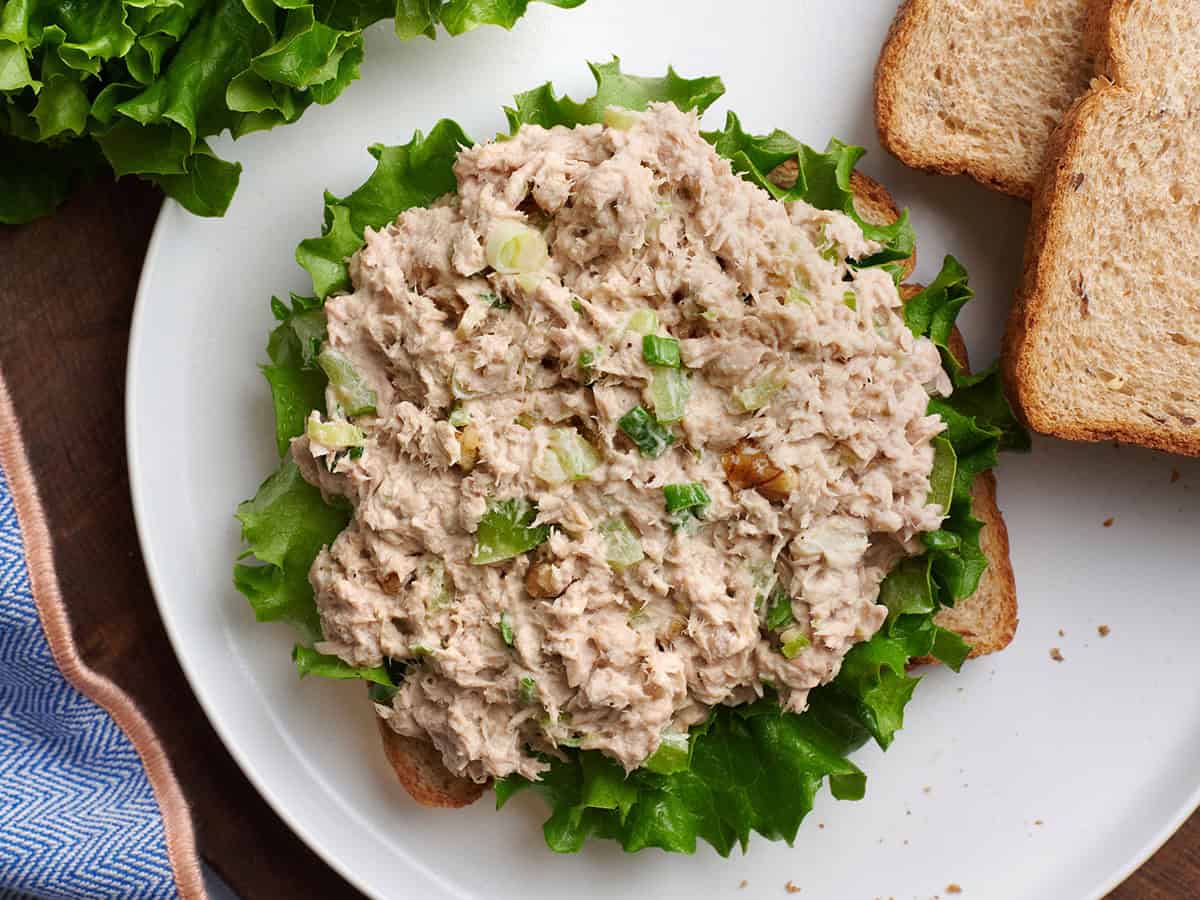
8. Classic Tuna Salad
Economic Metrics: $6.33 per recipe / $1.58 per serving (Yield: 4 servings)
Culinary Science: This recipe upgrades canned tuna by introducing contrast in texture and acidity. Diced celery, green onions, and chopped walnuts provide structural crunch, while fresh lemon juice cuts through the rich mayonnaise base.
Strategic Utility: A classic, zero-cook meal that can be prepared in under ten minutes using shelf-stable pantry items.
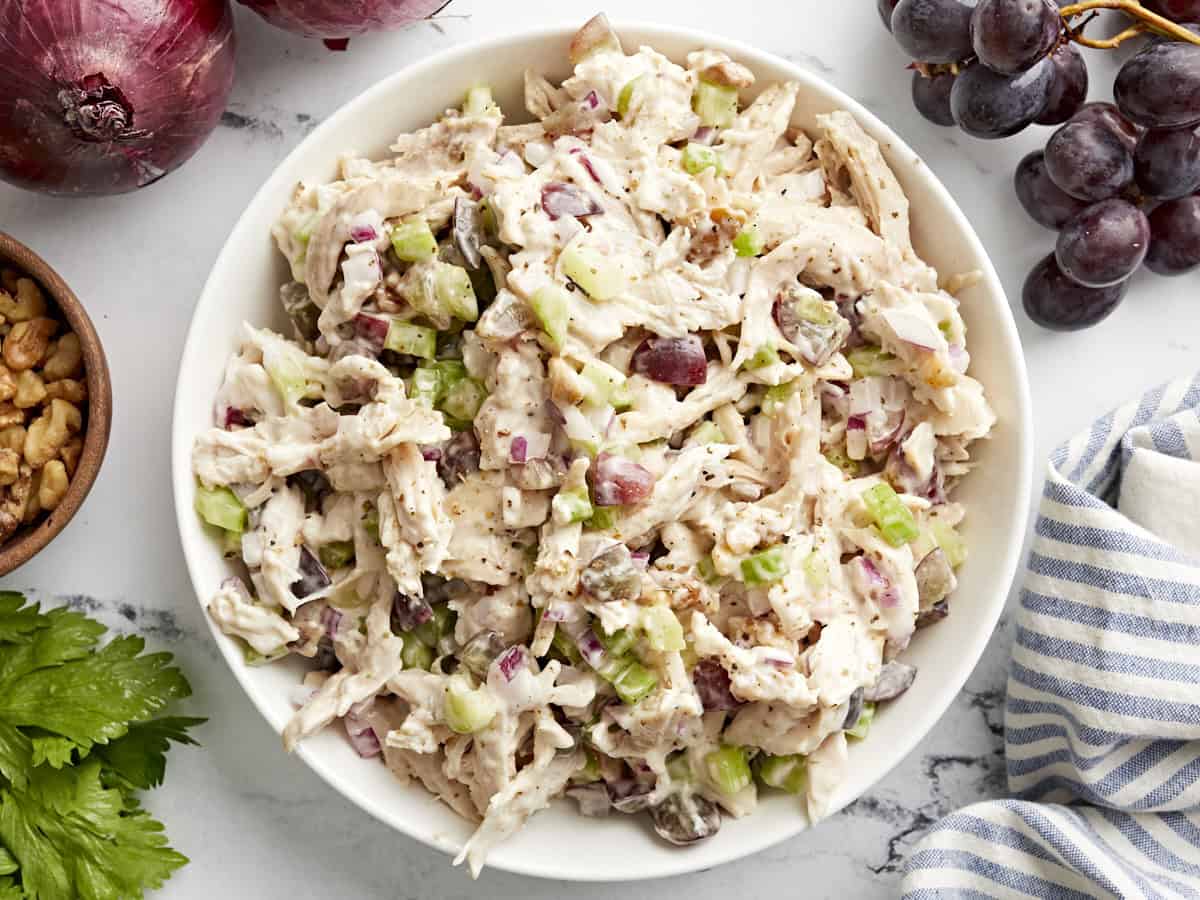
9. Traditional Chicken Salad
Economic Metrics: $11.12 per recipe / $1.39 per serving (Yield: 8 servings)
Culinary Science: This dish combines shredded chicken with a tangy dressing made of mayonnaise, Dijon mustard, and red wine vinegar. Sliced grapes add pockets of sweetness that balance the savory chicken, while celery provides structural crunch.
Strategic Utility: Ideal for repurposing leftover grilled chicken or shredded rotisserie chicken, this recipe yields a large volume of food with zero oven use.
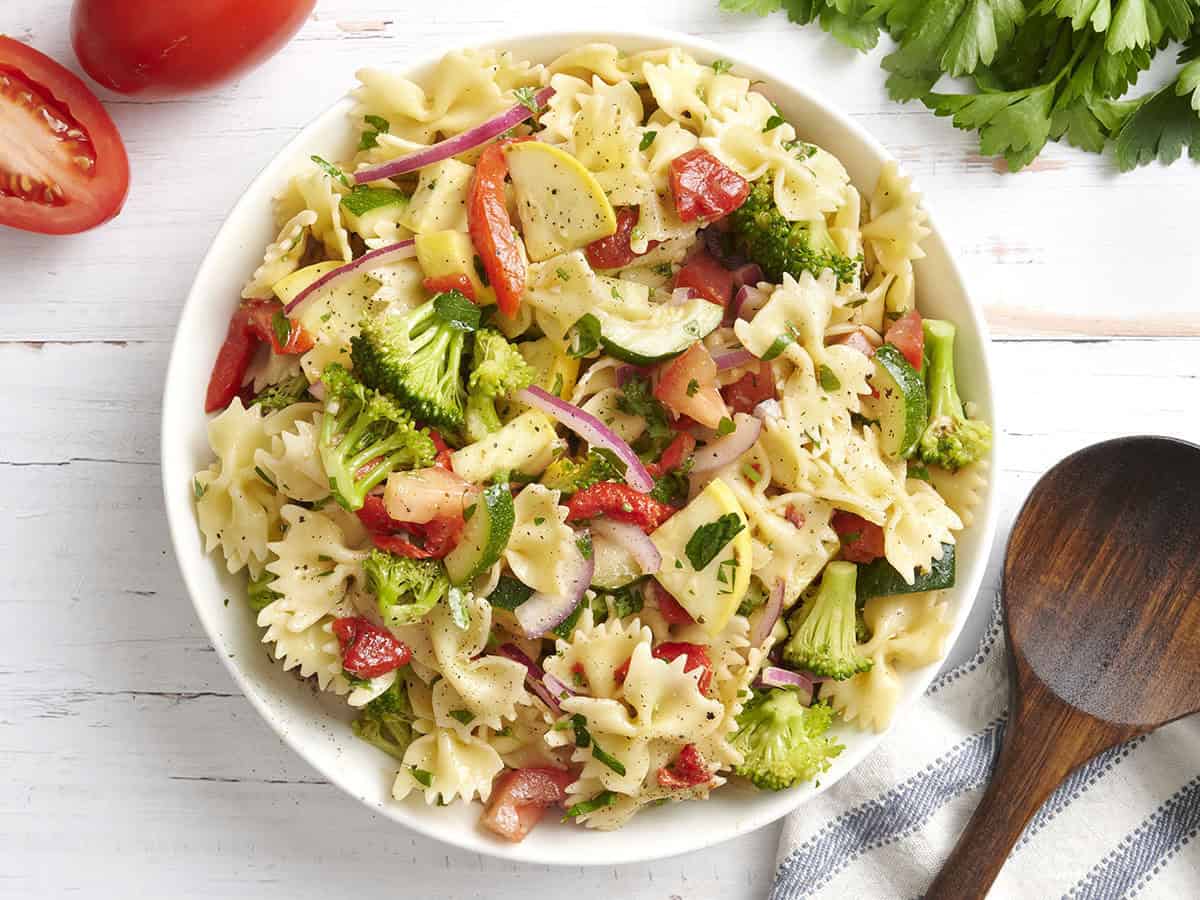
10. Summer Vegetable Pasta Salad
Economic Metrics: $10.21 per recipe / $1.02 per serving (Yield: 10 servings)
Culinary Science: Short pasta (such as rotini or farfalle) is tossed with raw, bite-sized summer vegetables—including yellow squash, zucchini, broccoli, and red onions—and a zesty vinaigrette. As the salad sits, the acidic dressing lightly marinates the raw vegetables, softening their texture while keeping them crisp.
Strategic Utility: This recipe yields ten generous portions at just over one dollar per serving, making it highly cost-effective for large families or summer gatherings.
Light Bites: High-Protein, Quick-Prep Dishes
These smaller dishes are designed for hot evenings when appetites are naturally lower, focusing on quick cooking methods and pantry ingredients.
Economic Metrics: $3.18 per recipe / $0.80 per serving (Yield: 4 servings)
Culinary Science: Canned tuna is combined with egg, breadcrumbs, Dijon mustard, and lemon juice, then shaped into small cakes and pan-fried. The egg proteins coagulate upon heating, locking the flaked fish into a cohesive patty, while the outer breadcrumbs fry to a crisp finish.
Strategic Utility: At just $0.80 per serving, this is the most economical high-protein recipe in the collection, requiring only minutes of active stovetop cooking.
12. Salmon Patties
Economic Metrics: $8.16 per recipe / $1.36 per serving (Yield: 6 servings)
Culinary Science: This recipe uses canned pink salmon as a convenient, budget-friendly source of omega-3 fatty acids. Similar to the tuna patties, it relies on a starch-and-egg binder, seasoned with minced onion and lemon, to create a delicate seafood cake that pan-frys quickly.
Strategic Utility: Offers the nutritional benefits of wild-caught salmon at a fraction of the cost of fresh fillets, without the delicate heat management that fresh fish requires.
13. Grilled Vegetables
Economic Metrics: $7.75 per recipe / $0.97 per serving (Yield: 8 servings)
Culinary Science: High-surface-area cuts of zucchini, yellow squash, red onions, mushrooms, and bell peppers are tossed in oil and seared over direct flame. The intense heat caramelizes the natural sugars in the vegetables, creating a smoky flavor profile.
Strategic Utility: An excellent way to process large volumes of seasonal produce, these vegetables can be served hot as a side dish or cold in wraps and salads later in the week.
14. Fried Green Tomatoes
Economic Metrics: $6.85 per recipe / $1.37 per serving (Yield: 5 servings)
Culinary Science: Slices of firm, unripe green tomatoes are dredged in seasoned flour, dipped in buttermilk, coated in coarse yellow cornmeal, and pan-fried. The natural acidity of the green tomato prevents it from turning mushy when heated, while the cornmeal crust creates a crisp shell.
Strategic Utility: A classic regional dish that utilizes early-harvest or garden-glut tomatoes, providing a satisfying, crunchy snack or light dinner component.
Official Responses: Culinary and Economic Insights from the Nashville Test Kitchen
To better understand how these recipes help home cooks balance their budgets and stay cool, we look to the testing standards of the Nashville Test Kitchen. The facility operates under strict guidelines to ensure all developed dishes remain accessible to the average consumer.
                  Nashville Test Kitchen Testing Protocol
                  =======================================
                  [Cost Cap: <$3.00 Per Serving]
                                 │
                  [Sourcing: Standard Supermarket Ingredients]
                                 │
                  [Thermodynamics: Minimal Appliance Heat Output]
                                 │
                  [Satiety: Balanced Protein-Fiber Profiles]
Chef Jess Rice, drawing on her experience as an international culinary instructor and raw food restaurateur, emphasizes the importance of balancing flavor and structure when developing low-heat, budget-friendly meals:
"Budget cooking should never mean compromising on culinary technique. In the summer, our focus shifts to maximizing acidity, salt, and texture. When you reduce cooking times, you lose some of the natural flavor development that comes with slow simmering or roasting. We compensate for this by using quick marinades, fresh citrus dressings, and crisp, raw vegetables to keep dishes bright and satisfying."
The test kitchen’s development notes also highlight how critical ingredient selection is to keeping costs down. By using canned fish (such as tuna and salmon) and plant-based proteins (such as lentils), the kitchen provides options that bypass the price volatility of fresh meats.
Furthermore, the facility’s guidelines require that all ingredients be readily available at standard supermarkets, avoiding specialty shops that drive up grocery bills.
Implications: The Broader Social, Health, and Environmental Impact of Thermal-Efficient Cooking
The widespread adoption of thermal-efficient, budget-conscious meal planning has significant positive impacts on household finance, public health, and environmental sustainability.
                         Macro Impacts of Thermal-Efficient Cooking
                         ==========================================

       [ECONOMIC]        ──> Reduces monthly grocery spend by up to 35%
                         ──> Decreases household utility costs (less AC & appliance use)

       [ENVIRONMENTAL]   ──> Lowers residential energy demand during peak grid hours
                         ──> Reduces household organic waste via preservation techniques

       [NUTRITIONAL]     ──> Increases intake of raw, micronutrient-dense produce
                         ──> Promotes heart-healthy fats (omega-3s) and plant proteins
Household Economics
By keeping average serving costs around $1.64, a family of four can eat nutritious dinners for approximately $46 per week. This represents a savings of 30% to 50% compared to standard convenience-food diets, freeing up household funds for other essential expenses in an inflationary economy.
Residential Energy Efficiency
Standard kitchen appliances, particularly ovens and stovetops, release significant ambient heat into the home. On a 90-degree day, running an oven for an hour forces the home’s air conditioning system to work harder, noticeably increasing utility bills.
By shifting to outdoor grilling, brief stovetop cooking, or no-cook prep, households can lower their overall electricity usage and help ease demand on regional power grids during peak summer hours.
Public Health and Nutrition
High-temperature cooking can sometimes degrade delicate vitamins and enzymes in fresh produce. Emphasizing raw vegetables, quick-cooking techniques, and acidic dressings preserves key micronutrients—such as vitamin C, folate, and active antioxidants.
Additionally, incorporating budget-friendly proteins like lentils and canned seafood encourages a balanced intake of dietary fiber and heart-healthy omega-3 fatty acids, proving that economical eating can support long-term wellness.