Elevating the Breakfast Table: How the Cottage Cheese Egg Trend Blends Culinary Science, Nutrition, and Economic Value
The intersection of economic pragmatism and wellness culture has sparked a quiet revolution in the home kitchen. As consumers seek high-protein, low-cost meals that do not compromise on texture or flavor, simple ingredients are being reimagined through the lens of modern food science.
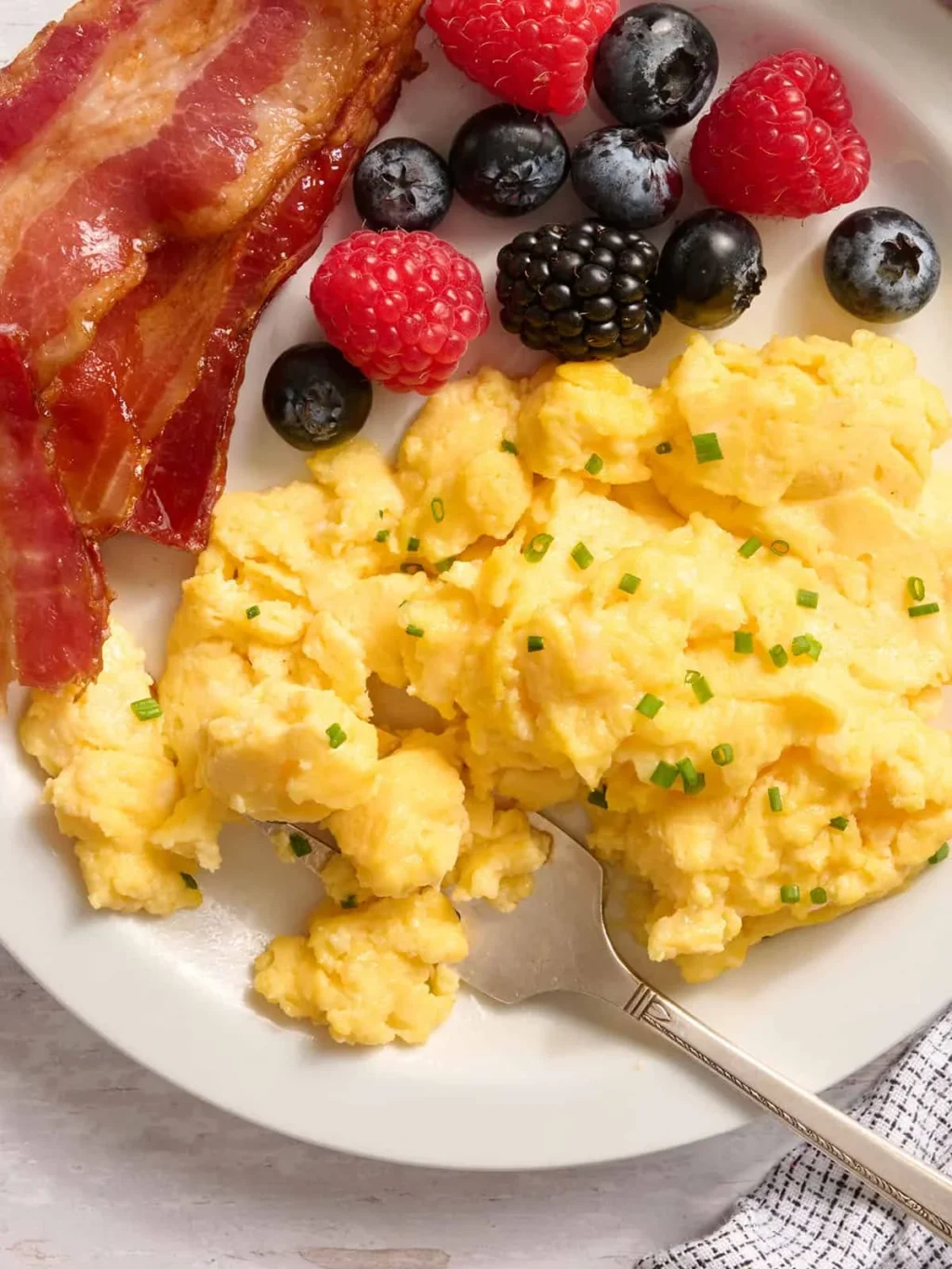
Among these innovations, the integration of cottage cheese into scrambled eggs has emerged as a standout culinary technique. This approach elevates standard scrambled eggs into an ultra-creamy, protein-dense breakfast using just four basic ingredients.
Historically dismissed by some as a relic of mid-century diet culture, cottage cheese is experiencing a significant culinary renaissance. When combined with eggs, it acts as a structural and textural modifier, yielding soft, pillowy curds and a rich, mild flavor profile.
This article explores the science, preparation, economics, and implications of this breakfast innovation, drawing on insights from professional culinary testing.
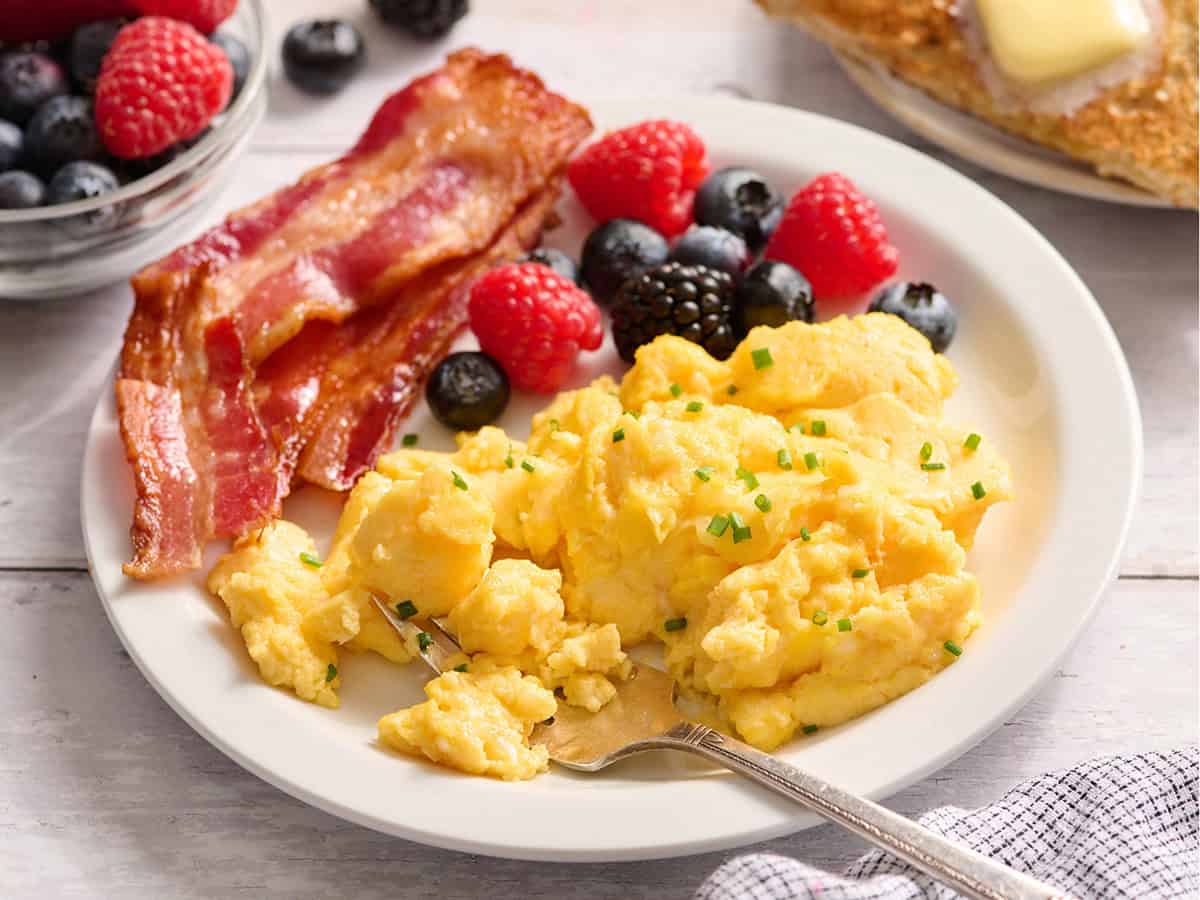
Main Facts: The Anatomy of a Modern Breakfast Upgrade
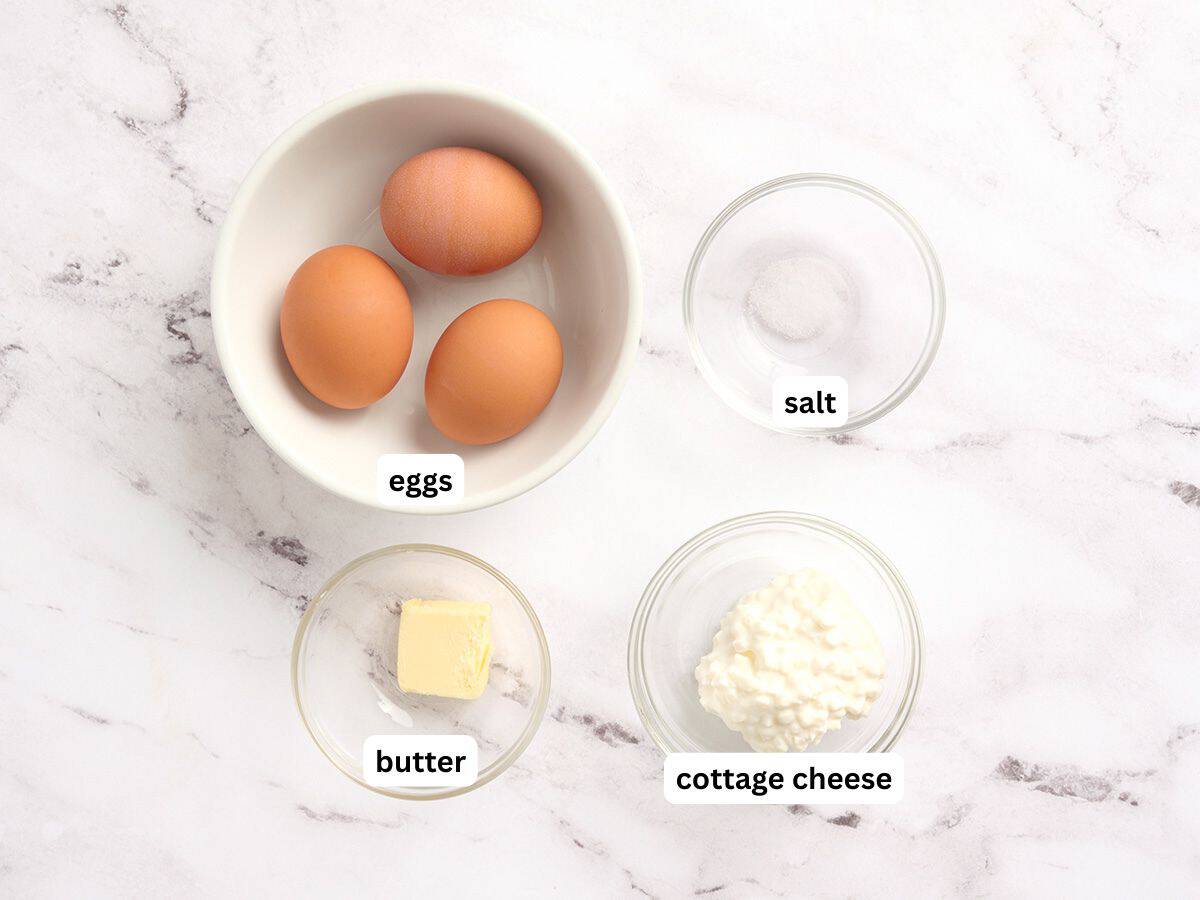
At its core, the cottage cheese egg recipe is a study in culinary efficiency. Designed to be completed in under 15 minutes, the dish requires only four ingredients: eggs, cottage cheese, butter, and salt. Despite its simplicity, the dish delivers a sophisticated texture that mimics French-style scrambled eggs, which traditionally require constant whisking and excessive amounts of butter.
+-------------------------------------------------------------------+
|                     RECIPE AT A GLANCE                            |
+-------------------------------------------------------------------+
| Prep Time: 5 minutes        | Cook Time: 10 minutes               |
| Yield: 2 servings           | Cost per Serving: $0.29             |
| Total Cost: $0.58           | Key Benefit: 11g Protein / Serving  |
+-------------------------------------------------------------------+
The success of the dish relies on the physical properties of cottage cheese. Unlike hard cheeses, which melt into stringy pools when heated, cottage cheese contains distinct curds suspended in liquid whey. When cooked gently with beaten eggs, these curds retain some of their structural integrity, creating pockets of warm, creamy moisture throughout the scramble.
From a nutritional perspective, this combination offers a powerful synergy. Eggs are a complete protein source, containing all nine essential amino acids. Cottage cheese, which is rich in casein protein, complements the egg proteins while significantly boosting the overall protein-to-calorie ratio of the meal. The resulting dish delivers approximately 11 grams of protein and 172 calories per serving, making it an ideal option for fitness enthusiasts and budget-conscious families alike.
Chronology: The Culinary Science of Cottage Cheese Eggs
Achieving the perfect texture requires precise heat control and mechanical handling. Below is the chronological progression of the culinary process, detailed through the principles of food science.
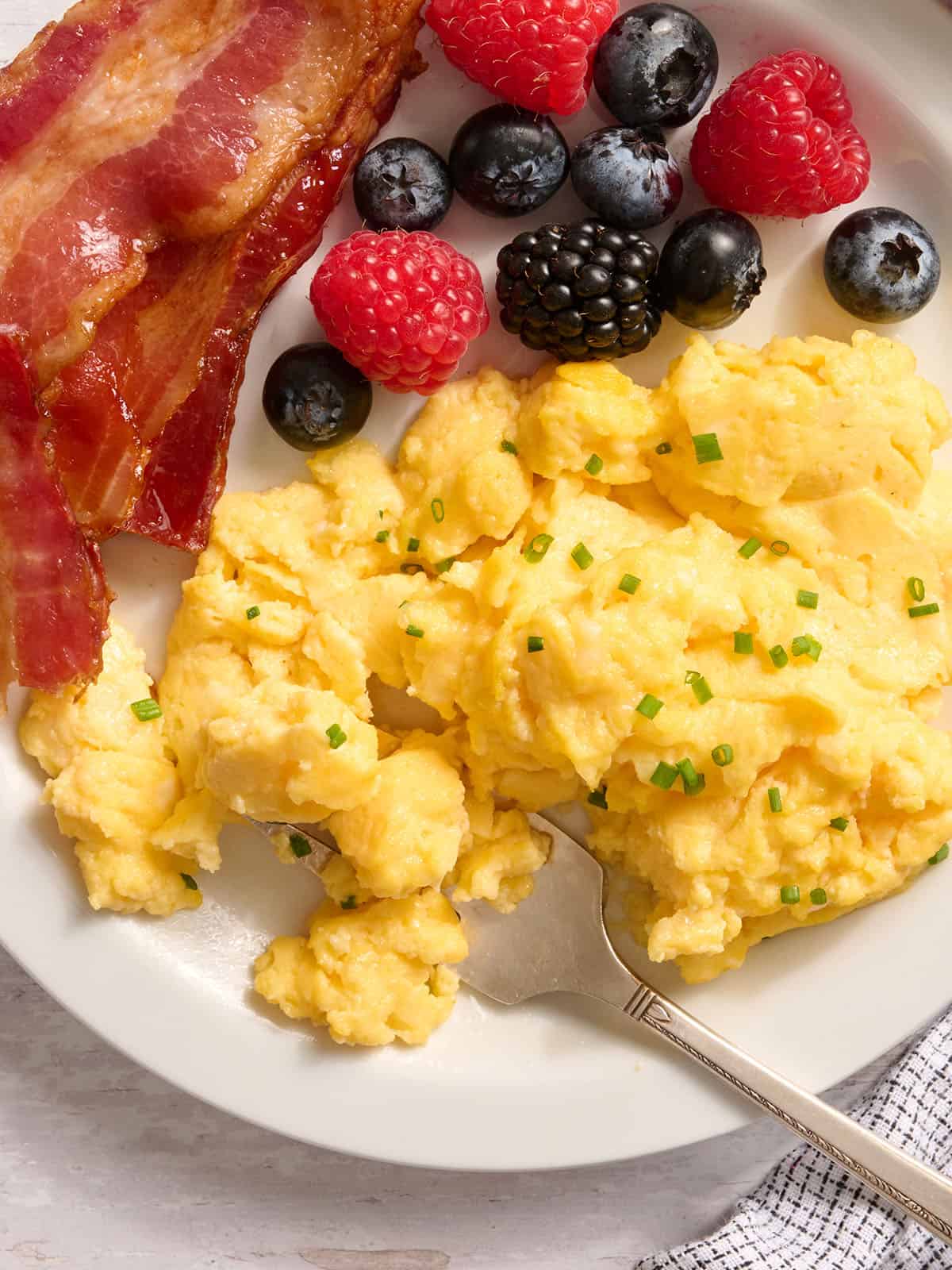
[Phase 1: Whisking] ---> [Phase 2: Folding] ---> [Phase 3: Thermal Prep] ---> [Phase 4: Folding/Cooking] ---> [Phase 5: Carryover]
  Emulsify eggs &          Gently integrate       Melt butter over         Slowly push curds             Remove early; let
  denature proteins        cottage cheese curds   medium-low heat          from edges to center          residual heat finish
Phase 1: Emulsification and Air Incorporation
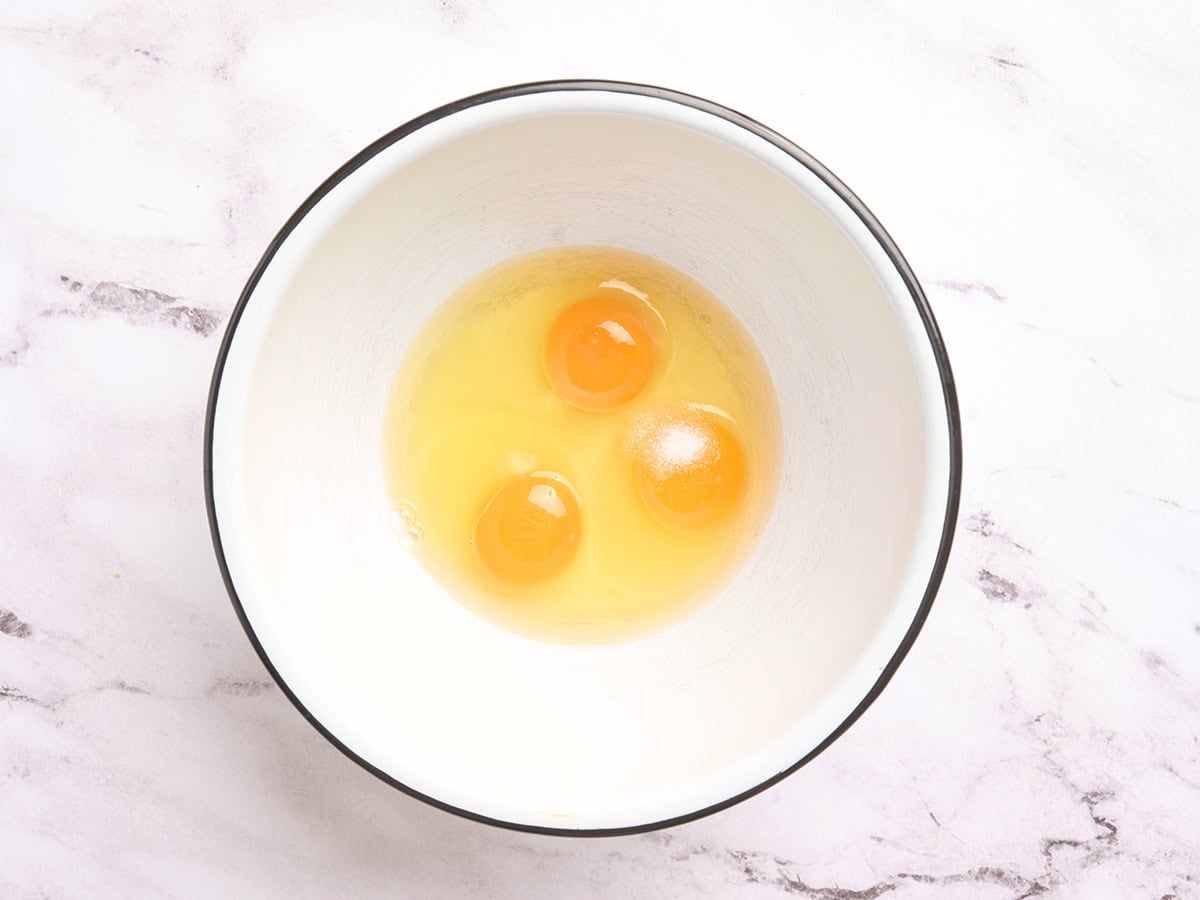
The process begins by cracking three large eggs into a medium mixing bowl and adding one-eighth of a teaspoon of salt. The eggs must be whisked vigorously until the yolk and white are fully homogenized, forming a uniform, sunny-yellow liquid with no visible translucent streaks of albumen.
This step is critical: whisking introduces air into the mixture, which expands during cooking to create a lighter texture. Furthermore, the salt begins to break down the tightly bound protein strands in the egg whites, allowing them to cook more evenly without expelling moisture.
Phase 2: Integrating the Dairy Curds
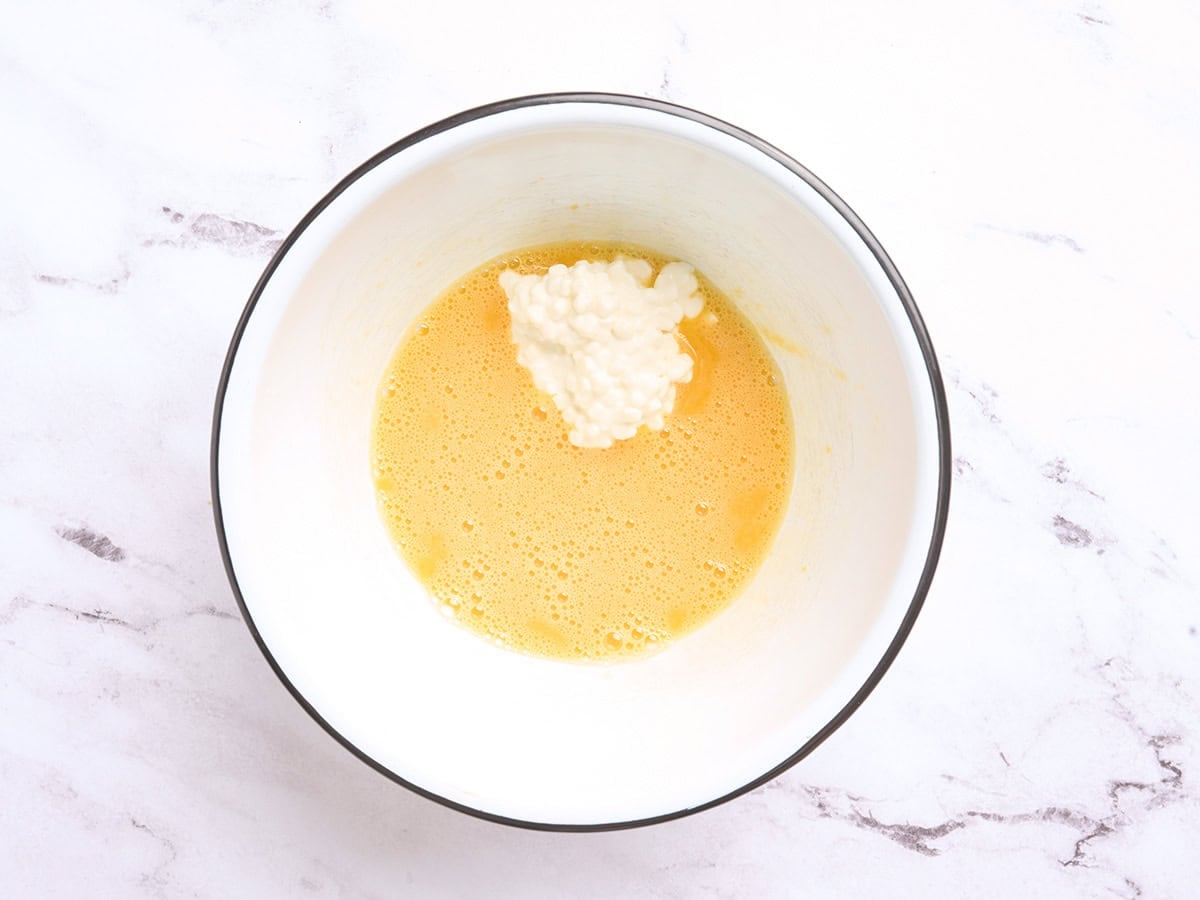
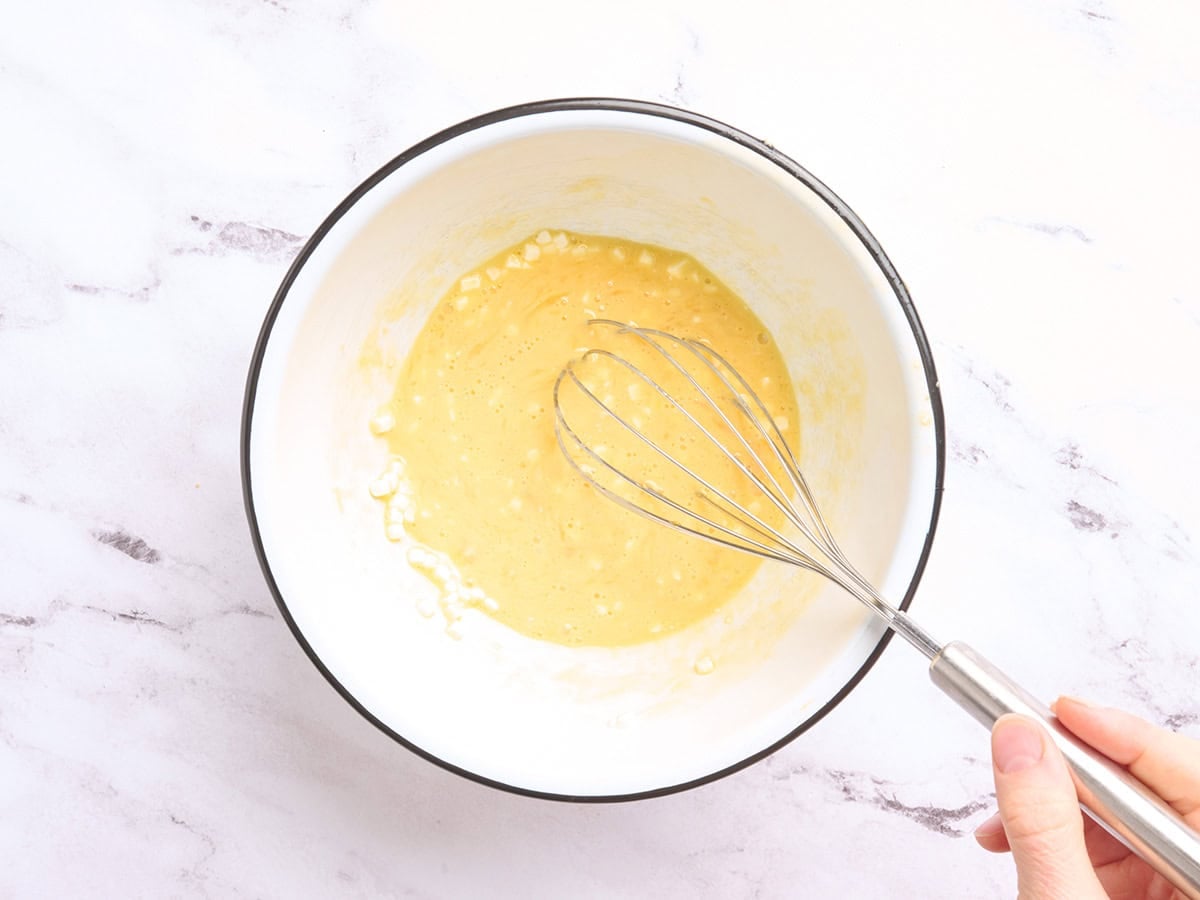
Once the eggs are emulsified, two tablespoons of cottage cheese (preferably 4% milkfat) are added to the bowl. The chef must switch from vigorous whisking to a gentle folding motion.
The goal is to distribute the cottage cheese evenly throughout the liquid egg without breaking down the individual curds. Preserving these curds is essential for creating the characteristic pockets of creaminess in the finished dish.
Phase 3: Thermal Application and Pan Preparation
A non-stick skillet is placed over medium-low heat, and one tablespoon of butter is added. The butter must melt slowly until it becomes lightly foamy, but it should not be allowed to brown.
Browning indicates that the water content in the butter has evaporated and the milk solids are caramelizing. For this recipe, keeping the butter yellow and sweet preserves the clean flavor profile of the eggs and cheese.
Phase 4: Controlled Coagulation and Scrambling
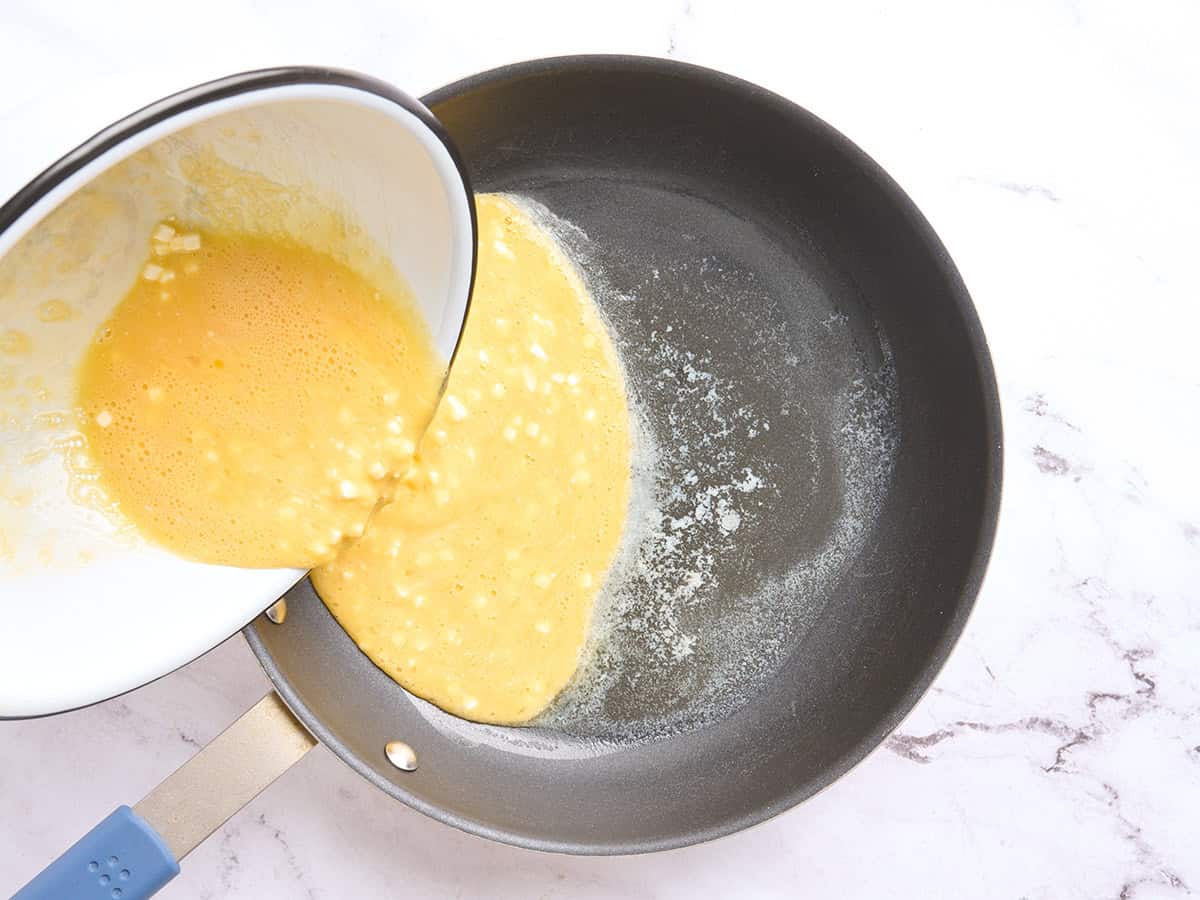
The egg and cheese mixture is poured into the warm skillet. It must sit undisturbed for several seconds until the edges begin to set and turn opaque.
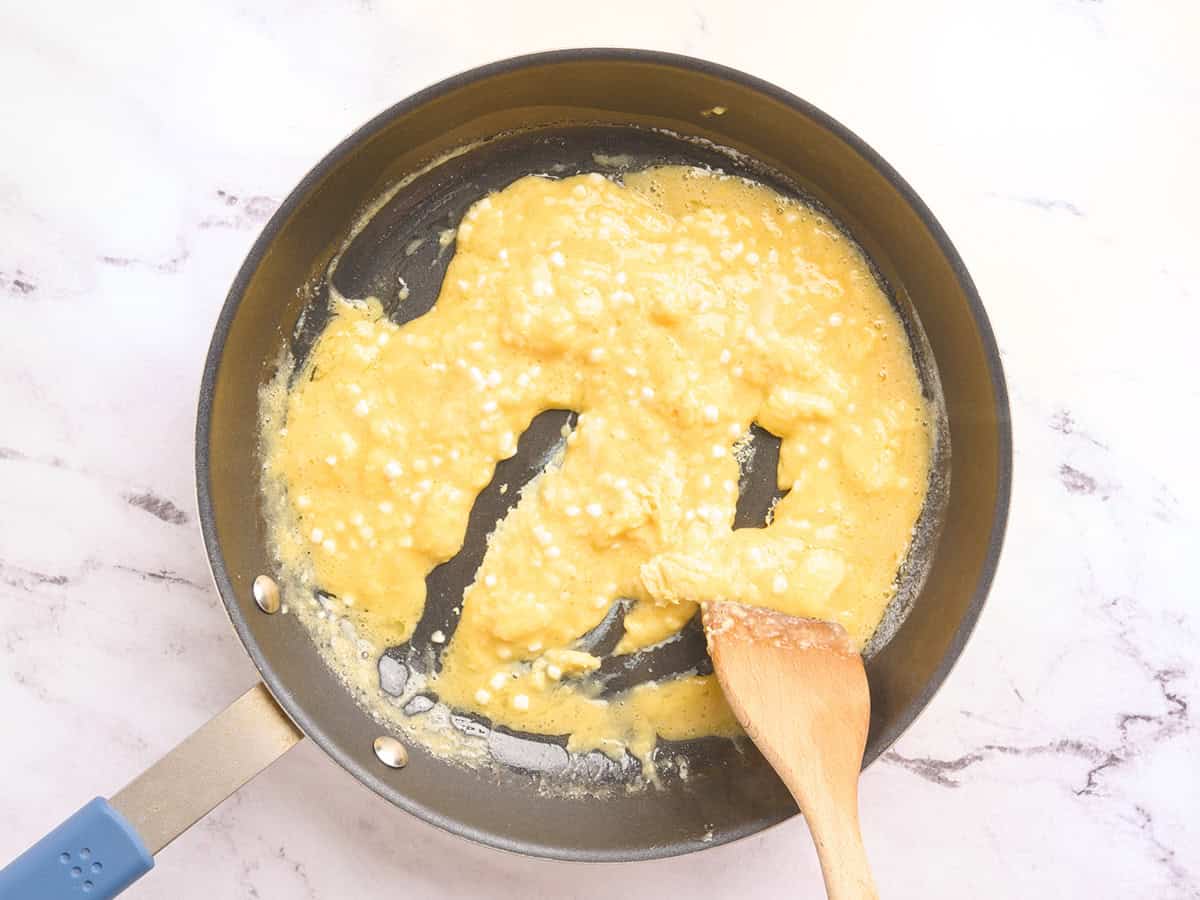
Using a heat-resistant silicone spatula or wooden spoon, the cook slowly pushes the cooked egg from the outer edges of the pan toward the center. This allows the uncooked, liquid egg to flow into the empty spaces and make direct contact with the pan’s surface.
The stirring must be occasional and deliberate, rather than continuous. Continuous stirring breaks the coagulating proteins into tiny, dry fragments, whereas slow folding encourages the formation of large, tender curds.
Phase 5: Carryover Cooking and Plating
The pan must be removed from the heat source while the eggs still appear slightly glossy and wet. Eggs are highly sensitive to carryover cooking—the phenomenon where food continues to cook from residual heat even after being removed from the stove.
If left on the heat until they appear completely dry in the pan, the eggs will become rubbery and weep water by the time they are plated. Serving the eggs immediately ensures optimal creaminess and moisture retention.
Supporting Data: Nutritional Metrics and Market Economics
To understand the broader appeal of this dish, it is helpful to examine both its nutritional composition and its economic efficiency. The following data highlights why this recipe is highly competitive in the modern food landscape.
Macro-Nutrient Profile
A single serving of these cottage cheese scrambled eggs provides a balanced distribution of macronutrients, making it highly compatible with low-carbohydrate, high-protein, and gluten-free dietary regimens.
+-------------------------------------------------------------+
|               NUTRITIONAL FACTS (PER SERVING)               |
+-------------------------------------------------------------+
| Calories: 172 kcal                                          |
| Carbohydrates: 1 g (0% Daily Value)                         |
| Protein: 11 g (22% Daily Value)                             |
| Total Fat: 13 g (20% Daily Value)                           |
| Sodium: 344 mg (15% Daily Value)                            |
+-------------------------------------------------------------+
Financial Breakdown and Cost Efficiency
In an era of persistent food inflation, the cost-to-benefit ratio of home-cooked meals is heavily scrutinized. This recipe stands out as an exceptionally budget-friendly option.
- Total Recipe Cost: $0.58
- Cost Per Serving: $0.29 (Yields 2 servings)
By comparison, a pre-packaged, microwaveable high-protein breakfast cup or a commercial egg bite from a coffee chain can cost anywhere from $3.00 to $6.00 per serving. Preparing this dish at home offers a savings of over 90% compared to commercial alternatives, while delivering superior taste and avoiding artificial preservatives.
Agricultural Market Trends
The affordability of this dish is closely tied to the stabilization of global agricultural markets. Between 2022 and 2023, the poultry industry was severely disrupted by outbreaks of Highly Pathogenic Avian Influenza (HPAI), which led to the loss of millions of egg-laying hens in the United States and Europe. Consequently, egg prices skyrocketed, forcing consumers to ration their purchases or seek alternative protein sources.
Fortunately, market data from 2024 and 2025 indicates that egg production has recovered and prices have stabilized. Eggs have reclaimed their status as one of the most cost-effective, high-quality proteins available on supermarket shelves. This stabilization makes egg-based recipes highly attractive to budget-conscious households once again.
Official Responses: Expert Commentary from the Nashville Test Kitchen
To validate the reliability and culinary appeal of this recipe, it was subjected to rigorous testing at the Budget Bytes Test Kitchen in Nashville, Tennessee. The kitchen’s primary mandate is to develop recipes that are easy, affordable, and consistently reproducible for home cooks of all skill levels.
"The beauty of this recipe lies in its simplicity and accessibility.
By adding a small amount of cottage cheese, we are introducing both
fat and moisture that buffer the egg proteins against overcooking."
                                                      — Chef Jess Rice
The Chef’s Perspective
Jess Rice, a professional chef, former Chef Professor at Niagara College in Canadian wine country, and successful restaurateur, oversaw the development of the recipe. Rice’s extensive background—which includes working in every tier of the restaurant industry, serving as a private chef to celebrities, and founding the innovative raw-vegan restaurant AVO in Nashville—brings a high level of expertise to simple home cooking.
"The beauty of this recipe lies in its simplicity and accessibility," Chef Rice commented. "Many home cooks struggle with dry, rubbery scrambled eggs because they cook them over heat that is too high, or they leave them on the stove for too long. By adding a small amount of cottage cheese, we are introducing both fat and moisture that buffer the egg proteins against overcooking. The result is an incredibly forgiving recipe that yields restaurant-quality texture at a fraction of the cost."
Chef Rice also emphasized the importance of ingredient selection: "We tested this recipe with various styles of cottage cheese. While low-fat options work, we highly recommend using 4% full-fat cottage cheese. The milkfat contributes to a richer mouthfeel and prevents the cheese from breaking down into a watery liquid when heated. Additionally, if you see excess liquid sitting on top of your cottage cheese tub, it is crucial to drain or stir it back in before measuring to keep the moisture balance in the pan perfect."
Testing Protocols for Culinary Reliability
The Nashville Test Kitchen conducts multiple trials of each recipe to account for variables such as pan material (anodized aluminum vs. cast iron), heat source (gas, electric coil, and induction), and ingredient brands. The final recommendation of medium-low heat on a non-stick surface was determined to be the most foolproof method for preserving the delicate structure of both the eggs and the cheese curds.
Implications: The Future of Functional Foods and Consumer Behavior
The rising popularity of recipes like cottage cheese scrambled eggs points to several broader shifts in consumer behavior, public health, and culinary culture.
The Rise of "Functional Foods" in the Home
Modern consumers increasingly view food through a functional lens, expecting meals to actively support physical health, cognitive performance, and satiety. The high-protein trend, in particular, shows no signs of slowing down.
Protein is highly satiating, helping to regulate appetite and support muscle synthesis. By blending cottage cheese with eggs, home cooks are practicing "protein stacking"—combining multiple protein sources to maximize the nutritional density of a single meal without significantly increasing calorie intake.
+-----------------------------------------------------------------+
|               BENEFITS OF PROTEIN STACKING                      |
+-----------------------------------------------------------------+
|  * Enhances satiety and helps regulate appetite                 |
|  * Delivers a complete amino acid profile                       |
|  * Optimizes nutritional density without excessive calories     |
|  * Lowers the cost-per-gram of dietary protein                  |
+-----------------------------------------------------------------+
Democratization of Culinary Techniques
Historically, achieving soft, creamy scrambled eggs required advanced techniques, such as cooking bain-marie (in a double boiler) or incorporating expensive ingredients like heavy cream, crème fraîche, or large quantities of European butter.
The cottage cheese method democratizes this luxury texture. It allows amateur cooks to achieve a velvety, chef-caliber scramble using affordable, everyday ingredients and a basic cooking technique.
Sustainability and Food Waste Mitigation
This recipe also aligns with sustainability efforts by promoting the use of versatile, long-lasting ingredients. Cottage cheese typically has a longer shelf life in the refrigerator than fresh milk or cream, reducing the likelihood of food waste.
Furthermore, the adaptability of the dish allows cooks to incorporate leftover ingredients. Leftover cottage cheese eggs can easily be repurposed into other meals, such as being folded into vegetable fried rice or wrapped in a tortilla with black beans for a quick breakfast burrito, ensuring that no food goes to waste.
Conclusion
The cottage cheese scrambled egg is more than a passing internet food trend; it is a practical, scientifically sound, and highly economical solution to the modern demand for nutritious breakfasts. By understanding the chemistry of coagulation, leveraging stable agricultural commodities, and applying professional kitchen techniques, home cooks can transform humble ingredients into an exceptional culinary experience.