Beyond the Usual: Elevating Mountain West Landscapes with Native Shrub Alternatives
In the high-altitude, semi-arid landscapes of the Mountain West, the traditional garden aesthetic has long been dominated by imported species that demand excessive water, constant chemical intervention, and intensive maintenance. However, as regional climates fluctuate and the importance of biodiversity becomes undeniable, a shift is underway. Horticulture professionals and eco-conscious homeowners are increasingly looking toward native alternatives to replace overused, non-native landscape plants.
By integrating native shrubs, gardeners can create landscapes that offer year-round structure, seasonal visual interest, and, most importantly, a robust habitat for local wildlife. This transition does not require a sacrifice in beauty; rather, it offers an opportunity to cultivate a garden that is uniquely adapted to the specific pressures of the Western environment.
Main Facts: The Case for Native Xeriscaping
The Mountain West is characterized by extreme temperature fluctuations, drying winds, and often poor, rocky, or alkaline soils. Plants adapted to these conditions—native species—have evolved over millennia to thrive with minimal human interference.
The core argument for shifting to native shrubs is threefold:
- Hydrological Efficiency: Native shrubs are evolved for the region’s natural precipitation patterns, significantly reducing the need for supplemental irrigation.
- Ecological Synergy: Native plants provide the specific nectar, pollen, and host sites required by regional pollinators and birds, which non-native ornamentals often fail to support.
- Resilience: Once established, native species exhibit a hardiness that allows them to withstand the intense UV radiation and seasonal temperature swings that frequently kill standard nursery stock.
Chronology of the Shift in Regional Gardening
The movement toward native, site-appropriate planting in the Mountain West did not happen overnight. It is the result of decades of research and a gradual shift in horticultural philosophy.
- 1990s – Early 2000s: The "Xeriscape" movement gained mainstream traction, largely focused on water conservation via gravel and drought-tolerant turf. However, it often relied on non-native, Mediterranean-adapted plants.
- 2010s: Horticulturalists began focusing on the "functional native" concept—prioritizing plants that serve a purpose in the local food web, such as larval hosts for lepidoptera.
- 2020 – Present: Increased awareness of climate instability has shifted the focus toward "climate-resilient" gardening. Expert horticulturists like Bryan Fischer have been instrumental in documenting and promoting species that aren’t just "drought-tolerant," but are uniquely suited to the unique soil and air conditions of the Rocky Mountain region.
Featured Native Alternatives: Expert Selections
To assist gardeners in making the transition, we have highlighted four superior native shrub alternatives that provide aesthetic elegance and ecological function.
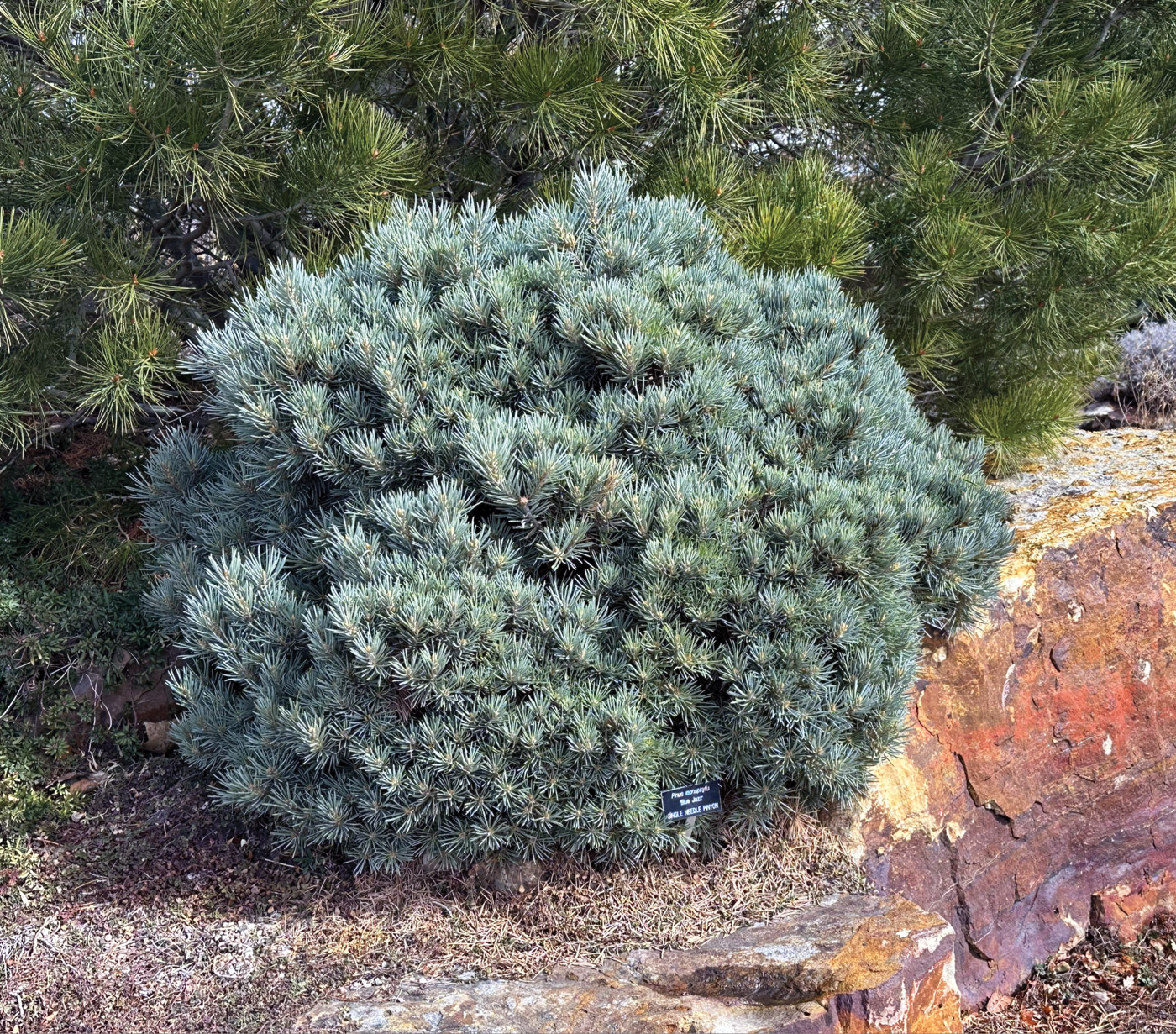
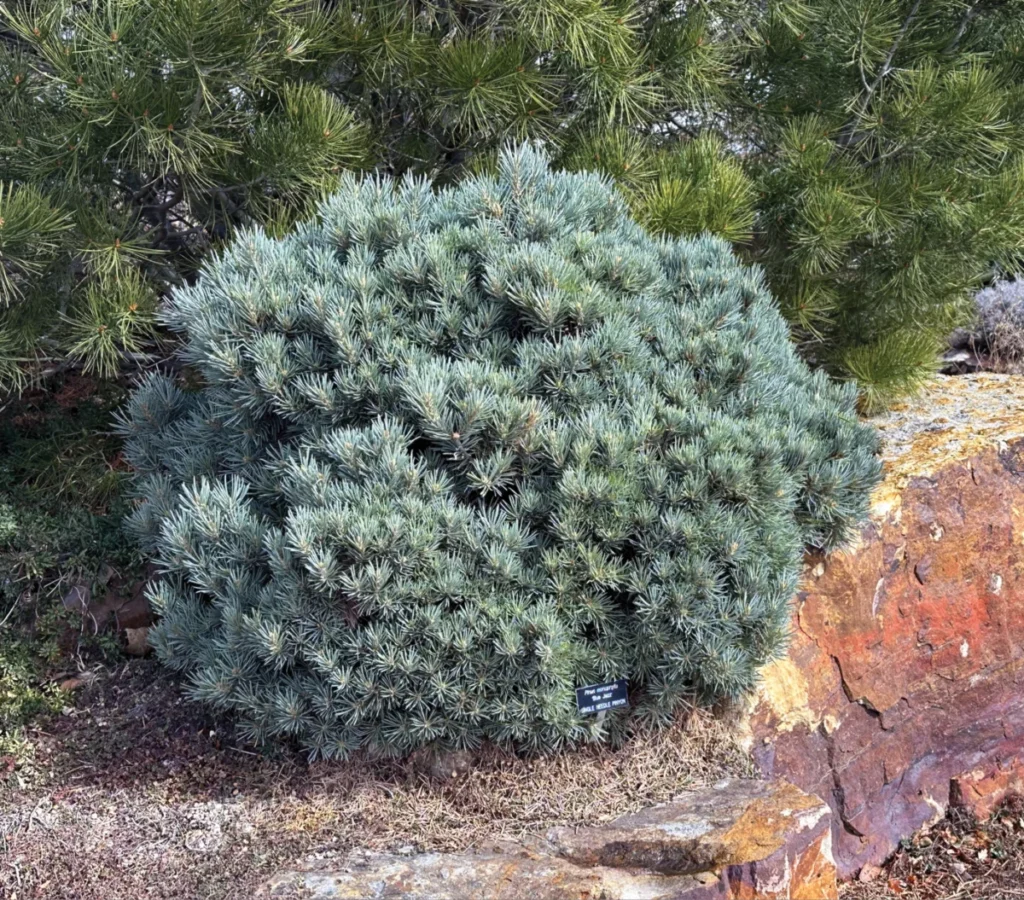
1. ‘Blue Jazz’ Singleleaf Piñon (Pinus monophylla ‘Blue Jazz’)
While many Western gardeners are familiar with the standard Colorado piñon, the ‘Blue Jazz’ cultivar—selected in the mountains of Nevada—offers a refined alternative for the modern landscape.
- Structure and Growth: This is an exceptionally slow-growing specimen, typically gaining only 2 to 3 inches per year. A 15-year-old plant may remain a compact 30 inches in height and width.
- Landscape Utility: Its striking blue-green foliage provides a consistent color palette throughout the year. It is an ideal accent plant for rock gardens, dry slopes, or as a structural element in a succession-style planting design.
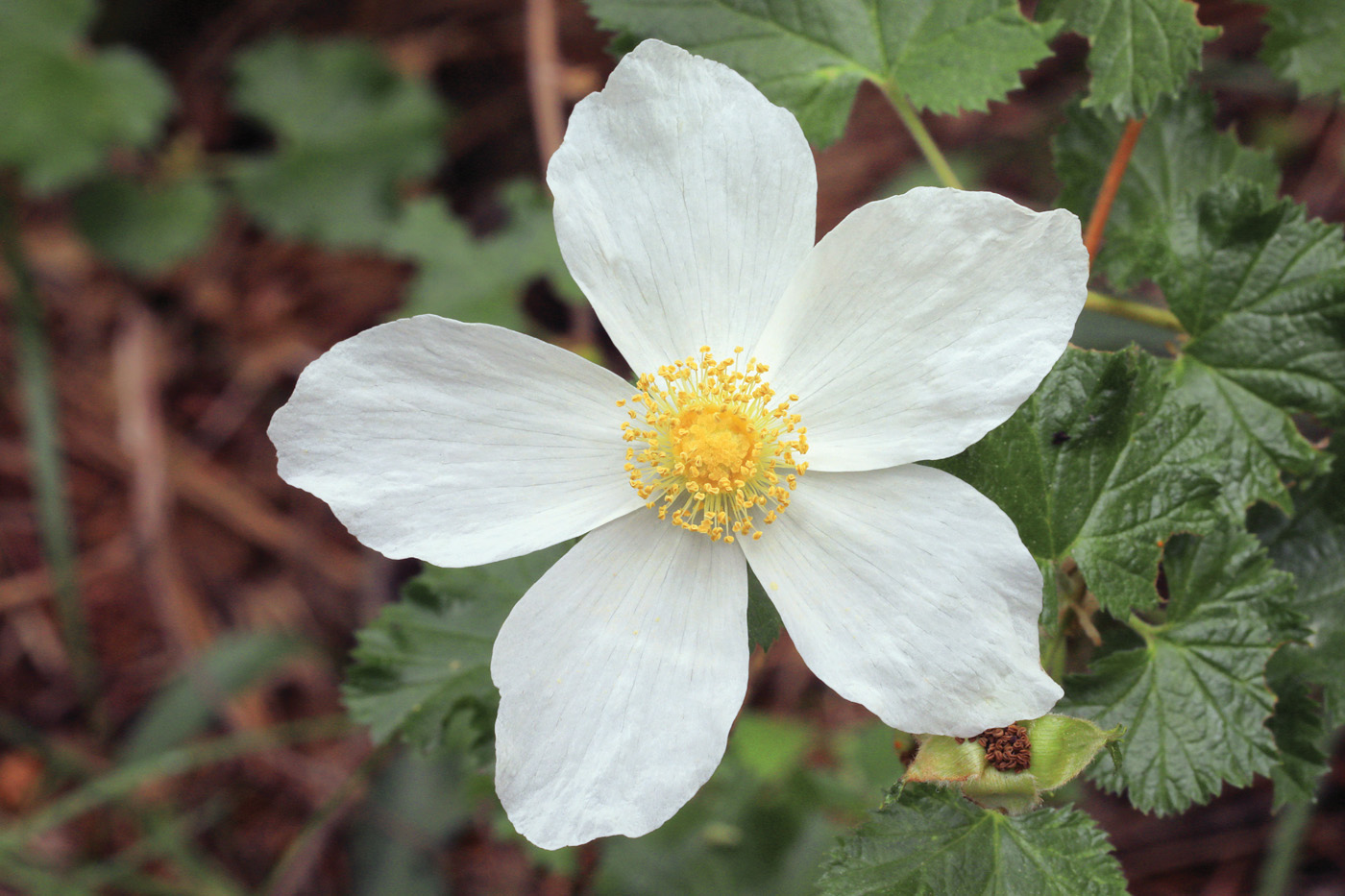
2. Boulder Raspberry (Rubus deliciosus)
Despite its name, this is not a plant for the fruit basket; the berries are small and dry. However, its value in the landscape is immense.
- Aesthetic Appeal: This species boasts large, lobed, rugose (wrinkled) leaves and stunning 3-inch-wide, snow-white flowers that emerge in spring.
- Growth Habit: Unlike its invasive, running cousins, the Boulder raspberry grows in neat, manageable clumps. It is thornless and remarkably adaptable, thriving in both rocky outcrops and heavier clay soils. In the hottest portions of the Mountain West, it benefits from light afternoon shade.
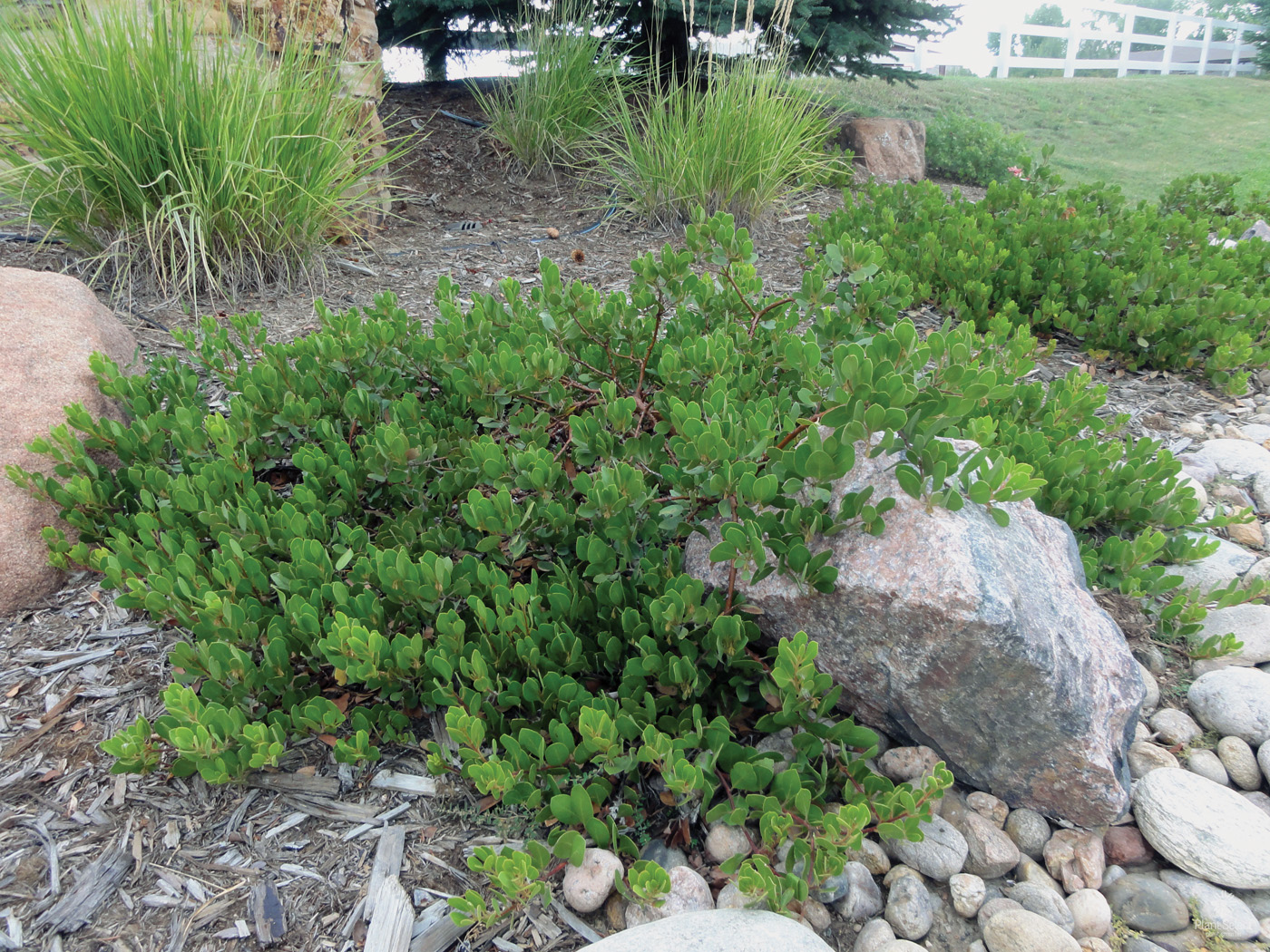
3. ‘Chieftain’ Manzanita (Arctostaphylos ‘Chieftain’)
Broadleaf evergreens are a rarity in the Mountain West, making ‘Chieftain’ a highly prized addition.
- Seasonal Beauty: In late winter and early spring, this shrub produces chains of soft pink, bell-shaped flowers that act as a critical early-season nectar source for bumblebees.
- Establishment Tips: Manzanitas can be "touchy" during their first season. Experts recommend collecting leaf duff from a mature specimen to use as mulch around the base of new plantings; this helps introduce the necessary soil fungi that support the root system during the establishment phase. Once settled, it requires only occasional deep irrigation.
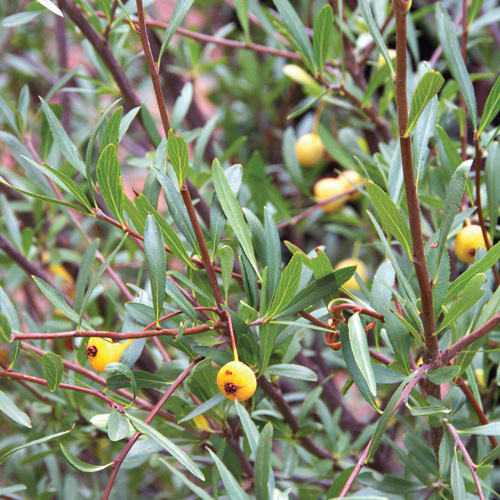
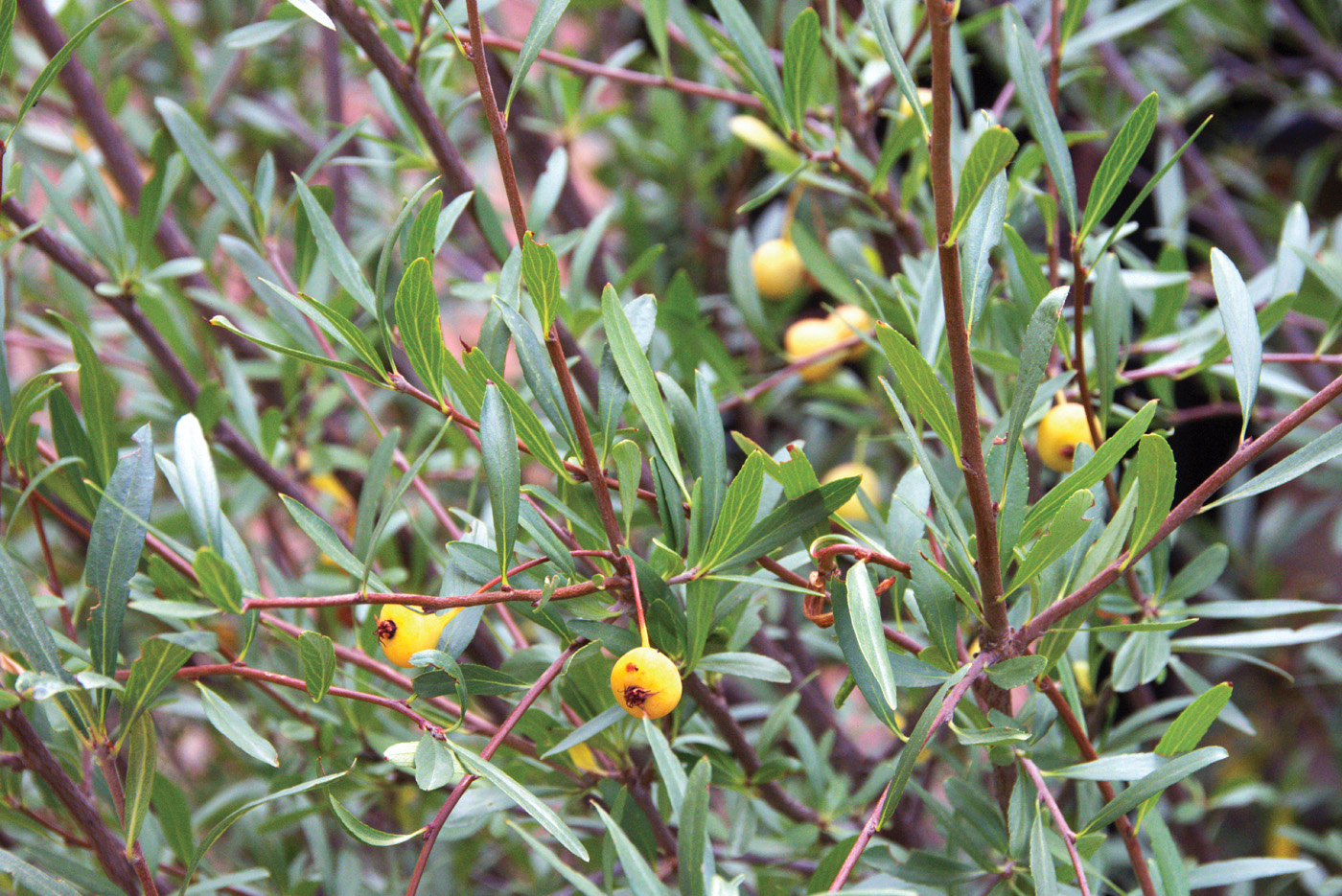
4. Wild Crabapple (Peraphyllum ramosissimum)
Found in the mesa country and mountains west of the Continental Divide, the wild crabapple is a model of resilience.
- Ecological Value: It serves as a vital larval host for native insects and provides dense, protective branching for songbirds.
- Landscape Resilience: It is slow-growing, long-lived, and exceptionally drought-tolerant. Gardeners seeking a replacement for finicky shrub roses should look to this species. It demands well-drained soil but will tolerate clay provided the site does not remain waterlogged.
Supporting Data: Wildlife and Soil Interaction
Data collected from regional environmental centers, such as the High Plains Environmental Center in Loveland, Colorado, underscores the necessity of these specific choices. Native shrubs create "biological corridors" in suburban environments. For instance, the inclusion of Peraphyllum provides a reliable source of nutrition in the form of fruit, which is essential for migratory birds preparing for winter. Furthermore, the root systems of these native species often work in tandem with regional mycorrhizal fungi, which help break down heavy clay soils over time—a benefit that chemical-dependent ornamental shrubs cannot provide.
Official Perspectives and Expert Guidance
Bryan Fischer, horticulture manager at the High Plains Environmental Center and author of The Rocky Mountain Native Plant Primer, emphasizes that the goal is not to eliminate all non-natives, but to shift the "base" of the garden to native species.
"When you choose native shrubs," Fischer notes, "you are opting into a long-term relationship with the landscape. You aren’t just planting a decorative object; you are building a piece of the ecosystem."
Fischer’s research highlights that the "failure" of native plants in home gardens is almost always due to improper site selection—such as planting a dry-adapted species in a frequently watered lawn—rather than a flaw in the plant itself. By matching the species to the site’s natural water and soil profile, the need for intervention is virtually eliminated.
Implications for the Future of Western Gardening
The transition to native-dominant landscaping has profound implications for the future of the region:
- Water Conservation: As municipalities in the Mountain West face increasing pressure on water supplies, the transition to native xeriscaping will likely move from a "choice" to a "necessity" via local policy and rebate programs.
- Maintenance Reduction: For the average homeowner, the shift results in a reduction in time and money spent on pruning, fertilizing, and watering. Native plants, by definition, require no fertilizer and minimal pruning.
- Biodiversity Restoration: The "re-wilding" of residential spaces provides a critical buffer against the habitat loss caused by urban sprawl. Every ‘Chieftain’ manzanita planted is a potential nursery for local pollinators.
Conclusion
The Mountain West presents a challenging environment, but it is one that offers immense rewards for those who work with nature rather than against it. By replacing overused, water-hungry shrubs with native alternatives like the ‘Blue Jazz’ piñon, Boulder raspberry, ‘Chieftain’ manzanita, and wild crabapple, gardeners can cultivate landscapes that are not only beautiful and resilient but are also active contributors to the regional ecosystem.
As we look toward a future of climate uncertainty, the most "modern" garden is one that looks back to the native flora that has sustained the mountains for centuries. Whether you are a novice gardener or an experienced landscape professional, the shift to native shrubs is the most effective step you can take to ensure your garden thrives in harmony with the West.
Fine Gardening encourages readers to explore local nurseries that specialize in regional provenance to ensure the best results for their specific microclimate.