FDA Modernizes Orange Juice Standards: A Lifeline for the Florida Citrus Industry
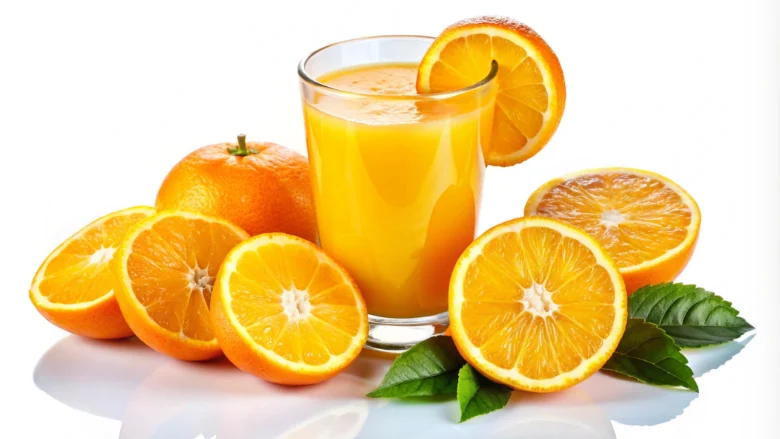
In a landmark decision aimed at preserving the viability of the American citrus industry, the U.S. Food and Drug Administration (FDA) has officially finalized an update to the Standard of Identity (SOI) for pasteurized orange juice. This regulatory shift—a response to decades of environmental and biological stressors—marks the first major modernization of these standards since 1963. By recalibrating the chemical requirements for what can legally be labeled as "orange juice," the FDA is providing domestic growers the flexibility needed to navigate a changing agricultural landscape while maintaining product integrity for the American consumer.
The Core Adjustments: Lowering the Bar for Brix and Diversifying Varieties
The finalized rule introduces two critical changes to the regulatory framework governing pasteurized orange juice:
- Reduction of the Brix Minimum: The FDA has lowered the minimum Brix requirement—a measure of the sugar-to-water ratio in a liquid—from 10.5 to 10.0.
- Increased Inclusion of Hybrids: Manufacturers are now permitted to incorporate up to 15 percent Citrus reticulata (mandarin or tangerine) juice or hybrid juice by volume into products labeled as orange juice.
These changes are not merely administrative; they represent a fundamental acknowledgment that the "Gold Standard" of 1963 is no longer achievable given the current biological realities facing Florida’s groves. For years, the industry has struggled to hit the 10.5 Brix threshold due to the declining quality of fruit affected by climate volatility and systemic disease. By lowering the floor, the FDA has effectively legalized a practice that reflects the modern reality of the harvest.
A Chronology of Crisis: From 1963 to the Modern Era
To understand the necessity of this change, one must look at the timeline of the Florida citrus industry’s decline.
- 1963: The Establishment of the SOI: When the original standards were codified, Florida’s groves were thriving. The 10.5 Brix standard was a reflection of the robust, high-sugar fruit produced in an era of fewer ecological threats.
- The Early 2000s: The Arrival of Citrus Greening: Candidatus Liberibacter asiaticus, commonly known as "citrus greening" or Huanglongbing (HLB), was detected in Florida in 2005. This bacterial infection, spread by the Asian citrus psyllid, causes trees to produce misshapen, bitter fruit with lower sugar content. The disease has since decimated acreage across the state.
- 2022: The Citizen Petition: Facing an existential threat, the Florida Citrus Processors Association and Florida Citrus Mutual filed a formal petition with the FDA. They argued that the existing standards were forcing domestic producers to import high-Brix juice from Brazil and other nations to blend with domestic stock, effectively penalizing local farmers for a condition beyond their control.
- 2025: The FDA Proposes an Amendment: Following years of data review and public comment, the FDA formally proposed an update to the SOI, signaling a willingness to modernize the regulations to support domestic supply chains.
- 2026: The Final Rule: The FDA officially publishes the final rule, codifying the changes into federal law and ending a period of regulatory uncertainty for processors and growers alike.
The "Citrus Greening" Factor: A Biological Catastrophe
The primary driver behind the FDA’s decision is the relentless spread of citrus greening. The disease acts by blocking the tree’s nutrient-transporting phloem, leading to premature fruit drop and a significant reduction in the fruit’s total soluble solids—the very measurement that determines Brix levels.
For nearly two decades, researchers have scrambled to find a cure. While various management strategies, such as increased fertilization and the use of protective netting, have shown marginal success, the systemic nature of the disease has meant that a total recovery of pre-2005 sugar levels remains elusive. As the fruit produced by infected trees struggles to reach the 10.5 threshold, manufacturers have been trapped in a regulatory Catch-22: produce a product that fails the legal definition of orange juice, or source expensive, high-Brix concentrate from international markets.
The inclusion of Citrus reticulata hybrids provides a secondary layer of protection. Many modern citrus hybrids are being bred specifically for resistance to HLB. By allowing these varieties to be included in the juice blend, the FDA is incentivizing growers to plant hardier, disease-resistant trees, ensuring the long-term sustainability of the industry rather than forcing them to rely on older, more vulnerable varieties.
Official Responses and Industry Sentiment
The response from stakeholders has been largely positive, characterized by a sense of relief. For the Florida Citrus Mutual, this ruling is a victory for sovereignty. In various statements, representatives have noted that the 1963 standard was "an artifact of a different agricultural era."
"We are not changing the definition of quality," one industry spokesperson noted. "We are acknowledging that the definition of an orange has evolved alongside our environmental challenges. This ruling keeps Florida juice on the shelves and ensures that the American breakfast table remains supplied by domestic growers."
Critics, however, have raised concerns about transparency. Consumer advocacy groups have historically been wary of any reduction in standards, fearing it might lead to a "watering down" of nutritional profiles. The FDA has addressed these concerns by maintaining strict labeling requirements, ensuring that consumers are not misled by the slight change in chemical composition. The agency emphasizes that the sensory profile of the juice—the taste, texture, and nutritional value—remains comparable to the product consumers have enjoyed for generations.
Economic and Supply Chain Implications
The economic ramifications of this rule change are substantial. By allowing the use of domestic fruit that previously would have been rejected or relegated to lower-value uses, the FDA has effectively increased the usable supply of the Florida harvest.
- Reduced Import Dependence: By enabling the use of domestic fruit that meets the new 10.0 Brix standard, processors can reduce their reliance on foreign juice concentrates. This stabilizes supply chains and helps hedge against the volatility of international shipping and global market fluctuations.
- Incentivizing Innovation: The inclusion of hybrid varieties encourages nurseries and agriculturalists to continue their work in developing disease-resistant citrus. This is a crucial investment in the future of the American orchard.
- Market Stability: Prices for orange juice have seen significant upward pressure due to shortages. By expanding the definition of acceptable juice, the industry hopes to stabilize the supply, potentially tempering the price increases seen at the retail level.
Looking Forward: A Resilient Industry
The FDA’s decision to update the Standard of Identity is a pragmatic intervention in a complex biological crisis. It does not solve the underlying issue of citrus greening, but it provides the regulatory breathing room necessary for the industry to adapt.
As we move forward, the focus of the citrus industry will undoubtedly remain on long-term sustainability. Research into CRISPR gene-editing to create immune citrus trees, alongside better pest management protocols, continues at a rapid pace. In the interim, however, the FDA’s modernized standards provide a crucial bridge.
For the American consumer, the orange juice of tomorrow will look and taste much like the orange juice of yesterday. The difference lies in the resilience of the supply chain that brings it to their table. By aligning the law with the reality of the groves, the FDA has ensured that, despite the shadow of disease and climate change, the legacy of American citrus production remains intact.
The industry now faces the task of educating consumers on these changes, ensuring that the shift to a 10.0 Brix standard is viewed not as a compromise, but as a commitment to a sustainable, domestic-focused future. As the global food system faces increasing pressure from climate change, the story of Florida’s orange juice may serve as a template for how regulatory bodies can—and should—evolve to support essential agricultural sectors in the 21st century.