The Galaxy Card Gambit: Samsung’s Bid to Own the Wallet and the Ecosystem
Nearly seven years after Apple revolutionized the intersection of consumer technology and personal finance with the Apple Card, Samsung has officially entered the fray. With the announcement of the Galaxy Card—a credit offering issued by Barclays—the Korean tech giant is looking to deepen its integration into the daily lives of its users. The move comes just two days ahead of the company’s highly anticipated second Galaxy Unpacked event of the year, signaling that hardware innovation is no longer the only way Samsung intends to capture consumer attention.
The Core Mechanics: A New Financial Tool
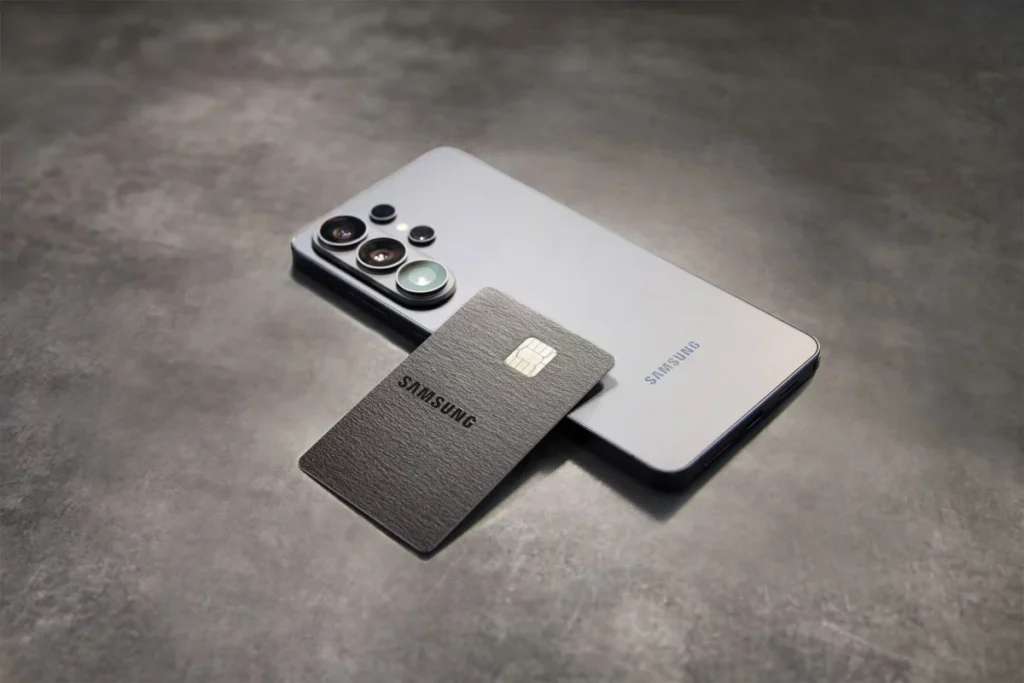
The Galaxy Card is designed to function as an extension of the existing Samsung ecosystem. Unlike the Apple Card’s signature titanium construction, the Galaxy Card is crafted from recycled steel, emphasizing a commitment to sustainability that has become a hallmark of modern corporate strategy.
Issued on the Visa network, the card is supported by a robust rewards structure aimed at driving users toward Samsung’s proprietary platforms. Key features include:
- 5% cash rewards on all in-store or online purchases made directly through Samsung in the United States.
- 3% cash rewards on purchases made using the Samsung Wallet app.
- 2% cash rewards on streaming service subscriptions.
- 1% cash rewards on all other purchases made with the physical card.
There is no annual fee associated with the account, and Samsung has included a sign-up incentive: $200 in cash rewards for those who spend $2,000 within the first 90 days of account opening. Additionally, cardholders gain a 20% discount on the Samsung VIP Advantage membership, which provides extended device protection and specialized customer support. Applications are scheduled to open on July 22.
A Chronology of Tech-Led Banking
The entry of "Big Tech" into the financial services sector has been a gradual, deliberate evolution.
- 2019: The Apple Card Debut: Apple introduced the Apple Card, promising a "new kind of credit card" that focused on privacy, transparency, and a seamless iPhone-integrated experience. It set the gold standard for digital-first financial management.
- 2020–2024: The Maturation Period: During this period, the Apple Card established a template for brand-centric credit cards. Meanwhile, Samsung focused on building out Samsung Wallet, integrating payments, digital keys, and boarding passes to create a "super-app" experience.
- 2026: The Paradigm Shift: In a major industry move, the Apple Card began its transition from Goldman Sachs to JPMorgan Chase. This shift highlighted the complexities of tech companies navigating the regulated banking sector.
- 2027: The Galaxy Card Arrival: Samsung enters the market, attempting to learn from both the successes and the criticisms leveled at Apple’s financial products.
Supporting Data and Financial Implications
Industry analysts suggest that the Galaxy Card is less about revolutionizing banking and more about "locking in" the consumer. Brian Riley, director of Credit Advisory Services at Javelin Strategy & Research, notes that the credit card market is essentially a commodity space.
"Cards are basically a commodity at the end of the day; how you differentiate them is really what makes the difference," says Riley. "That’s really the big deal here—how you use your card."
The data suggests that the average American household manages three to four credit cards: one for daily spending, one for emergencies, and one for specific categories like travel or dining. For Samsung to succeed, the Galaxy Card must displace one of those primary slots.
The financial incentive is clear: by incentivizing the use of Samsung Wallet, the company is gathering invaluable data on consumer purchasing habits while simultaneously increasing the "switching cost" for a user who might otherwise consider moving to a different smartphone brand.
The "Ecosystem Trap": Portability and Limitations
A critical question surrounding the Galaxy Card is what happens when a user decides to leave the Samsung ecosystem. Unlike the hardware, which can be wiped and sold, the credit card is a financial contract.
Samsung has confirmed that the Galaxy Card is not exclusively for Samsung device owners. Anyone can apply for and use the physical card, which can be managed through a web portal provided by Barclays. However, the "perks"—specifically the 3% rewards on Samsung Wallet transactions—are tethered to the app.
This mirrors the situation for Apple Card users who switch to Android: they retain the ability to use the physical card, but they lose the digital interface and the optimized reward rates. Essentially, the card becomes a "dumb" instrument once removed from the proprietary ecosystem, forcing a choice between financial optimization and device freedom.

Expert Perspectives: Innovation vs. Brand Loyalty
Sara Rathner, a credit card expert at NerdWallet, offers a nuanced view on the impact of the Galaxy Card. She notes that while the card itself is "fine," it serves a specific psychological purpose for the brand.
"The Apple Card is far from the iPhone in terms of changing the world," Rathner observes. "It’s a cash-back card." However, she points out that the 3% reward rate for Samsung Wallet is competitively high. "If you tap-to-pay at a subway turnstile with Samsung Wallet, that’s 3% on every commute. That would be compelling."
Rathner argues that the success of these cards lies in the creation of a closed-loop loyalty cycle. "If you have a lot of points with a hotel chain, you’re more likely to book a stay there. If you make many purchases with Samsung Wallet, that might incentivize you to get the Galaxy Card."
Furthermore, the industry is seeing a "halo effect" from these tech-led cards. Apple’s introduction of features like real-time interest calculation, transparent credit-pull previews, and daily rewards forced traditional banks to modernize their own mobile apps. If Samsung follows suit, the overall consumer experience in digital banking will likely continue to improve, even for those who never carry a Galaxy Card.
The Risks of Reward-Driven Debt
Despite the allure of 5% cash back, experts like Brian Riley warn of the "revolving balance trap."
"One of the big challenges here on rewards is that quite often, you go in well-intentioned and you don’t get the full benefit because you start revolving on the product," Riley warns. When users carry a balance, the high interest charges quickly eclipse the 1% or 2% rewards earned.
This creates a paradox where the most "loyal" users—those who use the card for everything—are also those most at risk of falling into debt if they treat the card as an extension of their income rather than a payment tool.
Looking Ahead: The Future of the Wallet
As Samsung prepares to showcase its latest folding smartphones and smartwatches, the Galaxy Card will likely be presented not as a standalone financial product, but as a utility that makes the hardware experience "better."
The strategy is clear: Samsung is attempting to transform the smartphone from a communication device into a comprehensive life-management hub. By controlling the payment method, the device, and the rewards, Samsung is positioning itself to be a permanent fixture in the pockets of its users.
Whether this is enough to unseat established credit card giants or lure users away from the Apple ecosystem remains to be seen. However, one thing is certain: the battle for the consumer wallet has officially moved beyond physical leather and into the cloud. For the average consumer, the choice of a credit card is no longer just about interest rates; it is about which ecosystem they are willing to call "home."
As we approach the July 22 launch, the market will be watching closely to see if the Galaxy Card can offer enough utility to justify a place in the crowded landscape of modern personal finance. For now, it stands as a testament to the fact that in the 21st century, technology companies are no longer content with just selling us the phone—they want to be the ones managing the money we spend on it.