The Ultimate Guide to Stage 1 Baby Food: A Comprehensive Approach to Starting Solids
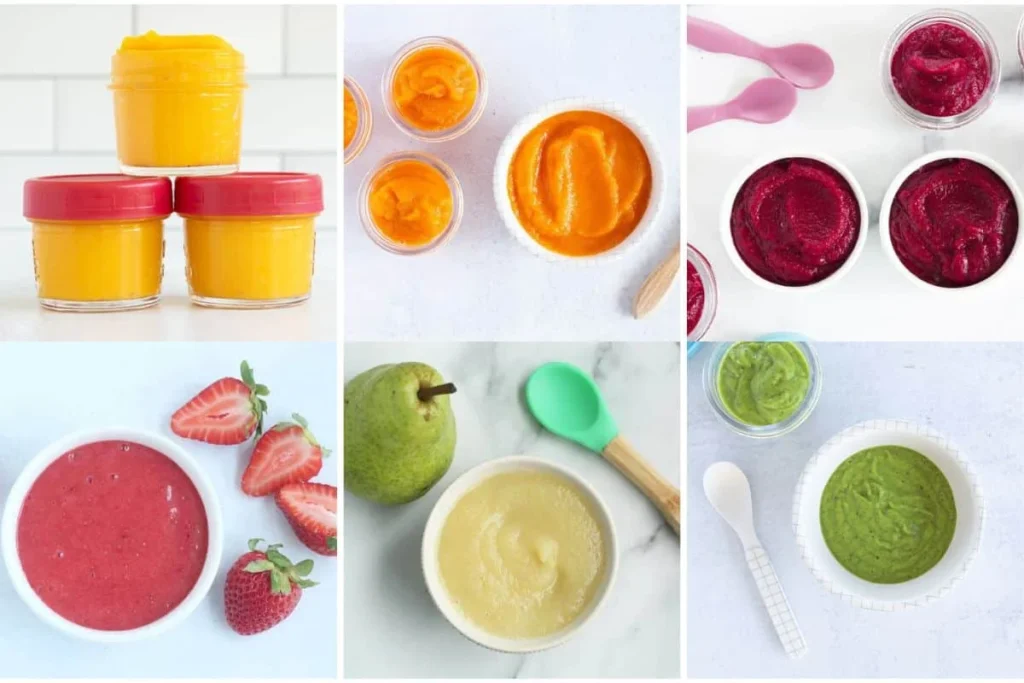
Introducing solids is one of the most significant milestones in a child’s early development. It marks the transition from a purely milk-based diet to a world of textures, flavors, and vital nutrients. For many parents, the "Stage 1" period—typically occurring between 4 and 6 months of age—is a time of both excitement and apprehension. By focusing on simple, nutrient-dense purees, parents can lay a healthy foundation for a lifetime of positive eating habits.
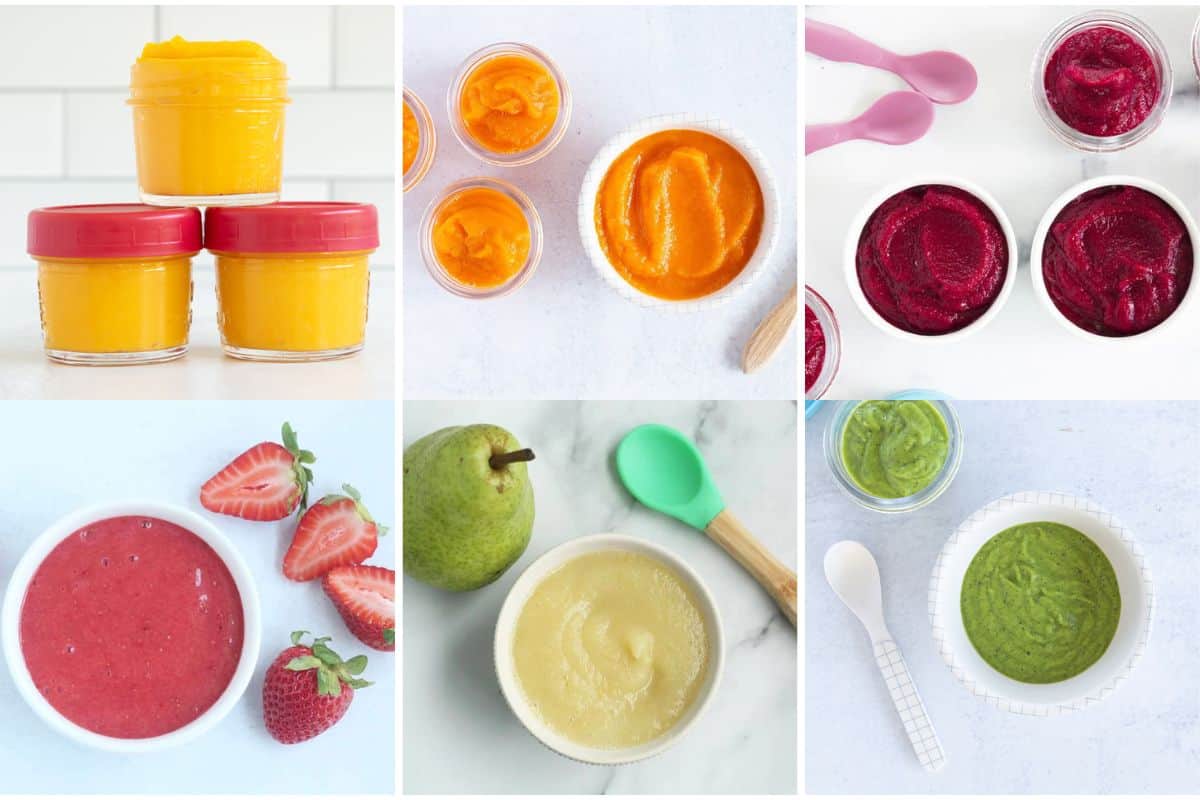
The Philosophy of Starting Solids
When beginning the journey of introducing solid foods, many modern experts and parents now advocate for a "combination approach." This strategy blends the use of smooth, easily digestible purees with baby-led weaning (BLW) techniques. While purees provide a gentle introduction to swallowing and spoon-feeding, allowing babies to handle soft, finger-sized foods helps develop motor skills and sensory awareness.
The goal of Stage 1 feeding is not necessarily to replace breast milk or formula—which remain the primary source of nutrition—but to expose the infant to new tastes and textures. Whether you choose a pure-puree route or a mix of methods, the key is to prioritize single-ingredient foods to monitor for potential allergies while keeping meals nutritious, affordable, and easy to prepare at home.
Chronology: The Evolution of Infant Feeding
Historically, the timeline for introducing solids has shifted. Several decades ago, many pediatricians suggested starting cereal as early as 3 or 4 months. Today, the consensus from major health organizations, such as the American Academy of Pediatrics (AAP), suggests waiting until around 6 months, provided the baby displays the necessary developmental signs:
- Head Control: The baby can hold their head up steadily.
- Sitting Ability: The baby can sit with minimal support.
- Loss of Tongue-Thrust Reflex: The baby no longer automatically pushes food out of their mouth.
- Curiosity: The baby shows interest in what others are eating.
Stage 1 is the starting point. It involves thin, smooth, and easily digestible consistencies. As the baby masters these, they progress to Stage 2 (thicker, mashed textures) and eventually to Stage 3 (small, soft chunks) by the end of their first year.

Essential Stage 1 Purees: A Nutrient-Dense List
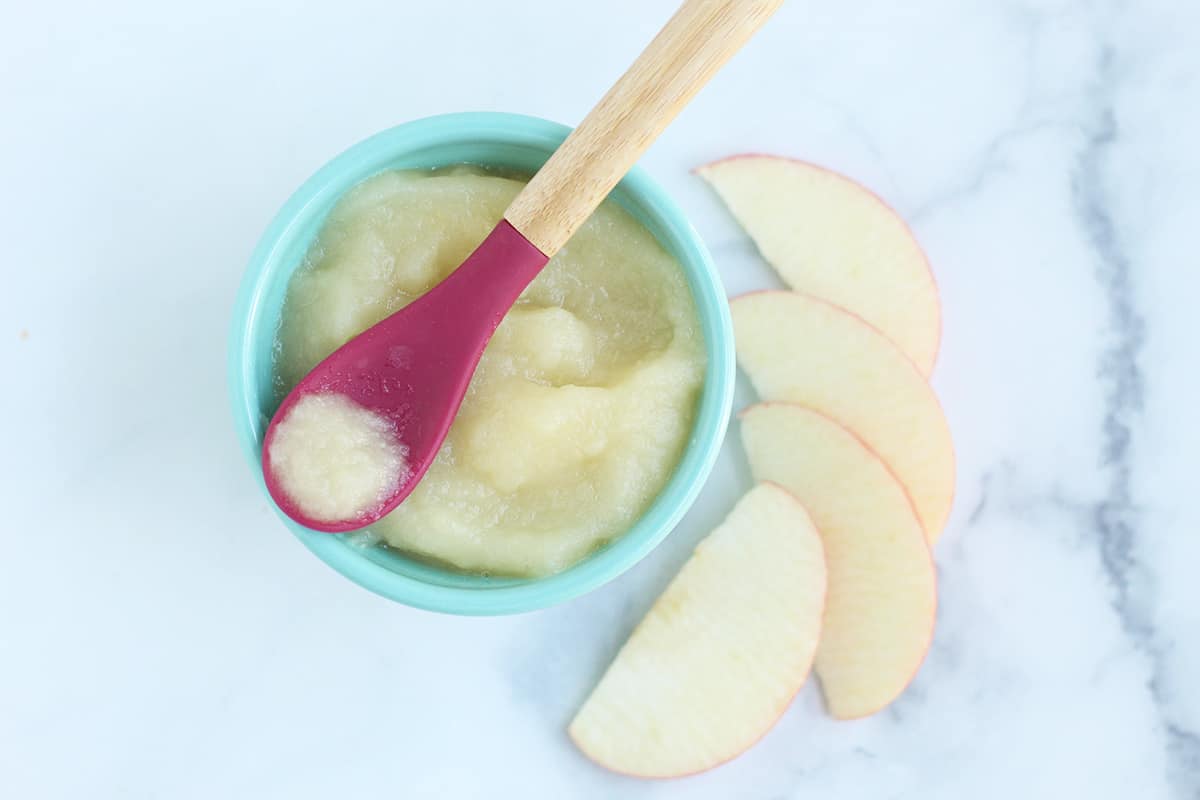
1. Apple Puree
Apples are the gold standard for beginning solids. They are mild, naturally sweet, and easy to steam until soft. A homemade batch is superior to commercial alternatives because you can control the texture, starting with a very thin, watery puree and gradually thickening it as your baby gains confidence.
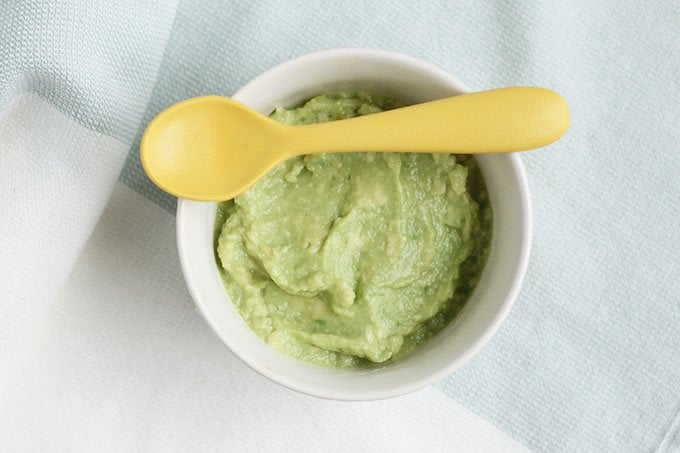
2. Avocado Puree
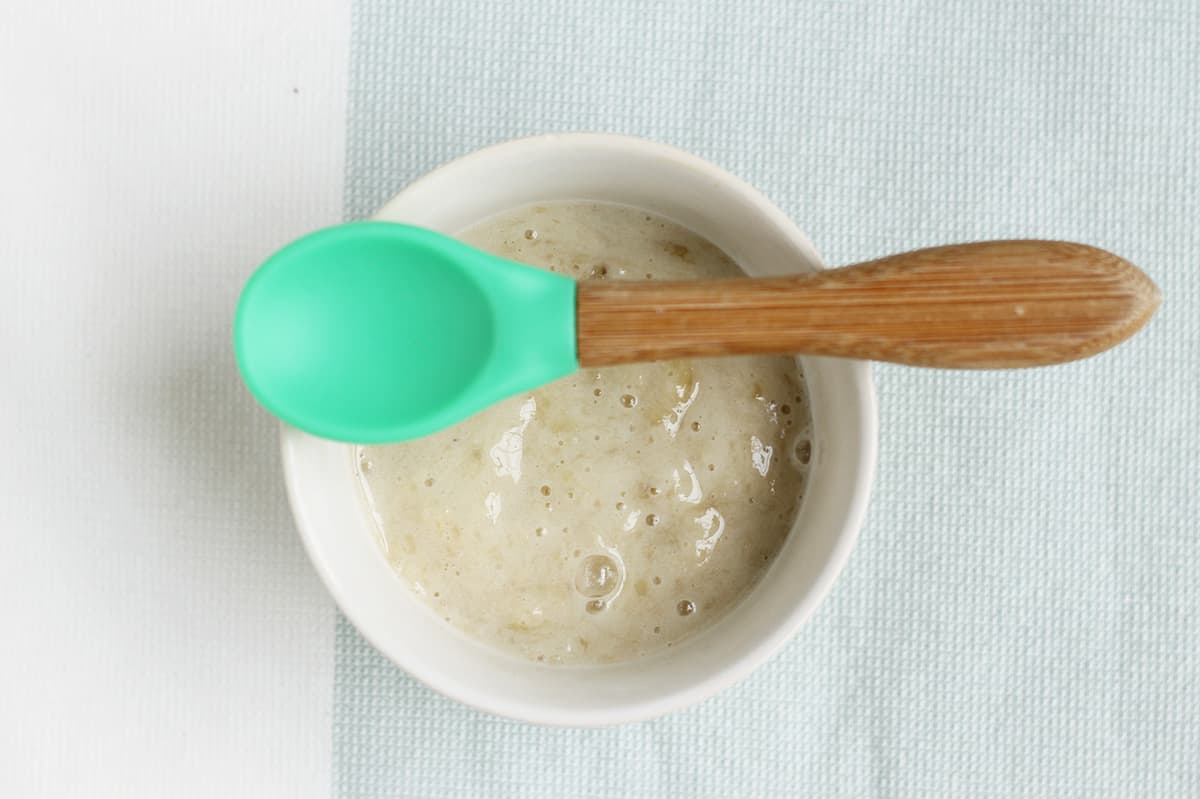
Avocados are a "superfood" for infants, packed with healthy monounsaturated fats crucial for brain development. Because of their creamy consistency, they require no cooking—simply mash with a fork and, if necessary, a splash of breast milk or formula to reach the desired texture. To prevent browning, store in airtight containers with the surface covered directly by plastic wrap.
3. Banana Puree
Bananas are the ultimate convenience food. They are pre-packaged in their own peel and loaded with potassium. Use a ripe banana with small brown spots for the best flavor and digestibility. This is often the first food babies take to because of its familiar, sweet profile.
4. Bean Puree
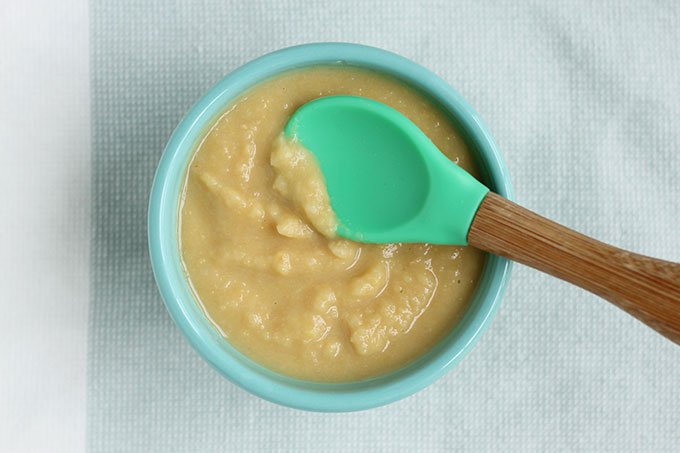
While often overlooked, beans are a fantastic source of plant-based protein and fiber. Chickpeas, white beans, or black beans can be blended with a bit of water or stock to create a smooth, hearty meal. This is an excellent way to introduce legumes early on, which can help prevent picky eating later.

5. Beet Puree
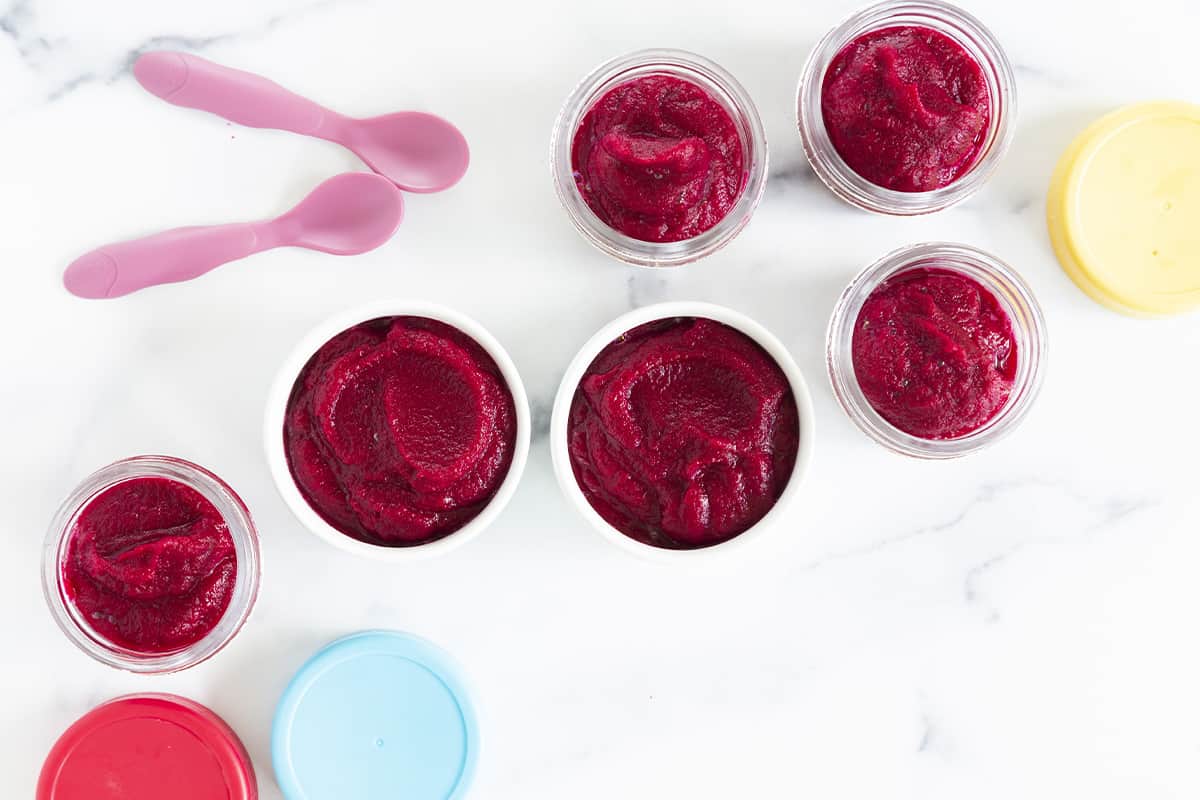
Beets offer an earthy, vibrant introduction to root vegetables. They are rich in folate and manganese. Because they are dense, roasting or steaming them until very tender is essential. Their bold color is a fun sensory experience for babies, though parents should be prepared for the change in the baby’s diaper color, which is perfectly normal.
6. Broccoli Puree
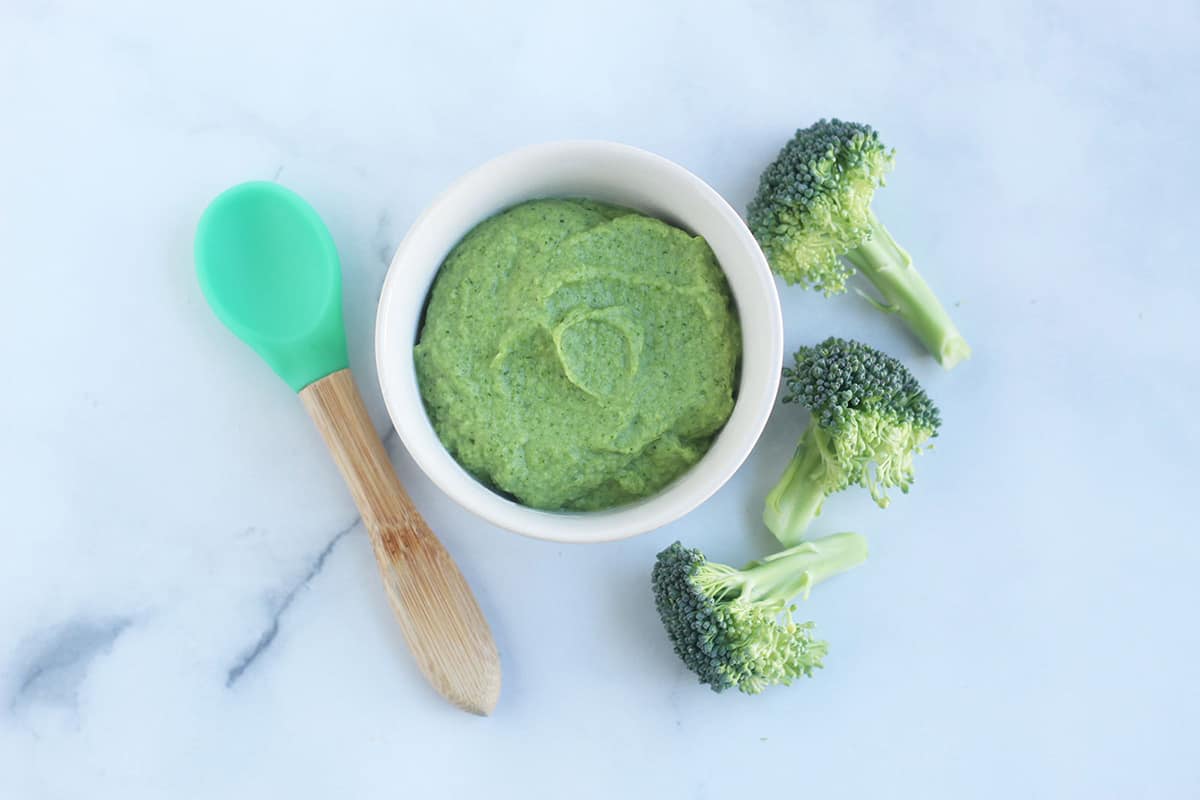
Broccoli is a nutritional powerhouse, full of Vitamin C and K. When steaming, ensure the florets are cooked until they are soft enough to be easily mashed. For the combination approach, you can blend the tops for a puree while leaving the stems slightly larger for the baby to hold and gnaw on.

7. Butternut Squash Puree
With a naturally creamy texture and mild sweetness, butternut squash is highly palatable for infants. It is rich in beta-carotene, which is essential for eye health. It serves as an excellent base to mix with more bitter greens or protein sources once the baby has accepted it on its own.
8. Carrot Puree
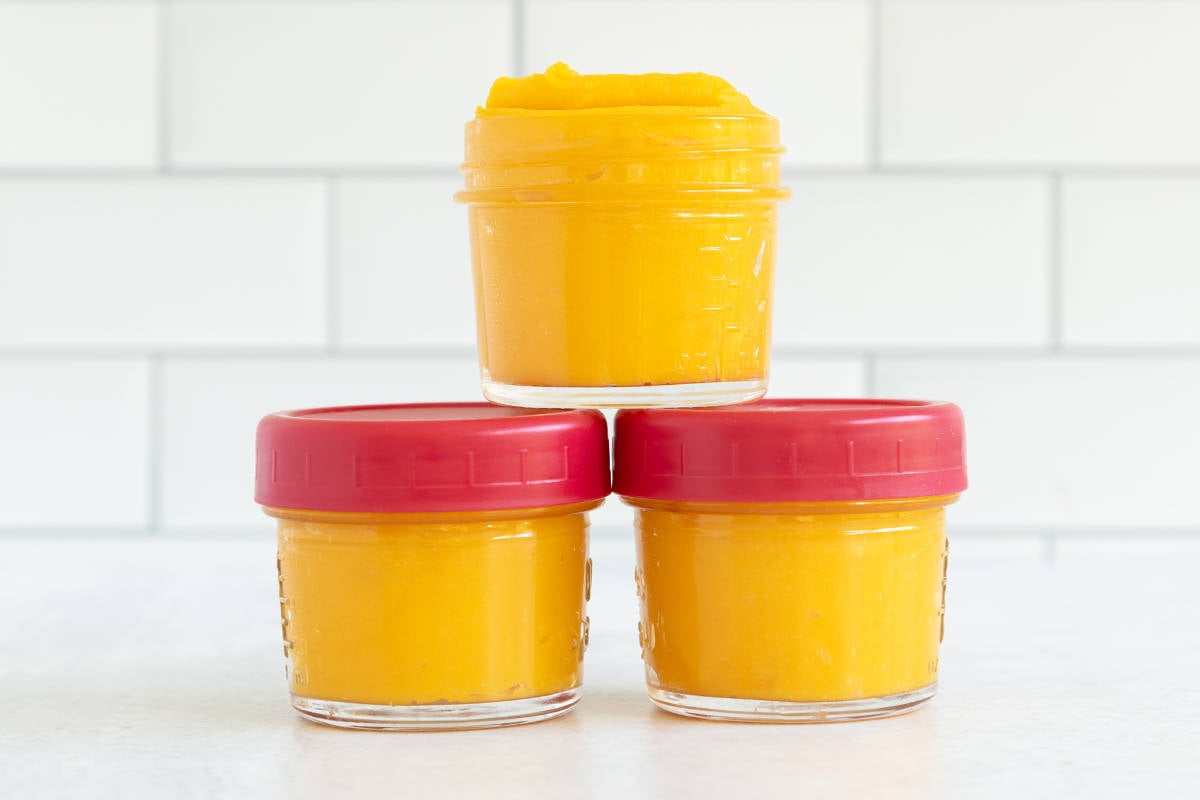
Carrots are naturally sweet and offer a smooth, uniform texture when pureed correctly. Because they are firm, they must be steamed thoroughly. They are a staple of the Stage 1 list, providing significant amounts of Vitamin A.
9. Cauliflower Puree
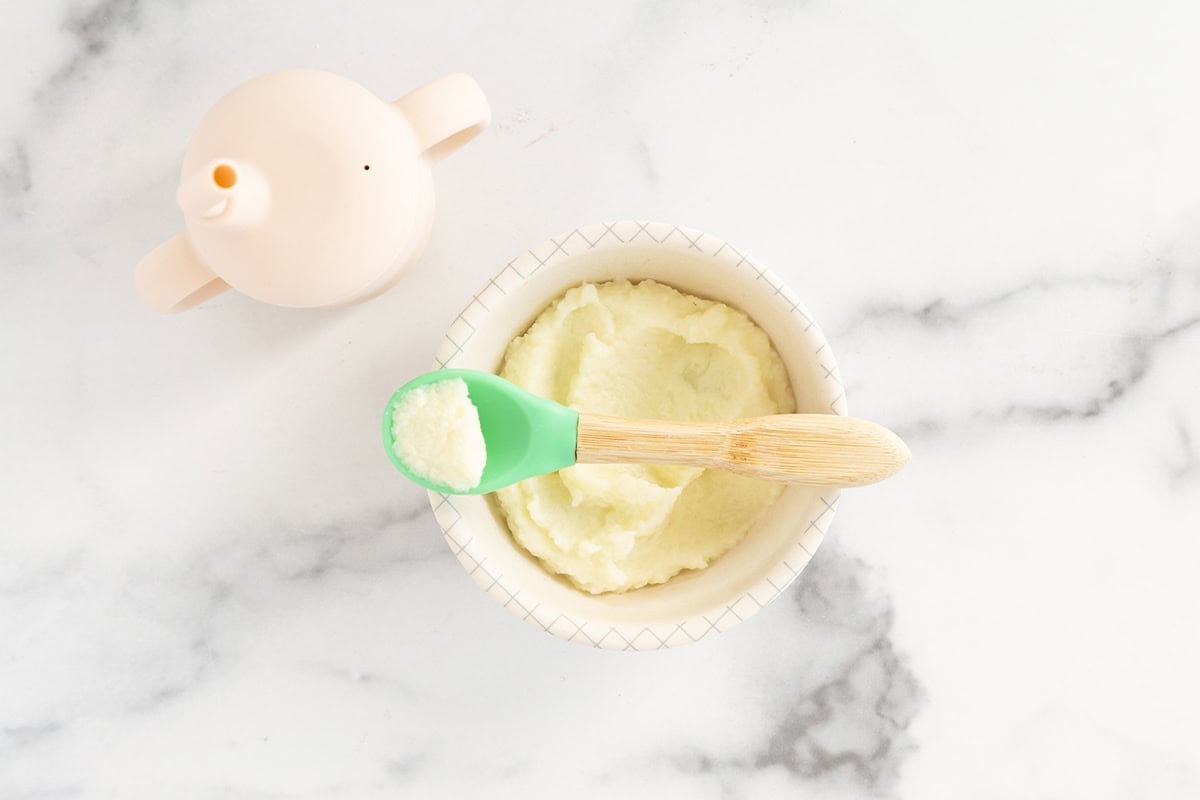
Cauliflower is a versatile, mild vegetable. It can be steamed and pureed alone or mixed with a bit of apple or pear if your baby is hesitant about the vegetable’s natural bitterness. It is an excellent way to introduce cruciferous vegetables into the diet.
10. Mango Puree
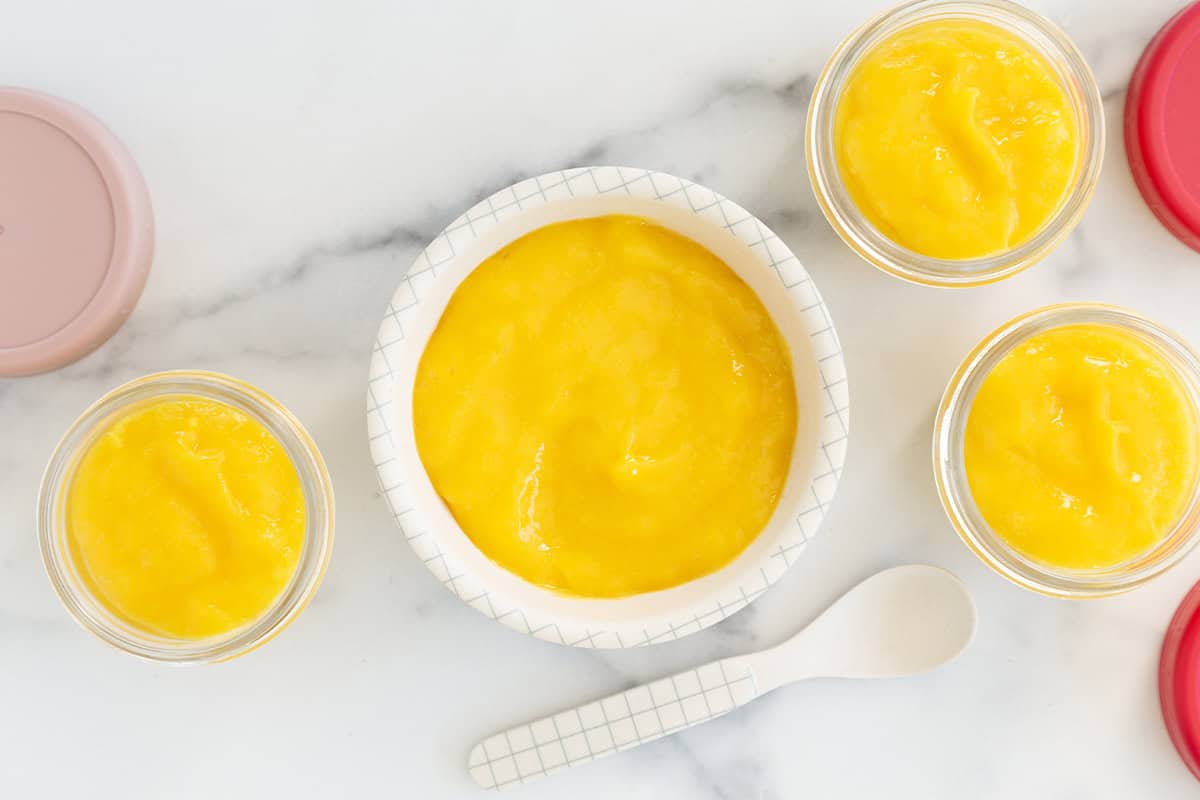
For a fruit-based treat, mango provides a tropical, nutrient-rich option. It is high in Vitamin A and C. Whether using fresh or frozen, pureeing mango results in a velvety texture that is often a hit with babies who prefer sweeter flavors.

Supporting Data and Best Practices
When preparing these foods, the method is just as important as the ingredient.
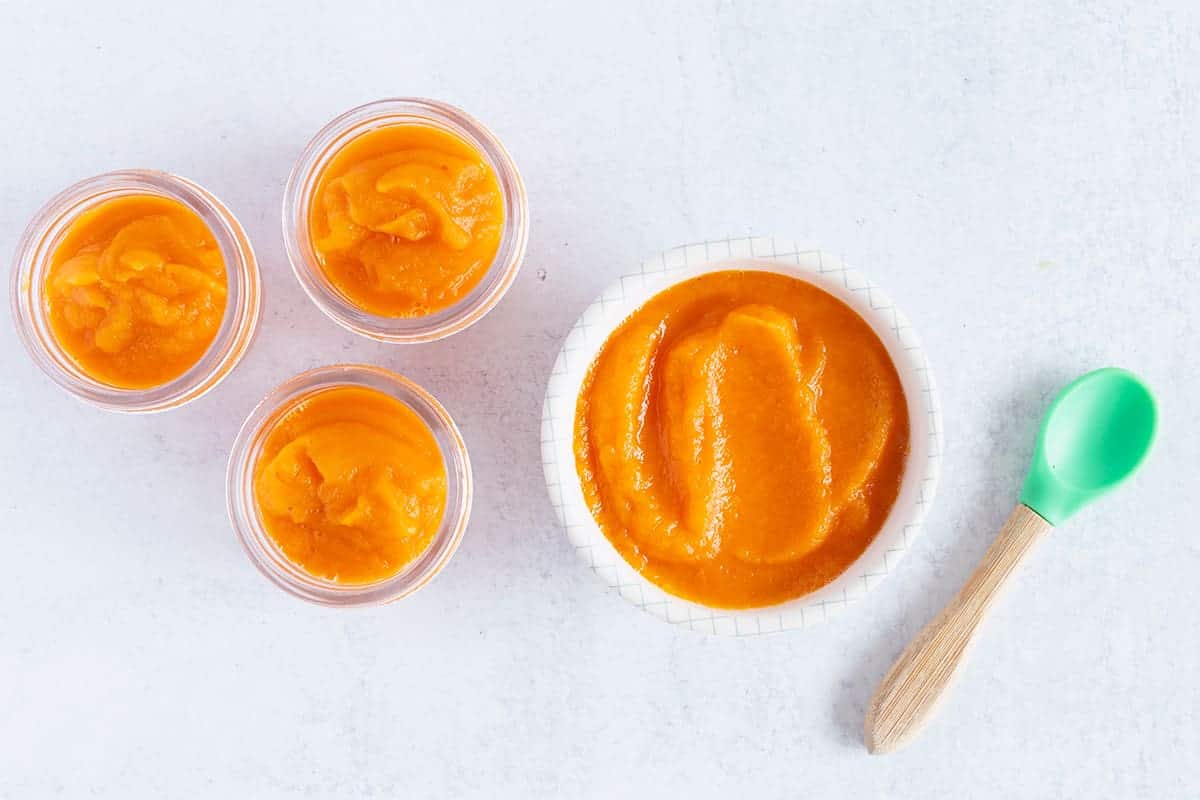
- Consistency: Initially, purees should be quite thin. As the baby progresses, you can add less water during the blending process to increase the thickness.
- Storage: Most homemade purees can be safely stored in the refrigerator for up to 3 days or frozen in ice cube trays for up to 3 months. Once frozen, transfer the "food cubes" into freezer-safe bags.
- Flavor Combinations: Once your baby has accepted individual foods, feel free to mix them. Try mixing Avocado with Banana, or Carrot with Butternut Squash. These combinations help palate development and expose infants to complex flavor profiles.
Expert and Official Perspectives
Pediatric nutritionists emphasize that the "wait three days" rule—introducing one new food every three days to watch for allergic reactions—is a traditional guideline that remains useful for many families, especially those with a history of food allergies. However, recent research indicates that early introduction of common allergens (like peanut butter, eggs, and fish) can actually reduce the risk of developing allergies. Parents are encouraged to discuss their specific family history with their pediatrician before introducing high-allergen foods.

Implications for Long-Term Health
The primary implication of a successful Stage 1 feeding period is the establishment of a "responsive feeding" style. This means the parent learns to recognize the baby’s cues:
- Hunger Cues: Leaning toward the spoon, opening the mouth, or getting excited at mealtime.
- Fullness Cues: Turning the head away, closing the mouth, pushing the spoon away, or becoming distracted.
By honoring these cues, parents teach their children to listen to their own bodies—a skill that is arguably the most important factor in preventing childhood obesity and maintaining a healthy relationship with food throughout their lives.

Conclusion
Embarking on the journey of feeding your baby is a rewarding process. By focusing on whole, fresh, and simple ingredients, you provide your child with the best possible start. Whether you are steaming carrots or mashing an avocado, every spoonful is a step toward building a healthy, adventurous eater. Remember that the "perfect" diet for a baby is not about following a strict, rigid list, but about providing a variety of nutritious options and following your baby’s lead as they discover the joy of eating.
Stay patient, keep the atmosphere at the table relaxed, and enjoy watching your little one discover the wonderful world of taste. With time and practice, you will find a rhythm that works for your family, turning mealtime into one of the most cherished parts of your daily routine.