The Golden Standard: Mastering the Perfect Gluten-Free Blackberry Cobbler
In the world of gluten-free baking, few desserts are as elusive as the perfect cobbler. Achieving the delicate balance between a jammy, robust fruit filling and a topping that remains light, fluffy, and biscuit-like—without the structural aid of gluten—is a feat often left to professional pastry chefs. However, a new culinary approach to this classic comfort food is proving that high-quality, gluten-free results are well within reach for the home baker, regardless of the quality of the seasonal fruit.
The latest recipe for a gluten-free blackberry cobbler has captured attention not just for its dietary accessibility, but for its technical precision. By utilizing specific starch-thickening methods and a calculated approach to cold-butter lamination, this dish bridges the gap between traditional home-style baking and modern gluten-free science.
The Anatomy of a Perfect Cobbler: Main Facts
At its core, a cobbler is a study in contrasts: the intense, concentrated acidity of cooked fruit paired with the comforting, bready sweetness of a biscuit topping. The primary challenge in a gluten-free iteration is the "gummy" texture often associated with xanthan-free blends, or the runny, soup-like consistency of fruit fillings that fail to set properly.
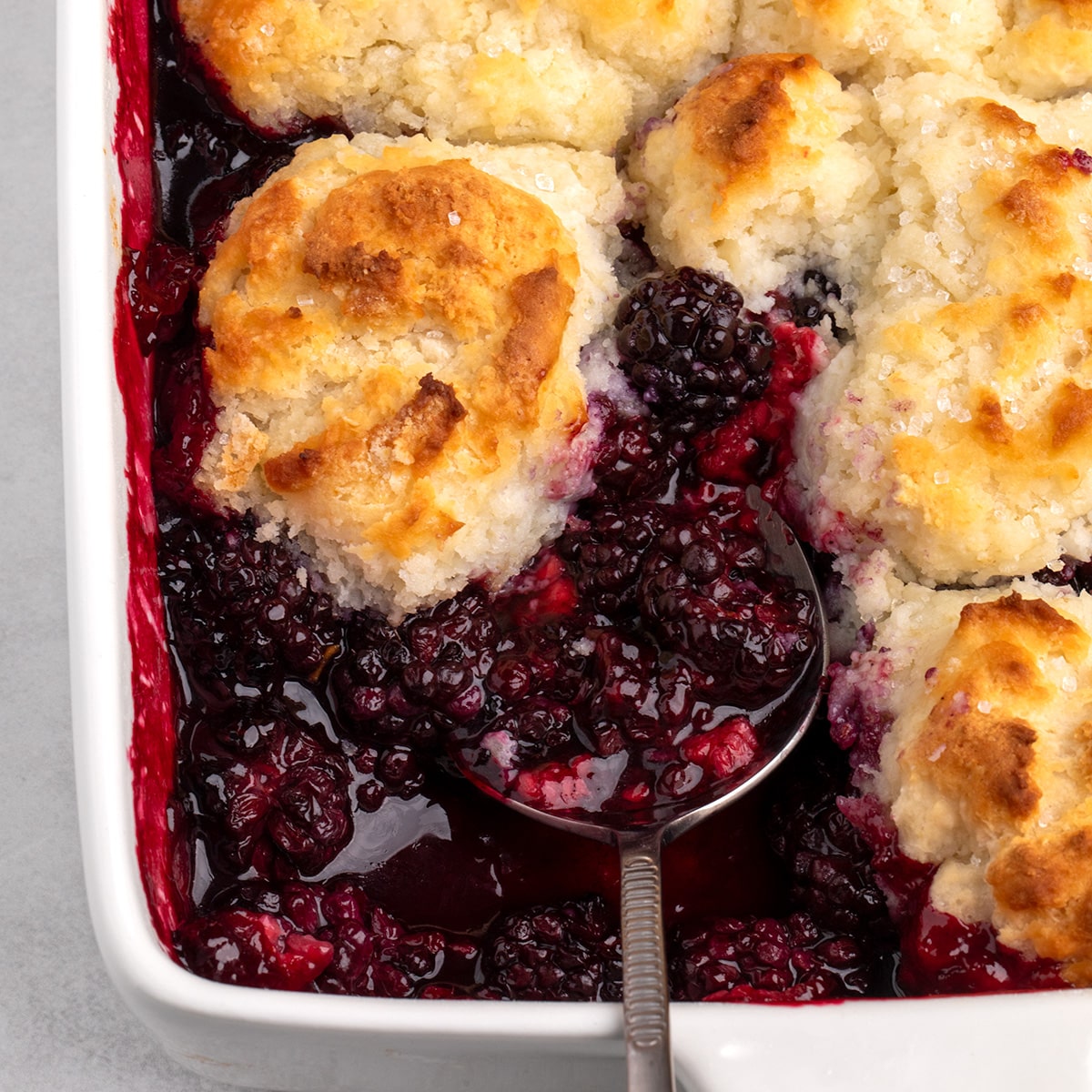
This recipe relies on two critical pillars:
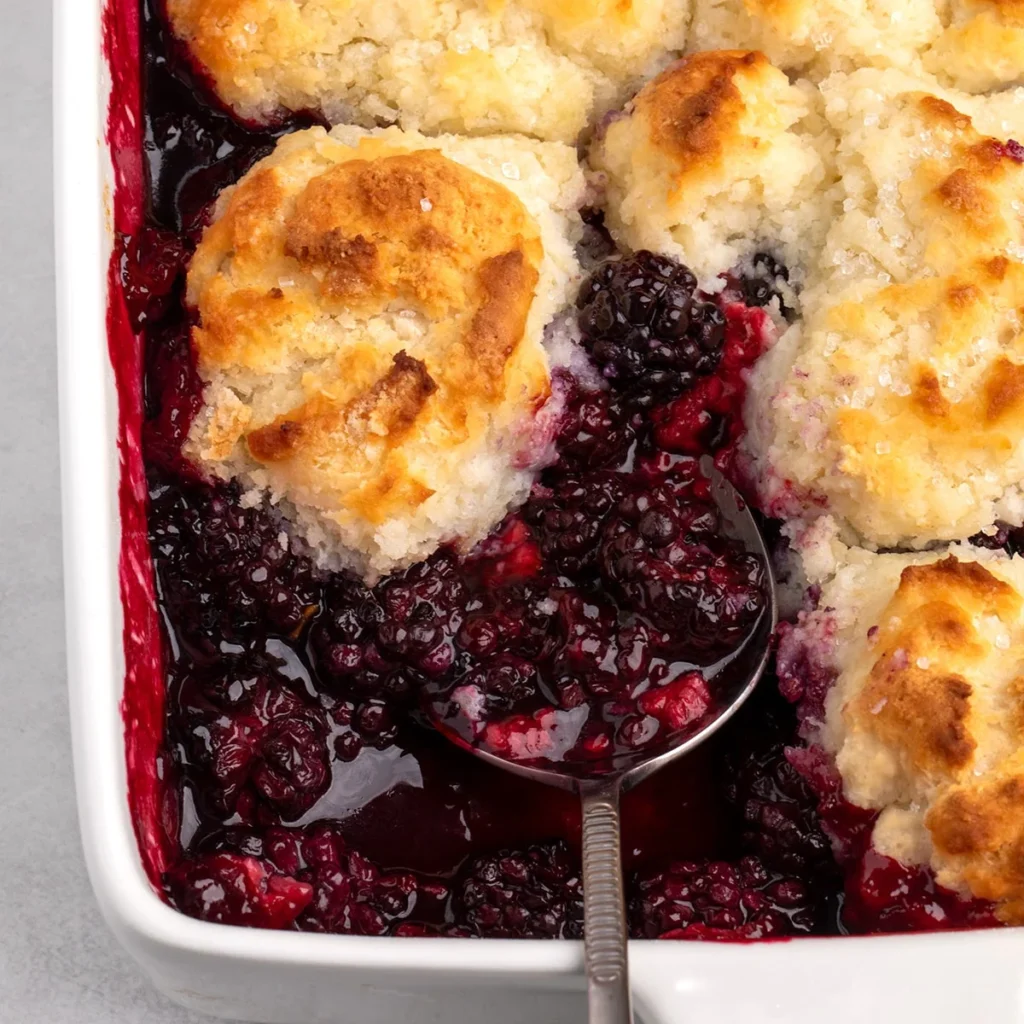
- Tapioca Starch Integration: Unlike cornstarch, which can turn cloudy and occasionally "weep" as it cools, tapioca starch creates a glossy, translucent syrup. When tossed with fresh blackberries and a hint of raspberries, it ensures the filling remains thick enough to hold its own against the weight of the biscuit topping.
- The "Cobblestone" Biscuit Technique: The topping is designed as a drop-biscuit style dough with a high moisture content. By using cold buttermilk and distinct shards of butter, the dough creates a steam-leavened rise in the oven, resulting in a golden, crisp exterior and a tender, cloud-like interior.
A Culinary Chronology: From Prep to Plate
The process of constructing this dessert follows a precise sequence designed to optimize the structural integrity of both the fruit and the pastry.
Phase 1: The Fruit Foundation
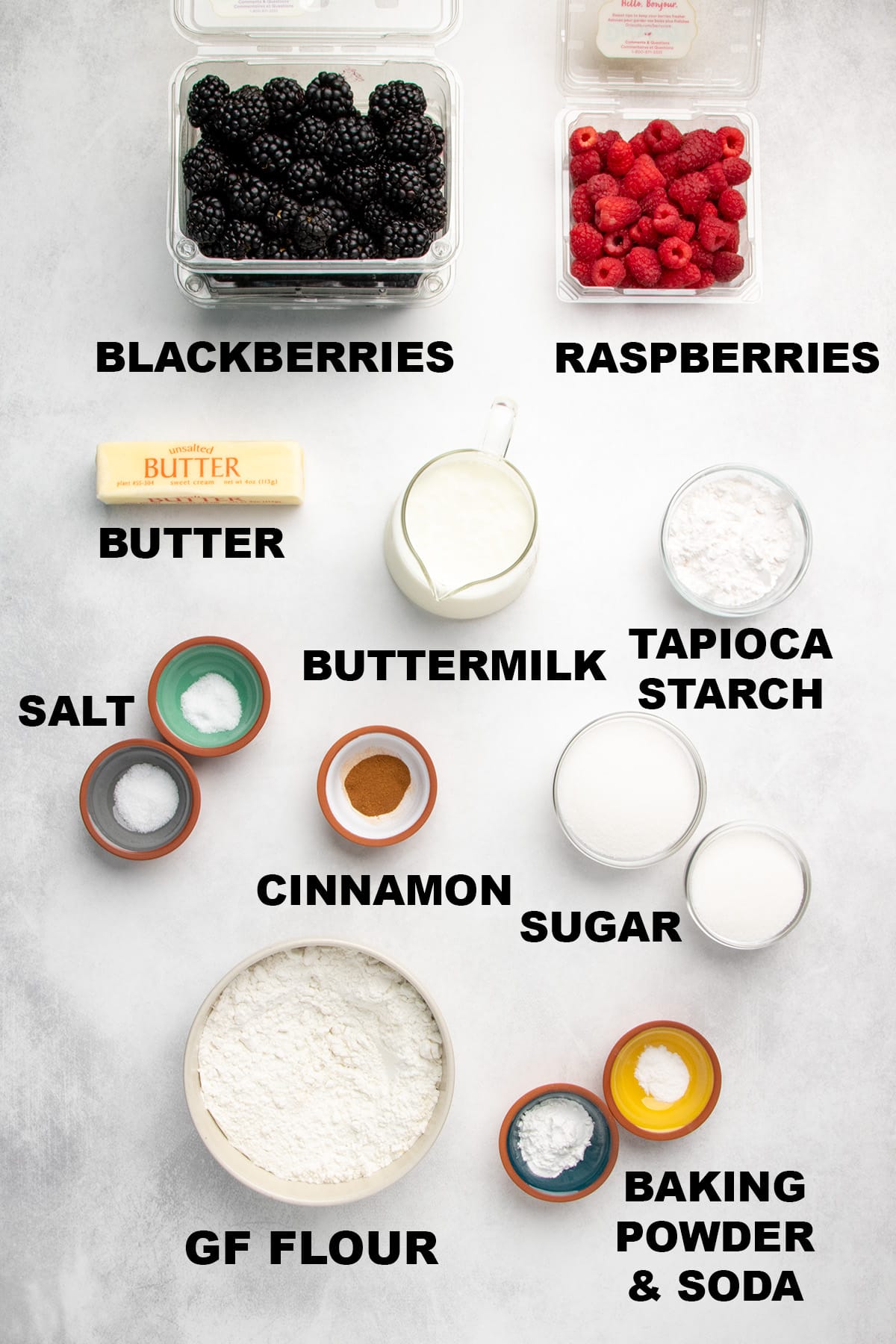
The preparation begins with the dry filling ingredients—sugar, tapioca starch, salt, and a touch of cinnamon. These are whisked together before the berries are introduced. A critical step in this process is the separation of the raspberries. By coating the raspberries separately and layering them atop the blackberries, the baker ensures a complex flavor profile that prevents the more delicate raspberries from disintegrating into the blackberry syrup.
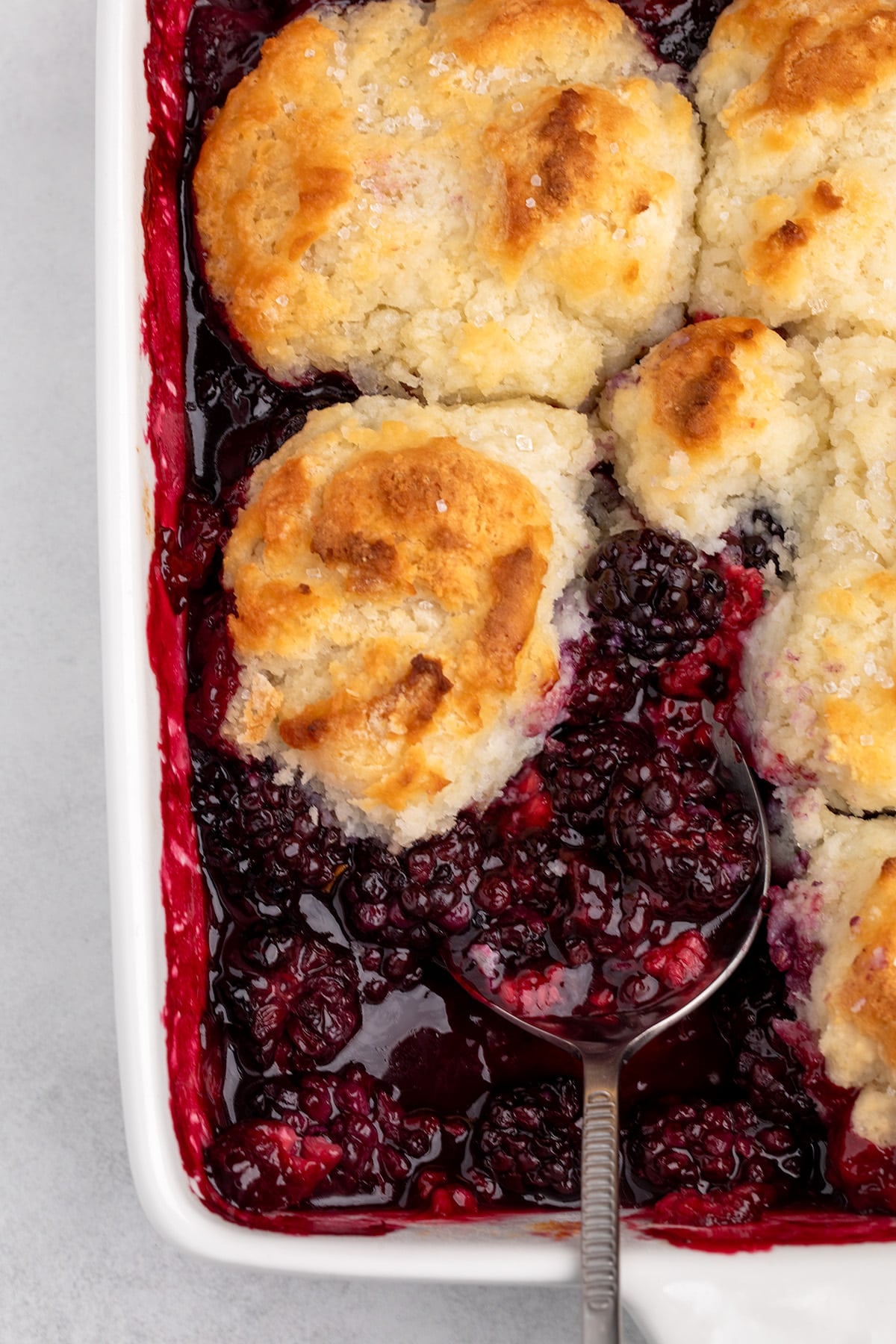
Phase 2: The Pastry Construction
The topping requires a disciplined approach to temperature. Cold butter is sliced into thin shards, which are then tossed into the gluten-free flour blend. These shards act as pockets of fat that melt during the initial high-heat bake, creating the "lift" necessary for a light biscuit. Once the cold buttermilk is added, the dough is handled with a light touch—over-mixing is the enemy of the tender crumb.
Phase 3: The Thermal Gradient
The baking process is split into two stages. The initial blast of heat at 375°F (190°C) is essential for activating the leavening agents in the baking powder and soda, giving the biscuits their initial rise. Dropping the temperature to 350°F (176°C) for the remainder of the time allows the center of the biscuits to cook through without scorching the sugar-rich fruit filling below.
Supporting Data: The Science of Substitutions
Achieving professional results in a gluten-free kitchen requires an understanding of ingredient chemistry. The following data points highlight why certain swaps work while others fail:
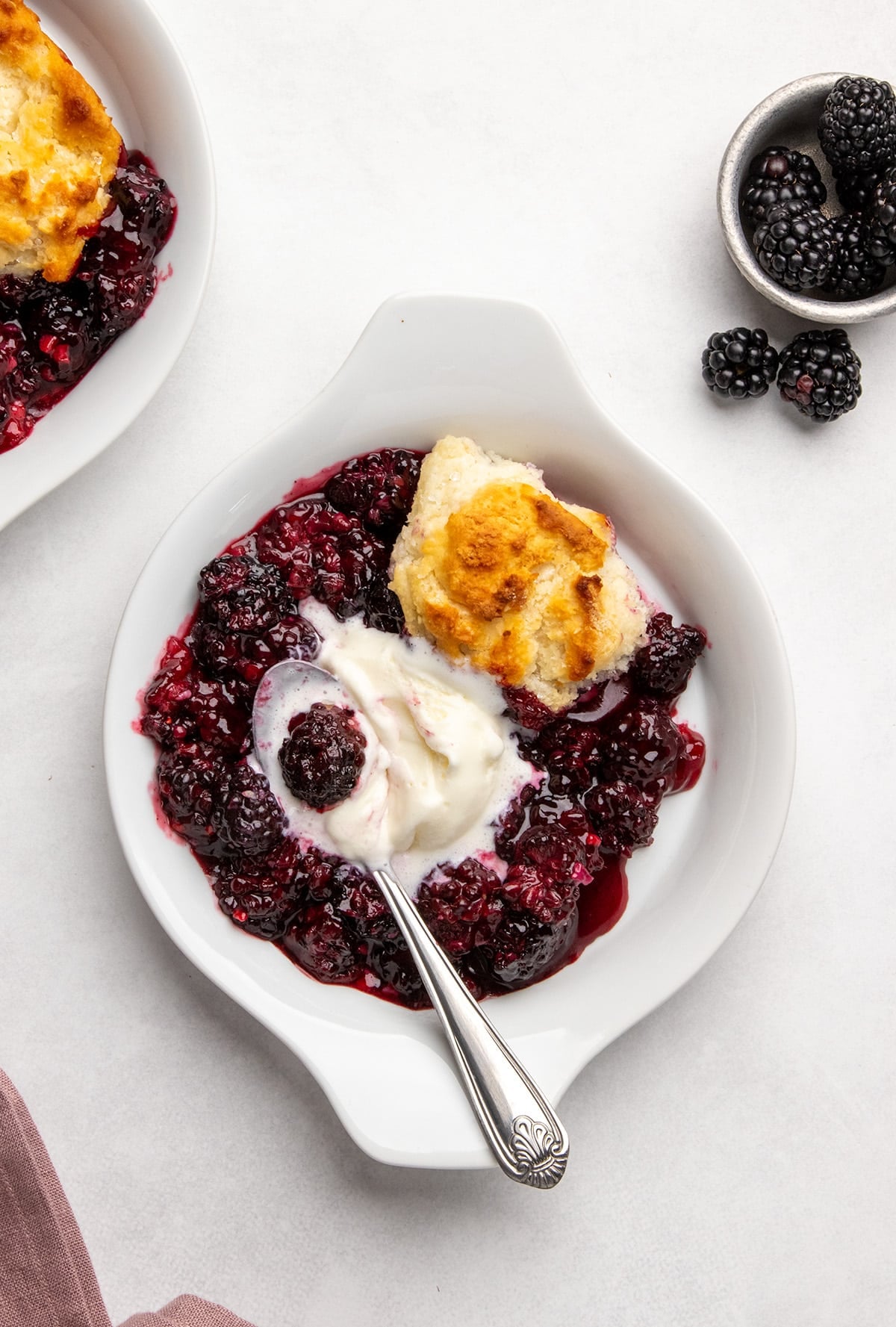
- Tapioca Starch vs. Cornstarch: While both are thickeners, tapioca starch provides a superior mouthfeel. It is the preferred choice for berry cobblers because it maintains a clean, glossy appearance and does not break down as easily when exposed to the high acidity of blackberries.
- The Buttermilk Variable: Buttermilk provides the necessary acidity to react with the baking soda, creating carbon dioxide for a fluffy rise. If buttermilk is unavailable, a combination of Greek yogurt and whole milk can replicate the pH balance, ensuring the biscuit remains tender.
- Flour Blend Requirements: Not all gluten-free flours are created equal. The recipe emphasizes the use of high-quality, pre-mixed blends like Better Batter or Nicole’s Best, which are formulated with the correct ratio of binders (like xanthan gum) to mimic the elasticity of wheat flour.
Expert Perspectives: Why This Method Succeeds
Culinary experts note that the primary reason many gluten-free cobblers fail is a lack of "structural awareness." By treating the topping as a biscuit rather than a cake, this recipe avoids the density that plagues many alternative-flour desserts.
"The secret is in the layering," says the recipe’s creator, Nicole Hunn. "You aren’t just dumping ingredients into a pan; you are creating a system where the berries release their moisture into the starch to create a sauce, and the biscuits use the steam from that sauce to finish their cooking process."
Furthermore, the intentional use of a square stoneware baking dish is not merely for aesthetics. The material properties of stoneware provide even heat distribution, which is vital for preventing the "soggy bottom" that often occurs with glass or metal pans in longer-bake fruit desserts.
Culinary Implications: The Future of Gluten-Free Comfort
The broader implication of this recipe is that the "good enough for gluten-free" era is ending. As techniques become more refined, the gap between traditional wheat-based baking and gluten-free alternatives continues to shrink. This cobbler serves as a template for other fruit-based desserts, demonstrating that with the right application of starch-based thickeners and temperature management, home bakers can produce results that satisfy even the most discerning palates.
Troubleshooting and Adaptation
For those dealing with specific dietary restrictions beyond gluten, the recipe offers clear pathways for success:
- Dairy-Free Adaptations: The use of block-style vegan butter is encouraged, though it requires a slight reduction in the buttermilk substitute to ensure the dough retains enough structure to hold its "cobblestone" shape.
- The "No-Waste" Approach: The recipe is designed to be fresh. Unlike cakes that improve after a day of resting, the cobbler’s texture is best within hours of baking. However, for those looking to store leftovers, the guidance provided suggests keeping the dish at room temperature for up to three days, noting that refrigeration, while safe, can alter the delicate moisture balance of the pastry.
In conclusion, this blackberry cobbler is more than just a dessert; it is a masterclass in the intersection of science and comfort. By respecting the volatile nature of berries and the technical requirements of gluten-free leavening, the home baker is gifted with a dish that honors the simplicity of seasonal fruit while elevating it to a level of sophistication rarely seen in the gluten-free world. Whether served with a dollop of vanilla ice cream or enjoyed on its own, it stands as a testament to the fact that dietary limitations need not result in a limitation of flavor or experience.