The Great Pivot: Why America is Choosing Hybrids Over Electric Vehicles
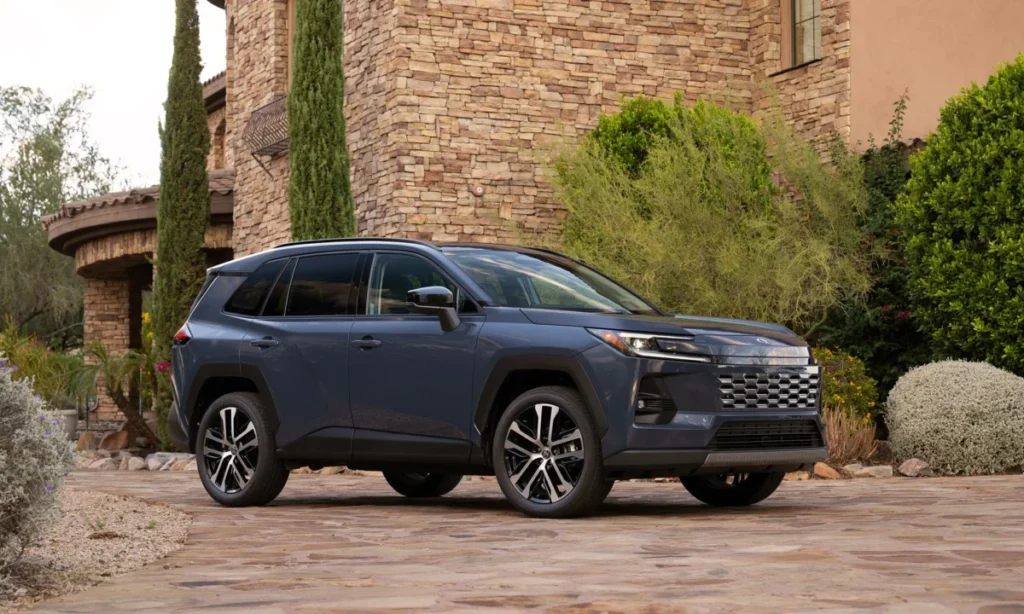
As the geopolitical landscape remains volatile and global energy markets react to the ongoing conflict in the Strait of Hormuz, the automotive sector is undergoing a profound transformation. While Europe has surged toward full electrification, driven by a 33 percent increase in battery-electric vehicle (BEV) sales in the first half of 2026, the United States is following a markedly different path. In the American market, the dream of an all-electric future is being recalibrated, replaced by a resounding consumer preference for a technology that once felt like a mere bridge: the hybrid.
The State of the Market: A Transatlantic Divergence
The global automotive market has fractured into two distinct camps. In Europe, high gas prices—exacerbated by regional instability and the broader consequences of the Iran war—have served as a catalyst for a rapid adoption of battery-powered transit. European consultancies and NGOs report that BEV sales have climbed by over a third compared to the previous year, signaling a clear shift in consumer behavior and policy alignment.
Conversely, the US market is telling a more nuanced story. While electric vehicle sales did see a modest uptick of nearly 15 percent in the second quarter of 2026 compared to the first, this growth remains sluggish compared to pre-2026 projections. The once-bullish expectations for mass BEV adoption have been dampened by a series of political and economic headwinds, including the reversal of key federal tax credits and a subsequent retreat by major automakers from their ambitious EV-only roadmaps. Instead, the real "boom" in American showrooms is occurring in the hybrid segment, where vehicles that pair internal combustion engines with electric motors are becoming the preferred solution for the average driver.
Chronology of the Shift: From EV Mania to Hybrid Pragmatism
To understand the current "hot hybrid summer," one must look back at the shifting strategies of the last five years.
- 2020–2023: The EV Gold Rush. Following a period of aggressive federal support and record-breaking investment, American automakers committed billions to pivot away from fossil fuels. During this time, the "Electric-Only" mandate was the industry standard, and hybrids were frequently dismissed as a temporary, outdated technology.
- 2024: The Policy Pivot. The federal administration’s decision to pull back on subsidies for EVs, coupled with the introduction of new trade tariffs and shifting energy priorities, created a vacuum of uncertainty. Manufacturers, struggling with the high costs of battery production and lukewarm consumer demand for luxury EVs, began to pause or cancel electric-only projects.
- 2025: The Infrastructure Realization. As the reality of "range anxiety" and the lack of a robust nationwide charging infrastructure set in, consumers began to pull back from pure BEVs.
- 2026: The Hybrid Renaissance. Today, the hybrid is no longer seen as a bridge but as a destination. Automakers like Ford, GM, and Honda have pivoted their engineering and marketing resources toward hybrid trims, while Toyota—the long-time champion of the technology—has solidified its dominance by making hybrid powertrains the default for its most popular models.
Data-Driven Insights: Why Hybrids Are Winning
The data provided by Kelley Blue Book and other industry analysts paints a clear picture: hybrids are outperforming the broader market. While total vehicle sales are projected to dip by more than 2 percent this year, hybrid sales are expected to climb by 9 percent.
The Cost-Benefit Calculus
The primary driver for this shift is economic pragmatism. With gas prices currently 30 percent higher in the US than they were this time last year, consumers are hyper-aware of fuel efficiency. Hybrids offer a "best of both worlds" solution: they provide the fuel-sipping benefits of electric motors without the high entry price or the infrastructure dependency of a BEV. For a consumer already grappling with "eye-watering" car prices, the marginal cost of a hybrid trim—often just a few thousand dollars—is a much easier pill to swallow than the premium required for a long-range EV.
The "Toyota Effect"
Toyota’s long-term bet on hybrid technology has paid off handsomely. By sticking to its guns since the late 1990s, the company has created a product lineup where the Camry and RAV4 are now essentially hybrid-only. This quarter, Toyota reported a 20 percent increase in hybrid sales, proving that brand loyalty combined with familiar technology is a powerful driver of market share. Other manufacturers are following suit; Honda’s recent decision to discontinue the Prologue EV in North America to focus on the highly successful hybrid CR-V serves as a definitive case study in this industry-wide pivot.
Official Responses and Strategic Realignment
The shift toward hybrids has forced a reckoning within the executive suites of major automakers.
"People are looking to save; they have range anxiety. The hybrid is the perfect solution," says Karl Brauer, executive analyst at iSeeCars.com. Brauer notes that for many, the hybrid is a comfort zone. "You have people who have been buying RAV4s for 20 years, and they literally don’t know what a hybrid is, but they go into a dealership and buy a new one."
Industry experts also note that the pivot to hybrids may actually be a "gateway" for future EV adoption. Stephanie Brinley, associate director of AutoIntelligence at Mobility Global, suggests that the hybrid is an essential tool in breaking down consumer resistance to non-traditional powertrains. "When buyers say, ‘I’ll look at this hybrid,’ that’s opening up a willingness to consider something that’s not traditional. It’s a little crack in the armor that can make a difference when they come back to the market."
Even GM, once the most vocal proponent of a "pure EV" strategy, has signaled it will lean into hybrid technology to navigate the "messy middle" of the energy transition. This sentiment is echoed across the industry, as companies realize that meeting climate goals requires a realistic appraisal of what the American consumer is actually willing to purchase.
Implications for the Future: A Long Road Ahead
The long-term implications of this shift are profound. By embracing hybrids, the American auto industry is effectively choosing a slower, more deliberate path to decarbonization. While this may delay the achievement of aggressive electrification targets, it may also prevent a total collapse in consumer adoption of electrified vehicles.
Implications for Infrastructure
The rise of the hybrid eases the immediate pressure on the US power grid and the national charging network. Because hybrids rely on smaller, internal gas-electric systems, they do not require the massive rollout of high-speed charging stations that pure BEVs demand. This gives the government and private sector more time to build out the necessary infrastructure without risking the "dead-end" experience of early EV adopters.
Implications for Climate Goals
Critics argue that the hybrid surge could undermine environmental progress by keeping internal combustion engines on the road for longer. However, proponents argue that a 100 percent increase in vehicles that are 40 percent more efficient is, in the aggregate, more impactful than a 10 percent increase in vehicles that are 100 percent efficient but remain out of reach for the average buyer.
A Path to 2030
Looking ahead to 2030, analysts remain cautiously optimistic. Despite the current cooling of the EV market, the groundwork is being laid for a more sustainable future. Brinley notes, "Hybrids showed up more than 25 years ago, and now they’re reaching 15 percent of the market. We expect EVs to be 12 percent of sales in 2030, and that’s a growth pace that’s even faster than hybrids. It takes a long time for people to change."
Ultimately, the American market is proving that the transition to sustainable energy is not a sprint, but a marathon. By choosing hybrids, the US is not necessarily abandoning the electric future; it is simply choosing to walk the path at a pace that its citizens, infrastructure, and economy can sustain. Whether this "hybrid bridge" eventually leads to a full-scale adoption of electric vehicles remains to be seen, but for now, the internal combustion engine—refined, electrified, and more efficient than ever—is here to stay.