The Future of Indoor Cultivation: A Comprehensive Guide to Smart Hydroponic Gardens
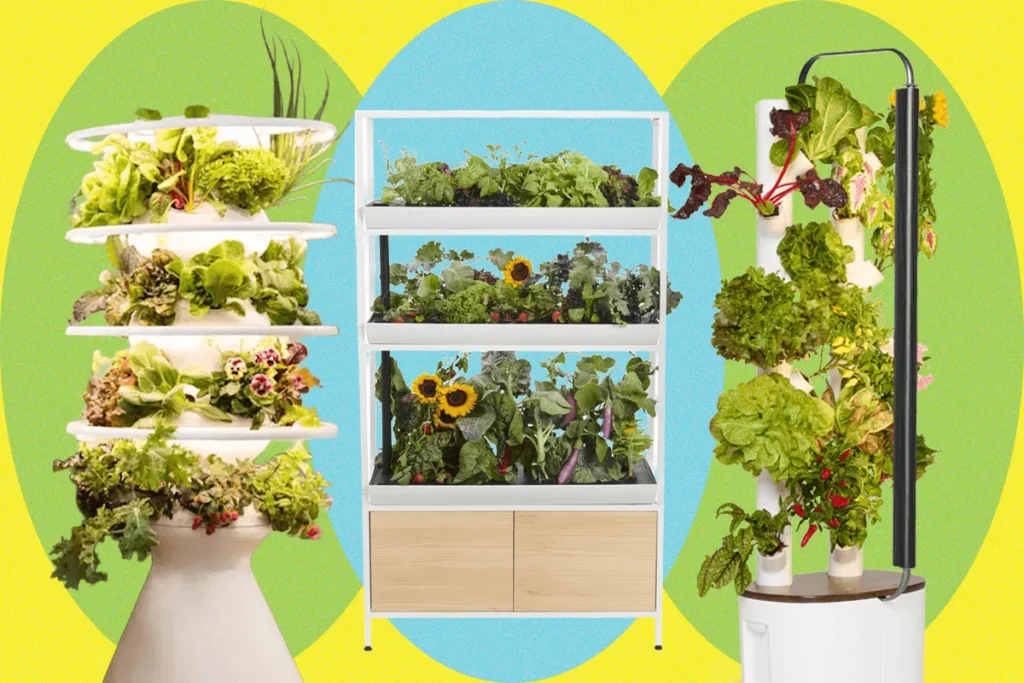
The dream of the "zero-mile" diet—where your salad travels from the countertop to the plate in seconds—has moved from the realm of science fiction to a staple of the modern smart home. As urbanization increases and consumers seek more control over their food supply, the indoor hydroponic garden market has exploded. However, beneath the polished aesthetics and promises of year-round harvests, there lies a complex ecosystem of varying technologies, reliability issues, and stark differences in yield performance.
This analysis examines several notable contenders in the current market, exploring which systems are worth the investment and which are better left as decorative objects.
Main Facts: Navigating the Hydroponic Landscape
Hydroponic gardening, in its simplest form, is the practice of growing plants without soil. Instead, plants are grown in nutrient-rich water solutions. For indoor consumer systems, this usually takes one of three forms: deep-water culture, wicking systems, or aeroponics (misting).
The primary appeal is clear: no soil, no weeds, and no seasonal limitations. However, the trade-off is a reliance on electricity, specific proprietary consumables, and a learning curve regarding plant biology. While these devices are often marketed as "set it and forget it," the reality often involves managing light cycles, monitoring pH levels, and cleaning pump systems to prevent algae blooms.
Chronology of Innovation and Testing
The current generation of indoor gardens has evolved rapidly over the past five years. We have moved from simple "herb-in-a-jar" setups to complex, app-connected vertical farms.
- Early Development: Initial consumer models focused on single-variety pods, primarily for herbs.
- The Mid-Cycle Shift: Companies began introducing vertical architecture (such as the Gardyn and Rise systems), allowing for larger harvests of leafy greens and fruiting vegetables.
- The "Smart" Integration: The most recent wave, featuring products like the Plantaform, has introduced "fogponics" and AI-driven monitoring, attempting to optimize growth through environmental data.
During our testing period, we subjected these systems to rigorous real-world conditions. We evaluated them based on three criteria: ease of assembly, actual harvest yield, and long-term maintenance requirements.

Supporting Data: The Verdict on Current Models
The Contenders: Honorable Mentions
Click & Grow Smart Garden 9 ($125)
The Click & Grow 9 remains a popular entry point. It utilizes a simple wicking system—a sponge-like "smart soil" pod that draws water from a reservoir.
- Pros: Extremely low barrier to entry; no pumps to clean; highly compact.
- Cons: Low yields. During testing, the system was significantly slower than competitors, with some pods failing to germinate entirely. It is best suited for decorative flowers rather than a reliable food source.
Modern Sprout Garden Jars ($20)
These Mason-jar-style systems are essentially passive hydroponics.
- Verdict: These are aesthetic pieces. While they are reliable for a few sprigs of herbs, they lack the nutrient delivery mechanisms necessary for a significant culinary harvest. They serve best as a low-cost, low-maintenance gift.
Lettuce Grow Counterstand ($149)
A minimalist take on the Kratky method, this system uses amber beakers and an LED light.
- Performance: While it is arguably the most stylish system on the market, the surface area limits it to very small yields. It is a "snack-sized" garden.
Vego EZ Microgreens Planter ($60 for 2-pack)
For those uninterested in full-grown produce, microgreens are an efficient alternative. The Vego system is simple: a reservoir, a bamboo-fiber mat, and a humidity dome.
- Performance: Highly consistent. When paired with a quality grow light, this system provides a steady stream of nutrient-dense greens for smoothies and sandwiches.
The Detractors: Products to Avoid
Plantaform Smart Indoor Garden ($900)
Marketed as a revolutionary "fogponics" device, this egg-shaped planter was a recipient of a CES 2025 Innovation Award. Despite the prestige, our testing revealed critical flaws. The unit is not airtight, which, when combined with an aerosolized fertilizer mist, led to a measurable degradation in indoor air quality. Furthermore, the system lacks the versatility to grow mixed crops, requiring a "one-type-only" approach to each growth cycle.
LetPot Smart Seed Starter ($84)
While feature-rich on paper—including soil sensors and a heating pad—this unit suffers from poor quality control. In our tests, the power adapter emitted high-pitched coil whine, and the software settings failed to persist after power cycles. It is a classic example of "feature creep" failing to deliver a functional user experience.

Official Responses and Industry Context
Industry leaders, such as the creators of the Gardyn system, argue that the goal is not merely to save money, but to change the consumer relationship with produce. "It’s about control," noted one industry designer. "In an era of supply chain uncertainty, there is a psychological benefit to knowing exactly what went into your food."
However, industry experts acknowledge the "cost of entry" barrier. When factoring in the price of proprietary pods, electricity for 16-hour light cycles, and potential hardware maintenance, these systems are rarely a replacement for grocery store shopping. They are, effectively, a premium hobbyist tool.
Implications for the Future of Indoor Gardening
As we look toward the next phase of this industry, several trends are emerging that will define the next generation of indoor gardens:
1. The "Right to Repair" Movement
Currently, many hydroponic companies operate on a "razor-and-blades" model, where the hardware is sold at a mid-range price, but the user is locked into a recurring subscription for proprietary pods and seeds. Consumer frustration is mounting. We anticipate a shift toward open-source pod systems that allow users to utilize their own seeds and nutrients, lowering the long-term cost of ownership.
2. Energy Efficiency vs. Output
The "noise and light" factor remains the biggest hurdle for urban apartment dwellers. Systems that require continuous pumping are often loud enough to disrupt home offices or bedrooms. Future designs will likely prioritize "silent" capillary-action systems that eliminate the need for mechanical pumps, alongside more efficient, full-spectrum LEDs that generate less heat.
3. Food Safety and Air Quality
The issues identified with the Plantaform system have highlighted a previously ignored aspect of indoor agriculture: the internal environment. As these units become more sophisticated—aerosolizing water and nutrients—manufacturers will need to implement HEPA-grade filtration or superior sealing to ensure that these gardens do not negatively impact the home’s air quality.

4. The Biological Ceiling
While we can grow almost anything, we are currently hitting a "biological ceiling" regarding root volume. Hydroponic systems are excellent for leafy greens, but they struggle with large fruiting bodies (like melons) or root vegetables (like carrots). Innovation in "container-less" aeroponics may eventually allow for larger crops, but for the next five years, the focus will remain on high-yield, short-cycle greens.
Final Summary: Is It Worth It?
If your goal is to slash your grocery bill, current technology is not yet optimized to provide a significant return on investment. The upfront cost of a high-end system, combined with the recurring costs of pods, nutrients, and electricity, makes it a premium lifestyle choice rather than a budget-saving maneuver.
However, if your goal is to experience the satisfaction of "growing your own," learn about plant biology, or ensure the freshest possible ingredients for your kitchen, these systems offer a unique, tech-forward solution.
Recommendations for Success:
- Choose based on space: Do not buy a vertical tower if you only have a small desk.
- Prioritize maintenance: If you are a busy professional, avoid systems with complex pump cycles that require weekly cleaning.
- Start with greens: Regardless of the system, start with lettuce or basil. They are the most forgiving crops and provide the fastest gratification.
- Don’t rely on "Smart" features: As shown by the LetPot and Plantaform, complex electronics are often the first thing to break. A simple, well-lit, and well-watered manual system will often outlast a failing smart device.
The indoor garden market is still in its relative infancy. While we have seen rapid improvements in design and user interface, the industry is still waiting for a device that truly marries low cost, high output, and long-term reliability. Until then, approach these systems as you would any other piece of high-end home technology: research the failure points, manage your expectations, and keep a set of backup seeds on hand.