Mastering the Lens: 7 Proven Strategies for Viral Food Photography
In the digital age, where social media feeds are saturated with content, the visual appeal of a dish has become just as significant as its flavor. For food bloggers, culinary entrepreneurs, and content creators, the ability to capture "viral-worthy" imagery is no longer just a hobby—it is a cornerstone of professional growth and audience engagement. As the demand for high-quality visual storytelling continues to surge, industry experts are doubling down on educational initiatives designed to turn amateur snapshots into professional-grade assets.
Main Facts: The Intersection of Art and Analytics
The pursuit of a viral food photograph is rarely a matter of luck; it is a calculated blend of technical proficiency, artistic intuition, and an understanding of platform algorithms. Recent data indicates that imagery remains the highest-performing content type on visual-centric platforms like Instagram and Pinterest.
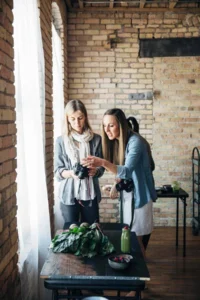
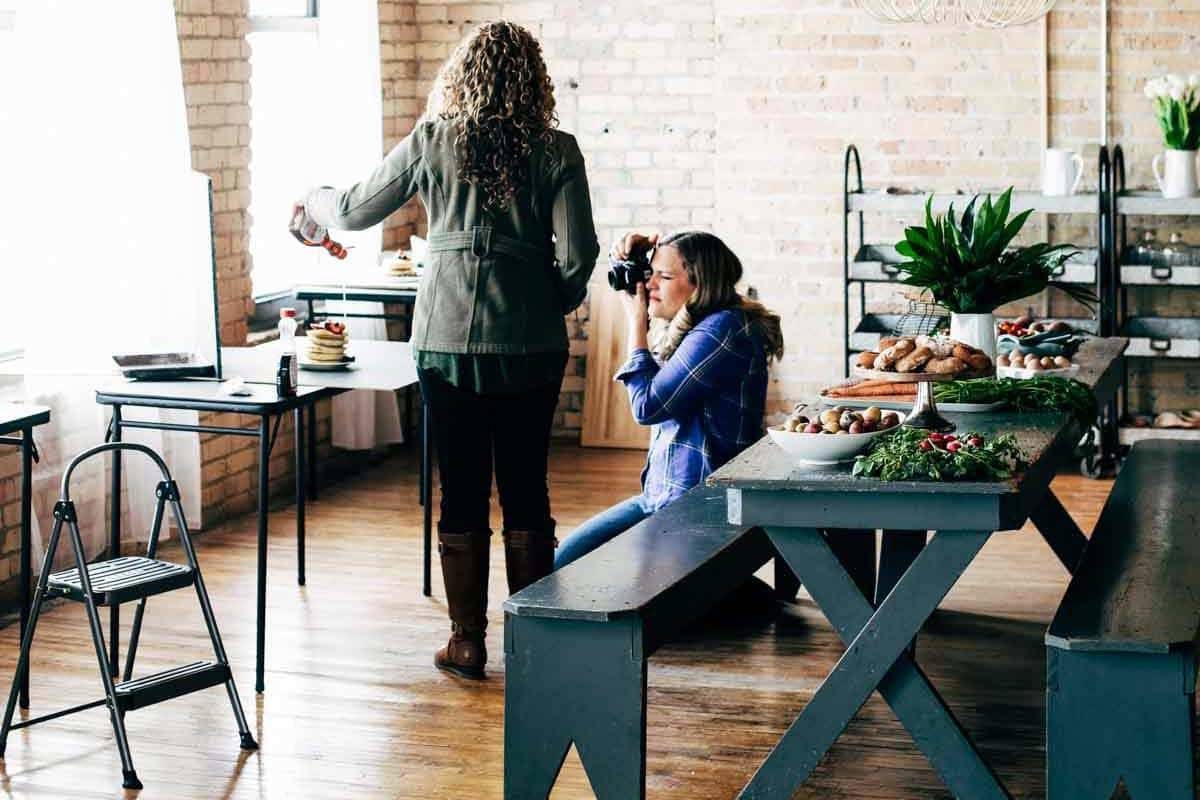
To bridge the gap between amateur effort and professional results, the Pinch of Yum studio has launched a series of intensive, two-day food photography workshops. These sessions are specifically engineered to demystify the complexities of manual camera settings, advanced food styling, and efficient editing workflows. By providing a controlled environment—complete with professional-grade lighting and dedicated studio space—participants are able to transition from theoretical knowledge to hands-on application, often resulting in immediate and measurable improvements in their social media engagement metrics.
Chronology: The Evolution of a Skillset
The journey to mastering food photography is often described by professionals as a progressive evolution rather than an overnight transformation.
- Initial Assessment: Beginners typically start with basic automatic settings, often struggling with composition and natural lighting.
- The Workshop Intervention: Participants engage in a rigorous 48-hour curriculum that focuses on "Teach-Model-Practice" cycles. This includes mastering manual modes to control depth of field and exposure.
- The Implementation Phase: Following the workshop, attendees return to their own environments, applying the technical skills and styling techniques learned under the guidance of instructors.
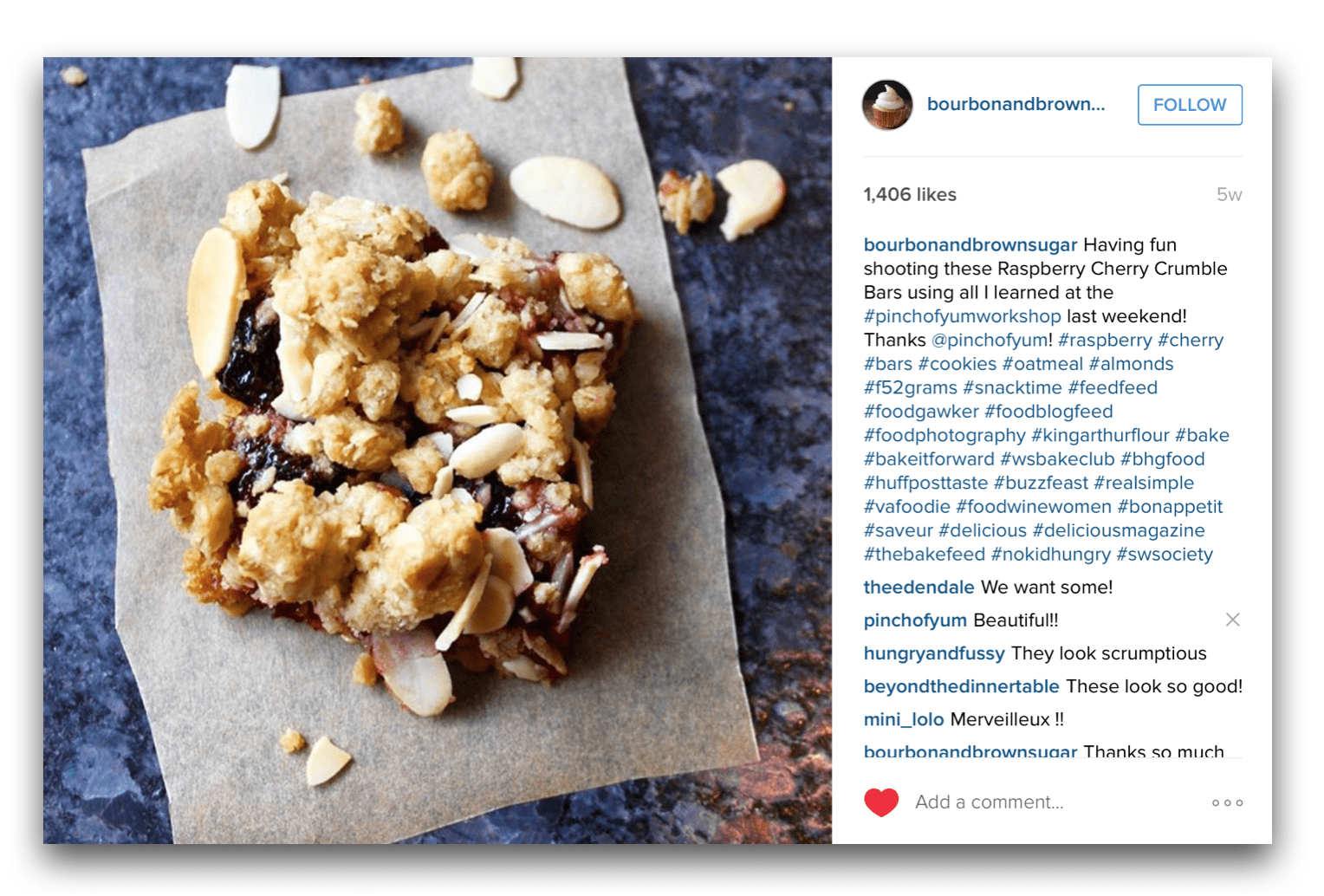
- Measurable Success: As seen in recent testimonials, attendees have reported significant spikes in audience interaction—some noting increases of over 1,000 likes on single posts within days of applying their new skills.
Supporting Data and Real-World Impact
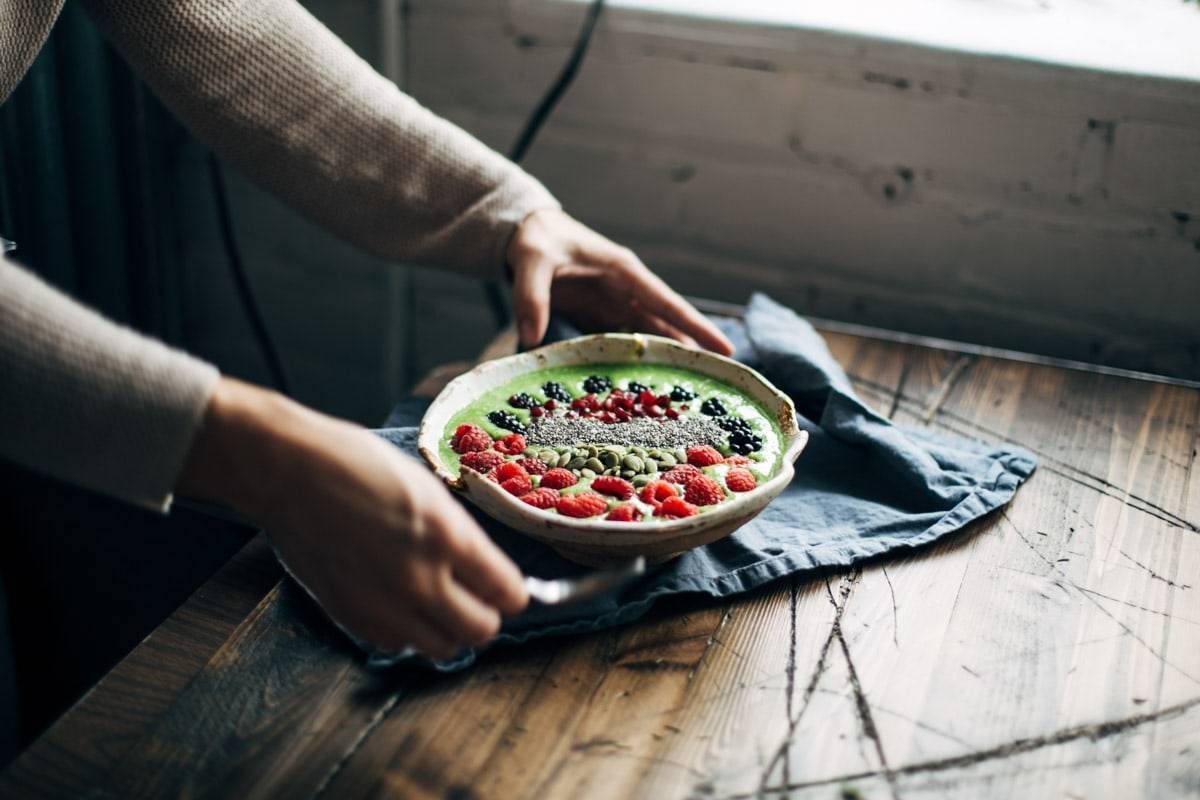
The efficacy of structured photography education is best exemplified by the success of workshop alumni. Consider the experience of MB, a content creator from Virginia who participated in a spring session. Prior to the workshop, her Instagram engagement was modest. Upon returning and implementing the specific styling and composition techniques learned in the studio, she posted a single image that garnered nearly 1,400 likes—a staggering 1,100-like increase over her previous average.
This is not an isolated incident. These results serve as a testament to the fact that when creators move from passive observation to intentional practice, the performance of their content shifts dramatically. To further support this development, current workshop registrants are receiving a one-year membership to Food Blogger Pro (valued at $279), providing a long-term educational ecosystem to ensure the momentum built during the workshop continues well into the future.
Official Perspective: The "Teacher’s Heart" Approach
At the core of these workshops is a philosophy that prioritizes the learning experience over rigid, high-pressure techniques. Instructors emphasize that the goal is not to produce "perfect" photos, but to facilitate a process that is understandable, reproducible, and impactful.
"My elementary school teacher heart is having a moment," says the lead instructor at Pinch of Yum. "I get so much joy from taking something that is an otherwise very intimidating, artistic, and ambiguous process and making it easy to understand."
The focus is on stripping away the "mystique" of professional photography. By breaking down the process into actionable steps—such as understanding how to fill a frame or how to manage challenging, "unphotogenic" ingredients—students gain the confidence to treat photography as a skill that can be developed rather than an innate talent they lack.
The 7 Strategies for Viral Success
To achieve a "viral" aesthetic, experts recommend focusing on these seven foundational pillars:
1. Master the Angle: Overhead vs. Straight-On
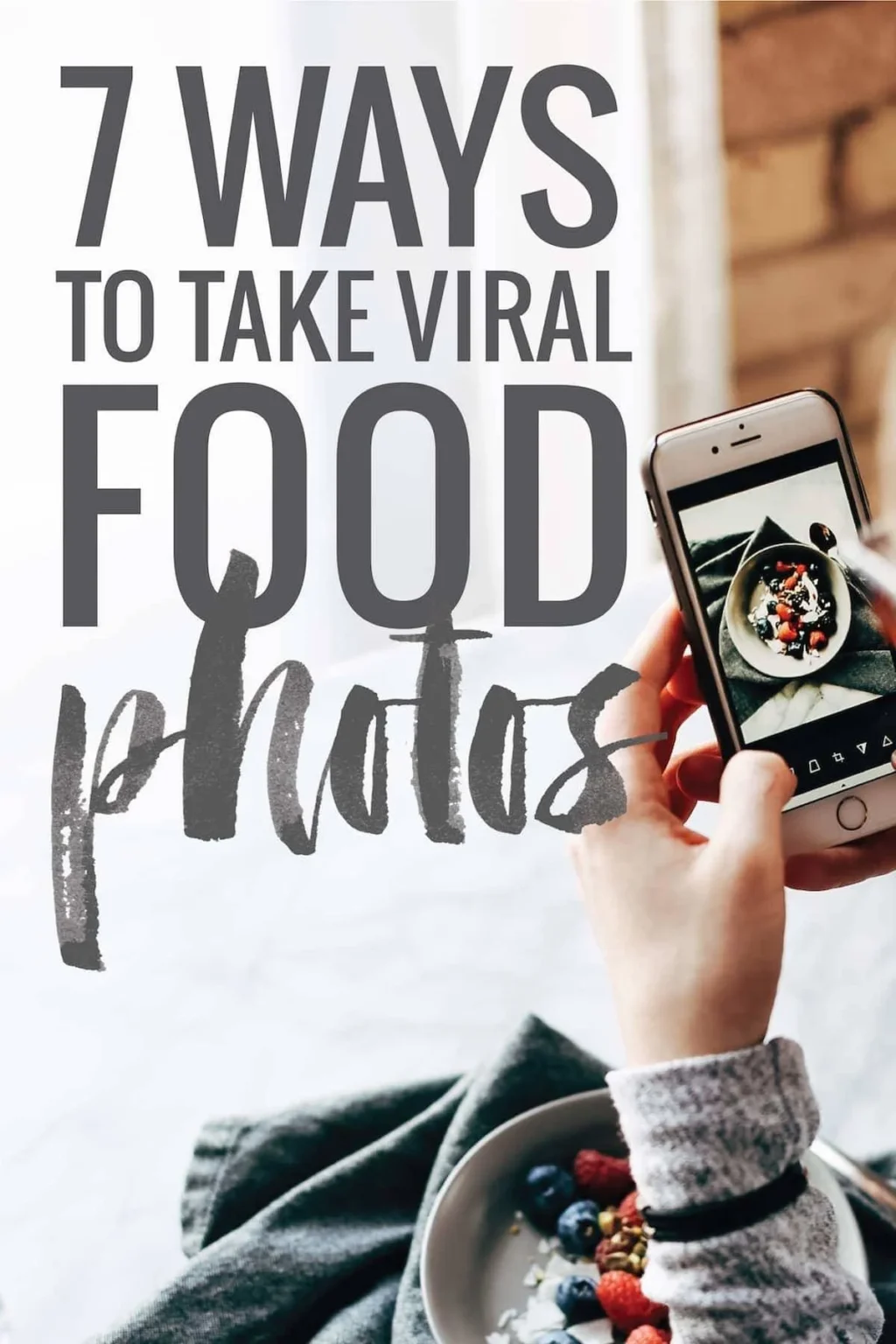
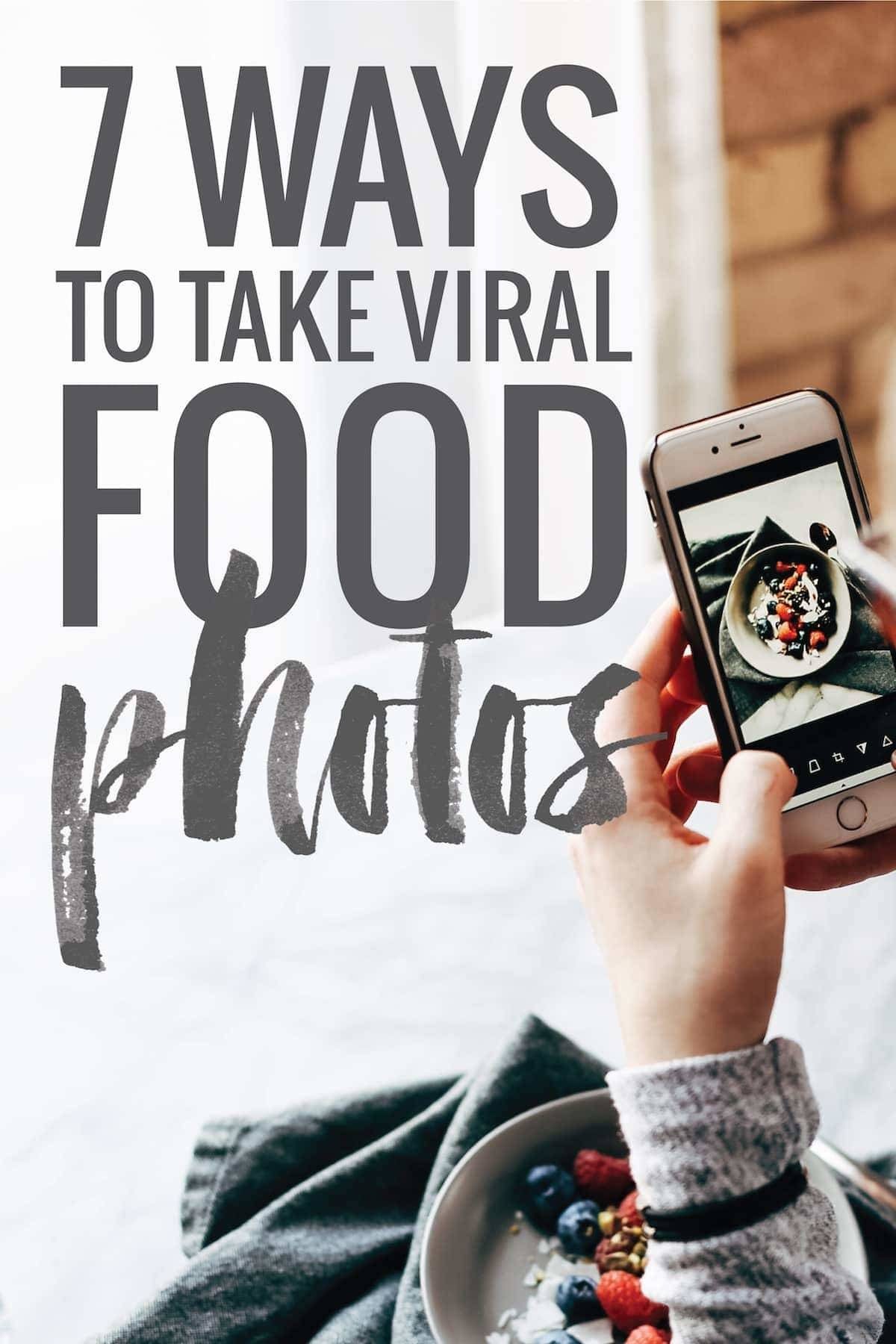
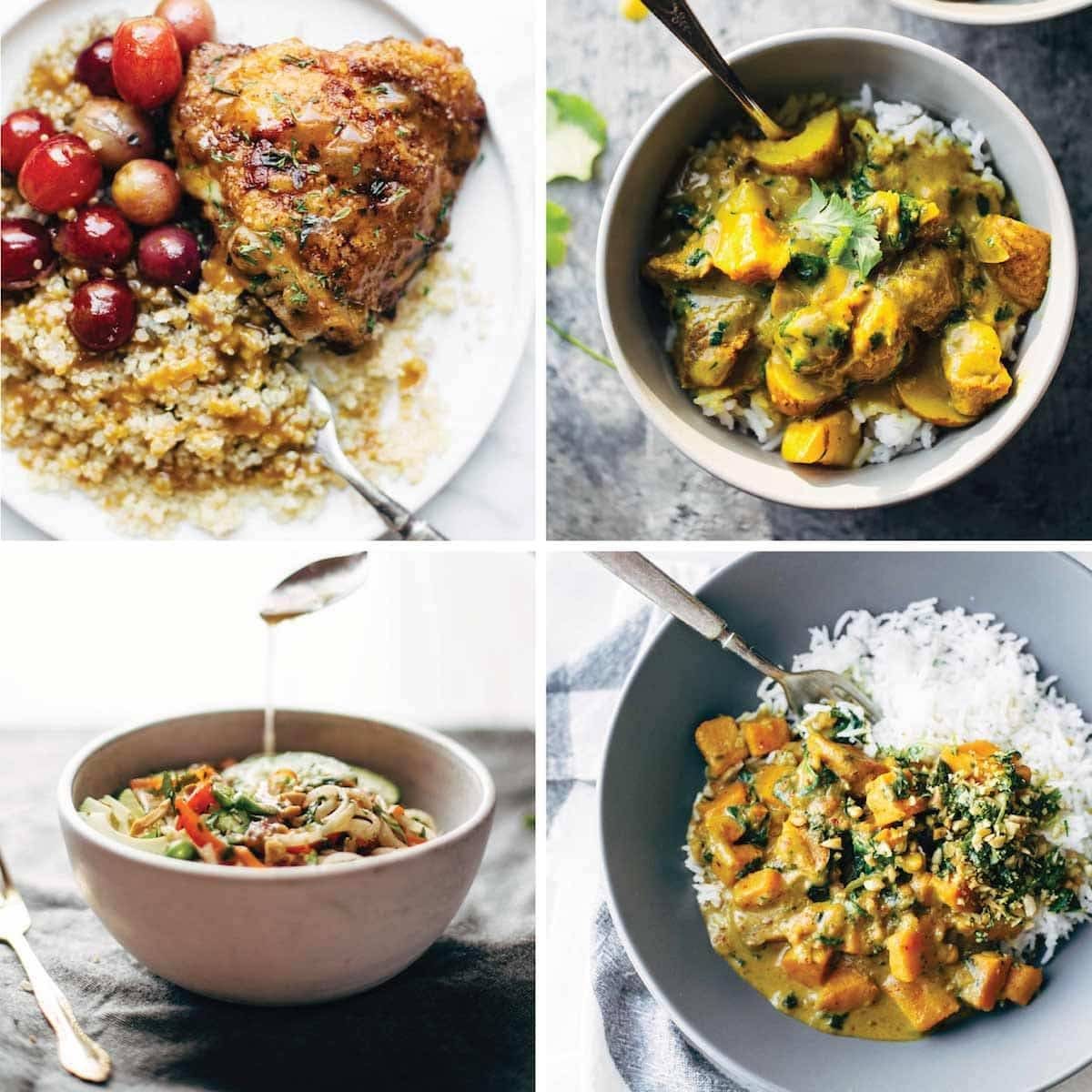
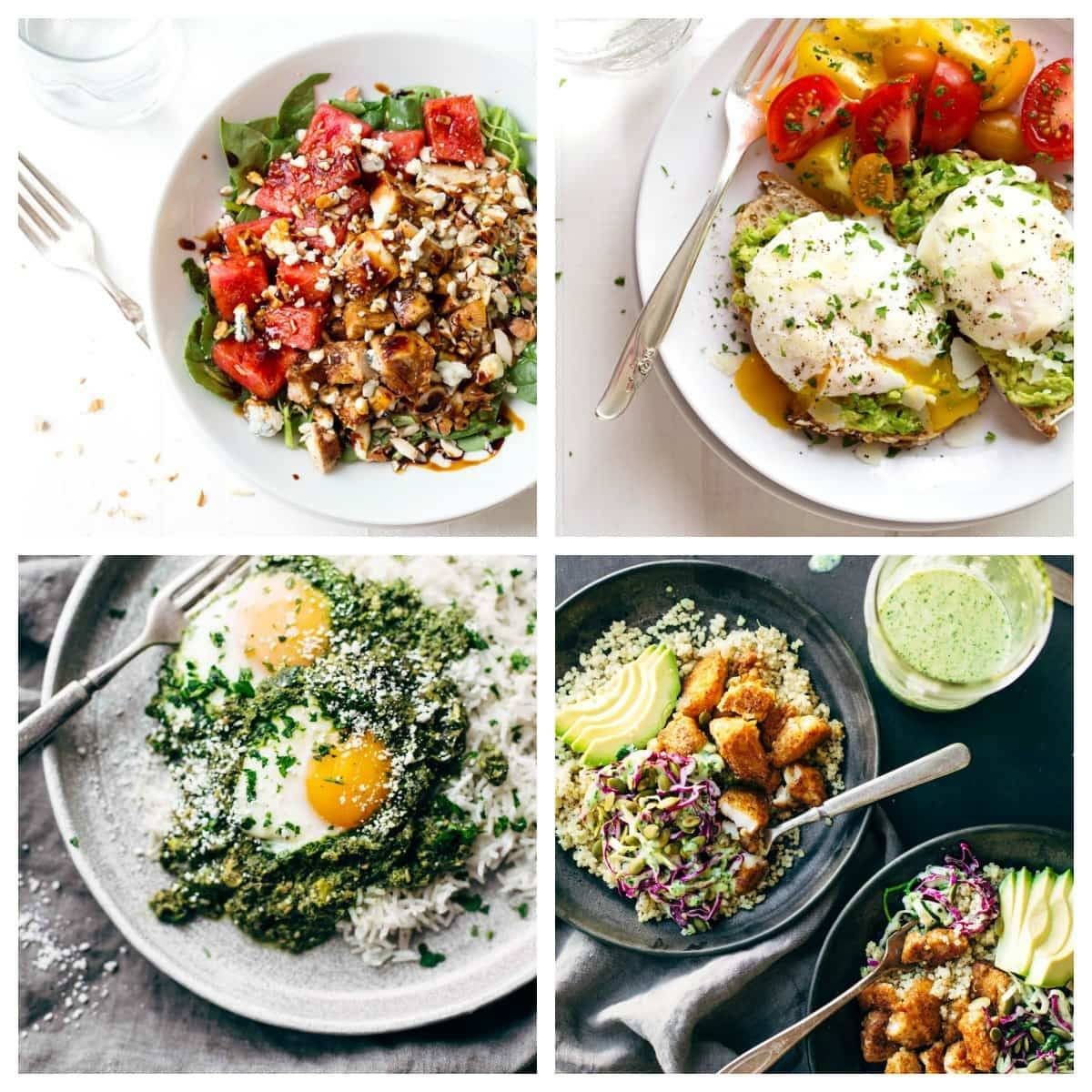
The angle of the shot dictates the viewer’s relationship with the food. Overhead shots are essential for showcasing the "flat lay" beauty of smoothie bowls and salads, while straight-on angles are vital for highlighting height, such as towering burgers or pasta, providing a sense of scale and depth.
2. The Matte Advantage
Shiny, reflective surfaces are the enemy of the amateur photographer. They create distracting hot spots and often accidentally capture the photographer in the reflection. Utilizing matte-finish dishes allows the food to take center stage without the interference of glare.

3. The Power of Monochromatic Styling
When in doubt, simplify. A monochromatic color palette—matching your plate to your background—forces the viewer’s eye to focus exclusively on the color and texture of the food itself. This high-contrast approach is a proven hack for stopping the "scroll" on social media feeds.
4. Detail-Oriented Styling: The "Action" Shot
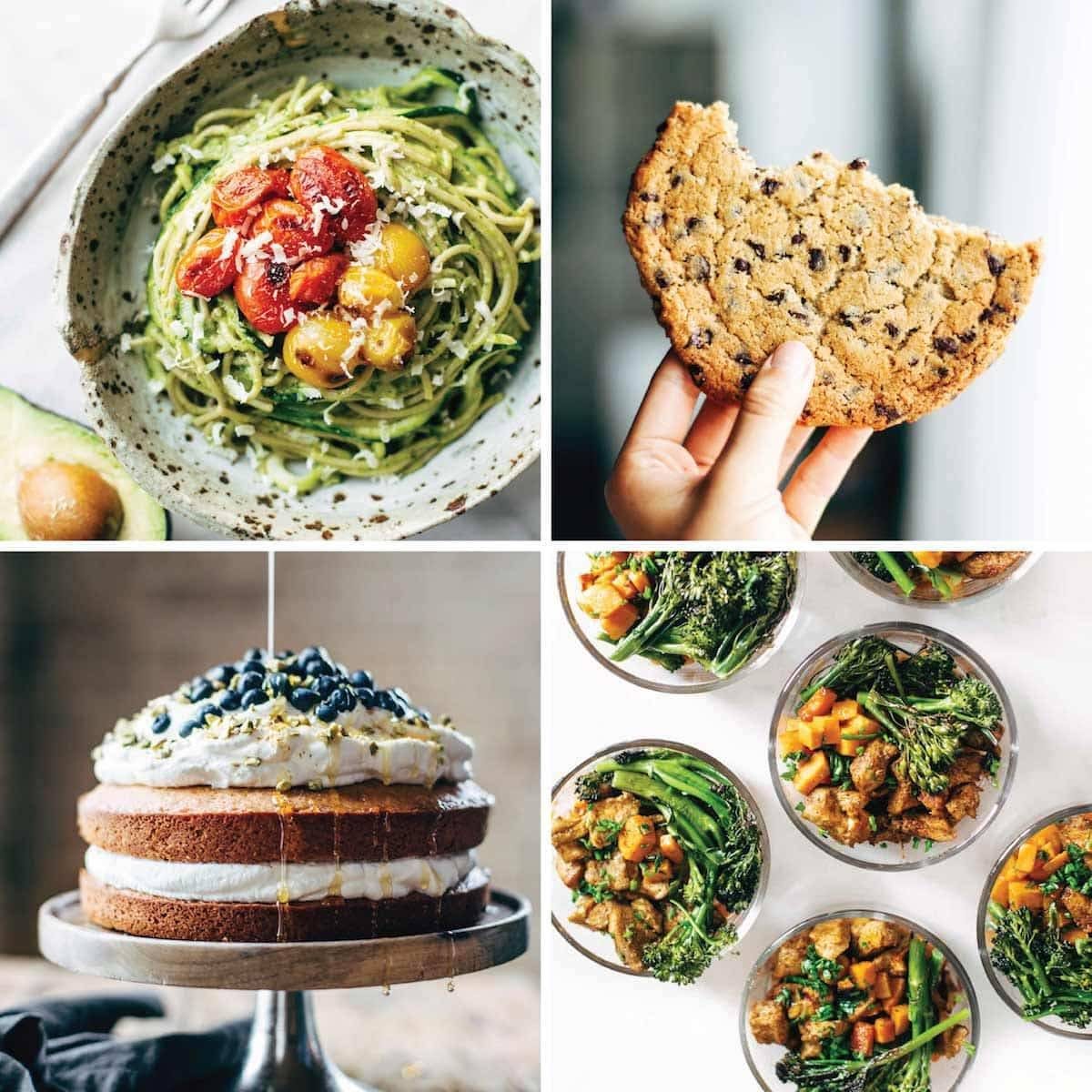
Great food photography is about the "before" and "during." Whether it is a precise drizzle of olive oil, a fresh dusting of herbs, or a perfectly placed fork-twist of noodles, these micro-details signal freshness and appetite appeal. If the food doesn’t look delicious before the camera is raised, no amount of editing will save the shot.
5. Compelling Content Construction
A single slice of toast is rarely viral. A stack of pancakes with butter melting, syrup dripping, and vibrant toppings is. The "compelling" factor relies on layering, texture, and the "wow-factor." Always look for ways to enhance the visual narrative of the dish.
6. Developing a Signature Aesthetic
Consistency builds a brand. While you should not feel bound by a single look, having a recognizable style—whether it be moody and dark or bright and airy—helps your audience identify your work instantly, which in turn fosters a deeper sense of community and brand loyalty.
7. The Cycle of Study and Practice
The final strategy is perhaps the most important: perpetual learning. Curate a feed of photographers who inspire you and analyze why their work succeeds. Identify their lighting choices, their props, and their framing. Then, use that inspiration to fuel your own practice sessions.
Implications for the Future of Content Creation
The landscape of digital media is shifting toward high-fidelity, highly intentional visual content. As platforms like Instagram, TikTok, and Pinterest continue to prioritize high-quality imagery, the barrier to entry for professional-level engagement has risen.
However, the implications of these developments are largely positive. By moving toward a culture of education and skill-sharing, the creative community is becoming more democratic. Whether through specialized workshops or consistent, disciplined practice, the ability to create compelling food content is accessible to anyone willing to invest the time.
For those looking to accelerate their growth, the opportunity to learn in a dedicated, distraction-free environment is invaluable. With workshops currently operating at high demand—often selling out weeks in advance—it is clear that the appetite for professional, high-impact food photography education is at an all-time high. By embracing these seven strategies and committing to the "study and practice" cycle, creators are well-positioned to not only survive in the competitive digital landscape but to thrive within it.