From Personal Diary to Community Resource: The Strategic Evolution of Frugalwoods

By Editorial Staff
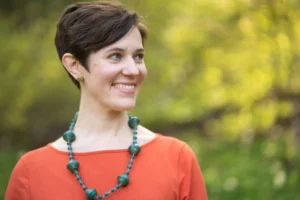
After nearly a decade of defining the landscape of modern frugality and financial independence, Elizabeth Willard Thames—better known to her global audience as "Mrs. Frugalwoods"—has announced a significant strategic pivot for her platform. Following an unplanned two-month sabbatical, the author and financial advocate is transitioning her influential blog, Frugalwoods, away from its origins as a personal narrative toward a more community-centric, case-study-driven model.
This shift marks a milestone in the "FIRE" (Financial Independence, Retire Early) movement, signaling a maturation of one of its most prominent voices. As Thames moves from the "striving" phase of her journey to a "maintenance" phase on her Vermont homestead, the future of Frugalwoods will focus on the financial lives of its readers rather than the daily minutiae of the Thames family.
I. Main Facts: The Return and the Redesign
The announcement, released following an eight-week hiatus, outlines several key changes to the Frugalwoods content strategy. For the past 9.5 years, the blog has operated as a high-frequency publication, often featuring thrice-weekly updates. Moving forward, the platform will prioritize depth over frequency, with a primary focus on "Reader Case Studies."

Thames cited several catalysts for this change:
- Content Fatigue: After nearly a decade of "mining her life for content," Thames expressed a desire to stop writing about her own financial psyche.
- Privacy Concerns: With her children now aged five and eight, the author noted an increasing discomfort with sharing the nuances of their lives online.
- Mission Fulfillment: Having reached her financial and lifestyle goals—living on a peaceful rural homestead—Thames noted that a "contentedly boring" life, while personally fulfilling, does not always translate into compelling narrative content.
- Community Demand: The "Reader Case Studies," which offer detailed financial audits and advice for individuals, have emerged as the platform’s most impactful and popular feature.
Additionally, Thames confirmed the return of the "Uber Frugal Month" (UFM) for January 2024, a signature 31-day financial "reset" program that has served thousands of participants since its inception.
II. Chronology: A Decade of Frugality
The evolution of Frugalwoods serves as a roadmap for the broader cultural shift toward intentional living and financial literacy in the United States.
The Formative Years (2014–2016)
The blog began in late 2014 as a "money diary." At the time, Elizabeth and her husband, Nate (known as Mr. Frugalwoods), were urban professionals living in Cambridge, Massachusetts. The early content focused on the radical lifestyle changes required to save 70% or more of their income. This era was characterized by granular posts about making oatmeal, cutting their own hair, and navigating the social pressures of consumerism.

The Great Transition (2016–2018)
In 2016, the couple executed their long-term plan: purchasing a 66-acre homestead in rural Vermont. This period saw the blog transition from urban frugality to "frugal woodsiness." The narrative expanded to include land management, woodstove heating, and the birth of their first daughter. In 2018, Thames published her memoir, Meet the Frugalwoods: Achieving Financial Independence Through Simple Living, which solidified her status as a leading voice in the personal finance space.
The Maturation and Sabbatical (2019–2023)
As the family settled into their "forever home," the content shifted toward long-term investing strategies and community-building. However, after 9.5 years of consistent production, Thames reached a point of exhaustion. An intended one-week break in late 2023 expanded into a two-month "impromptu hiatus," providing the necessary perspective to re-evaluate the blog’s future.
III. Supporting Data: The Impact of the "Uber Frugal Month"
Central to the Frugalwoods mission is the Uber Frugal Month (UFM) Challenge. This program is not merely a "no-spend" challenge but a holistic re-evaluation of an individual’s relationship with money.
Program Structure
The UFM is a free, 31-day email-based program. Participants receive daily emails containing:

- Action Items: Specific steps to audit accounts, reduce recurring costs, and optimize spending.
- Mindset Shifts: Motivational content designed to decouple happiness from consumption.
- Community Support: Access to a private Facebook group where thousands of participants share advice and accountability.
Qualitative Success Metrics
User testimonials provided by the platform highlight the diverse ways the program impacts participants. Data gathered from past cohorts suggests three primary areas of improvement:
- Quantifiable Savings: One participant, Samantha, reported saving over $1,600 in a single month by adhering to UFM tenets, with nearly $1,000 cut specifically from food spending.
- Behavioral Modification: Participants like Mary noted that the "shock" of saying no to frivolous expenditures eventually transformed into a sense of mission. For many, the challenge serves as a "reset" to correct "lifestyle creep."
- Empowerment and Clarity: Several participants, including those identified as "Meredith" and "Vanessa," noted that the program felt "empowering" rather than "restrictive." It provided a "why" behind their financial goals, which ranged from paying off student loans to building generational wealth.
IV. Founder’s Perspective: "Boring and Happy"
In her official communication to the community, Thames was candid about the challenges of maintaining a personal brand for nearly a decade. "I’ve spilled a lot of digital ink delving into my own finances, my financial psyche, and my approach to everything from making oatmeal to index fund investing," Thames stated.
She addressed the paradox of success in the creator economy: when a creator successfully reaches the "destination" they have been writing about, the inherent conflict and "striving" that drive a narrative often disappear. "We’re contentedly boring at this point," she noted, adding that "boring and happy often doesn’t translate into interesting content for readers."
This realization led to the decision to pivot toward Reader Case Studies. By focusing on the financial puzzles of others, Thames can continue to provide high-value financial advocacy while protecting the privacy of her family and avoiding the redundancy of repetitive personal anecdotes.

V. Implications: The Future of Financial Advocacy
The strategic pivot of Frugalwoods reflects broader trends in the digital content and personal finance industries.
The Creator Burnout Phenomenon
Thames’ admission of needing a sabbatical highlights the growing issue of creator burnout. For influencers whose "product" is their personal life, the pressure to constantly perform can be unsustainable. By transitioning to a case-study model, Thames is decoupling her brand from her daily life, a move that may provide a blueprint for other long-term bloggers seeking longevity.
From Narrative to Service
The move toward one Case Study per month suggests a shift from "infotainment" to "consultative service." While the blog will remain free, the content will function more like a public classroom. This approach addresses a common criticism of personal finance blogs: that they are too specific to the author’s unique circumstances (e.g., high-income tech workers). By highlighting a diverse range of reader cases, the platform can address a wider variety of socioeconomic realities.
The Resilience of Frugality in Inflationary Times
The timing of the 2024 UFM Challenge is particularly relevant. As consumers face persistent inflation and high interest rates, the "back-to-basics" approach advocated by Frugalwoods—insourcing labor, cooking at home, and value-based spending—is seeing a resurgence in mainstream popularity. The UFM provides a structured framework for those looking to "tame the beast" of financial anxiety.

VI. Conclusion
Elizabeth Willard Thames’ return to Frugalwoods marks the beginning of a new chapter—one defined by community contribution rather than personal exposure. While the days of thrice-weekly updates on life in the Vermont woods may be over, the platform’s evolution into a case-study-focused resource may actually increase its utility for a new generation of financial seekers.
As the 2024 Uber Frugal Month begins, the Frugalwoods community remains a testament to the power of "boring and happy" financial stability. In a media landscape dominated by "rampant consumerism and hectic oneupmanship," Thames’ pivot suggests that the ultimate goal of financial independence is not more content, but more life.
Frequently Asked Questions Regarding the 2024 UFM
- Is there a cost? No, the program is entirely free.
- Do I need social media? No, the core program is delivered via email.
- Can I repeat the challenge? Yes, many participants take the UFM annually as a financial "tune-up."
- What is the primary goal? To move from being mastered by money to mastering it, through a holistic re-evaluation of spending habits.