The Soul of Spain: A Comprehensive Five-Day Guide to Mastering Madrid

Home to approximately 3.5 million residents, Madrid stands not only as the political capital of Spain but as the undisputed cultural heartbeat of the Iberian Peninsula. While coastal cities often dominate the tourist imagination, Madrid’s sprawling urban landscape offers a sophisticated blend of imperial grandeur, world-class artistic institutions, and a culinary scene that defines the rhythm of Spanish life. With over 10 million annual visitors, the city has cemented its status as a premier European destination, balancing its role as a modern metropolis with a profound respect for its storied past.
Main Facts: The Essence of the Capital
Madrid is a city of superlatives. It houses the "Golden Triangle of Art," boasts the largest Royal Palace in Western Europe, and maintains a nightlife culture that is the envy of the continent. Unlike the high-velocity energy of New York or the punctual efficiency of Berlin, Madrid operates on its own temporal frequency. It is a city of "night owls," where the day begins mid-morning, lunch—the primary meal—is a slow-burn affair, and the evening’s festivities rarely reach their zenith before midnight.
To navigate Madrid successfully is to surrender to its pace. By embracing the late-night dining culture and the long, lingering conversations over café con leche, travelers uncover the authentic Spanish lifestyle that remains hidden to those rushing between monuments.
Chronology: A Five-Day Itinerary
Day 1: Immersion in the Art Walk
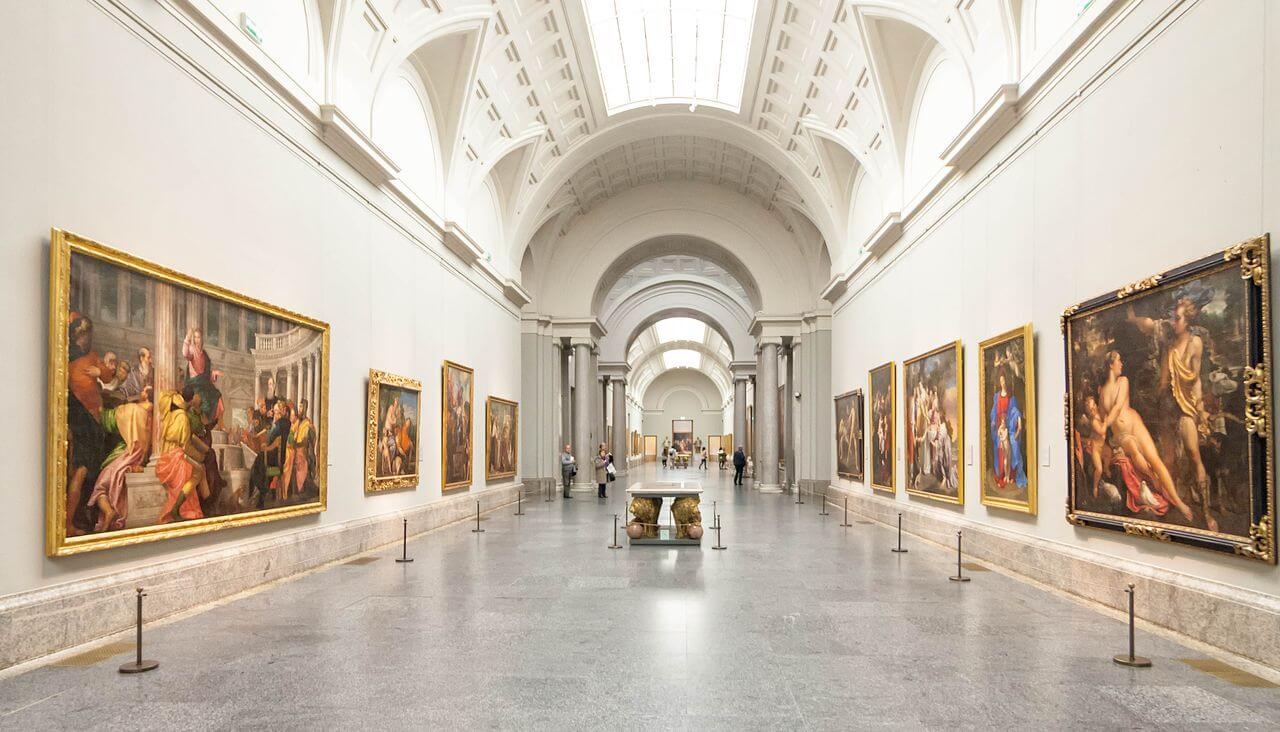
The UNESCO-designated "Landscape of Light" is the starting point for any cultural pilgrimage. Begin at the Prado Museum, a gargantuan repository of European mastery featuring works by El Greco, Velázquez, and Goya. A minimum of three hours is required to appreciate the breadth of the collection.
Continue your journey along the Paseo del Prado to the Thyssen-Bornemisza Museum, which bridges the gap between Renaissance classics and modern Pop Art. Conclude the day at the Reina Sofía, home to Picasso’s Guernica. For a change of pace, visit the "House Museums," specifically the Sorolla Museum. Reopening in 2026, this sun-drenched sanctuary provides an intimate look at the life of the "painter of light" within his own former residence.
Day 2: The Grandeur of the Historic Center
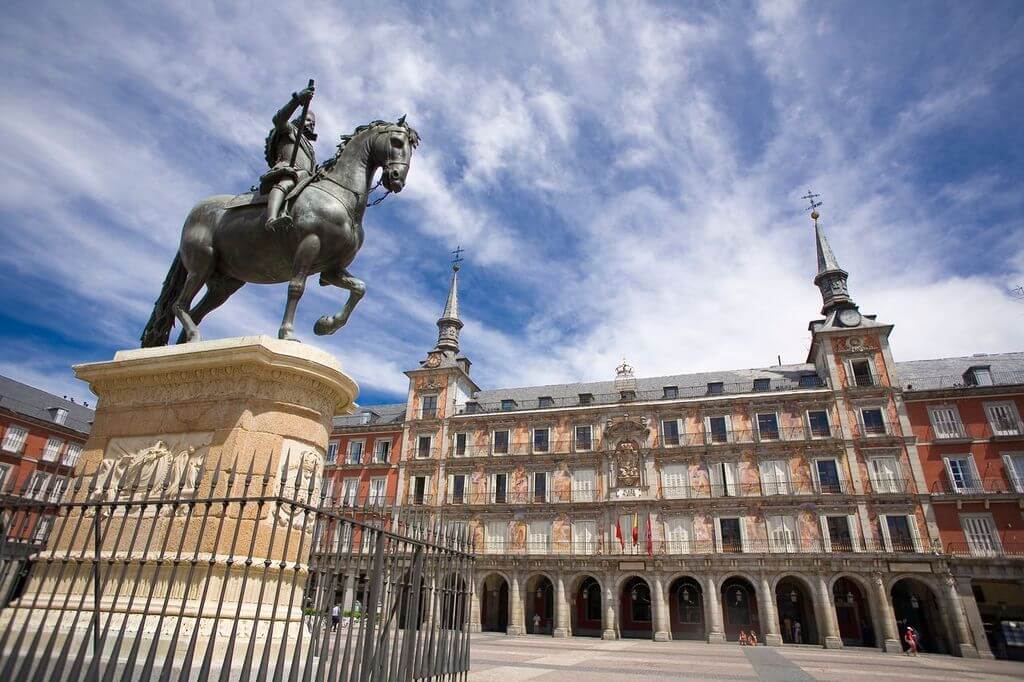
Day two explores the "Habsburg Madrid" (Madrid de los Austrias). Start at Puerta del Sol, the geographic center of the country marked by the "Kilometer Zero" plaque and the iconic Bear and the Strawberry Tree statue.
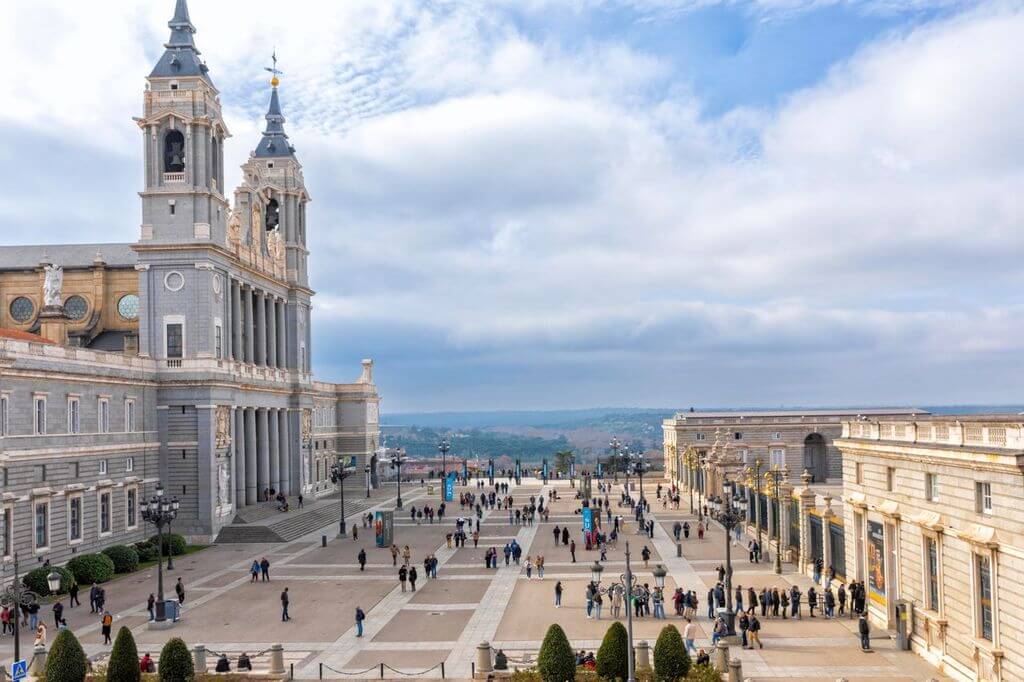
Meander toward the Plaza Mayor, a porticoed square that once served as the stage for bullfights and inquisitions, now a vibrant hub for people-watching. Before heading to the Royal Palace, pause for a traditional calamari sandwich in the nearby alleys—a quintessential local snack. The Royal Palace, with its 3,400 rooms, offers a glimpse into the lavish life of Spanish monarchs, followed by a visit to the Almudena Cathedral, which, despite its late 20th-century completion, houses a stunning Neo-Romanesque crypt.
Day 3: Culinary Discovery
Madrid is a paradise for the palate. Eschew formal tours in favor of self-guided exploration through the city’s historic markets. The Mercado de San Miguel is the gold standard for gourmet tapas, while the Mercado de San Antón in the trendy Chueca neighborhood offers a deeper dive into regional ingredients.
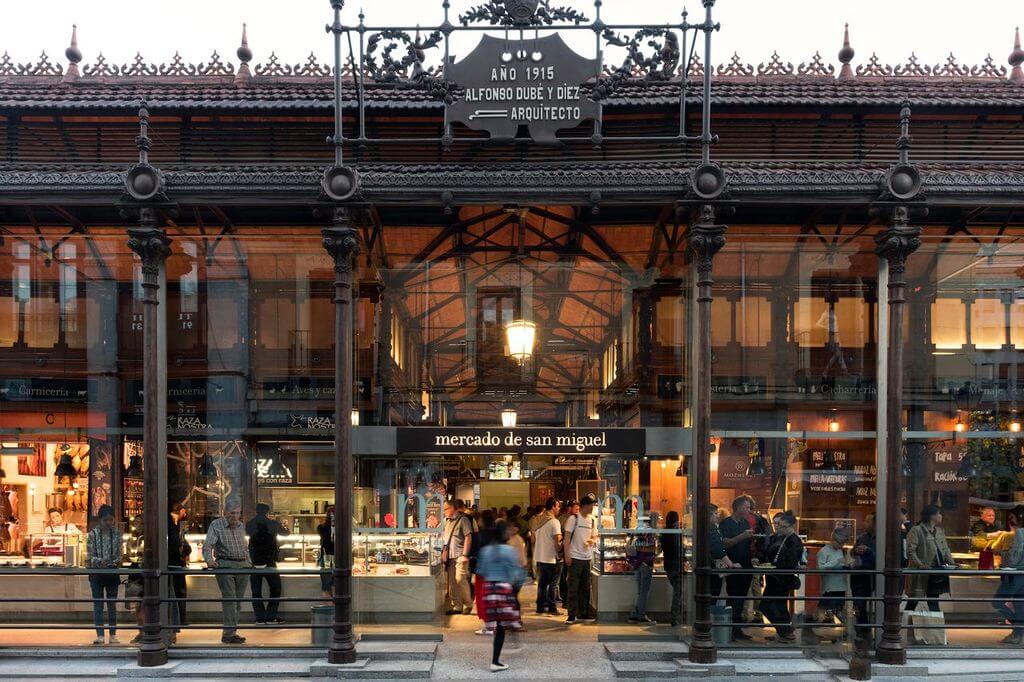
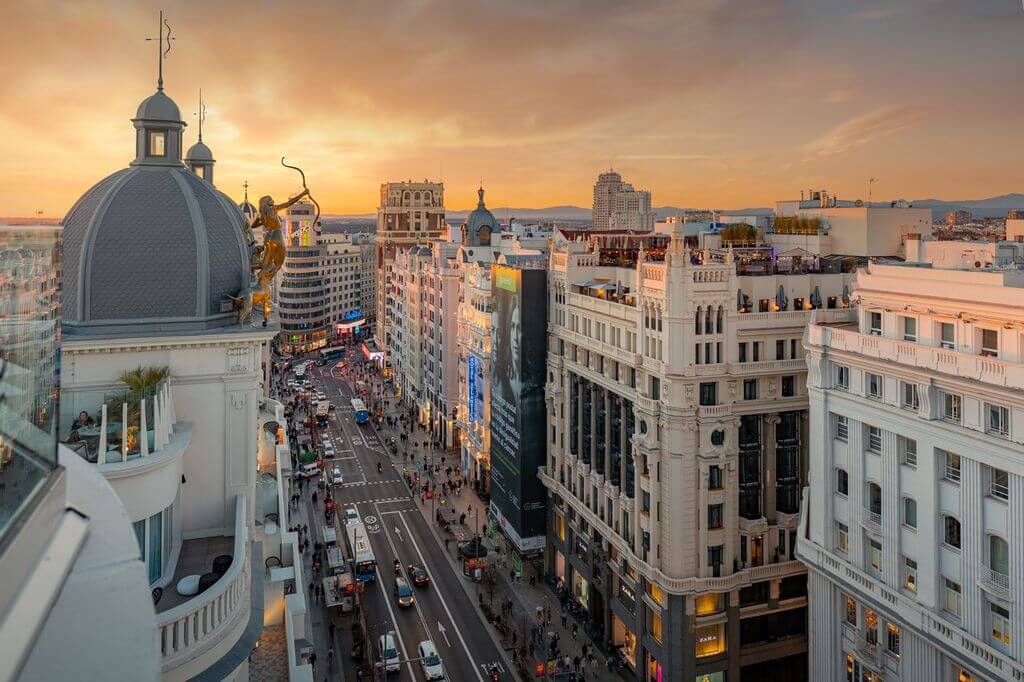
For dinner, seek out Sobrino de Botín, the world’s oldest restaurant according to the Guinness World Records and a haunt of Ernest Hemingway. As night falls, ascend to the Gran Vía to experience Madrid’s rooftop culture. Venues like The Roof at Picalagartos or the RIU 360º Sky Bar offer unparalleled views of the skyline, providing the perfect backdrop for a late-night cocktail.
Day 4: UNESCO World Heritage Wonders
Beyond the city limits lie three essential UNESCO-recognized day trips:
- San Lorenzo de El Escorial: A massive 16th-century palatial complex and monastery that serves as the final resting place for Spanish kings.
- Royal Palace of Aranjuez: Known for its lush gardens and Renaissance-Baroque fusion, it was the preferred spring retreat of the monarchy.
- Alcalá de Henares: The birthplace of Miguel de Cervantes, offering a perfectly preserved look at the Spanish Golden Age.
Day 5: Off-the-Beaten-Path Treasures
Spend your final day uncovering the city’s quieter corners. The Monastery of Las Descalzas Reales and the Royal Monastery of La Encarnación are "hidden" palaces filled with royal art and religious relics. End your stay in Casa de Campo, the city’s largest public park. With 17 square kilometers of greenery and a lake offering views of the Royal Palace, it is the ideal spot to reflect on your journey.
Supporting Data: Why Madrid Remains a Top Destination
The economic impact of tourism in Madrid is significant, with recent statistics indicating a 15% increase in cultural tourism revenue since the 2021 UNESCO designation of the "Landscape of Light." Data shows that the average length of stay for international travelers has increased from 3.2 days to 4.5 days, reflecting a trend toward "slow travel." Furthermore, the city’s commitment to sustainability is evident in the growing number of pedestrianized zones in the central district, which have reduced carbon emissions by an estimated 10% in the last three years.
Official Responses: Urban Development and Heritage
The Madrid City Council has emphasized that the revitalization of museums like the Sorolla and the ongoing maintenance of the UNESCO sites are central to the city’s 2026-2030 Tourism Strategy. "Our goal is not just to attract visitors, but to manage the flow of tourism in a way that respects the daily lives of our residents," stated a representative from the Madrid Tourism Board. "The focus is on promoting ‘quality tourism’—encouraging visitors to explore beyond the central squares and engage with the city’s neighborhood-based art and gastronomy."
Implications: The Future of the Spanish Capital
The shift toward more sustainable, culturally immersive tourism carries profound implications for Madrid’s future. By distributing the economic benefits of tourism into the peripheral neighborhoods—such as Malasaña and La Latina—the city is successfully preventing the "Venice effect," where historical centers become hollowed-out tourist traps.
Madrid’s ability to modernize without losing its "soul"—that specific, late-starting, long-dining, art-loving identity—ensures that it will remain a relevant and vital destination for decades to come. For the traveler, the implication is clear: the city is no longer just a stopover on the way to the beach, but a profound destination that demands a multi-day commitment. Whether you are an art aficionado, a culinary explorer, or a lover of history, Madrid offers a depth that few other capitals can match. As you depart, you will likely find that five days was merely an introduction to a city that reveals more of itself with every return visit.