Behind the Lens: A Retrospective on the Inaugural "Tasty Food Photography" Workshop
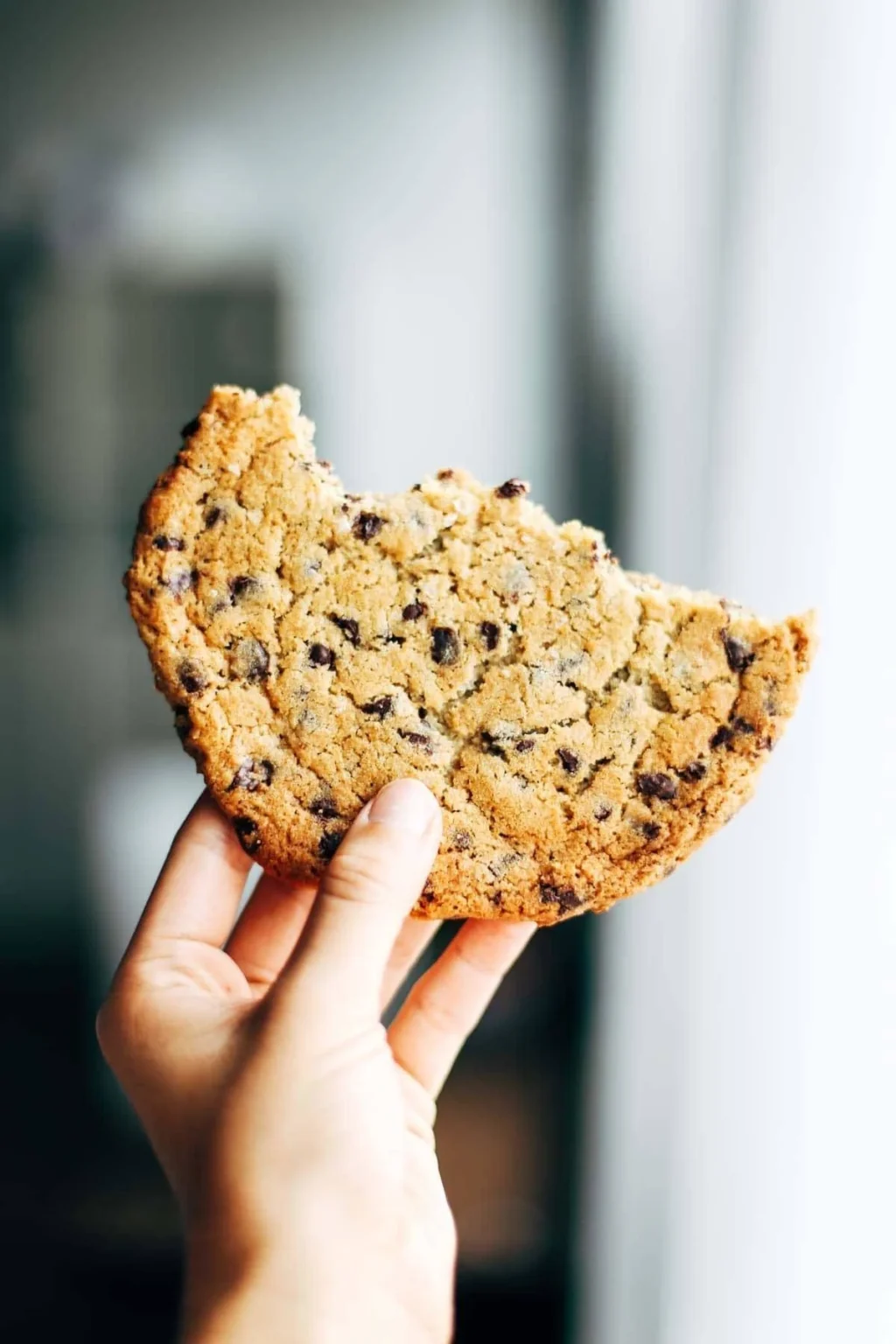
The digital landscape of food blogging has shifted from simple, text-heavy recipes to a highly visual, aesthetic-driven medium. Recognizing this evolution, the team behind the popular blog Pinch of Yum recently hosted their inaugural "Tasty Food Photography" workshop. The event served as an intensive, hands-on masterclass designed to bridge the gap between amateur cooking documentation and professional-grade culinary art.
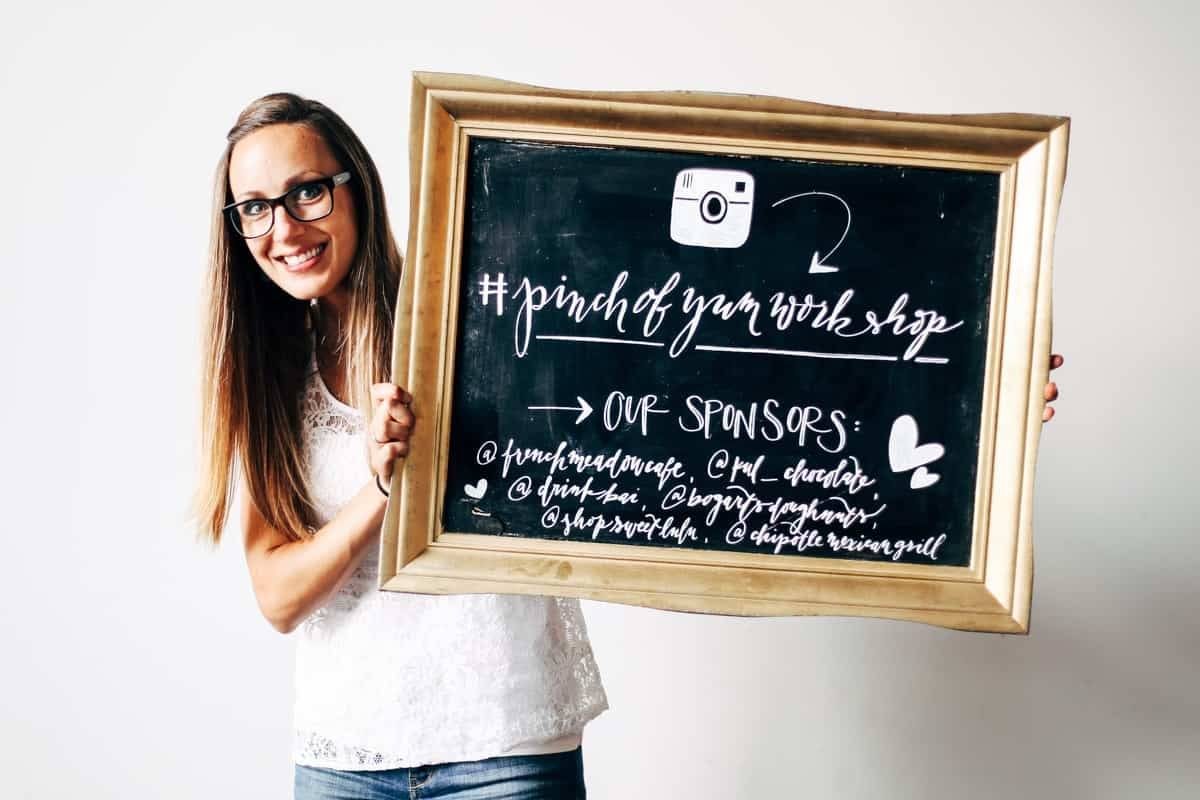
What transpired over the course of the weekend was not merely a lesson in aperture and lighting, but a high-stakes lesson in event management, community building, and the unpredictable nature of live instruction.
The Anatomy of an Event: Main Facts and Objectives
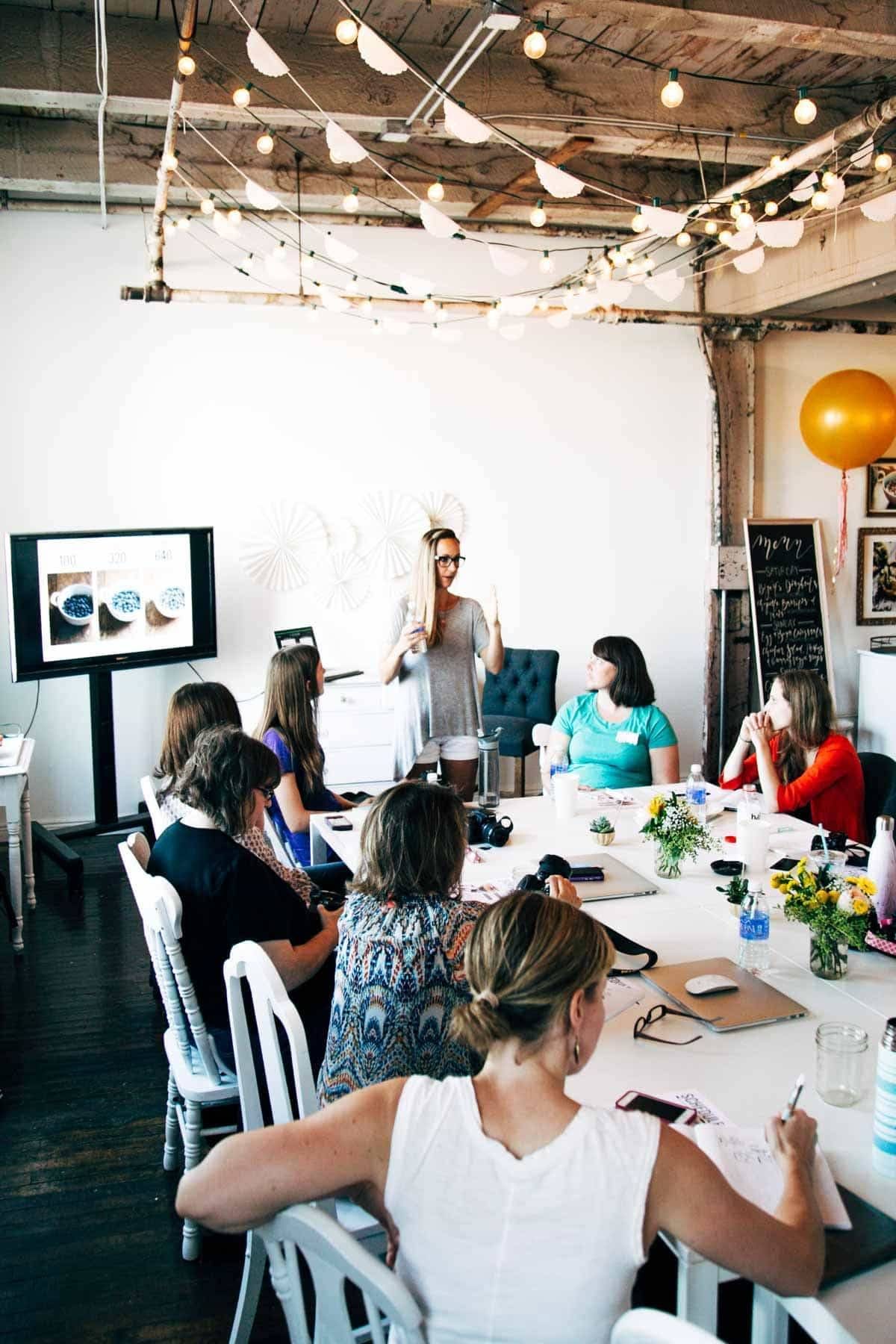
The workshop was conceived to provide aspiring food photographers with the technical and creative tools necessary to elevate their portfolios. Held in a dedicated studio space, the curriculum focused on the nuances of natural light, composition, styling, and the post-production workflows that define the "Tasty" brand’s signature aesthetic.
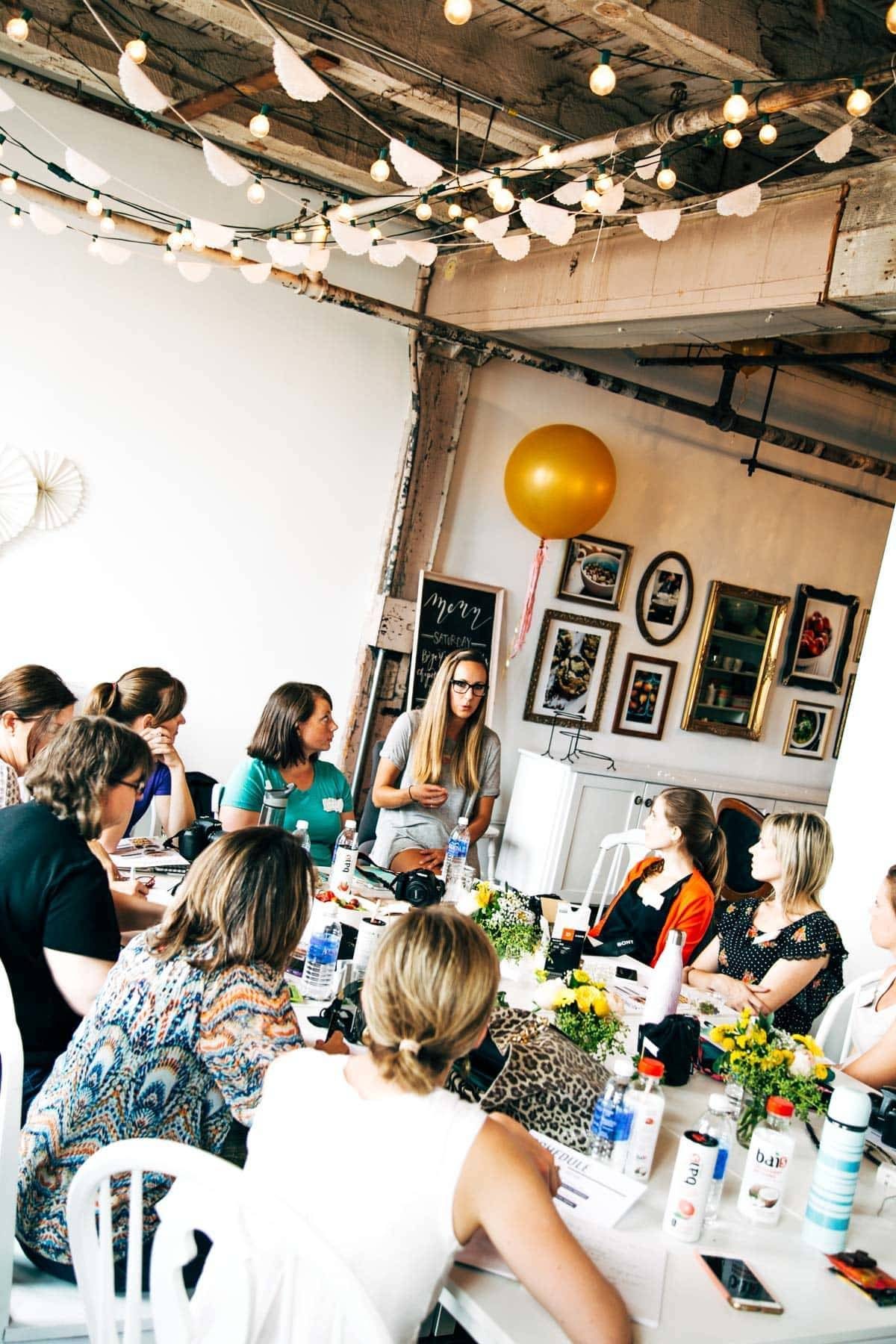
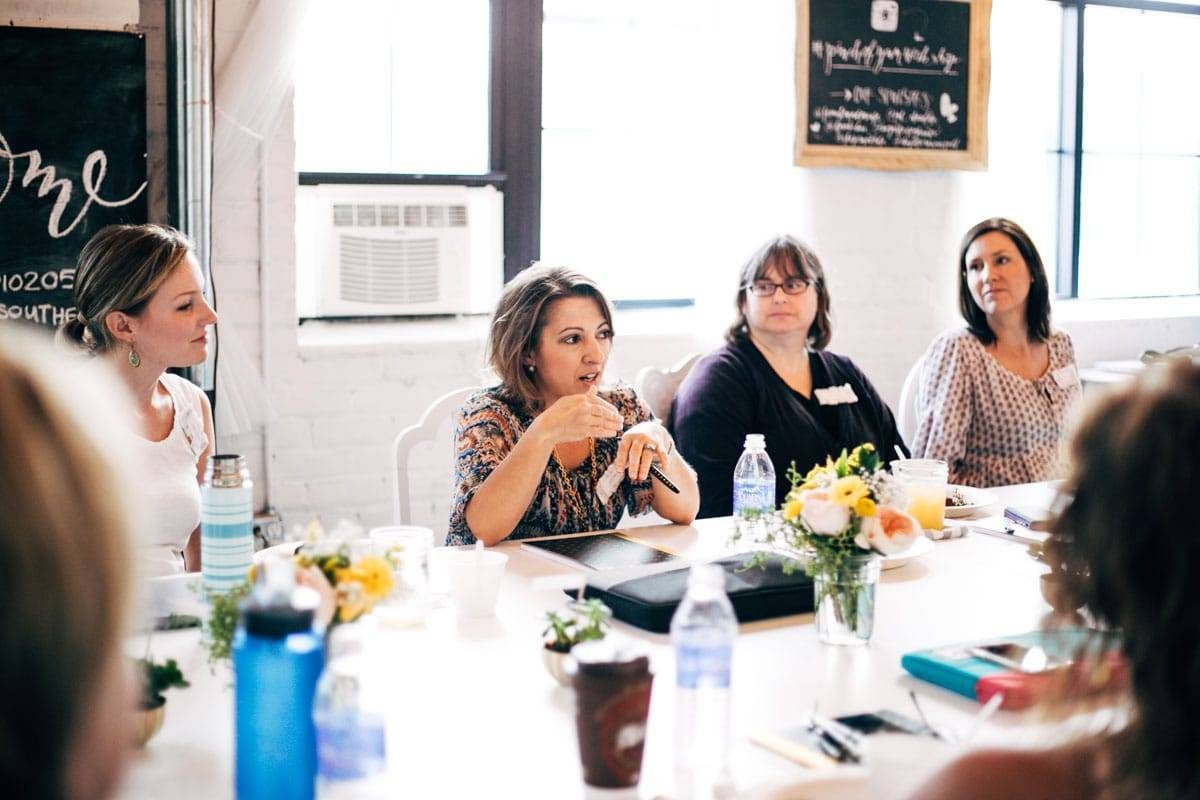
The event was marked by a rapid sell-out, with all available spots filled within 24 hours of registration. This overwhelming demand highlights a significant trend: a growing demographic of hobbyists and small-business owners seeking to master visual storytelling in an increasingly saturated social media market. For many attendees, the workshop was not just an educational opportunity; it was a rare chance to engage directly with industry leaders in an intimate, collaborative setting.
A Chronological Breakdown of the Weekend
The experience was characterized by a "trial by fire" atmosphere that tested both the organizers and the participants.

Friday: The Anticipation
The evening preceding the event was defined by meticulous preparation and the inevitable anxiety that accompanies a first-time venture. For the organizers, the hours were spent running through contingency plans, managing last-minute logistical hurdles, and attempting to reconcile the weight of expectation with the reality of event planning. As noted by the host, the "slippery nature of time" made the looming deadline feel both exhilarating and daunting.
Saturday: The Technical Trials
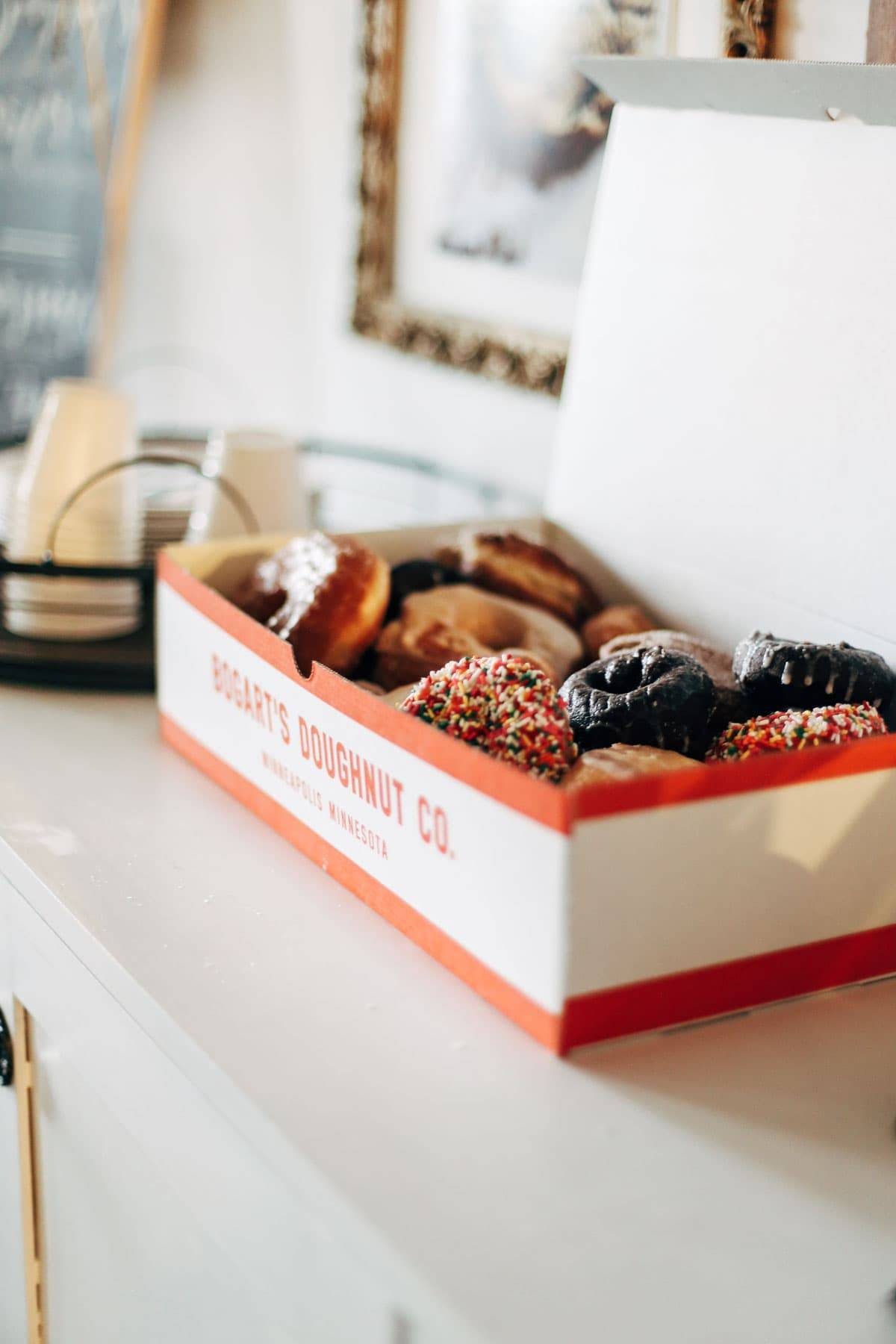
The first morning began with a crisis. Upon arrival at the studio, the team discovered that a refrigerator had been left open overnight. The loss of perishable ingredients meant for the workshop’s breakfast service forced an immediate, high-pressure pivot. This required a rapid-fire logistics adjustment—a trip to the grocery store to restock essential items while maintaining the workshop’s professional schedule.

Sunday: The Climax and Resolution
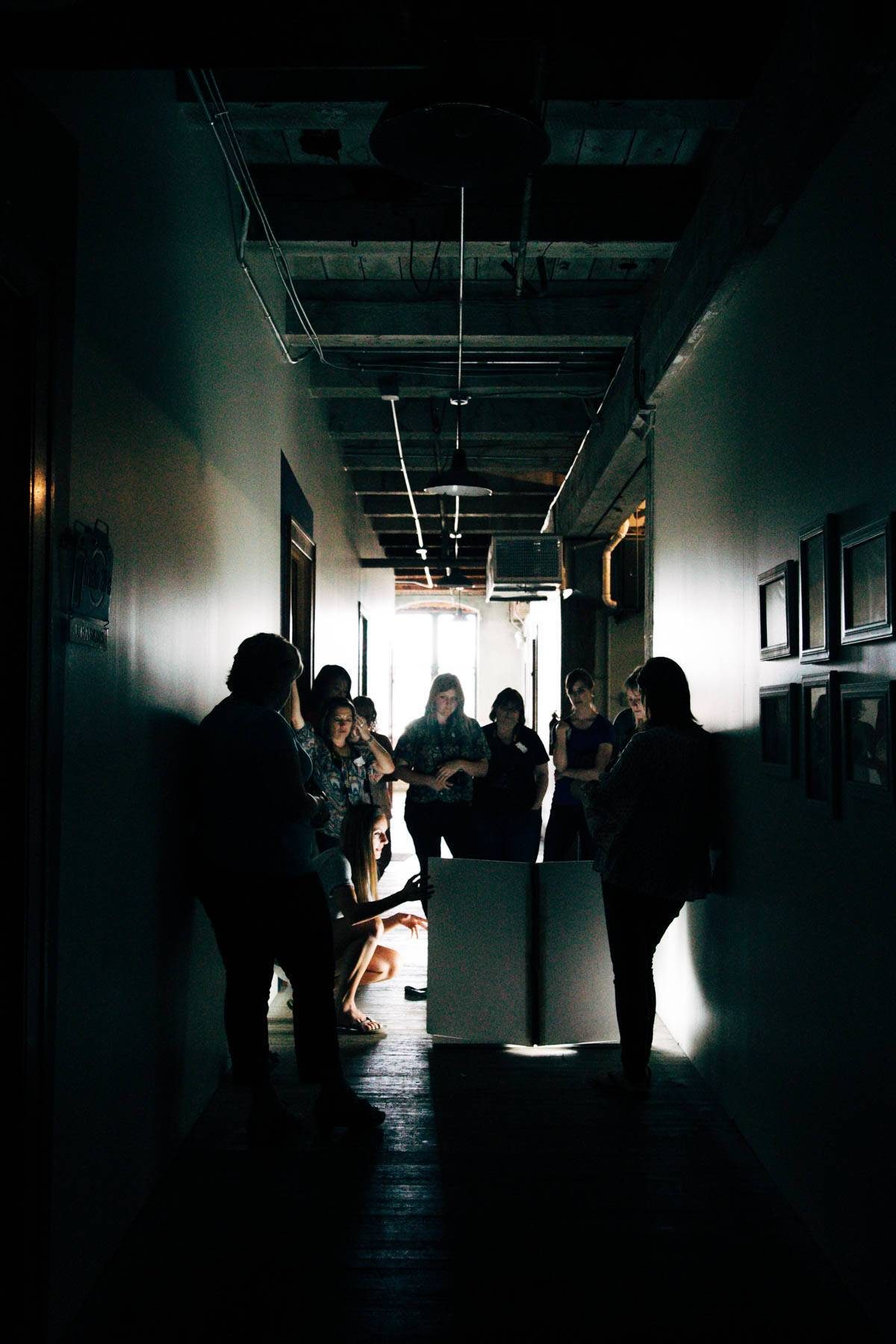
The challenges did not end with the catering issues. On Sunday, the studio faced a significant electrical failure. A blown fuse left half the workspace without power during a period of 90-degree humidity. In a high-stakes environment where cooling and lighting are essential for food photography, the team was forced to rig emergency power systems. Despite these "moments," the workshop concluded with a sense of triumph. The final session saw the organizers reflecting on the success of the weekend over a meal—a fitting end to a project that demanded both creative vision and operational resilience.
Supporting Data: The Power of Community
The success of this workshop is supported by the rapid registration metrics. In an era where online courses are abundant, the preference for in-person, tactile learning remains strong. The data points from this event—a 24-hour sell-out time and a waitlist that continues to grow—suggest that the value proposition lies in the experience of the community rather than just the curriculum.
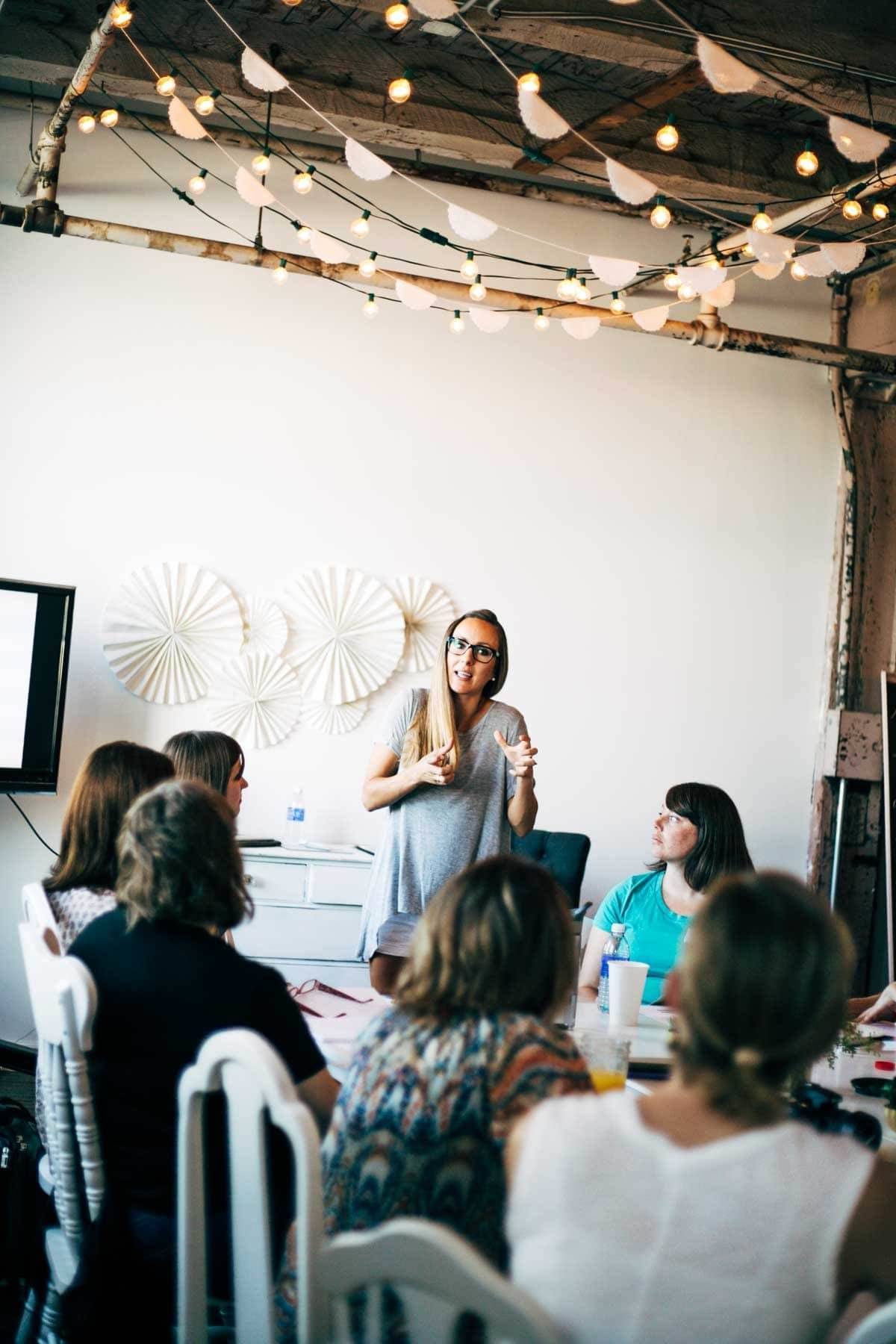
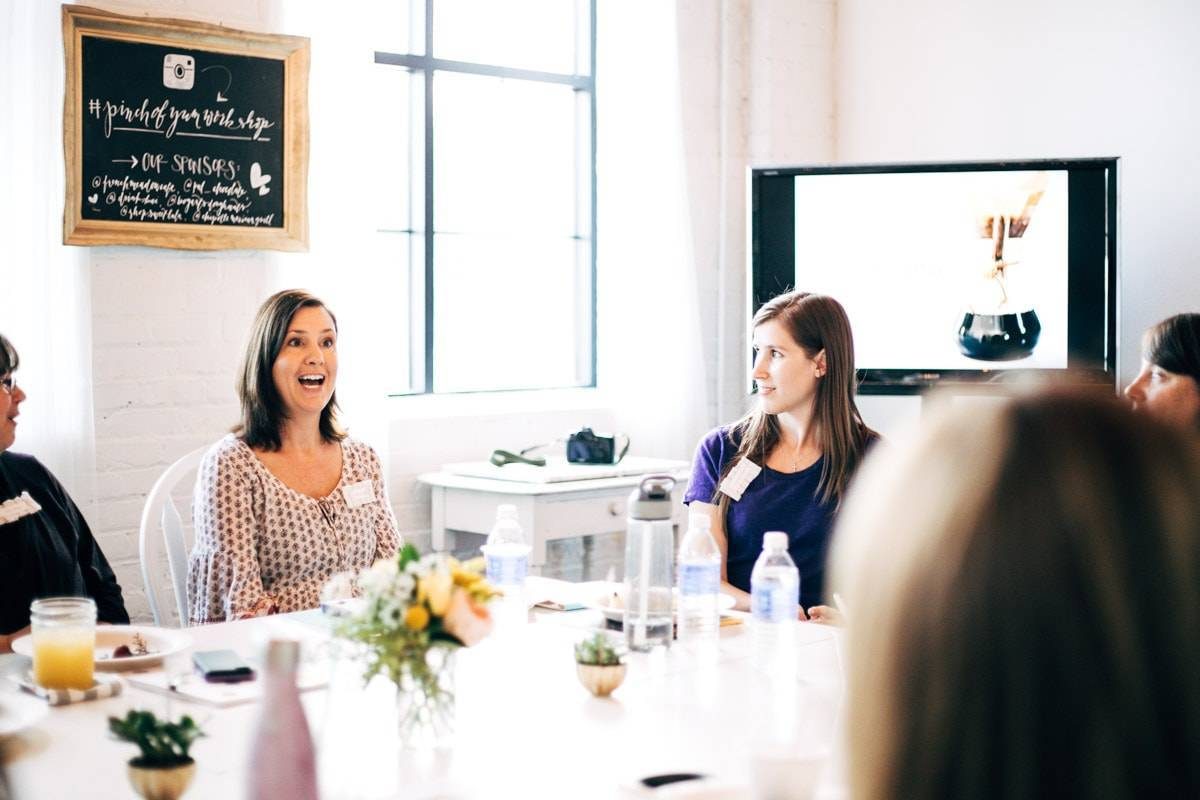
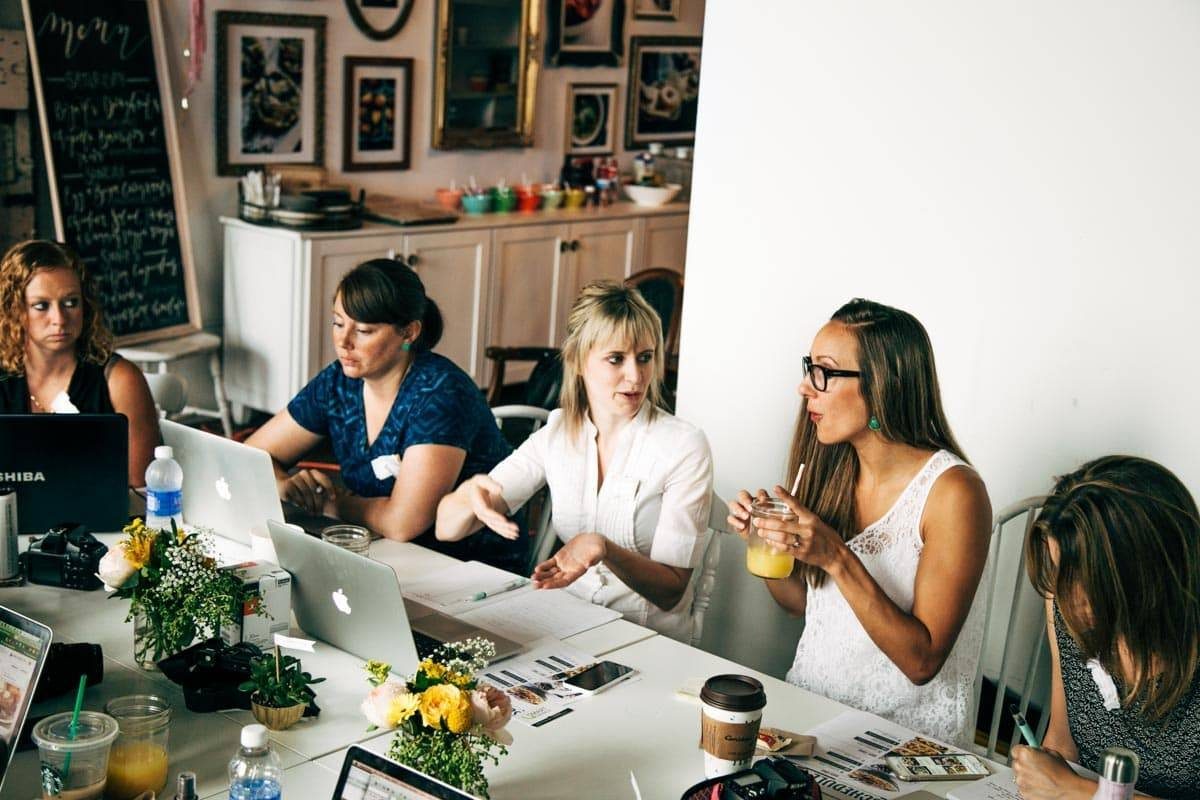
The workshop functioned as a networking hub, allowing creators from across the country to share their struggles and successes. The "mouse-on-the-wall" perspective provided by the organizers through digital documentation ensured that those who could not attend still felt a sense of connection to the process, reinforcing the brand’s position as a community-driven entity.
Official Perspectives and Lessons Learned
In the aftermath of the workshop, the organizers emphasized a critical takeaway: the necessity of a robust, reliable team. The lesson, "don’t go it alone," served as the cornerstone of the event’s reflection.
On Professional Growth
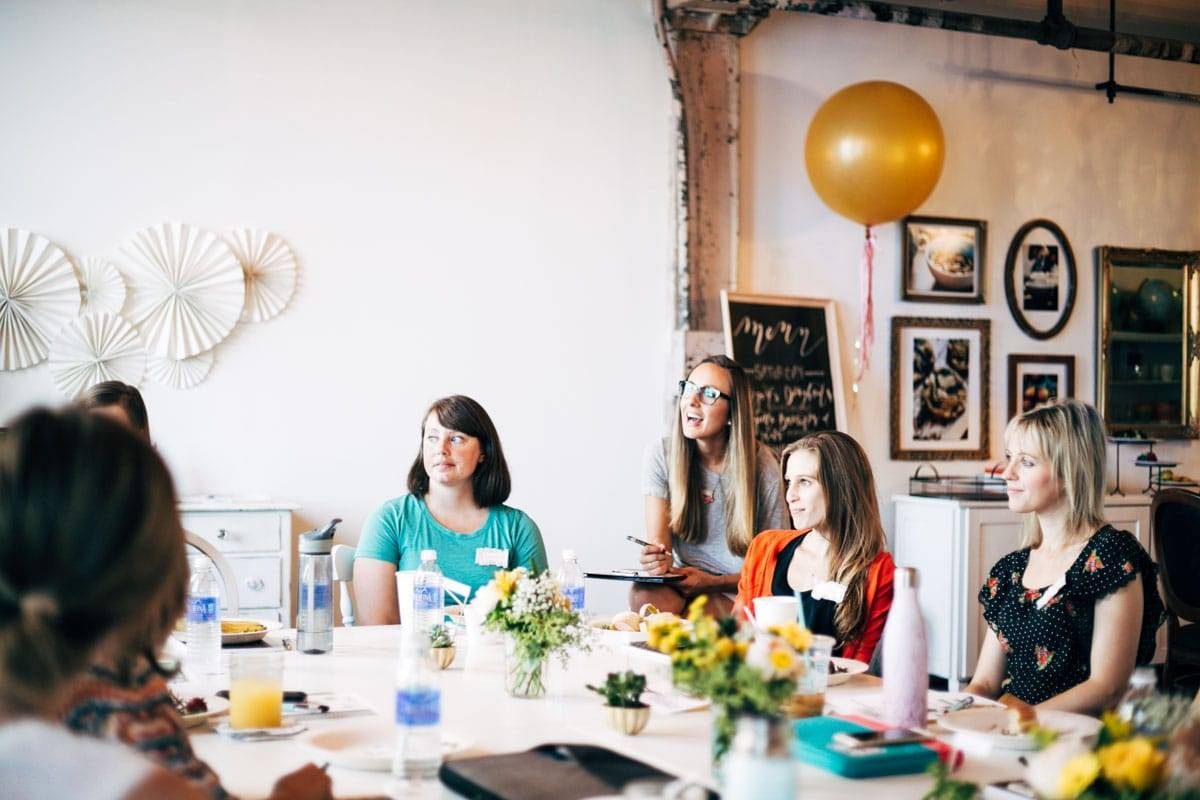
The "teacher heart" of the instructors was a recurring theme. By viewing the workshop not just as a business transaction, but as a pedagogical endeavor, the organizers fostered an environment of mentorship. They noted that the transition from a solitary creator to a leader of a workshop required a mental shift—one that moved from worrying about personal performance to focusing on the collective growth of the participants.
On Crisis Management
The official response to the logistical failures was one of transparency. By sharing the "behind-the-scenes" chaos—the humidity, the power outages, and the fridge disaster—the organizers humanized the brand. This honesty served to build trust with their audience, demonstrating that even professional-grade events are subject to the same unpredictable realities that any home cook faces in their own kitchen.
Implications for the Future of Food Media
The success of this first workshop has significant implications for the future of the Pinch of Yum brand and the broader food blogging community.
The Demand for In-Person Education
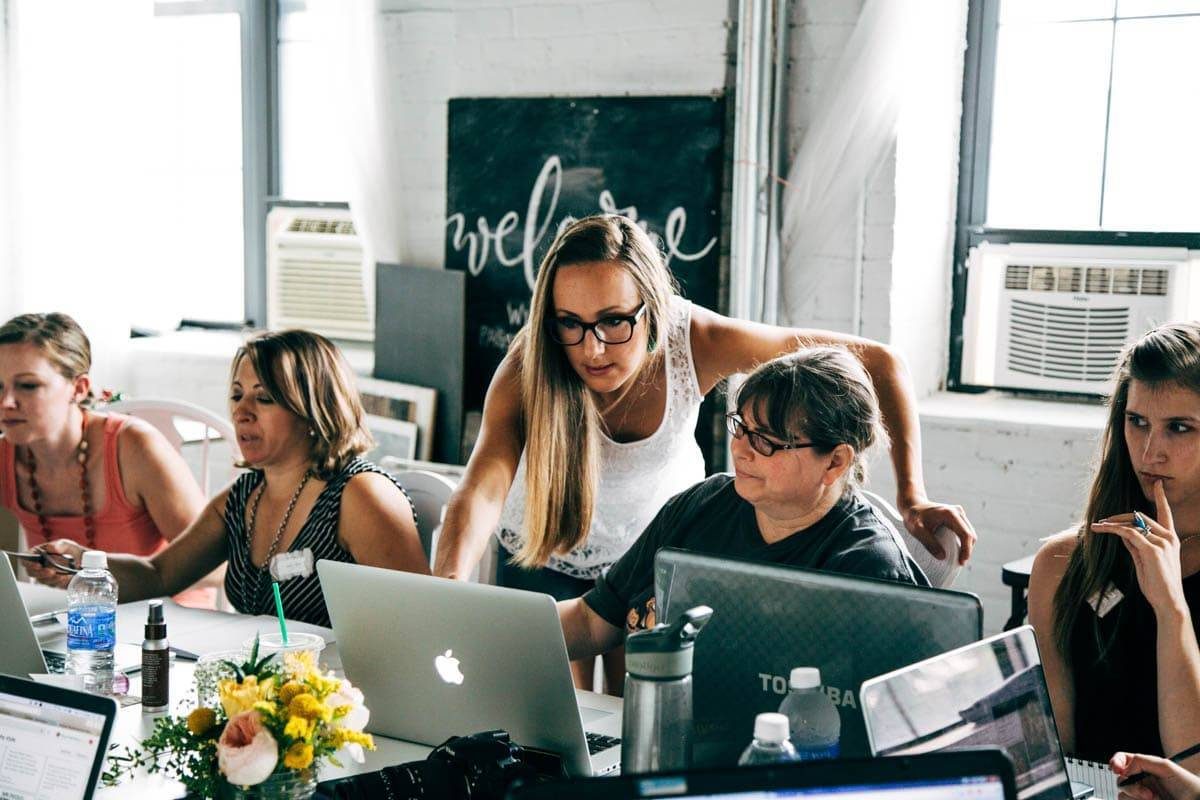
There is a clear market shift toward experiential learning. While digital guides and e-books remain valuable, the appetite for in-person workshops where participants can receive real-time feedback on their photography is expanding. This suggests that future iterations of such workshops will likely focus on even more granular aspects of the craft, such as advanced video production, lighting manipulation, and brand partnerships.

The Role of Email Marketing
The reliance on a notification list as the primary method of registration underscores the importance of direct-to-audience communication. In an era dominated by algorithmic social media, the email list remains the most effective tool for building a loyal, responsive community. By gatekeeping the registration through an email notification system, the organizers have effectively created a sense of exclusivity and urgency that continues to drive engagement.
Looking Ahead
The workshop concluded with a promise of future events. For those interested in attending, the focus is now on the "notification list"—a testament to the effectiveness of the organizers’ marketing strategy. The team has already turned their attention back to content creation, hinting at upcoming projects involving new recipes and seasonal culinary explorations.

The first "Tasty Food Photography" workshop was more than a series of lessons; it was a foundational moment that proved the viability of in-person education in the digital age. By embracing the chaos, fostering a supportive community, and maintaining a commitment to transparency, the organizers have set a high bar for future educational endeavors in the food media space. As the industry continues to evolve, one thing remains certain: the demand for high-quality, authentic visual content is only growing, and the next generation of food photographers is eager to learn from the best.