The Evolution of Gluten-Free Baking: Mastering the Dairy-Free Chocolate Chip Cookie
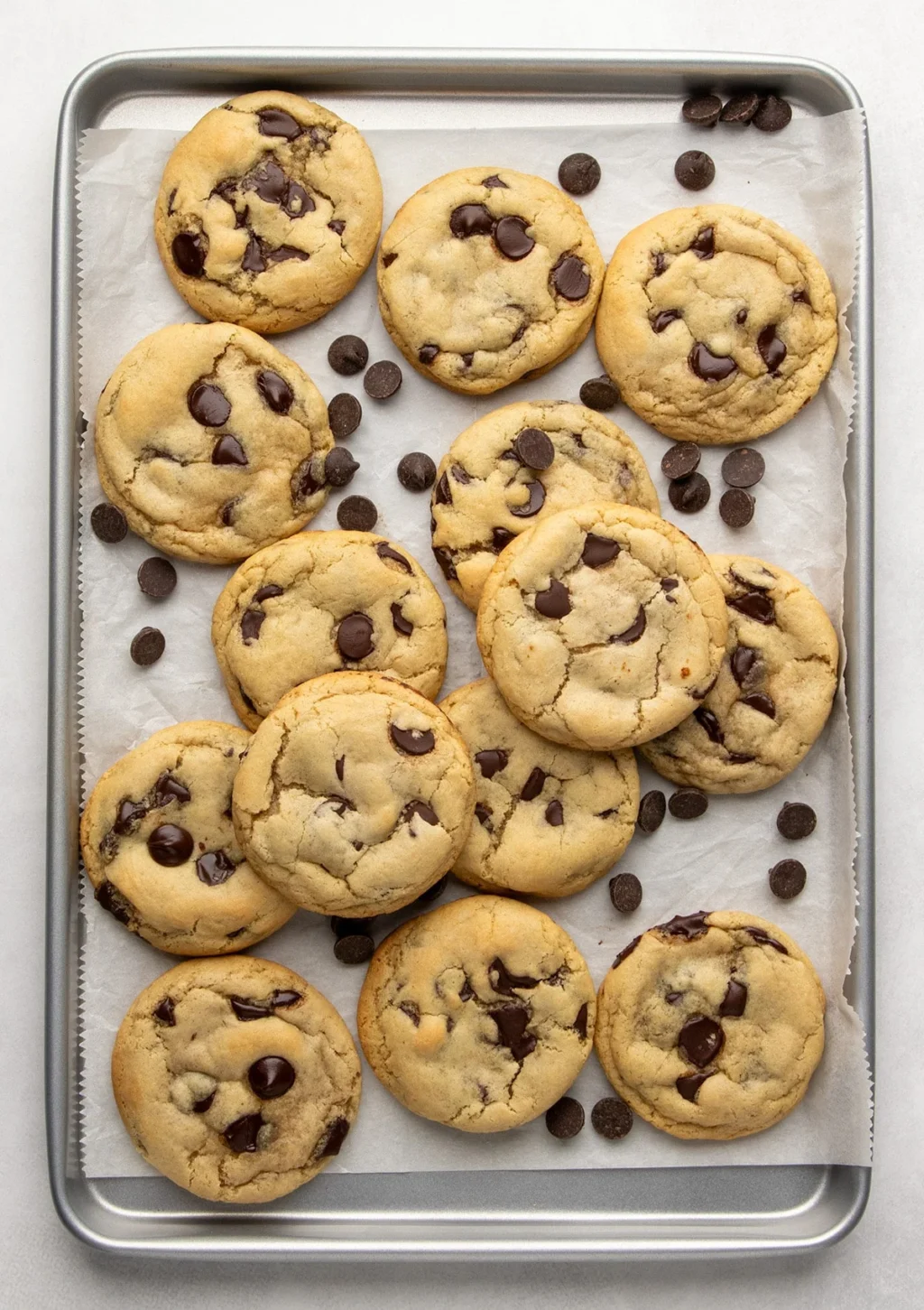
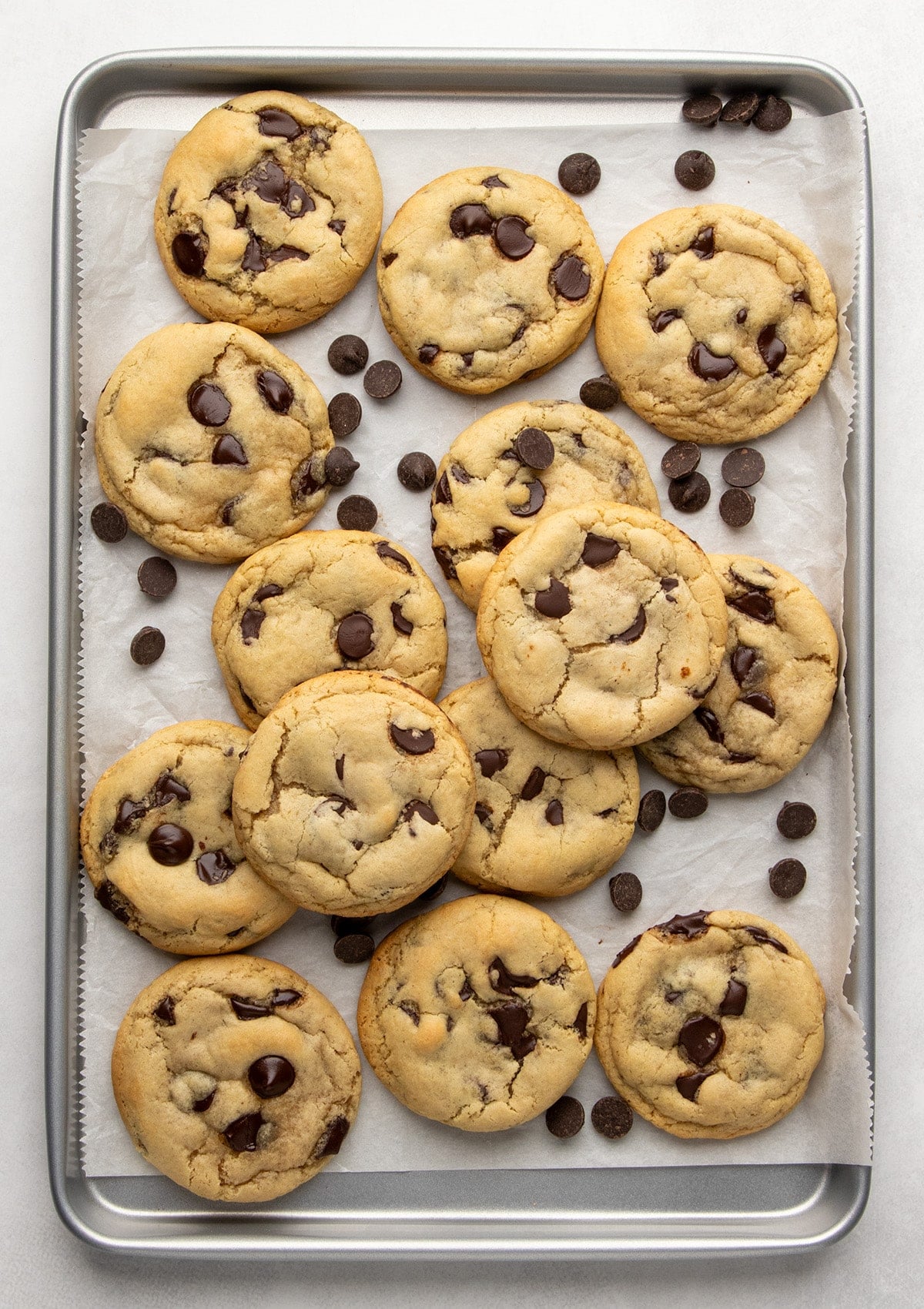
For millions of home bakers, the quest for the "perfect" chocolate chip cookie—one that achieves that elusive balance of a crisp, caramelized edge and a soft, chewy center—is a lifelong pursuit. When dietary restrictions such as gluten intolerance and dairy allergies are introduced, that quest often turns into a frustrating series of culinary experiments that result in cookies that either spread into thin, oily puddles or crumble into dry, flavorless shards.
However, recent advancements in alternative baking techniques, championed by experts like Nicole Hunn of Gluten Free on a Shoestring, are changing the narrative. By moving away from "substitute-and-pray" methods and toward intentional, chemistry-based baking, it is now possible to produce a high-quality, gluten-free, and dairy-free cookie that rivals the traditional versions found in high-end bakeries.
Main Facts: The Chemistry of the Dairy-Free Cookie
The primary challenge in creating a dairy-free cookie lies in the behavior of fats. Conventional butter contains a specific ratio of water and milk solids that facilitates proper browning and emulsification. When bakers swap this for vegan alternatives, they often overlook the fact that vegan fats—particularly those found in tubs—are frequently softer and have a lower melting point than cow’s milk butter.
To counteract this, the modern approach emphasizes the use of cold, block-style vegan butter. Unlike tub-based spreads, which are high in water content and prone to causing excessive spreading, block-style fats maintain structural integrity longer. By incorporating these fats into the dry ingredients while they remain chilled, bakers can achieve a dough that holds its shape, preventing the greasy finish that frequently plagues vegan baking.

Furthermore, the integration of almond flour serves a dual purpose. It provides a natural moisture content that gluten-free flour blends often lack and contributes to a rich, nutty flavor profile that mimics the depth of browned dairy butter.
Chronology: The Development of a Fail-Safe Method
The development of this specific recipe follows a rigorous, step-by-step logic designed to protect the delicate emulsion of the dough.
1. The Dry Base
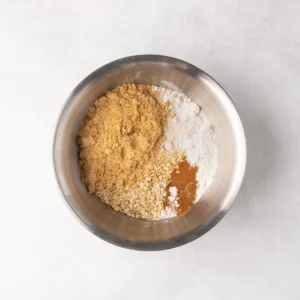
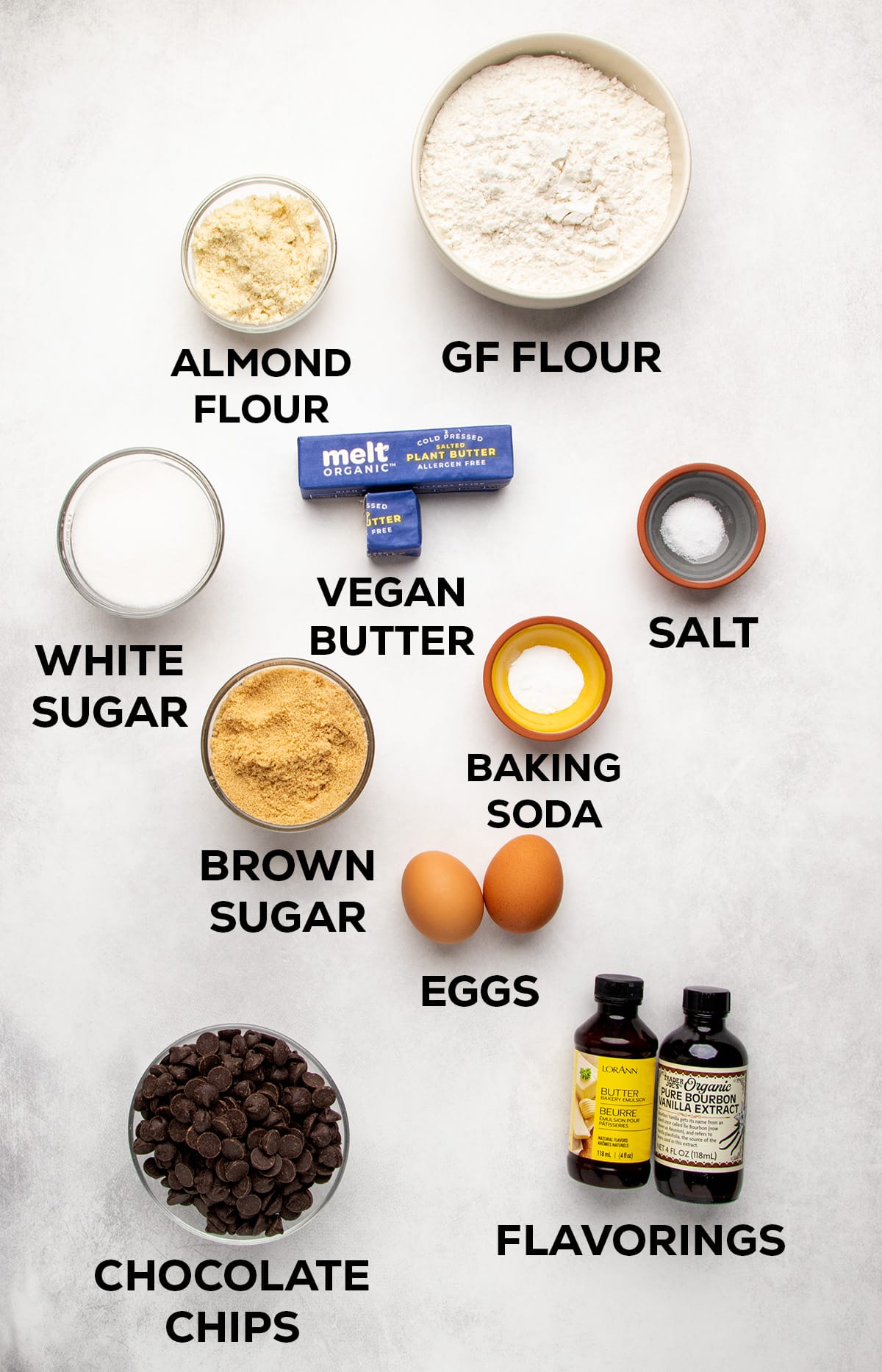
The process begins with a meticulous whisking of the gluten-free flour blend, almond flour, baking soda, salt, and sugars. The presence of xanthan gum in the flour blend is non-negotiable, as it acts as the essential binder in the absence of gluten proteins.
2. The Cutting Process
Rather than the traditional "creaming" method—where butter and sugar are whipped until fluffy—this recipe dictates that cold butter be cut into the dry ingredients. By breaking the butter into small, pea-sized pieces, the baker creates tiny "pockets" of fat that will release moisture slowly during the bake, resulting in a superior texture.
3. Emulsification and Binding
Once the fat is incorporated, the eggs and flavorings are added. The goal here is "cohesive, not overworked." Mixing is limited to the exact moment the dough becomes uniform.
4. The Chill Factor
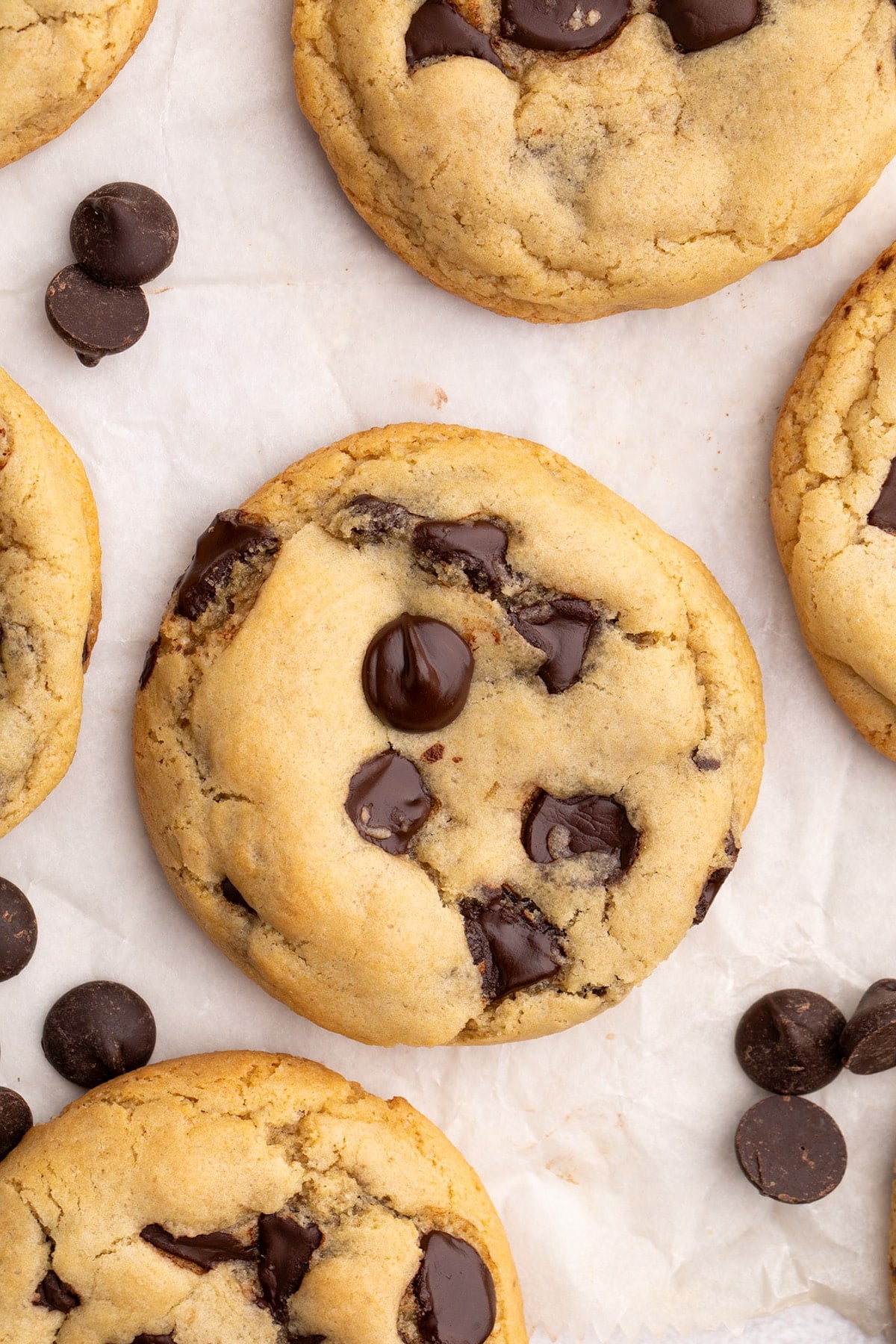
Perhaps the most critical, yet frequently ignored, step is the chilling process. A brief rest in the refrigerator (or even the freezer for a few minutes) allows the fats to solidify further. This ensures that when the dough hits the oven, it doesn’t liquefy instantly, allowing the cookies to bake into thick, substantial rounds rather than flat, crispy disks.
Supporting Data: Nutrition and Scalability
For the health-conscious baker, the transition to these ingredients offers a distinct profile. A standard serving (one cookie) yields approximately 264 kcal, with 13 grams of fat and 3 grams of protein.
Nutritional Breakdown (Approximate per serving):
- Total Carbohydrates: 37g
- Fiber: 2g
- Sugars: 24g
- Cholesterol: 16mg
- Sodium: 177mg
The high caloric density is expected for a classic cookie, but the nutrient profile is bolstered by the use of almond flour, which introduces healthy monounsaturated fats and a slight increase in fiber compared to traditional all-purpose wheat flour cookies.
Expert Insights and Official Recommendations
Nicole Hunn, a leading authority on allergen-friendly baking, emphasizes that "good, for gluten-free" is no longer an acceptable standard. To achieve bakery-quality results, Hunn suggests three critical areas of focus:
- Temperature Control: If your kitchen is warm, the vegan butter will soften too quickly. The most common cause of failure in this recipe is an ambient temperature that ruins the butter’s emulsion.
- Ingredient Selection: Not all gluten-free blends are created equal. Using a high-quality, pre-mixed blend like Better Batter or Bob’s Red Mill 1-to-1 (with added xanthan gum) is essential for consistency.
- Oven Management: The "carryover baking" phenomenon is real. Removing the cookies when the edges are set but the centers remain slightly soft is the secret to keeping them tender for days rather than hours.
Implications: The Future of Inclusive Baking
The implications of these refined techniques extend far beyond a single cookie recipe. They represent a broader shift in the culinary world toward "inclusive gastronomy."
Historically, gluten-free and dairy-free diets were viewed as restrictive, characterized by dry, tasteless, or expensive specialty products. However, by understanding the fundamental science of ingredients—such as how to manipulate fat melting points and how to use nut flours for moisture—home bakers are reclaiming their kitchens.
This shift also has economic implications. By mastering these recipes, families can move away from relying on expensive, store-bought, shelf-stable gluten-free items, which often contain high levels of stabilizers and preservatives. Instead, they can prepare fresh, high-quality snacks at home using standard pantry staples.
Storage and Longevity
For those planning ahead, the ability to store raw dough portions in the refrigerator for up to a week is a significant advantage. This allows for "on-demand" baking, ensuring that the experience of a warm, fresh-from-the-oven cookie is accessible without the need for an entire afternoon of preparation. Baked cookies can also be frozen for up to three months, maintaining their structural integrity and flavor profile, provided they are stored in airtight, freezer-safe containers.
A Note on Substitutions
While the recipe is optimized for almond flour, those with tree nut allergies can explore alternatives like finely ground, sifted oat flour or hazelnut flour. However, experts warn that altering the flour base can change the browning characteristics of the cookie. Similarly, for egg-free diets, substitutes like JustEggs or ground chia seed mixtures have proven effective, though they may slightly alter the final density of the bake.
Conclusion
The pursuit of the perfect cookie is, at its core, a pursuit of comfort. By stripping away the reliance on traditional wheat and dairy and replacing them with a sophisticated understanding of chemistry, bakers are proving that dietary restrictions do not have to result in a compromise of quality. Whether you are baking for medical necessity or personal preference, the "thick and soft" gluten-free, dairy-free chocolate chip cookie is no longer a myth—it is a standard achievable in any home kitchen.