Mastering the Art of Batch Cooking: The Ultimate Guide to Chipotle-Style Black Beans
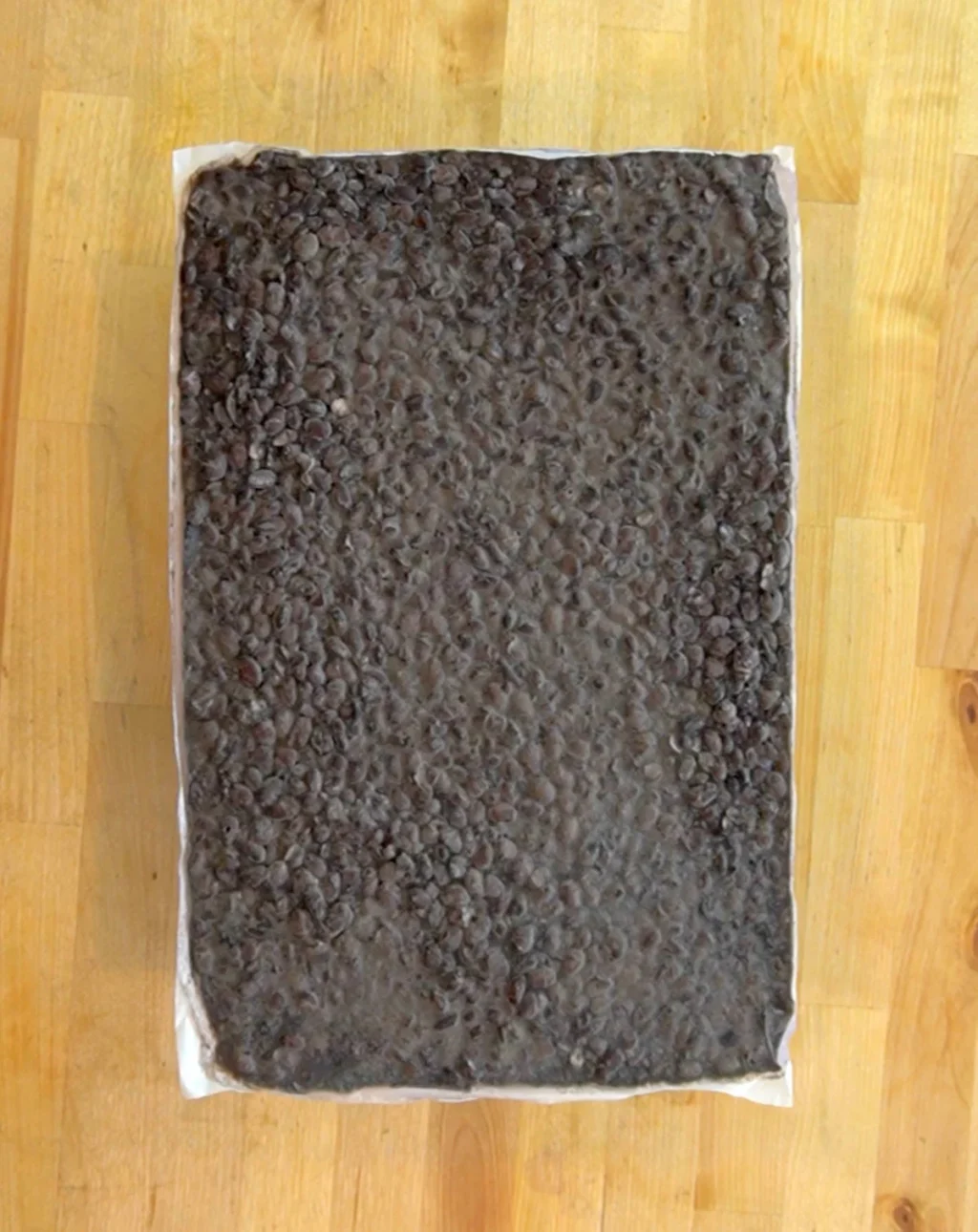
In the fast-paced world of modern nutrition, the challenge is rarely about finding a healthy meal—it is about finding the time to prepare it. As meal prepping shifts from a niche fitness trend to a household necessity, home cooks are increasingly seeking recipes that offer maximum flavor with minimal daily effort. Enter the Chipotle-style black bean: a nutritional powerhouse that serves as the cornerstone for efficient, high-protein meal planning.
By mastering this batch-prep staple, you are not just cooking dinner; you are building a "Snack City" of freezer-ready essentials that can transform a mundane weeknight into a gourmet dining experience in under five minutes.
The Core Concept: Why Batch Prep?
The philosophy of batch preparation is rooted in the intersection of economy and health. When we cook in bulk, we reduce the cognitive load of decision-making, curb the temptation to order expensive takeout, and ensure that our macronutrient goals are met with precision.
These black beans are specifically designed for the "burrito bowl" lifestyle. Whether you are a student, a professional, or a parent balancing a hectic schedule, having a pre-cooked, seasoned, and portioned supply of plant-based protein in your freezer is the ultimate "cheat code" for healthy eating. With 10 grams of protein and over 7 grams of fiber per serving, these beans provide sustained energy and digestive health without the high fat or processed ingredients often found in restaurant alternatives.
Chronology: The Journey from Pantry to Plate
Achieving the perfect texture and flavor profile for black beans requires a commitment to the process. While modern appliances have streamlined the effort, the traditional stages of preparation remain vital for quality control.
Phase 1: The Soaking (0–8 Hours)
The process begins with the soak. While canned beans are a convenient alternative, the gold standard for flavor and texture remains dried black beans. A soak of approximately eight hours allows the beans to rehydrate evenly, ensuring that they cook uniformly and maintain their structural integrity during the long simmering process. This step is essential for those who want a restaurant-quality "bite" rather than the mushy texture often associated with over-processed canned varieties.
Phase 2: The Infusion (1 Hour, 30 Minutes)
Once the beans are prepped, the infusion phase begins. This is where the "Chipotle-style" profile comes to life. Cooking the beans low and slow allows them to absorb the aromatic base—typically a blend of smoky chipotle peppers, cumin, garlic, and onions. During this 90-minute window, the starches in the beans break down just enough to create a velvety, rich sauce, while the exterior remains firm.
Phase 3: The Cooling and Partitioning (15 Minutes)
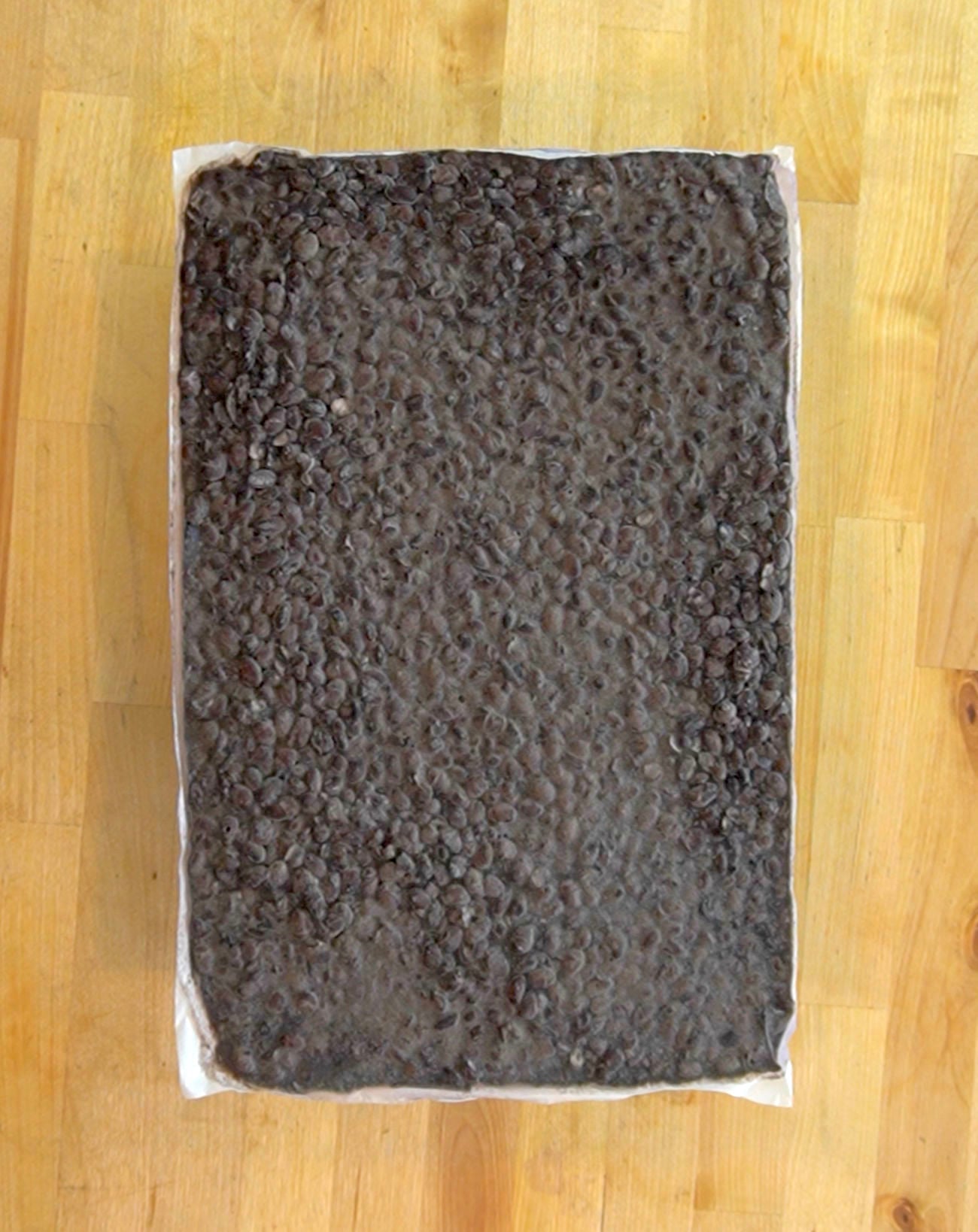
Proper storage is the final step in the chronological cycle. Once the beans are cooked, they must be allowed to cool completely before being moved to the freezer. Portioning them into airtight containers ensures that you can thaw only what you need, maintaining the freshness of the entire batch for weeks.
Supporting Data: The Nutritional Breakdown
For the health-conscious consumer, the numbers tell a compelling story. Each serving—designed for a standard meal-prep portion—clocks in at a modest 180 calories. This lean profile is what makes these beans so versatile; they can be paired with rice, grilled chicken, steak, or fresh vegetables without blowing your daily calorie budget.
Per Serving Nutritional Profile:
- Calories: 180 kcal
- Carbohydrates: 30g
- Protein: 10g
- Fat: 2.2g
- Fiber: 7.3g
The inclusion of 7.3 grams of fiber per serving is particularly noteworthy. Fiber is the unsung hero of the modern diet, aiding in blood sugar regulation and promoting satiety. By incorporating these beans into your routine, you are essentially "pre-loading" your day with the nutrients required for metabolic health.
Furthermore, the high carbohydrate content—30g—is primarily complex in nature, offering a steady release of glucose into the bloodstream, which is ideal for pre- or post-workout meals.
Official Perspectives: The Meal Prep Manual Approach
According to the experts at The Meal Prep Manual, the goal of such recipes is to dismantle the barriers to healthy eating. The "Chipotle-style" branding is not merely aesthetic; it represents a standard of flavor that people crave. By deconstructing the flavor profile of high-end fast-casual dining, home cooks can replicate the experience at a fraction of the cost and with total control over sodium and additive levels.
The consensus in the culinary community is clear: when the barrier to entry (preparation time) is lowered, the frequency of healthy eating rises. By providing a recipe that is vegan, gluten-free, and vegetarian-friendly, this dish serves as a universal base that can be customized to fit virtually any dietary restriction or preference.
Implications: The Long-Term Impact on Your Routine
The transition to a batch-prep-heavy lifestyle has significant implications for both your wallet and your well-being.
Economic Efficiency
Purchasing dry beans in bulk is one of the most cost-effective ways to source high-quality protein. When compared to the rising cost of animal-based proteins or the premium charged for "ready-to-eat" healthy meals, the savings are exponential over the course of a year.
Environmental Impact
By reducing the reliance on single-use packaging—which is ubiquitous in pre-packaged "healthy" meals—and opting for bulk ingredients, you are actively reducing your household’s carbon footprint. Cooking from scratch is a quiet act of environmental stewardship.
The "Snack City" Advantage
The concept of "Snack City" in the freezer is more than just a catchy phrase; it represents a psychological shift. When you are hungry, the brain naturally gravitates toward high-dopamine, high-calorie, quick-fix foods. If your freezer is stocked with pre-portioned, flavorful black beans, you have created a "path of least resistance" toward a healthy choice. The healthier option becomes the easiest option.
How to Scale and Customize
One of the most frequently asked questions regarding this recipe is how to adjust it for different household sizes. The provided nutrition data is calculated based on a 10-serving yield. However, the modular nature of this recipe allows for easy scaling.
If you are cooking for a family, doubling the batch size is entirely feasible without significantly increasing your prep time. The key is to ensure that your cooking vessel is large enough to handle the volume, allowing for even heat distribution.
Customization Tips:
- Spice Intensity: Adjust the amount of chipotle peppers to control the heat level.
- Acid Balance: A squeeze of fresh lime juice immediately before serving can brighten the earthy tones of the black beans, mimicking the signature "zing" found in restaurant-style bowls.
- Texture: If you prefer a creamier bean, you can use a potato masher to crush approximately 10% of the beans against the side of the pot before storage. This releases starch into the liquid, creating a thicker, more luxurious texture upon reheating.
Final Thoughts: The Path to Consistent Nutrition
Success in health is rarely about one perfect meal; it is about the consistency of your habits. By dedicating roughly two hours of your weekend to the preparation of these Chipotle-style black beans, you are securing your dietary success for the week ahead.
The beauty of this recipe lies in its simplicity. It does not require complex culinary techniques or expensive equipment. It requires only the foresight to plan, the patience to let the ingredients develop their flavor, and the commitment to prioritizing your long-term health over the temporary convenience of processed alternatives.
As you incorporate these beans into your burrito bowls, salads, or side dishes, remember that you are doing more than just feeding yourself—you are cultivating a sustainable, efficient, and delicious lifestyle that supports your goals, one bowl at a time. Whether you are a seasoned meal-prepper or a beginner looking to simplify your life, this recipe serves as a foundational pillar for a healthier, more organized future.