The Protein Revolution: How to Master the Art of the High-Protein Chocolate Chip Cookie
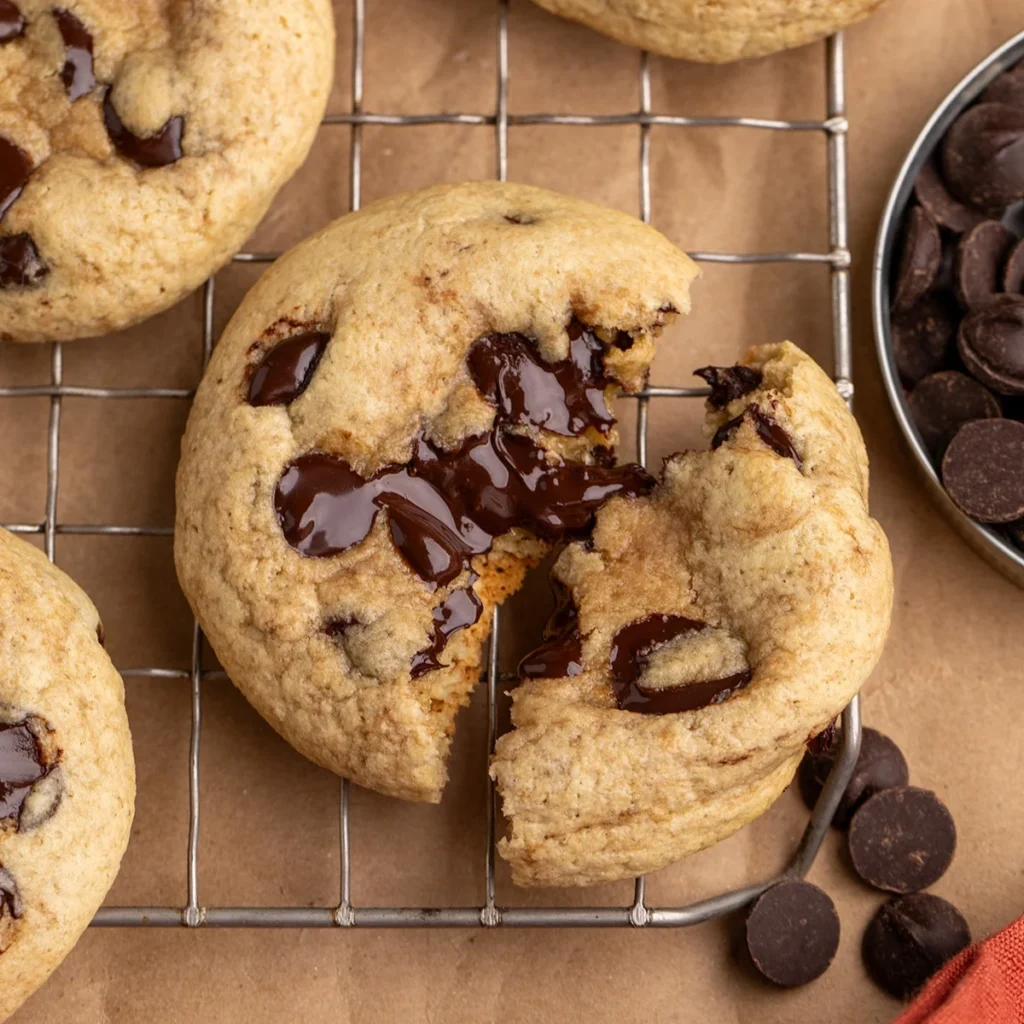
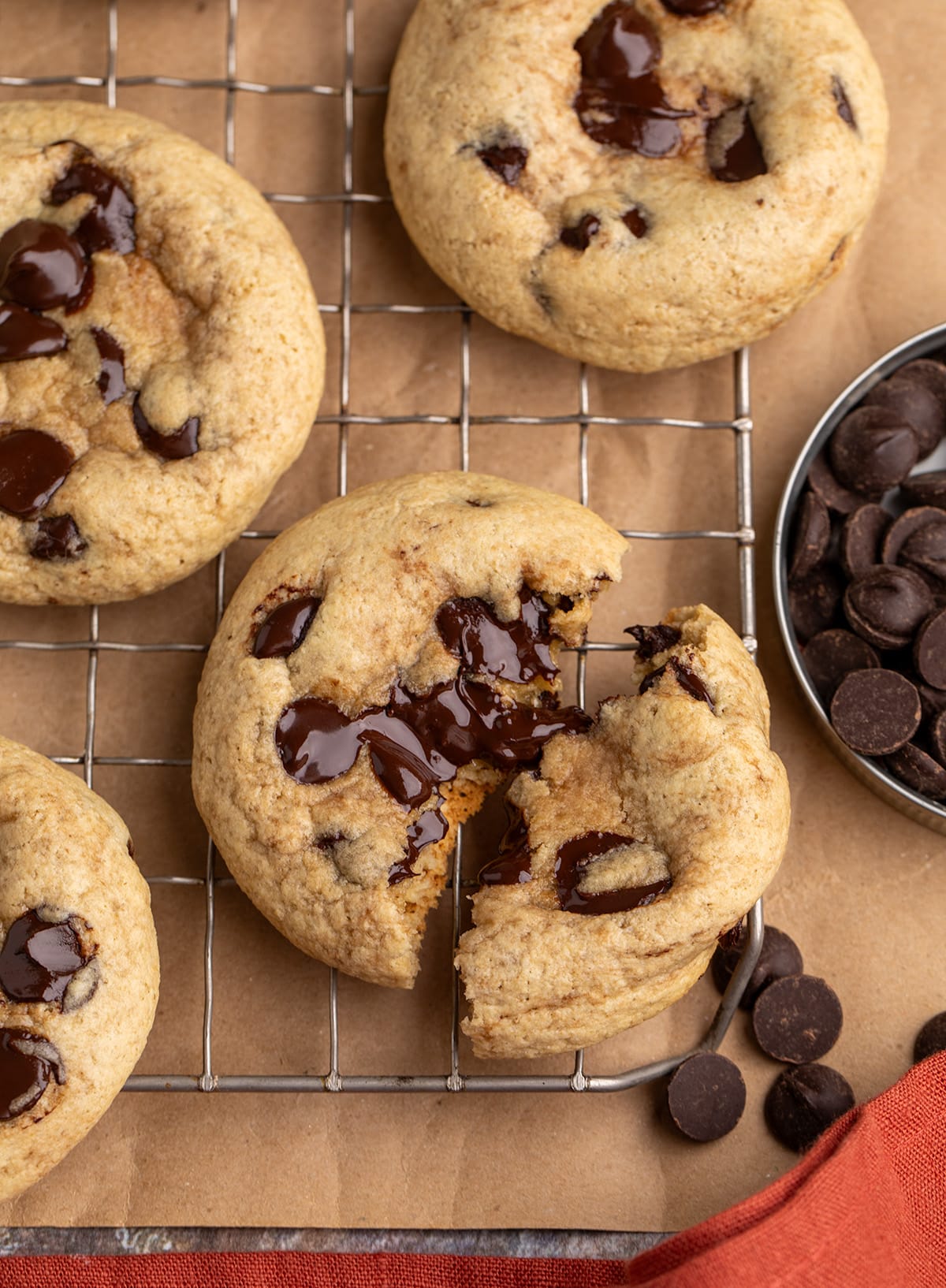
In the evolving landscape of functional foods, the quest for the "perfect" protein snack has long been a pursuit of compromise. For years, health-conscious consumers have been forced to choose between the chalky, dense texture of traditional protein bars and the indulgent, buttery satisfaction of a classic bakery-style cookie. However, a recent shift in culinary methodology—championed by home-baking experts like Nicole Hunn of Gluten Free on a Shoestring—is bridging that divide.
By pivoting away from the industry-standard reliance on nut butters and moving toward a structural foundation built on fine-milled oat flour, bakers are successfully creating chocolate chip protein cookies that boast 10 grams of protein per serving without sacrificing the soft, chewy crumb of a conventional treat.
The Main Facts: Redefining Performance Baking
The fundamental challenge of incorporating protein powder into baked goods lies in its tendency to absorb moisture. Most commercial protein cookies rely on heavy doses of nut or seed butters to compensate for this dehydration, which often results in a dense, overly caloric product that masks the flavor profile of the cookie.

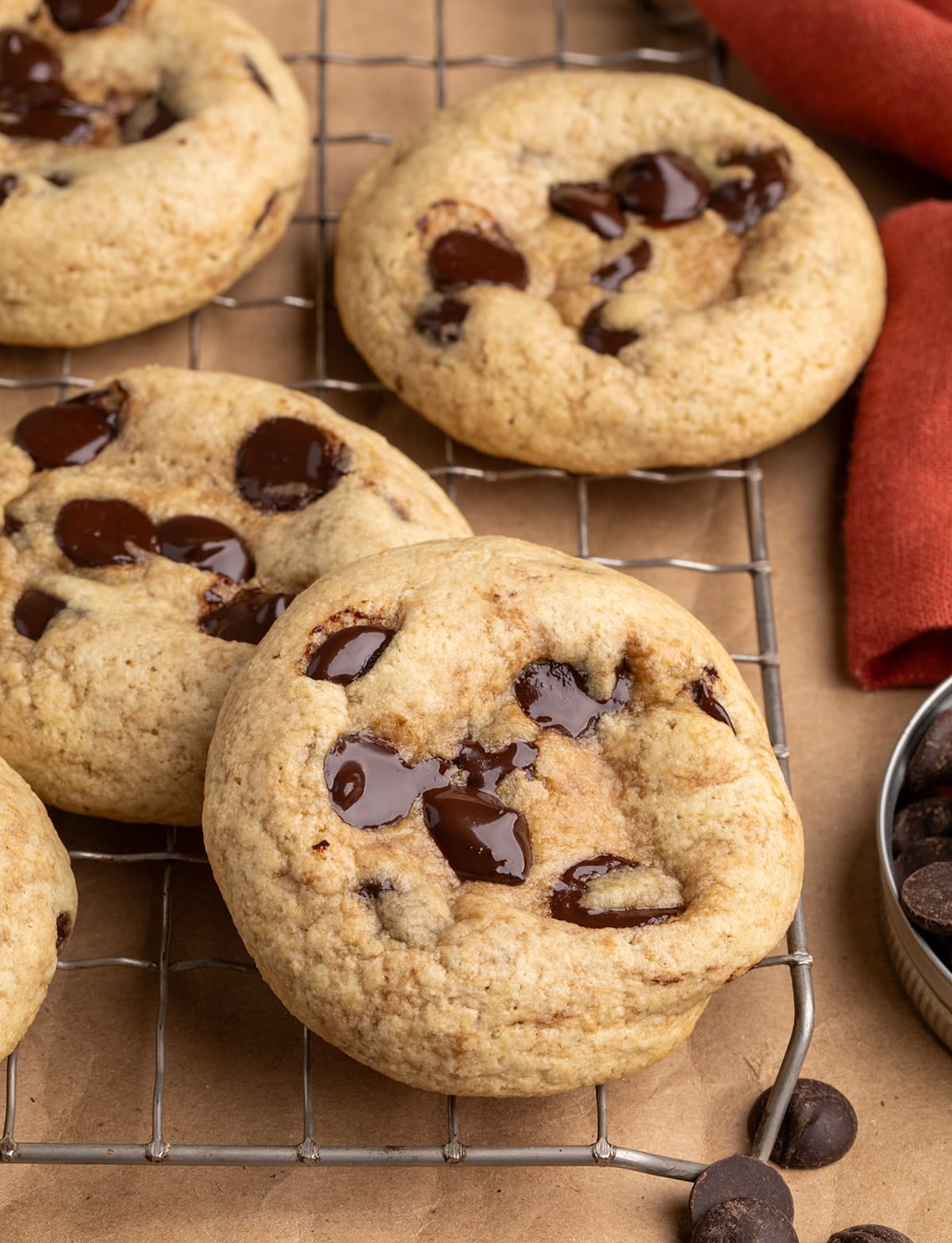
The innovative approach presented here utilizes a strategic combination of finely ground oat flour and a precise ratio of fats—specifically melted butter—to counteract the drying effects of supplemental protein. The result is a cookie that functions as a viable post-workout fuel or a mid-afternoon snack, containing approximately 284 calories and 10 grams of protein, while maintaining the sensory characteristics of a standard dessert.
A Chronological Guide to the Perfect Batch
Achieving the right texture requires more than just high-quality ingredients; it demands a disciplined, step-by-step approach to the chemical reactions occurring in the mixing bowl and the oven.
1. Preparation of Dry Ingredients
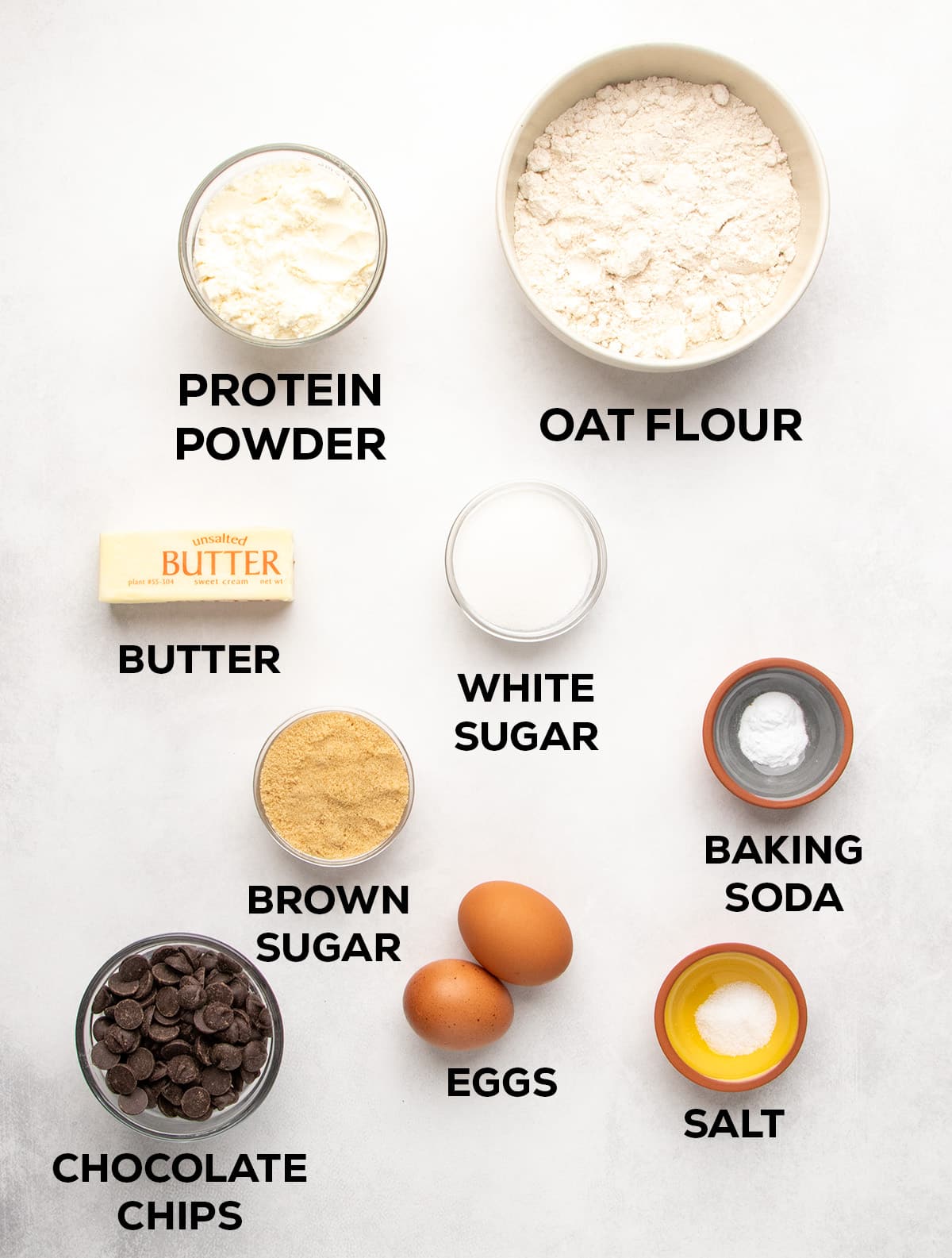
The process begins with a meticulous homogenization of dry components: oat flour, protein powder, white and brown sugars, baking soda, and salt. The objective is to eliminate any pockets of leavening agents or salt, which can lead to uneven rising or flavor inconsistencies. A critical, often overlooked step involves sifting or breaking up the brown sugar, which naturally clumps, to ensure a uniform distribution of molasses content, which is vital for the cookie’s signature chewiness.
2. The Emulsification Process
Once the dry base is prepared, creating a "well" in the center allows for the controlled introduction of melted butter and beaten eggs. By mixing the wet ingredients into the center of the dry base, the baker can prevent the common pitfall of overmixing. Overworking the dough at this stage can result in a stringy, tough texture, as the protein in the flour begins to form structural bonds that detract from the desired tenderness.
3. The Art of the Scoop
For uniform baking, consistency is non-negotiable. Utilizing a spring-loaded ice cream scoop—aiming for roughly 1.5 tablespoons or 2.25 ounces per portion—ensures that every cookie reaches the "doneness" threshold simultaneously. Rolling these portions into smooth spheres between the palms creates a consistent surface area, ensuring a professional appearance and even heat distribution.
4. Precision Baking
Perhaps the most crucial phase is the baking duration. These cookies should be removed from a 325°F oven while they still appear slightly underbaked in the center. At this stage, the edges should be lightly golden, but the tops should remain pale. The residual heat from the baking sheet allows the center to "set" as the cookies cool, a process that preserves moisture and prevents the protein powder from becoming chalky.
Supporting Data: Nutritional Breakdown
Understanding the composition of these cookies is essential for those integrating them into a fitness or wellness regimen. Based on a standard 10-cookie yield, the nutritional profile per cookie is as follows:
- Calories: 284 kcal
- Protein: 10g
- Total Carbohydrates: 28g
- Total Fat: 15g (8g saturated)
- Fiber: 2g
- Sugar: 16g
These figures represent a significant improvement over traditional, low-protein desserts, offering a balanced macronutrient profile that aids in satiety and muscle recovery. The inclusion of trace amounts of iron (2mg) and potassium (179mg) further enhances the functional appeal of the snack.
Expert Perspectives on Ingredient Substitutions
The culinary science of baking often relies on the interplay of fats, proteins, and sugars. When modifying a recipe for specific dietary needs, understanding the chemical role of each ingredient is paramount.
Navigating Dietary Restrictions
For those seeking a dairy-free iteration, experts recommend utilizing block-style vegan butter, such as the Miyoko’s brand, to replicate the moisture content of traditional butter. Whey protein isolate is generally the preferred choice for texture, but for those who require alternatives, hydrolyzed collagen peptides can be substituted, though they may slightly alter the final structure.
The Oat-Free Challenge
Oats provide a specific density that is difficult to replicate. Those with sensitivities may look toward finely ground quinoa flakes or super-fine, sifted almond flour. However, these substitutions change the hydration requirements of the dough, often requiring a slightly smaller amount of flour to reach the same consistency.
Sugar and Moisture
It is a common misconception that sugar only serves as a sweetener; in baking, it is a humectant. It locks in moisture and keeps the crumb soft. While sugar alternatives like Lakanto are available, they do not function as humectants. Consequently, cookies made with sugar alternatives tend to dry out faster, often requiring a reduction in bake time to compensate.

Implications for the Future of Functional Nutrition
The rise of "at-home functional baking" reflects a broader consumer trend: the rejection of ultra-processed, store-bought snacks in favor of transparent, kitchen-made alternatives. By utilizing readily available ingredients like oat flour and high-quality protein powder, consumers are reclaiming control over their nutritional intake.
This movement has significant implications for both the food industry and the individual home cook. As the stigma around protein-fortified snacks fades, and as recipes become more accessible and refined, we are likely to see a permanent shift in how households approach dessert. The ability to produce a bakery-quality cookie that serves a physiological function—muscle repair and sustained energy—without the chemical additives or exorbitant costs of commercial bars is a powerful evolution in modern nutrition.
In conclusion, the key to the perfect protein cookie is not found in complex supplements or obscure ingredients, but in the mastery of temperature and technique. By respecting the chemical requirements of the proteins and fats involved, and by mastering the "pull-early" baking method, any home cook can successfully create a treat that is as effective as it is delicious. As Nicole Hunn notes, "good, for gluten-free" (or in this case, "good for a protein cookie") is no longer a sufficient standard—excellence in both flavor and nutrition is now the new baseline.