The Timely Shield: How Exercise Can Counter the Immediate Damage of Unhealthy Meals
Main Facts
A critical new understanding in cardiovascular health reveals a narrow, yet potent, window of opportunity where physical activity can significantly mitigate the immediate arterial damage inflicted by consuming unhealthy meals. Far from being a mere long-term strategy, exercise, when performed within a specific timeframe relative to a meal, acts as an acute buffer against the detrimental effects of high-fat and high-sodium intake on our vascular system. This insight challenges the traditional view that diet and exercise operate solely on extended timelines, underscoring the dynamic interplay between our daily choices and immediate physiological responses.
Previous research has already illuminated the swift and concerning impact of a single meal rich in saturated fat, demonstrating its capacity to impair artery function in men, even as measured in the arm. However, the more profound concern lies in the blood flow to the very wall of the heart itself. Studies have meticulously documented how a single high-fat meal can trigger rapid and adverse changes in critical cardiovascular parameters, setting the stage for increased risk of heart disease over time.
Beyond fat, the insidious effects of high sodium intake also manifest almost immediately, independently compromising arterial function. This complex picture, where both fat and salt deliver swift blows to our vascular integrity, is now met with a powerful, accessible countermeasure: strategically timed physical activity.
Chronology: The Swift Onset of Damage and the Window of Intervention
The physiological cascade initiated by an unhealthy meal unfolds rapidly. Within hours of consumption, arteries begin to show signs of distress, a chronology that makes the timing of interventions particularly crucial.
In a pivotal study, researchers randomized men to consume one of two meals: a high-fat option, comprising over 60% fat (half of which was saturated) and exceeding an egg’s worth of cholesterol, or a low-fat alternative, predominantly carbohydrates, with less than 10% fat and 50 times less cholesterol. The results were stark and immediate.
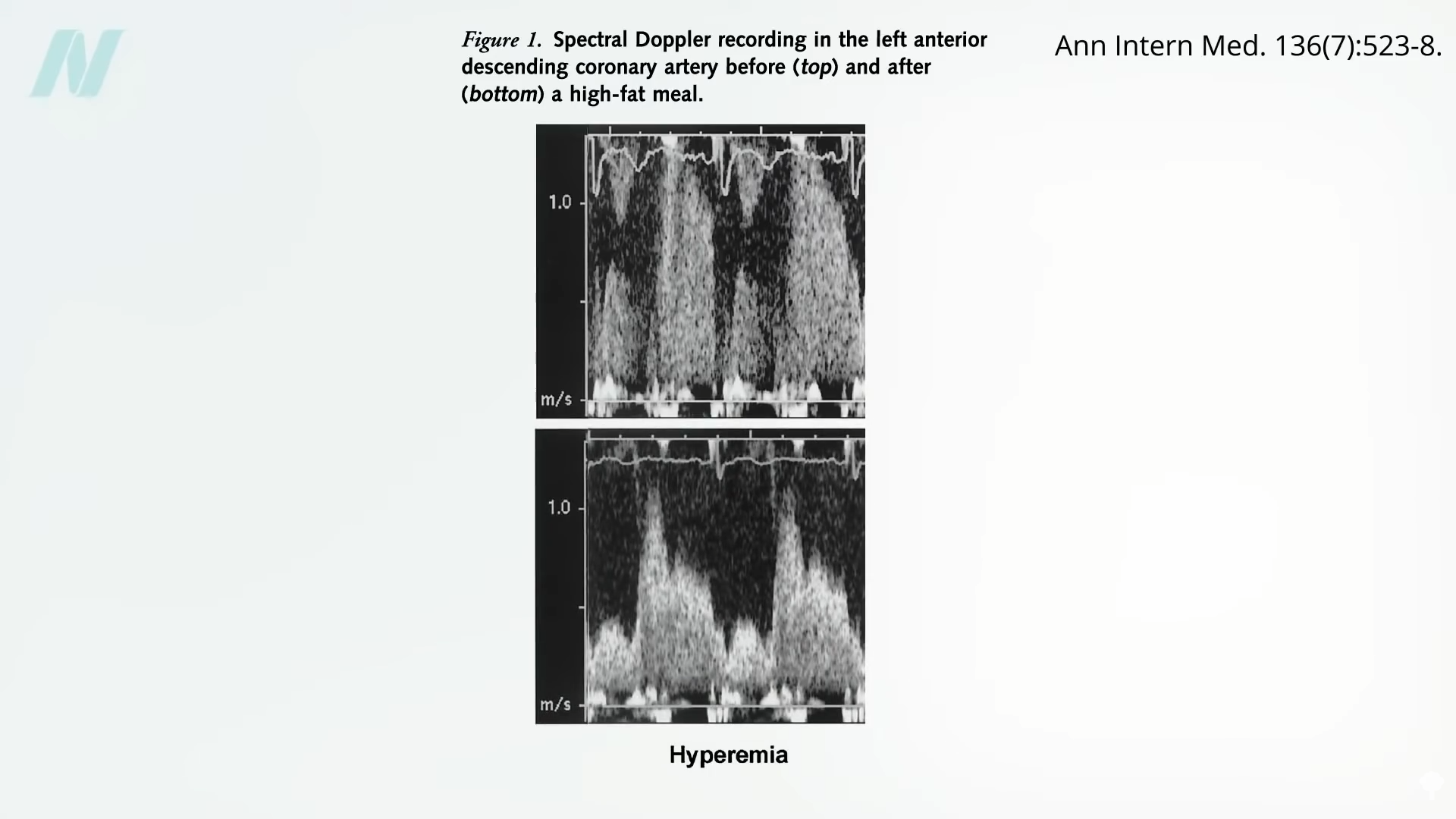
Within hours of ingesting the high-fat meal, a dramatic reduction in the coronary flow reserve was observed. Doppler recordings of the left anterior descending coronary artery – grimly known as the "widow-maker" due to its critical role in supplying blood to the heart – showed a strong, healthy signal before the meal. However, merely five hours after the high-fat intake, this signal was significantly squeezed down, indicating impaired blood flow. This immediate clamping down of the coronary flow reserve was absent in those who consumed the low-fat, calorically equivalent meal.
Coronary flow reserve is a vital compensatory mechanism; it represents the extra expansion capacity of surrounding vessels when part of a coronary artery is blocked. Its reduction after a fatty meal means the heart’s ability to adapt and maintain adequate blood supply in times of stress is undermined, making it more vulnerable. This rapid onset of arterial dysfunction, discernible even at the microvascular level, highlights the urgent need for timely protective measures.

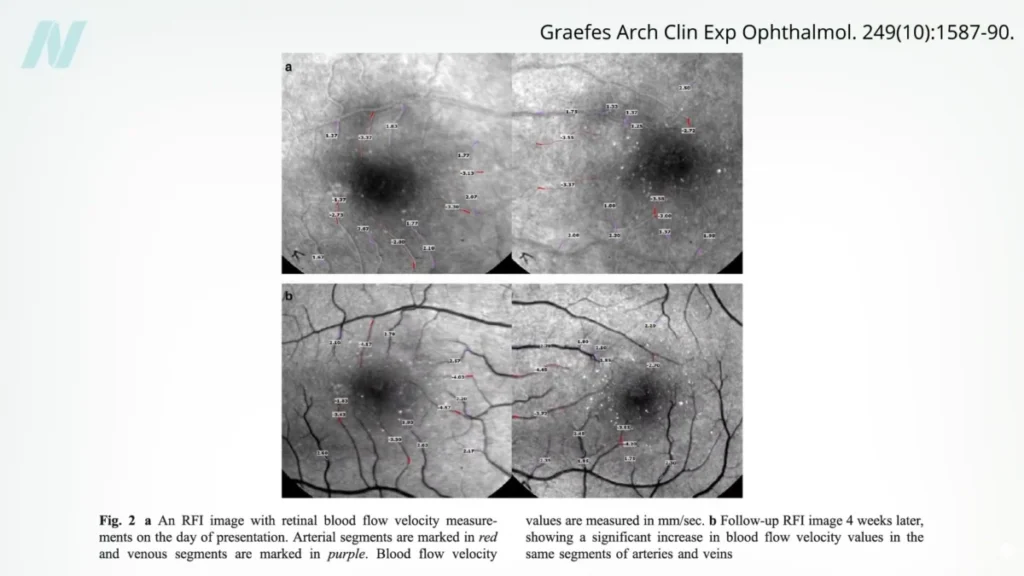
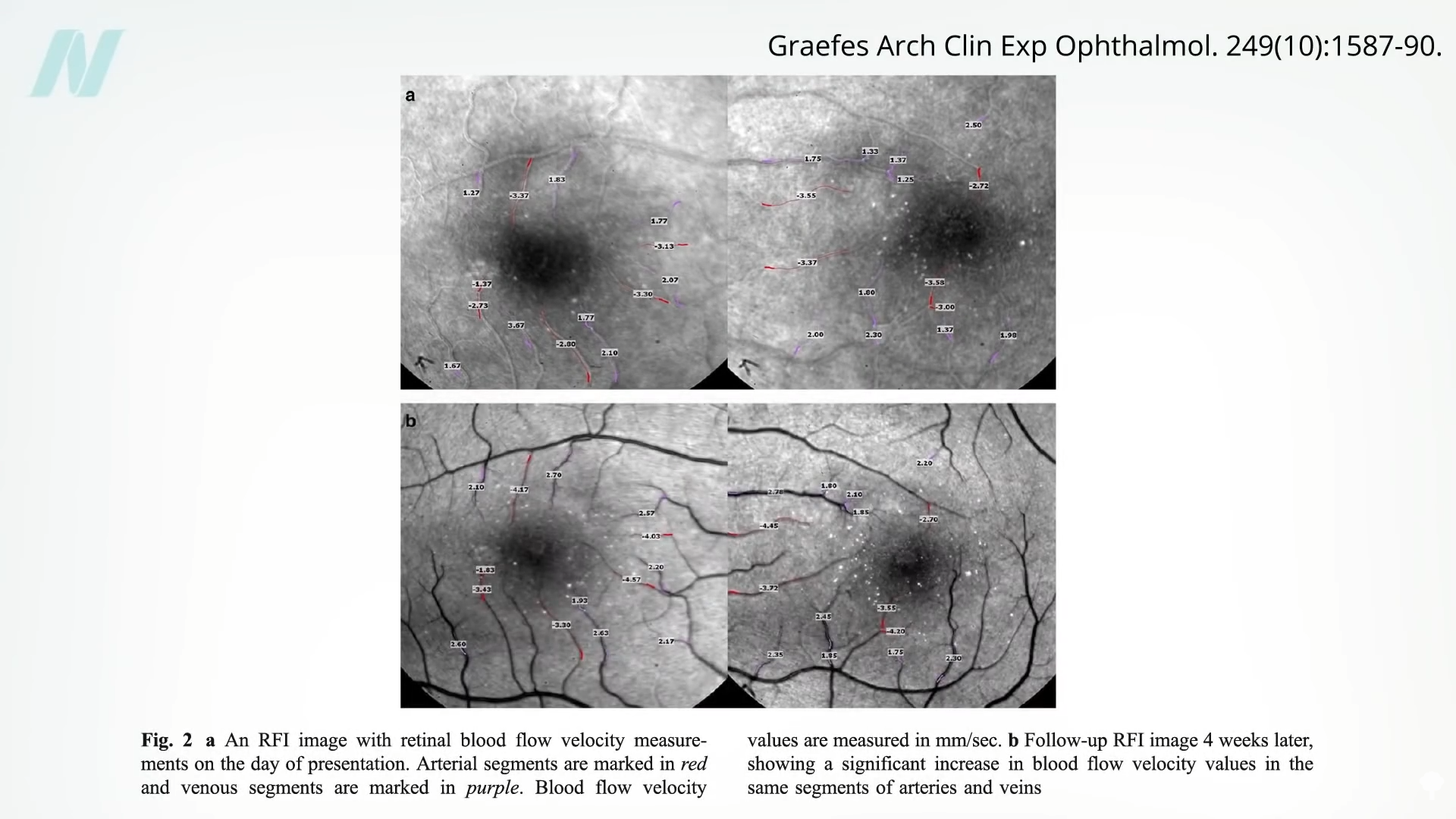
The effects can even be witnessed in extreme cases at the back of the eye. Images of a retina before and after dietary intervention graphically illustrate the phenomenon. Initially, milky-colored blood vessels, indicative of high circulating fats, could be seen. After a low-fat diet and medication helped clear the fat from the bloodstream, the vessels returned to a healthier appearance, demonstrating the profound and rapid systemic impact of dietary choices.
This swift physiological response necessitates an equally prompt countermeasure. The research indicates that the beneficial effects of acute exercise on postprandial lipemia (the elevation of fats in the blood after a meal) are most pronounced when performed within a specific time window: approximately 18 hours before the meal and extending up to 90 minutes after. This narrow timeframe underscores the importance of integrating physical activity into our daily routines not just for general health, but as a strategic defense against dietary indiscretions.
Supporting Data: The Mechanisms of Damage and Protection
The damage caused by unhealthy meals is multifaceted, involving both direct arterial impairment and systemic inflammatory responses. Conversely, exercise offers a direct physiological counter-attack.
The Impact of High-Fat Meals:
Post-meal inflammation, driven by the prolonged elevation of fats (lipemia) in the blood after high-fat meals, is a significant contributor to increased cardiovascular disease risk. When we consume a meal rich in saturated fats and cholesterol, these fats enter the bloodstream, triggering a cascade of events. Endothelial cells, which line our blood vessels, become less functional. They lose their ability to relax and expand properly, a crucial process for regulating blood flow. This endothelial dysfunction is an early marker of atherosclerosis and a key predictor of future cardiovascular events. The "squeezed down" coronary artery signal observed in Doppler recordings is a direct manifestation of this endothelial impairment, limiting the heart’s blood supply when it needs it most.
The Power of Timely Exercise:
Substantial evidence suggests that acute exercise is a highly effective way to clear some of this circulating fat from the blood after a meal. The mechanisms are complex but involve several key pathways:
- Increased Fat Utilization: Exercise stimulates muscles to use circulating fatty acids for energy, thereby helping to remove them from the bloodstream.
- Enhanced Lipoprotein Lipase Activity: Physical activity boosts the activity of lipoprotein lipase, an enzyme responsible for breaking down triglycerides (a type of fat) in the blood, allowing them to be taken up by tissues.
- Improved Insulin Sensitivity: Exercise enhances insulin sensitivity, which helps regulate blood sugar and fat metabolism more efficiently.
- Reduced Inflammation: Acute exercise can also have anti-inflammatory effects, helping to counteract the inflammatory response triggered by high-fat meals.
However, the beneficial effects of acute exercise on postprandial lipemia are not indefinitely sustained. Going a few days without exercising may completely negate any benefit, regardless of an individual’s overall fitness level. This emphasizes the need for consistent, regular physical activity, particularly around meal times.
The "McDonald’s Breakfast" Study: A Practical Demonstration
A compelling study vividly illustrated this protective effect. Researchers tasked participants with consuming a notoriously unhealthy McDonald’s breakfast, featuring hash browns, eggs, pancakes, an English muffin, sausage, and a milkshake – a meal designed to be high in fat, sugar, and calories. Following such a meal, artery function significantly decreased when subjects simply sat around. However, when participants engaged in 20 minutes of stair climbing, broken up into five-minute intervals every hour for four hours after eating, their artery function did not suffer the same decline.
This study powerfully demonstrated that even short bursts of hourly exercise can attenuate the negative effects not only of prolonged sitting but also of consuming a high-fat meal. The researchers concluded that "stair climbing should be incorporated as an easily accessible lifestyle strategy to protect vascular [artery] function." Of course, the most effective strategy remains to avoid such meals in the first place, but this research offers a valuable "damage control" option for when dietary choices are less than optimal.
The Immediate Impact of High-Sodium Meals:
Beyond fat, sodium presents its own immediate threat to arterial health. The McDonald’s breakfast mentioned above, for instance, would also contain well over 2,000 mg of sodium – significantly exceeding the American Heart Association’s (AHA) recommendation of staying under 1,500 mg for an entire day.
Even a meal with a third less salt than usual can impair artery function within an hour of consumption, and this effect occurs independently of any increase in blood pressure. This revelation is crucial because it highlights a direct, non-blood pressure-mediated pathway through which sodium harms our arteries. The mechanisms likely involve changes in endothelial cell function, oxidative stress, and inflammation, all contributing to a less responsive and healthy vascular system.
The long-held distinction between "salt-sensitive" individuals (who experience a large bump in blood pressure with salt intake) and "salt-resistant" individuals (whose blood pressure is less affected by salt) becomes less relevant when considering artery function. High dietary sodium intake reduces artery function regardless of whether an individual’s blood pressure is salt-sensitive or salt-resistant. Shifting from a low-salt to a high-salt diet consistently impairs artery function, as visually demonstrated by changes in blood vessel appearance. This underscores that the influence of dietary salt extends beyond blood pressure regulation, affecting the fundamental health and flexibility of our arteries.
Official Responses and Challenging Dissent
The scientific community, particularly leading health organizations, maintains a clear stance on the dangers of excessive dietary sodium and saturated fat. The American Heart Association (AHA), for example, has long advocated for significant reductions in sodium intake, setting a daily limit of 1,500 mg for most adults to promote cardiovascular health. This recommendation is based on a robust body of evidence demonstrating sodium’s role in hypertension and its direct impact on vascular function.
Despite what appears to be a "seemingly unanimous consensus" among public health experts, some researchers continue to claim that cutting down on salt is not necessarily beneficial. However, these dissenting voices are often found to be funded by the salt industry, raising concerns about potential conflicts of interest influencing research outcomes. The overwhelming, independent scientific evidence stands firmly against these claims, indicating that sodium – not sodium reduction – is indeed "the real villain" when it comes to arterial health. Similar consensus exists regarding saturated fat, with extensive research linking its consumption to impaired artery function, elevated cholesterol levels, and increased risk of cardiovascular disease.
Official dietary guidelines, such as those from the U.S. Dietary Guidelines for Americans and numerous international health bodies, consistently recommend limiting saturated fat intake to less than 10% of daily calories, and ideally even lower. They also advocate for reducing intake of dietary cholesterol and trans fats. These guidelines are not arbitrary; they are meticulously crafted based on decades of research demonstrating the cumulative and immediate harms of these dietary components. The immediate arterial damage highlighted in these studies provides yet another layer of evidence supporting these long-standing official recommendations.
Implications: A Call for Proactive Lifestyle Choices
The findings presented here carry profound implications for public health and individual dietary and lifestyle choices. They underscore that cardiovascular health is not solely a long-term project but is dynamically influenced by immediate, day-to-day decisions.
-
Redefining "Healthy Habits": The concept of a "window of opportunity" for exercise introduces a nuanced understanding of healthy living. It suggests that while overall fitness is crucial, the strategic timing of physical activity can offer specific, acute protection against the immediate insults of an unhealthy meal. This can empower individuals to make more informed choices about when to exercise, especially if they anticipate or have consumed a less-than-optimal meal.
-
The Cumulative Effect: While acute exercise can mitigate immediate damage, it is not a license for unchecked unhealthy eating. Repeatedly exposing arteries to high-fat and high-sodium meals, even with intermittent exercise, will likely lead to cumulative damage over time. The studies emphasize that the other way to protect artery function is to avoid these detrimental meals in the first place. This reinforces the primary importance of a consistently healthy diet.
-
Accessibility of Intervention: The "stair climbing" study is particularly encouraging. It demonstrates that even short, moderate bursts of easily accessible physical activity, like using stairs, can offer significant protection. This removes barriers for many who may feel intimidated by formal gym workouts, highlighting that incorporating movement throughout the day can be a powerful health strategy.
-
Beyond Blood Pressure: The findings regarding sodium’s direct impact on artery function, independent of blood pressure changes, are critical. They mean that even individuals with seemingly normal blood pressure, or those considered "salt-resistant," are not immune to the arterial damage caused by high sodium intake. This broadens the scope of who needs to be concerned about sodium, effectively encompassing the entire population.
-
Informed Consumerism: Understanding the immediate effects of food choices can empower consumers to demand healthier options and make more conscious decisions in restaurants and grocery stores. Awareness of the "widow-maker" artery’s vulnerability or the "milky blood vessels" in the eye can serve as powerful motivators.
In essence, these studies paint a picture of our arteries as highly responsive, almost instantaneously reacting to what we consume. While the ideal scenario is to nourish our bodies with wholesome, unprocessed foods low in saturated fat and sodium, life sometimes presents less-than-perfect choices. In those moments, strategically timed physical activity offers a tangible, science-backed way to lessen the immediate blow to our cardiovascular system, buying time and providing a measure of protection against the relentless march of chronic disease.
Further Reading:
This article is the second in a three-part series exploring the intricate relationship between saturated fat and artery health. For a deeper dive into the immediate impact of diet, please refer to:
- How a Single Meal Can Cripple Your Arteries and Lungs (Previous article in the series)
- Protect Your Arteries from Saturated Fat with These Foods (Upcoming article in the series)
For more insights into the pervasive dangers of sodium:
- The Evidence That Salt Raises Blood Pressure (Video resource)