Unmasking the Plate: A Critical Look at Nutrition Science and Industry Influence
Main Facts
The landscape of nutrition science, a field pivotal to public health, is increasingly scrutinized for its transparency and potential conflicts of interest. A recent critical examination highlights a concerning trend within top-tier journals, specifically focusing on the American Journal of Clinical Nutrition (AJCN). Despite its esteemed position as "the highest-ranked peer-reviewed scientific journal in nutrition and dietetics," its affiliations raise significant questions about the impartiality of its published research. The journal, published by the American Society of Nutrition, counts among its "sustaining partners" powerful industry groups, including The Sugar Association, major soda companies, and influential players from the meat, dairy, and egg industries. This intricate web of relationships casts a long shadow over studies that appear to downplay the health risks associated with animal products.
A prime example cited is an AJCN article claiming that red meat consumption "does not negatively influence cardiovascular disease risk factors." This assertion, published amidst the financial backing of entities like the National Cattlemen’s Beef Association, immediately prompts skepticism regarding the methodology and conclusions. The core issue, as expertly dissected by Drs. Neal Barnard and Walter Willett in their editorial, "The Misuse of Meta-analysis in Nutrition Research," lies in a fundamental flaw: the comparative group. Instead of contrasting red meat consumption with a truly healthier, plant-based alternative, nearly 90% of the trials analyzed in the controversial meta-analysis simply swapped one type of meat for another, predominantly comparing red meat to white meat like chicken or fish. This methodological sleight of hand creates a distorted picture, obscuring the genuine health impacts of dietary choices and potentially misleading both the scientific community and the general public.
Chronology
The journey from initial observation to critical deconstruction unfolds through several key stages:
1. The Foundation of Skepticism: Industry Partnerships (Ongoing)
The underlying concern begins with the persistent presence of industry giants as "sustaining partners" of the American Society of Nutrition, and by extension, the American Journal of Clinical Nutrition. These partnerships are not new; they represent a long-standing financial relationship that observers argue can subtly or overtly influence research agendas and publication decisions. The very existence of such ties sets a precedent for scrutinizing research outcomes that align with the commercial interests of these partners. This ongoing relationship forms the backdrop against which specific studies are evaluated.
2. The Controversial Publication: Red Meat Meta-Analysis (Post-2016)
The specific red meat meta-analysis, published around late 2016 (as indicated by the publication date of the critique in 2017), became a focal point of this scrutiny. Its bold claim that red meat "does not negatively influence cardiovascular disease risk factors" immediately drew attention due to its counter-intuitive nature and the journal’s industry ties. The study’s conclusion stood in stark contrast to a growing body of evidence suggesting a link between high red meat consumption and various health issues.
3. Expert Critique and Unveiling the Flaw: Barnard and Willett’s Editorial (2017)
Shortly after the red meat meta-analysis’s publication, Drs. Neal Barnard and Walter Willett, prominent figures in nutrition and public health, published their critical editorial, "The Misuse of Meta-analysis in Nutrition Research." This editorial served as a crucial intervention, systematically dismantling the flawed methodology of the original study. Their seminal question, "Compared with what?", exposed the core weakness: the use of inappropriate control groups. This moment marked a public challenge to the scientific rigor of a high-profile publication within a leading journal.
4. Empirical Evidence Against the Flaw: Cholesterol Comparisons (Various Studies)
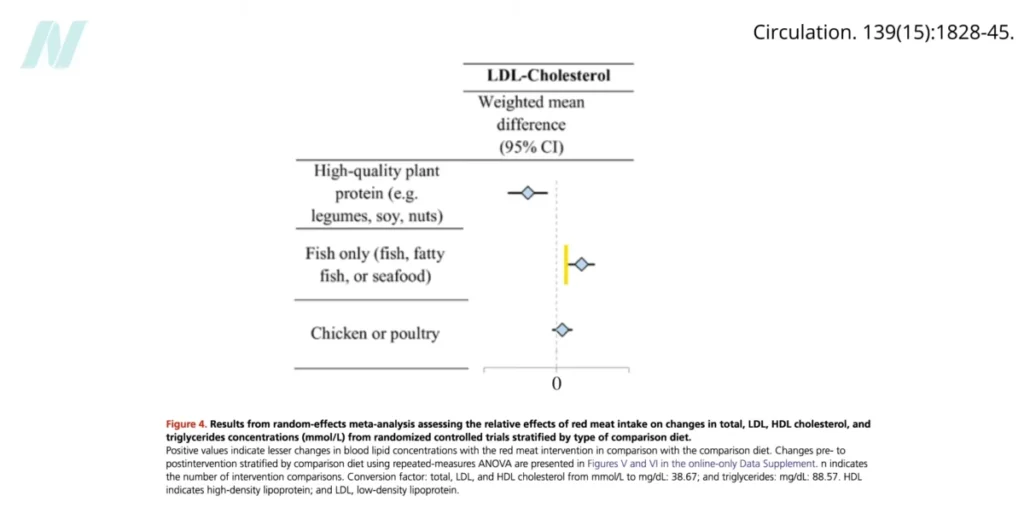
Subsequent and existing research, often predating or running concurrently with these events, provided further empirical data to validate Barnard and Willett’s critique. Studies consistently demonstrated that replacing red meat with other animal proteins (like chicken or fish) yields little to no improvement in cholesterol levels, confirming that such comparisons are inherently misleading. Conversely, research clearly shows that swapping animal proteins for plant-based alternatives leads to significant reductions in LDL cholesterol. This body of evidence underscores the importance of proper control groups and highlights the distinct health advantages of plant-centric diets.
5. Broader Implications and Ongoing Dialogue (Present Day)
The events surrounding the AJCN study sparked a wider discussion about conflicts of interest in nutrition research, the integrity of scientific publishing, and the impact on public dietary guidelines. The "Twinkie vs. Ding Dong" analogy, though anecdotal, powerfully illustrates the deceptive nature of flawed comparative studies. This ongoing dialogue continues to advocate for greater transparency, more robust methodologies, and an unwavering focus on public health outcomes rather than industry agendas.
Supporting Data
The critical assessment of the red meat meta-analysis is not merely theoretical; it is grounded in well-established scientific principles and a wealth of empirical data. The central point of contention, "Compared with what?", reveals a fundamental misunderstanding or deliberate misdirection in experimental design.
The Fatal Flaw: Swapping Meats and Misleading Results
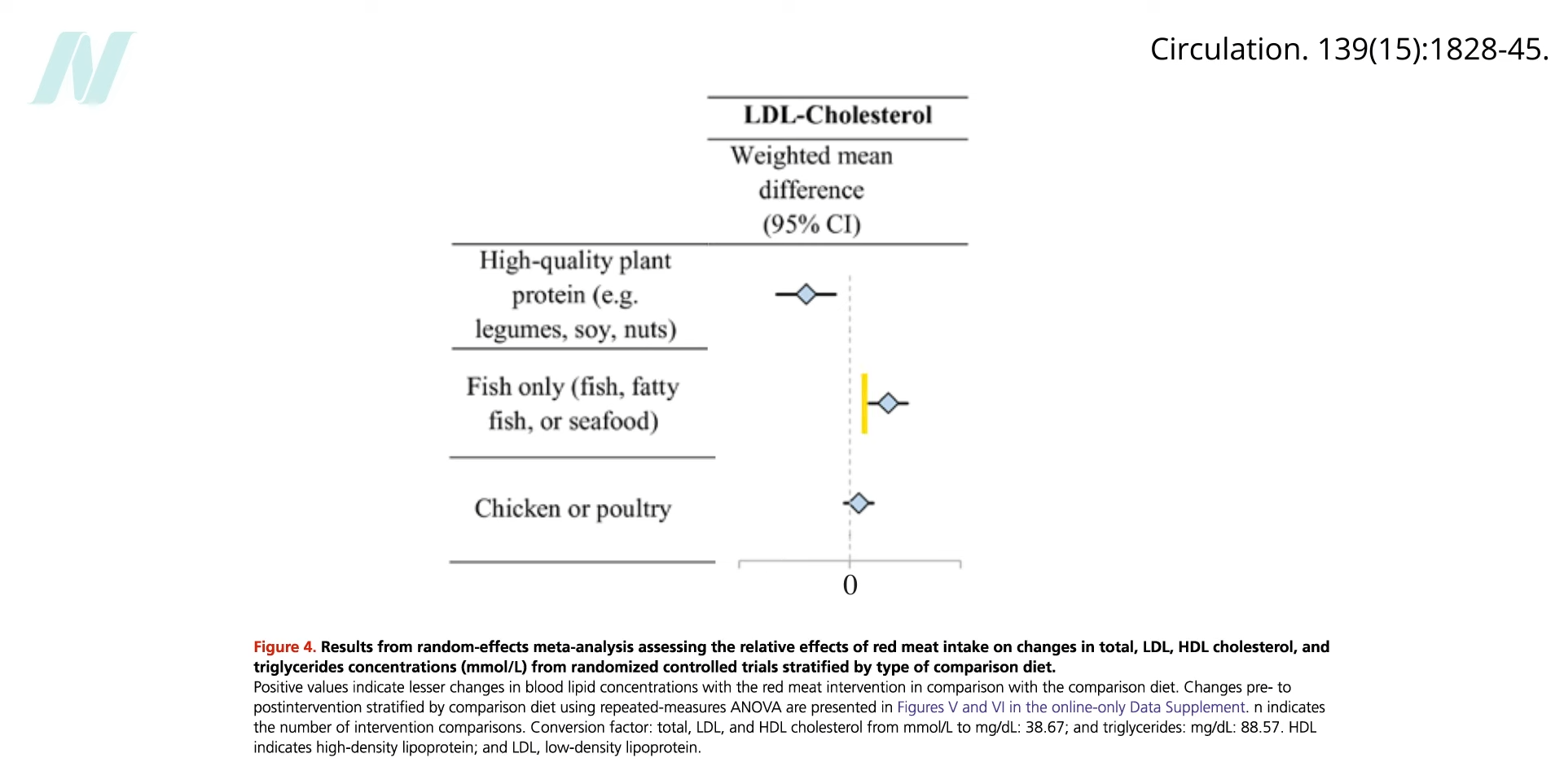
The original meta-analysis on red meat and cardiovascular risk factors included 39 trials concerning LDL cholesterol. A staggering 90% of these trials, however, did not compare red meat to a non-meat or plant-based diet. Instead, they compared red meat to other animal proteins, predominantly white meat like chicken or fish. This methodological choice is critically flawed because, as numerous studies have demonstrated, the impact of consuming various animal meats on cholesterol levels is remarkably similar.
For instance, research has shown that when it comes to raising LDL (low-density lipoprotein) cholesterol – often termed "bad" cholesterol and a key risk factor for cardiovascular disease – beef, fish, and poultry can have comparable adverse effects. This means that if a study replaces beef with chicken and observes no significant change in cholesterol, it’s not because beef is benign, but because chicken is equally problematic in that specific context. This is akin to replacing a sugary snack like a Twinkie with another equally unhealthy option like a Ding Dong and concluding that "total Twinkie intake does not negatively influence risk factors" because those randomized to zero Twinkies didn’t do any better – they were consuming Ding Dongs! This analogy perfectly encapsulates the deceptive nature of using an ineffective or equally harmful control in scientific research. Such a tactic, often employed in drug trials to make a new drug appear more effective than a known, ineffective treatment, misrepresents actual health outcomes.
The True Comparison: Animal vs. Plant-Based Proteins
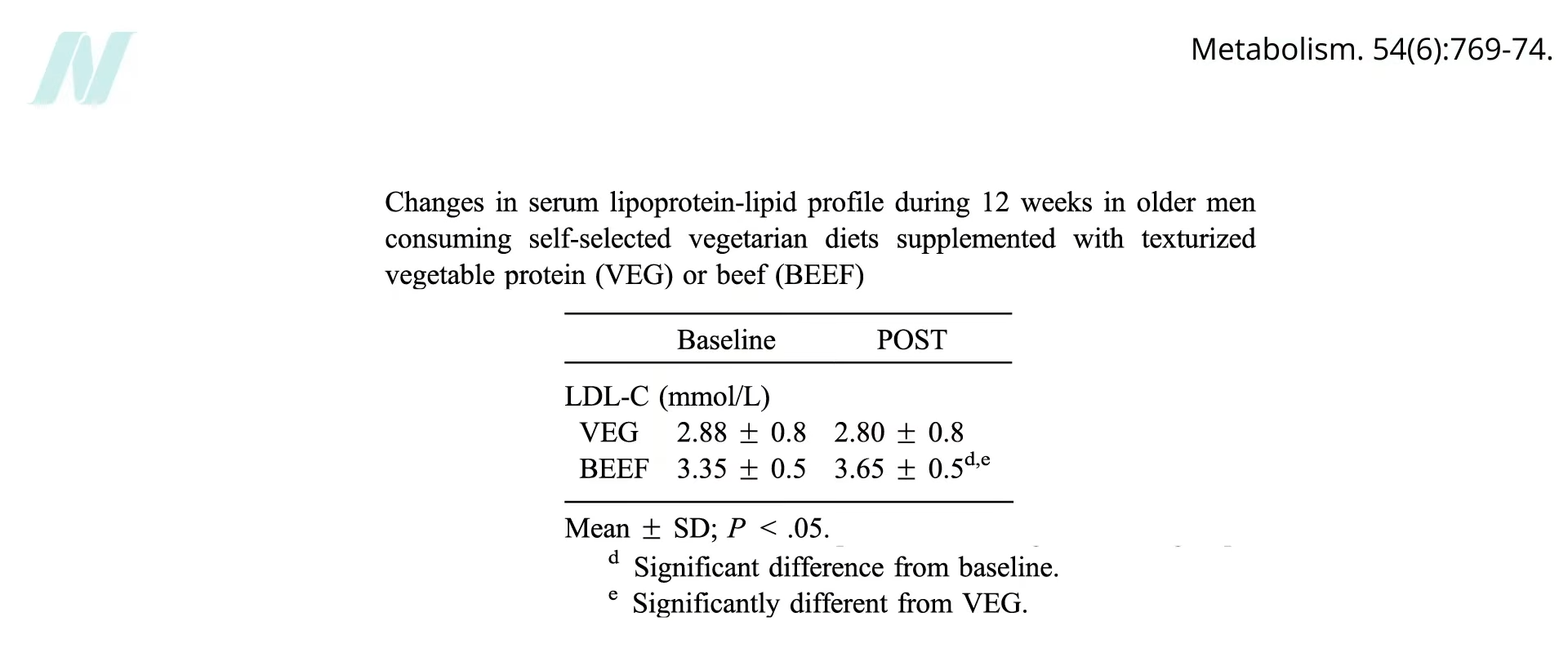
The scientific consensus, supported by robust research, strongly diverges when the comparison shifts from one animal protein to a genuinely different, plant-based alternative. Studies that swap out traditional meat products for plant-based equivalents—such as plant-based sausages, chicken patties, or veggie dogs—consistently demonstrate significantly lower cholesterol levels. This is largely attributable to the differing nutritional profiles, particularly the lower saturated fat content found in most plant-based alternatives.
However, the benefits of plant proteins extend beyond just saturated fat. Even when controlling for saturated fat content, studies have shown that consuming red meat or white meat (any kind of meat) results in higher LDL cholesterol compared to non-meat protein sources. This suggests that other compounds present in animal products, or the absence of beneficial compounds found in plants, contribute to these elevated cholesterol levels. Researchers often standardize saturated fat content in comparative studies by adding ingredients like butter, which can obscure other factors. Yet, even under such conditions, fish has been observed to be potentially worse than beef, and chicken as bad as beef, in terms of cholesterol impact.
In contrast, plant protein sources—including soy, nuts, and legumes (beans, split peas, chickpeas, and lentils)—consistently demonstrate superior outcomes in terms of cholesterol reduction. Replacing even a single serving of lean beef with an equivalent caloric amount of nuts or soybeans can lead to a measurable reduction in LDL cholesterol. This is a crucial finding, given that elevated LDL cholesterol is a primary risk factor for heart disease, the leading cause of death globally.
The Broader Health Benefits of Nuts
The discussion then extends to the remarkable health benefits of nuts, which appear to transcend simple dietary substitutions. A single daily serving of nuts has been associated with a 22% reduction in the risk of premature death, leading some analyses to suggest that millions of annual deaths worldwide could be attributable to inadequate nut intake.
While it is true that replacing meat with nuts can contribute to improved health outcomes due to the cholesterol-lowering effect, the benefits of nuts are not limited to those who are merely swapping out unhealthy options. The drop in heart attacks among frequent nut eaters is equally strong among non-vegetarians, indicating that nuts confer independent health advantages regardless of the overall dietary pattern. The reduced mortality linked to nut consumption appears to be independent of pre-existing health conditions, suggesting a broad protective effect. In fact, when comparing a dozen different food groups, nuts have even surpassed vegetables in their association with a lower risk of premature death. This potent effect underscores the importance of including nuts in a diverse diet, irrespective of other dietary choices.
Official Responses
While the original text does not provide direct "official responses" from the American Journal of Clinical Nutrition or the industry partners to these specific critiques, the expert editorial by Drs. Neal Barnard and Walter Willett serves as a crucial "official response" from within the scientific community itself. Their piece, "The Misuse of Meta-analysis in Nutrition Research," functions as a formal challenge to the integrity and methodology of the red meat study.
The Scientific Community’s Scrutiny:
- Formal Critique: Barnard and Willett’s editorial is a prime example of the self-correcting mechanism of science. By directly questioning the methodological rigor of the meta-analysis—specifically, the choice of comparison groups—they highlight the ethical responsibility of researchers and journals to ensure studies are designed to yield genuinely informative and unbiased results. Their emphasis on "Compared with what?" became a rallying cry for critical thinking in nutrition research.
- Call for Transparency: The very act of publishing such a critique in a peer-reviewed setting (even if not in the same journal that published the original flawed study, though it might have been in a related journal or a letter to the editor) is a form of official response, advocating for higher standards of scientific inquiry and transparency. It implicitly calls upon journals to exercise greater vigilance over potential conflicts of interest and flawed methodologies.
- Reinforcement of Existing Knowledge: The critique also served to reinforce established scientific understanding regarding the impact of different protein sources on cardiovascular health. By contrasting the flawed meta-analysis with studies that genuinely compare animal proteins to plant-based ones, the editorial underscored the scientific consensus that plant proteins are generally more beneficial for cholesterol levels.
Industry’s Implicit Influence and Lack of Direct Rebuttal:
- Sustaining Partnerships as a Statement: The continued presence of industry giants like The Sugar Association, soda companies, and meat/dairy/egg industries as "sustaining partners" of the American Society of Nutrition can be seen as an implicit "official position." It signifies their vested interest in shaping nutritional discourse. While these partnerships do not necessarily dictate individual study outcomes, they create an environment where research favorable to their products may receive more attention or less scrutiny. The lack of a direct, robust scientific rebuttal from these industry-funded entities against the critiques of their favored studies is notable. Instead, their "response" often manifests as continued funding of research that aligns with their commercial interests or advocacy for dietary guidelines that accommodate their products.
- The "Corporate Playbook": The reference to "The Corporate Playbook Behind Undermining Dietary Guidelines" points to a broader, historical pattern of industry influence. This "playbook" often involves funding research, lobbying policymakers, and influencing public perception through various means. In this context, the publication of a flawed study that seemingly exonerates red meat can be viewed as an indirect "response" to public health concerns, aiming to maintain market share and consumer confidence.
In essence, while no direct "apology" or retraction from the AJCN is explicitly mentioned in the provided text, the scientific community, through figures like Barnard and Willett, has offered a clear and compelling "official response" that scrutinizes flawed methodologies and calls for greater integrity in nutrition research. The industry’s "response" is often more subtle, embedded in its sustained financial support and strategic influence over the scientific and public discourse.
Implications
The implications of such revelations are far-reaching, impacting public health, the integrity of scientific research, and consumer trust.
1. Erosion of Trust in Nutrition Science:
When a top-ranked peer-reviewed journal publishes studies with apparent methodological flaws, particularly when those flaws align with the financial interests of its industry partners, it significantly erodes public trust in nutrition science. Consumers, already bombarded with conflicting dietary advice, become even more confused and skeptical about expert recommendations. This skepticism can lead to inaction on crucial health advice, undermining public health initiatives. The notion that "even the highest-ranked journal" can be swayed raises serious questions about the objectivity of scientific consensus and the reliability of information intended to guide healthier lifestyles.
2. Misguidance for Public Health Policies and Dietary Guidelines:
Dietary guidelines are meticulously crafted based on the best available scientific evidence. If flawed research, influenced by industry interests, infiltrates the scientific literature, it can subtly or overtly skew these guidelines. For instance, if studies falsely suggest that red meat has no negative impact on cardiovascular health, it could lead to less stringent recommendations regarding its consumption, potentially contributing to higher rates of heart disease and other diet-related illnesses. Policymakers and public health organizations rely on robust, unbiased research to make informed decisions, and compromised data can have detrimental effects on population health.
3. The Urgent Need for Transparency and Independent Funding:
The exposé underscores an urgent need for greater transparency in research funding and a more rigorous vetting process for studies submitted to journals, especially those with clear conflicts of interest. Calls for journals to require comprehensive disclosure of funding sources, and for researchers to be independent of industry influence, are becoming louder. The ideal scenario would involve a significant increase in publicly funded research that is free from commercial pressures, ensuring that scientific inquiry serves public health rather than corporate profit. This also extends to strengthening peer review processes to catch methodological flaws and biases more effectively.
4. Empowering Consumers with Critical Thinking:
The "Twinkie vs. Ding Dong" analogy serves as a powerful lesson for consumers to adopt a more critical approach to health news. It highlights the importance of asking "Compared with what?" when evaluating health claims, especially those that seem too good to be true or contradict widely accepted advice. Understanding basic principles of study design, such as the necessity of appropriate control groups, can empower individuals to discern credible information from misleading propaganda. This fosters a more informed public capable of making healthier dietary choices.
5. Reaffirming the Benefits of Plant-Based Diets:
Despite the attempts to muddy the waters, the implications also reaffirm the robust scientific evidence supporting the health benefits of plant-based diets. The data clearly shows that replacing animal proteins with plant-based alternatives—whether whole foods like nuts and legumes or plant-based meat substitutes—leads to significant improvements in key health markers like cholesterol levels. The consistent positive outcomes associated with plant-centric eating patterns, even independent of saturated fat content, provide a clear, actionable message for promoting public health. The independent benefits of nuts, regardless of the rest of the diet, further underscore the value of incorporating these nutrient-dense foods.
In conclusion, the critical analysis of nutrition research methodologies and industry ties is not just an academic exercise; it’s a vital undertaking for safeguarding public health. It calls for a fundamental re-evaluation of how nutrition science is funded, conducted, and disseminated, pushing for an era of greater transparency, methodological rigor, and an unwavering commitment to evidence-based health recommendations.
Conclusion: Towards a Transparent and Health-Oriented Future in Nutrition
The revelations surrounding the American Journal of Clinical Nutrition and its industry partnerships, coupled with the critical deconstruction of flawed studies like the red meat meta-analysis, underscore a profound challenge facing nutrition science today. While the pursuit of knowledge is inherently noble, its integrity can be compromised when financial interests intertwine with scientific inquiry. The "Compared with what?" critique by Drs. Barnard and Willett stands as a potent reminder that the devil often lies in the details of research methodology, and that even the most prestigious journals must be held to the highest standards of impartiality and rigor.
The implications are clear: the public deserves and needs unbiased, evidence-based nutritional guidance. The current landscape necessitates a concerted effort from all stakeholders – researchers, journal editors, funding bodies, and consumers alike – to champion transparency, demand robust methodologies, and challenge conclusions that appear to serve commercial agendas over public health. The contrasting outcomes observed when comparing animal proteins to genuine plant-based alternatives, and the undeniable, independent health benefits of foods like nuts, provide a clear path forward.
Moving ahead, the focus must shift towards fostering an environment where nutrition research is predominantly driven by public health imperatives, free from the subtle or overt influences of industries with vested interests. This involves advocating for increased public funding for independent research, implementing stricter conflict-of-interest policies in scientific publishing, and promoting media literacy to empower individuals to critically evaluate health information. Only through such a concerted effort can we rebuild trust in nutrition science and ensure that dietary recommendations genuinely contribute to a healthier, longer life for all. As we anticipate further insights into "The Corporate Playbook Behind Undermining Dietary Guidelines," the conversation around scientific integrity in nutrition will undoubtedly continue to evolve, shaping the future of how we understand and approach the food on our plates.