The Silent Assault: How High-Fat Meals Impact Your Body Within Hours
Introduction: The Arterial Age and Dietary Choices
The adage "we are only as old as our arteries" holds profound truth in the realm of health and longevity. Our arteries, the vital conduits transporting blood throughout our bodies, are intimately linked to our overall well-being and lifespan. Their flexibility, integrity, and efficient function are paramount in preventing a cascade of health issues. However, modern lifestyles, characterized by poor dietary habits and sedentary behavior, frequently undermine this crucial arterial health, accelerating adverse aging processes.
At a cellular level, these detrimental habits impair the mitochondria – the "power plants" of our cells. This impairment can trigger a chain reaction: increased free radical formation, heightened oxidative stress, and systemic inflammation. Ultimately, these processes culminate in artery dysfunction, setting the stage for cardiovascular disease, the leading cause of mortality worldwide. Understanding the immediate impact of our food choices is therefore not just an academic exercise, but a critical step towards preserving our health. Recent research has shed alarming light on just how quickly a single high-fat meal can initiate this damaging cycle, challenging conventional notions of long-term dietary impact.
Main Facts: The Immediate Repercussions of High-Fat Consumption
For decades, the focus of dietary science on cardiovascular health primarily centered on the long-term effects of diet. However, compelling research from the past decade has revealed a startling truth: the damage begins not over years or months, but within mere hours of consuming a high-fat meal. This rapid response underscores the acute vulnerability of our physiological systems to dietary composition.
Arterial Dysfunction: The Rapid Decline
The most striking finding from landmark studies is the almost immediate impairment of arterial function following a high-fat meal. Specifically, endothelial function, which refers to the ability of the inner lining of blood vessels to expand and contract, becomes significantly compromised. The endothelium plays a critical role in regulating blood flow, preventing clot formation, and inhibiting the buildup of plaque. When its function is impaired, arteries lose their elasticity, becoming stiffer and less responsive.
In controlled experiments, a single high-fat meal has been shown to "cripple" this vital function within hours of consumption. In stark contrast, a low-fat meal consumed by the same individuals showed no such adverse changes, maintaining normal arterial responsiveness. This direct comparison highlights the specific role of fat, rather than other macronutrients, in triggering this acute vascular distress.
Inflammatory Cascade: A Systemic Response
Beyond the immediate arterial impact, high-fat meals initiate a broader inflammatory cascade throughout the body. This systemic inflammation is a key driver of chronic diseases, and its rapid induction by diet suggests a constant state of low-grade inflammation for individuals regularly consuming such meals. The body perceives the influx of certain fats, particularly saturated fats, as a threat, mounting an immune response that, while intended to protect, ultimately contributes to cellular and tissue damage over time.

Mitochondrial Stress: Cellular Powerhouses Under Attack
At the very foundation of cellular health are mitochondria. A poor diet, especially one rich in unhealthy fats, can quickly impair their efficiency. When mitochondria are stressed, they produce more reactive oxygen species (free radicals). These highly unstable molecules can damage cellular components, including DNA, proteins, and lipids, a process known as oxidative stress. This oxidative stress, in turn, fuels inflammation, creating a vicious cycle that further degrades cellular function and, crucially, contributes to artery dysfunction. The speed with which this mitochondrial impairment occurs after a high-fat meal emphasizes the immediate biological burden placed on our cells.
Chronology of Damage: A Meal-by-Meal Breakdown
The damage isn’t a slow, insidious process but a dynamic, hour-by-hour event. Understanding this timeline reveals the constant assault our bodies endure with typical dietary patterns.
Hours 1-3: The Initial Hit
Once a high-fat meal is consumed, digestion begins almost immediately. Fats are broken down and absorbed in the small intestine, then packaged into chylomicrons – tiny lipid droplets – which enter the bloodstream. This influx of fat into the circulation marks the beginning of the body’s acute response. Within the first few hours, the concentration of fats in the blood, particularly triglycerides, begins to rise significantly. This initial surge is believed to trigger early inflammatory signals and begin to affect the delicate lining of the blood vessels.
Hours 3-6: Peak Impairment and Observable Effects
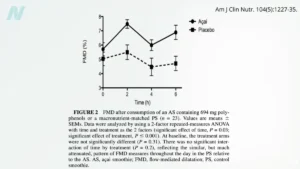
The most pronounced effects on arterial function are typically observed within three to six hours post-meal. One seminal study highlighted in previous discussions utilized Sausage and Egg McMuffins from McDonald’s as the high-fat intervention. Participants who consumed this meal experienced a significant reduction in artery function compared to those who had a low-fat, sugary meal (Frosted Flakes). The choice of Frosted Flakes as the low-fat control was deliberate and crucial; it helped isolate fat as the primary culprit for arterial impairment, ruling out "crappy carbohydrates" or other components of the breakfast sandwich. The visual data presented in the original research vividly demonstrated this acute decline in arterial responsiveness, illustrating a clear divergence between the high-fat and low-fat groups.
This rapid decline in endothelial function means that for several hours after a high-fat meal, your arteries are less able to perform their vital functions, such as dilating to accommodate blood flow. This temporary impairment, while reversible in the short term, sets the stage for cumulative damage if it occurs frequently.
The Continuous Cycle: A Daily Assault
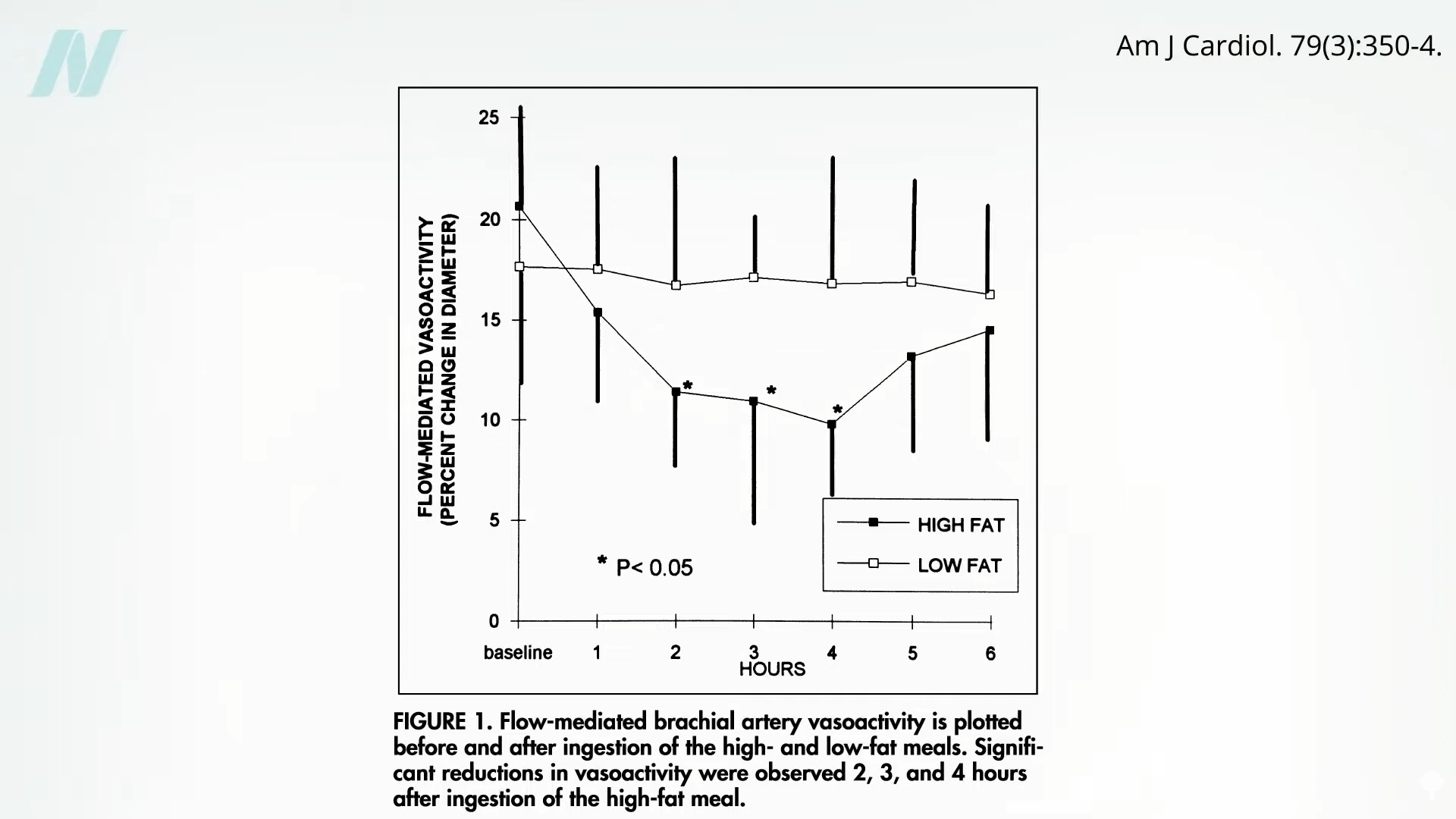
The implications of this hourly damage are profound when considering typical eating patterns. For many individuals, a high-fat breakfast might be followed by a similar lunch and then dinner. Just as artery function might begin its slow recovery five or six hours after breakfast, it is often "whacked" again with another load of meat, eggs, dairy, or oil at lunchtime. This continuous cycle means that most people spend approximately 16 hours a day in a post-meal state where their arteries are constantly being hammered by dietary fat.
This sustained, low-grade injury, repeated day after day, week after week, contributes significantly to the chronic progression of atherosclerosis – the hardening and narrowing of arteries – which is the underlying cause of cardiovascular disease. The cumulative effect of these hourly insults explains why diet is such a powerful determinant of long-term cardiovascular health and why cardiovascular disease remains our number one killer.
Supporting Data: Beyond the Arteries – Systemic Inflammation
The deleterious effects of high-fat meals extend far beyond the cardiovascular system, impacting other vital organs and triggering systemic inflammatory responses.
Pulmonary Impact: Lungs Under Siege
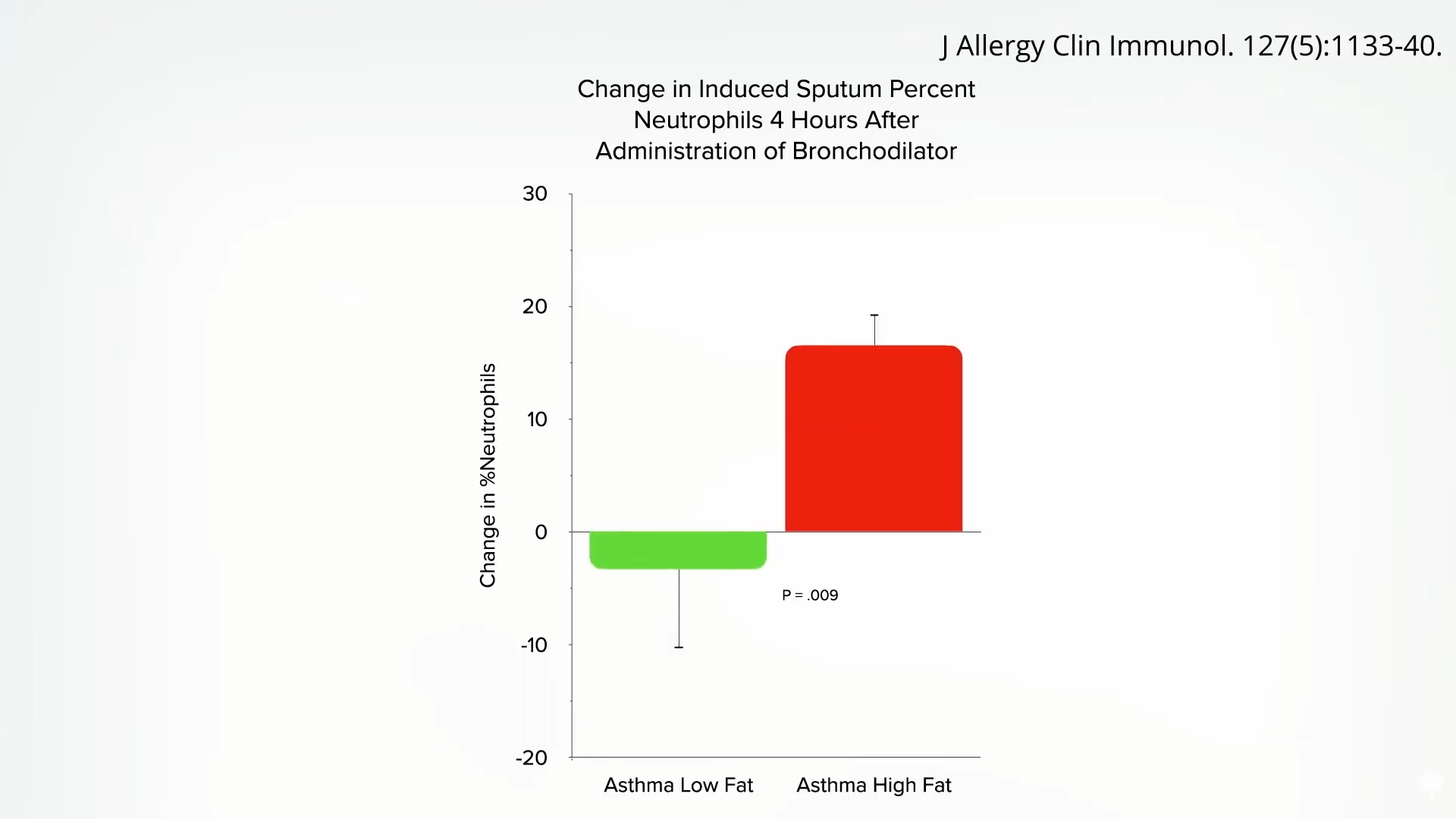
Remarkably, the inflammation triggered by high-fat meals is not confined to the arteries of the heart but also inflames our lungs. Research has shown that a "high-fat challenge increases airway inflammation and impairs bronchodilator recovery in asthma." In a study involving individuals with asthma, sputum samples coughed up from their lungs four hours after consuming a high-fat meal revealed a significant surge in inflammatory cells. This was in stark contrast to the low-fat meal group, where no such increase was observed.
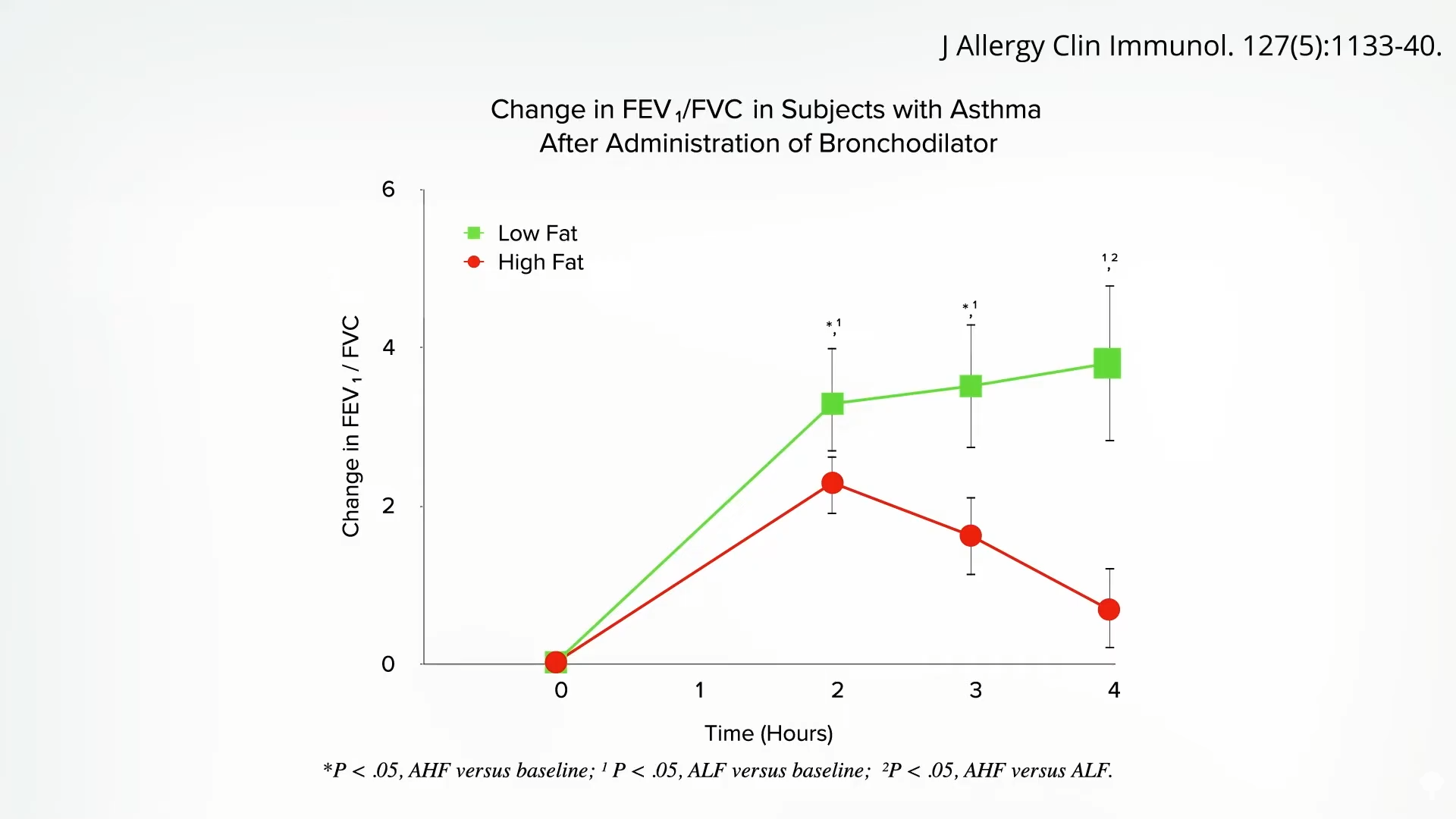
More concerning was the functional impact: when these asthmatic participants were given two doses of their inhalers (containing albuterol or Ventolin) after a high-fat meal, their airways did not open up as effectively or for as long as they did after a low-fat meal. The inhaler’s effectiveness diminished significantly after just a few hours due to the exacerbated inflammation in their lungs. This means that what you eat can directly determine how well you breathe, especially if you have a pre-existing respiratory condition like asthma.
Even for individuals without asthma, high-fat meals can induce pulmonary inflammation. Subsequent research found that healthy participants also experienced a spike in inflammatory cells in sputum coughed from their lungs four hours after consuming a high-fat meal, such as a "Jimmy Dean’s Meat Lover’s breakfast bowl." This demonstrates that the inflammatory response in the lungs is a generalized reaction, not limited to those with compromised respiratory systems.
The Role of Oxidized LDL and Foam Cells
The mechanism of arterial damage is further illuminated by the behavior of low-density lipoprotein (LDL) cholesterol. After a high-fat meal, there isn’t just an increase in overall fats in the blood; there’s also a significant increase in pro-inflammatory oxidized LDL cholesterol. Oxidized LDL is particularly dangerous because it’s readily "sucked up" by certain white blood cells called macrophages. When macrophages become engorged with oxidized LDL, they transform into "foam cells."
These foam cells are the building blocks of atherosclerotic plaque. They accumulate in the artery walls, contributing to the inflamed, pus-like lesions that characterize atherosclerosis and ultimately lead to heart attacks and strokes. Studies have shown a doubling of pro-inflammatory oxidized LDL cholesterol within hours of consuming a high-fat meal, such as pizza, highlighting how quickly this crucial step in plaque formation can be accelerated.
Endotoxins: The Bacterial Connection and Shifting Culprits
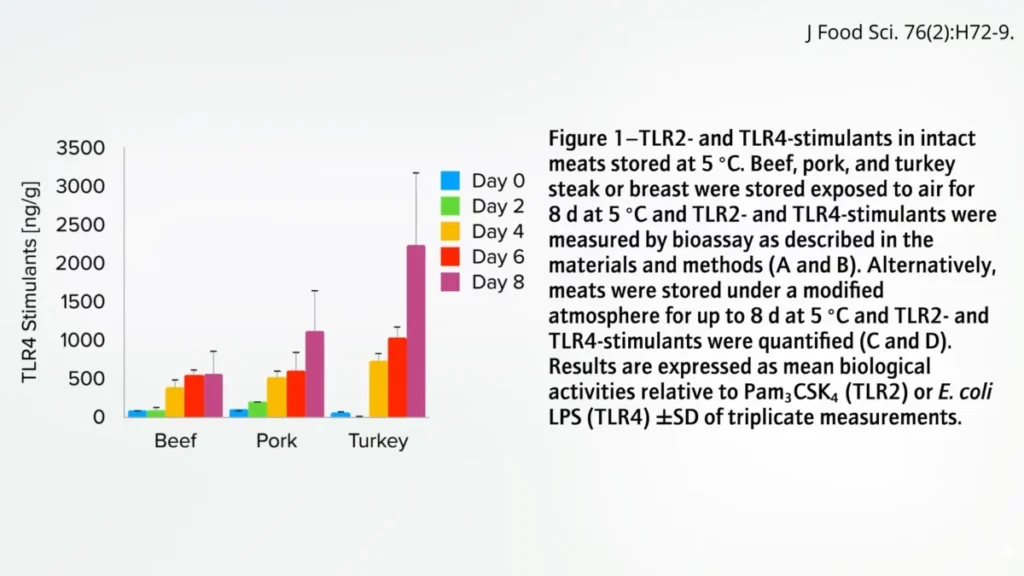
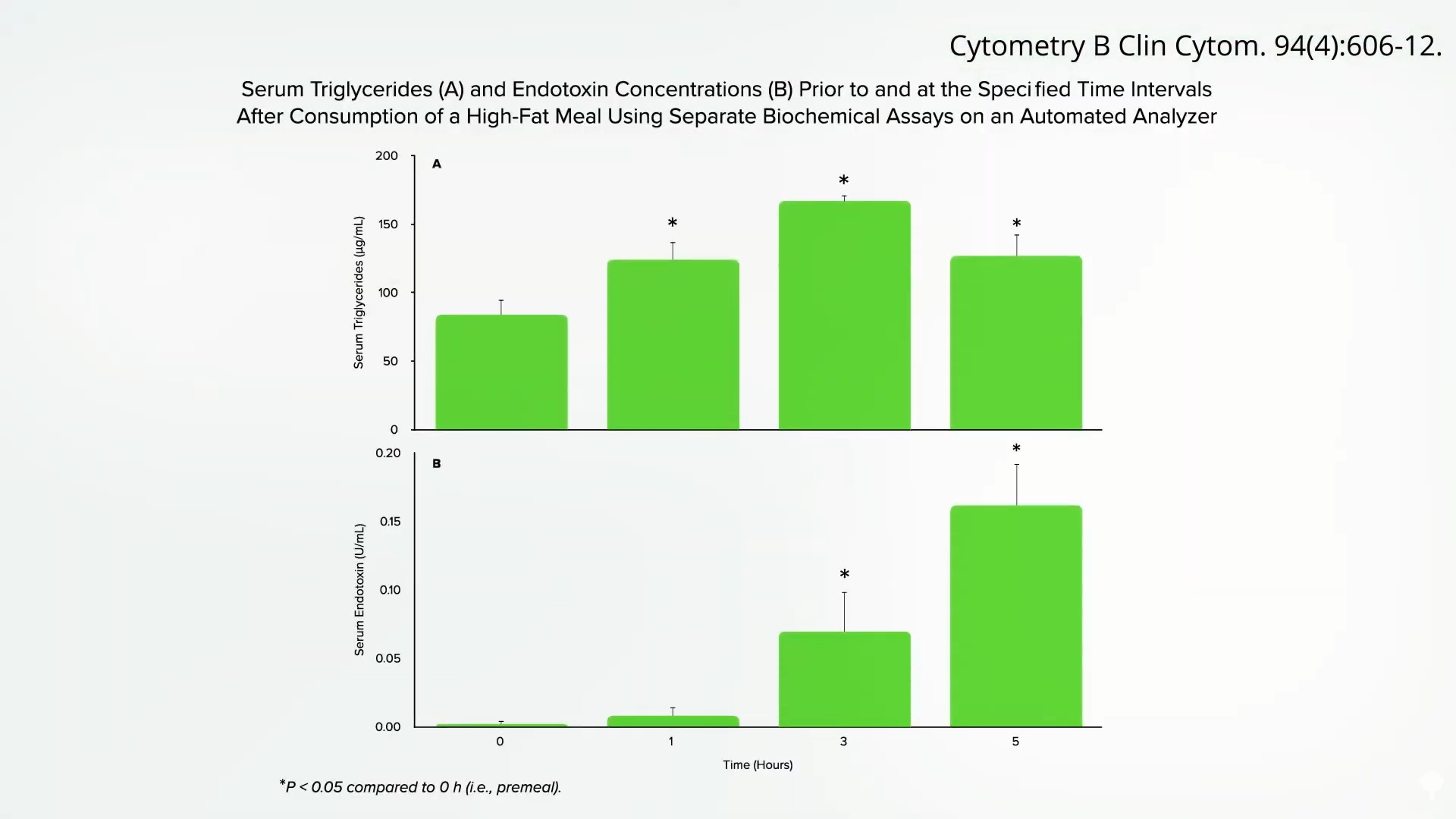
The inflammatory response post-meal isn’t solely driven by dietary fat itself; it can also be exacerbated by other factors. Research has identified a rise in endotoxin levels in the blood after high-fat meals. Endotoxins, specifically lipopolysaccharides (LPS), are components of the cell walls of certain bacteria. Foods like meat, both red and white, can be contaminated with bacteria – alive and dead – and their associated endotoxins. When these endotoxins are absorbed into the bloodstream from the gut, they can trigger a powerful inflammatory response, mimicking an infection. Visual data from studies has shown a clear increase in endotoxin levels following the consumption of various meat products.
However, recent research published in 2020 has begun to refine our understanding of the primary inflammatory trigger. While endotoxins undoubtedly contribute, evidence now suggests that the saturated fat itself, floating in the blood after an unhealthy meal, may be a more direct and potent inducer of inflammation. Saturated fats can directly activate certain immune receptors (like Toll-like receptor 4, or TLR4) on immune cells, leading to the rapid production of pro-inflammatory cytokines. This nuanced understanding emphasizes that while avoiding bacterial contamination is important, the inherent inflammatory properties of saturated fats are a significant concern. Regardless of the exact mechanism – whether through endotoxins, direct saturated fat action, or a combination – the conclusion remains consistent: high-fat meals trigger a rapid and widespread inflammatory response.
Official Responses and Dietary Guidelines
The scientific findings on the immediate and cumulative damage wrought by high-fat diets are not isolated academic curiosities; they form the basis for long-standing public health recommendations issued by major health organizations worldwide.
Global Health Consensus on Fat Intake
Organizations like the World Health Organization (WHO), the American Heart Association (AHA), and the U.S. Department of Agriculture (USDA) through its Dietary Guidelines for Americans, have consistently advised limiting the intake of saturated and trans fats. The consensus is clear: excessive consumption of these fats is directly linked to elevated LDL cholesterol levels, increased risk of cardiovascular disease, and systemic inflammation.
For instance, the AHA recommends that saturated fat should constitute no more than 5-6% of total daily calories for most adults, while the broader dietary guidelines suggest limiting it to less than 10%. These recommendations are not arbitrary; they are the result of decades of epidemiological, clinical, and mechanistic research, including the very type of immediate-impact studies discussed. The consistent message from these bodies underscores the severity of the threat posed by habitually high-fat diets.
Addressing Misconceptions: The "Butter is Back" Narrative
In recent years, there has been a resurgence of articles and social media trends proclaiming "butter is back" or suggesting that saturated fat has been unfairly demonized. These narratives often cherry-pick specific studies, misinterpret complex meta-analyses, or oversimplify the intricate relationship between diet and health. While some research has indeed nuanced our understanding of different types of saturated fats and the overall dietary context, it has not fundamentally overturned the established scientific consensus.
Experts widely caution against these misleading headlines. The overall pattern of evidence still overwhelmingly supports reducing saturated fat intake, particularly from animal products and processed foods, in favor of unsaturated fats (found in nuts, seeds, avocados, and olive oil) and a diet rich in whole, plant-based foods. Focusing on single nutrients in isolation, rather than the overall dietary pattern, often leads to flawed conclusions and detrimental health advice. The rapid inflammatory response documented after high-fat meals serves as a potent reminder that not all fats are created equal, and some have immediate, measurable adverse effects.
The Primacy of Dietary Patterns
Ultimately, official responses emphasize the importance of adopting a holistic dietary pattern rather than fixating on individual nutrients. A diet rich in fruits, vegetables, whole grains, legumes, and lean protein sources, with limited intake of saturated and trans fats, added sugars, and highly processed foods, is consistently recommended for optimal health. This approach naturally mitigates the risks associated with high-fat meals by promoting a diverse array of nutrients that support arterial function, reduce inflammation, and protect against oxidative stress.
Implications: Shaping a Healthier Future, Meal by Meal
The immediate, hour-by-hour impact of high-fat meals on our arteries and lungs carries profound implications for individual health and public well-being. This research shifts the paradigm from viewing diet solely as a long-term risk factor to recognizing its acute, dynamic influence on our physiology.
Individual Responsibility and Empowerment
The most direct implication is the reaffirmation of individual responsibility in shaping one’s health destiny. Every meal represents a choice, an opportunity to either nourish or inflict momentary damage upon our intricate biological systems. Understanding that a single high-fat meal can trigger a rapid inflammatory response and impair critical bodily functions empowers individuals to make more informed decisions. It transforms the abstract concept of "healthy eating" into a tangible, immediate consequence that can be felt and measured. This knowledge is particularly crucial in a world saturated with convenient, yet often high-fat, processed food options.
The Public Health Challenge
On a broader scale, these findings highlight a significant public health challenge. The prevalence of cardiovascular disease, asthma, and other chronic metabolic conditions is inextricably linked to widespread dietary patterns that include frequent consumption of high-fat meals. The continuous "hammering" of arteries and lungs, day after day, contributes to the epidemic proportions of these illnesses. Public health campaigns and educational initiatives must convey the urgency of these immediate effects, moving beyond generic advice to emphasize the acute biological responses triggered by diet.
Preventative Strategies: A Path Forward
The good news is that this understanding also points towards clear preventative strategies:
- Dietary Shifts: Prioritizing whole, unprocessed foods, abundant in plant-based sources like fruits, vegetables, whole grains, and legumes, naturally reduces the intake of harmful saturated fats. Opting for healthy unsaturated fats (e.g., from avocados, nuts, seeds, olive oil) in moderation can support cardiovascular health without triggering the same inflammatory responses.
- Mindful Eating: Cultivating an awareness of what one eats and the potential impact it has, not just on taste but on internal physiological processes, can foster healthier habits. This includes scrutinizing ingredients and understanding the fat content of common meals, particularly fast food and ultra-processed items.
- Synergistic Lifestyle Factors: While diet is a powerful lever, its effects are amplified by other lifestyle choices. Regular physical activity, for instance, can help mitigate some of the arterial damage and improve endothelial function. Stress management and adequate sleep also play crucial roles in reducing systemic inflammation. As suggested by the related research, specific foods and exercise can even offer protective effects against the acute impacts of less-than-ideal meals.
Long-Term Health: Cumulative Micro-Damage to Macro-Disease
Ultimately, the immediate effects of high-fat meals are not isolated incidents; they are cumulative micro-injuries that, over time, lead to macro-disease. The repeated cycles of inflammation, oxidative stress, and impaired arterial function gradually erode the body’s resilience, accelerating the aging process of our arteries and increasing susceptibility to chronic conditions. By making conscious dietary choices, meal by meal, individuals have the power to interrupt this cycle of damage, preserve their arterial youth, and significantly reduce their risk of developing life-threatening diseases. The journey to a healthier future begins with the next bite.