The Artisanal Rebellion: Why SJY is Redefining High-End Audio Through Mechanical Minimalism
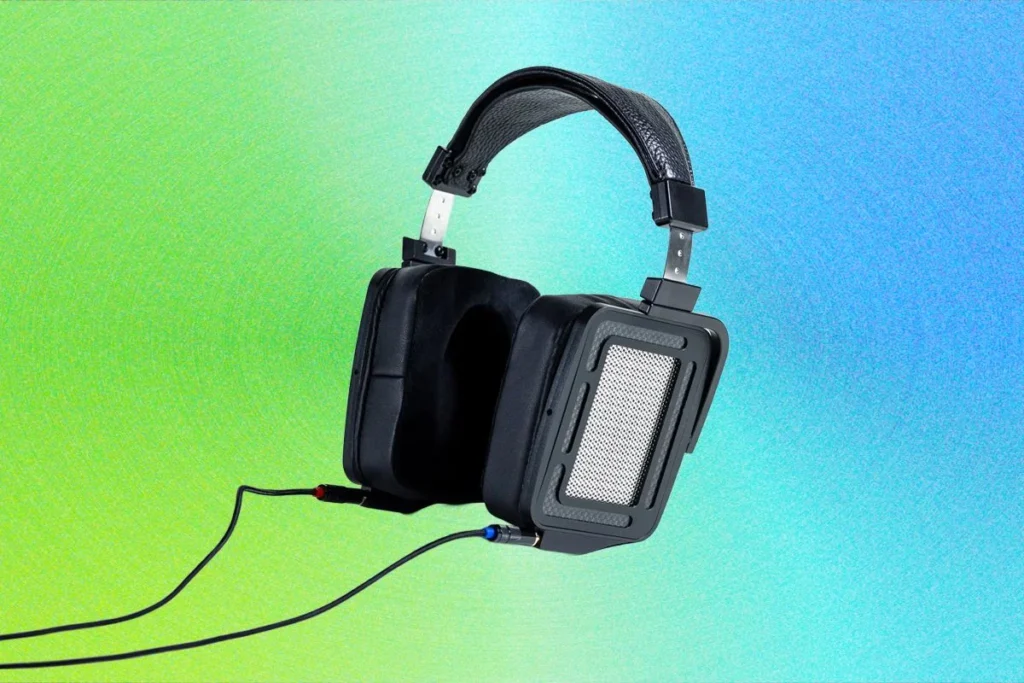
In an era where the personal audio market is dominated by mass-produced, noise-canceling plastic wonders and algorithmically tuned consumer electronics, a quiet revolution is taking place in a Houston workshop. SJY, a boutique audio company founded by Jeffrey Yin, represents the antithesis of the modern, homogenized headphone landscape. With their latest offerings, SJY is challenging the status quo, not just through superior sonic engineering, but by handing the keys of acoustic preference directly to the listener.
The hallmark of this approach is a deceptively simple design feature: flippable earpads. By physically reversing the orientation of the pads, users can fundamentally alter the headphone’s sound signature—a shift comparable to the difference between a martini that has been stirred versus one that has been shaken. It is a subtle, yet undeniably audible, departure from the standardized "Harman Curve" that governs most modern high-end audio gear.
The Anatomy of Purity: Design and Engineering
The impact of the SJY headphone’s sound is rooted in an ethos of "arch-minimalism." While industry giants focus on adding more features—spatial audio, AI-driven noise cancellation, and complex digital signal processing—Yin’s design philosophy strips the hardware down to its bare essentials.
The chassis is constructed from aluminum, with a diaphragm and driver assembly that measure in the low, single-digit millimeters. When viewed in profile, the entire body, including the integrated pad housing, is remarkably thin—roughly the thickness of a standard magazine. This pursuit of physical purity is intentional; by minimizing the number of components and ensuring that every piece is held rigidly in place, SJY aims to reduce unwanted resonance and achieve a level of clarity that is often lost in more complex, feature-heavy architectures.
Holding an SJY headphone is an experience that defies contemporary expectations. They lack the flimsy, plastic feel of common consumer-grade headphones. Instead, they evoke the tactile satisfaction of a high-end carbon steel pocketknife. This is not a fragile piece of technology meant to be discarded in two years; it is a tool built for longevity and intense, daily use.
Chronology: From Garage Startup to Audiophile Darling
The rise of SJY is a story of precocious technical ambition. The company was founded by Jeffrey Yin in 2020, literally the day after he turned 18. Operating out of Houston, Texas, Yin has maintained a tight control over production, personally overseeing the assembly of every unit.
- 2020: SJY is founded in Houston, marking the entry of a new, highly specialized player in the boutique headphone space.
- 2020–2023: The company establishes a niche following by releasing four distinct models, each refining the brand’s signature sound and structural integrity.
- 2024: The brand gains significant traction among "head-fi" enthusiasts who are weary of the homogenization of the high-end market.
- 2025–Present: With a fifth model currently in development, SJY continues to scale its operations while maintaining the hand-built, artisanal quality that defines its reputation.
Yin’s journey from a teenage enthusiast to a boutique manufacturer highlights the viability of small-batch audio production. By ignoring the trends of mass-market consumer electronics, SJY has successfully carved out a space where the listener’s relationship with the hardware is paramount.
Supporting Data: The Battle Against Homogenization
The modern high-end headphone market is in a peculiar state. While the broader audio market continues to shrink, the "pro-audiophile" segment is growing, albeit slowly. However, this growth has come at a cost: standardization.
Most major headphone manufacturers now calibrate their products to the "Harman Curve"—a set of frequency response targets developed through extensive, blind-listening research. While the Harman Curve is scientifically robust, critics argue that it has led to a "sameness" in sound. If every flagship headphone is tuned to the same target, the unique character of individual drivers and acoustic designs is effectively neutralized.
SJY does not reject the Harman Curve, but it does not treat it as a religious text. Instead, Yin offers a "curve-killer" alternative. The design of the earpads is the linchpin of this strategy. Because the headphones are tuned to be highly responsive to physical changes in the ear-to-driver relationship, the listener can switch between a more expansive, analytical soundstage and a warmer, more intimate presentation simply by flipping the pads.

Technical Specifications at a Glance
- Weight: 570 grams (including cable).
- Build Material: Aircraft-grade aluminum chassis.
- Acoustic Philosophy: Minimalist, rigid architecture to prevent resonance.
- Customization: Dual-signature tuning via reversible earpads.
- Origin: Hand-assembled in Houston, Texas.
At 570 grams, these headphones are substantial—nearly 40 percent heavier than the popular Apple AirPods Max. While this weight might initially seem daunting, the ergonomics are designed to accommodate long, hours-long listening sessions. The weight is a testament to the materials used; there is no plastic fatigue or fear of breakage here.
Official Perspectives: The Philosophy of the Maker
In interviews and brand communications, Jeffrey Yin has consistently emphasized that his headphones are not for the casual consumer who wants "just another pair." The target audience is the serious listener—the individual who keeps a library of 24-bit Hi-Res FLAC files on their desktop and treats music as a primary activity rather than background noise.
"The goal," as suggested by the performance of the latest SJY models, is to make old songs sound new again. By providing a sound signature that is both detailed and inherently customizable, the headphones force the listener to engage with the music on a deeper level.
When asked about the future of the brand, Yin’s focus remains on the "fifth model," an indication that the company is not interested in diversification for the sake of revenue, but rather in the iterative perfection of the headphone form factor. The company’s growth is measured, organic, and driven by a loyal base of customers who appreciate the absence of corporate branding and the presence of genuine craftsmanship.
Implications for the Future of Audio
The success of SJY signals a shift in the high-end audio market. It suggests that consumers are beginning to experience "feature fatigue." After years of being sold on active noise cancellation, Bluetooth codecs, and integrated voice assistants, a segment of the market is returning to the fundamentals: how the air moves against the eardrum and how that movement is shaped by superior materials and engineering.
The Return of the Wired Enthusiast
The "renaissance" of wired, high-end headphones is not just a trend; it is a rejection of planned obsolescence. An SJY headphone, with its simple, rigid design, is built to last decades. This creates a compelling value proposition that stands in stark contrast to the short, three-to-five-year lifespan of most Bluetooth-enabled headsets.
A Challenge to Industry Giants
While companies like Apple, Sony, and Sennheiser will continue to own the mass market, the existence of brands like SJY provides a necessary check on the industry. By proving that a tiny, independent outfit in Houston can produce sound that challenges or exceeds the performance of multi-billion-dollar conglomerates, Yin is forcing the industry to acknowledge that there is still room for the individual maker.
Conclusion: The Final Verdict
For those who have spent years navigating the landscape of high-end audio, the SJY experience is a revelation. It is not merely about the specifications or the weight of the aluminum chassis; it is about the invitation to participate in the listening process.
When you flip the earpads, you aren’t just changing a setting—you are engaging in an act of manual adjustment that links you to the hardware. In a world of black-box technology that keeps its inner workings hidden behind software updates and proprietary apps, the transparency of the SJY design is its greatest feature. It is a rare, refreshing example of a product that respects the intelligence of the user, providing a tool that is as intellectually stimulating as it is sonically perfect.
As the industry continues to move toward more complex, digital, and cloud-dependent audio experiences, SJY stands as a bastion of the analog, the tangible, and the essential. For the listener, it may well be the closest thing to a perfect pair of headphones available today.