Global Leadership Transition: IFT Appoints Dr. Gunnar Sigge as President and Dr. Jeffrey Varcoe as President-Elect
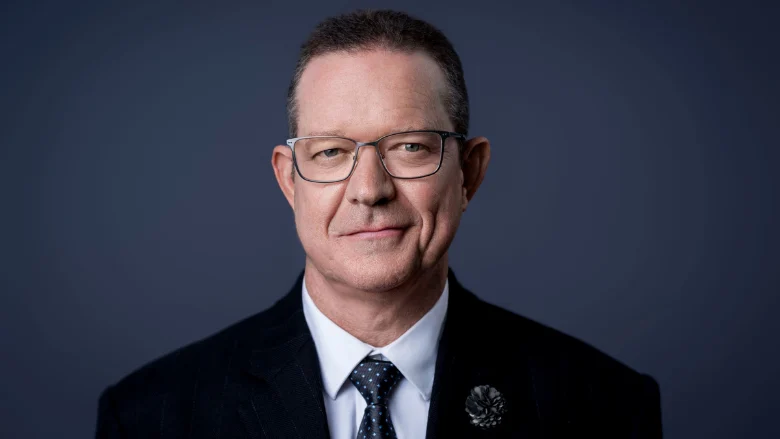
The Institute of Food Technologists (IFT), a preeminent global organization dedicated to the advancement of food science and technology, has officially inaugurated a new leadership chapter. Dr. Gunnar Sigge, a distinguished academic and researcher from Stellenbosch University in South Africa, has assumed the role of IFT President, succeeding Dr. Peggy Poole. Simultaneously, the organization has named Dr. Jeffrey Varcoe, a veteran of the food manufacturing industry, as its President-Elect.
This transition comes at a pivotal moment for the global food system, as the industry grapples with the dual pressures of climate change, supply chain volatility, and the increasing demand for sustainable, nutritious, and safe food production.
A Global Vision for Food Science
Dr. Gunnar Sigge steps into the presidency with a mandate to bridge geographical and disciplinary divides. As the Head of the Department of Food Science at Stellenbosch University, Dr. Sigge brings decades of academic rigor and a deep-seated commitment to international collaboration.
In his inaugural remarks, Dr. Sigge emphasized that the primary challenge for modern food science is not merely the production of food, but the integration of disparate scientific disciplines to solve systemic issues. "Considering the myriad complex and interconnected challenges facing the global food system," Dr. Sigge stated, "my priorities will center on connecting food science professionals globally, fostering the open exchange of knowledge and resources, and ensuring that scientific expertise remains the bedrock of discussions regarding the future of food."
His vision reflects a broader trend in the food industry toward "systems thinking"—an approach that recognizes the interdependence of water security, food safety, and agricultural sustainability.
Chronology of Service and Expertise
Dr. Sigge’s ascent to the presidency is the culmination of years of dedicated volunteerism and institutional stewardship within the IFT. His path to leadership includes:
- 2021–2024: Served as a member of the IFT Board of Directors, where he helped shape the organization’s strategic initiatives.
- Committee Contributions: He has been an active participant in the Annual Meeting Scientific Program Advisory Panel, the Divisions Champions Team, the Inclusive Systems Review Task Team, and the International Division leadership team.
- Industry Engagement: Since 1997, Dr. Sigge has been a cornerstone of the South African Association for Food Science and Technology. His collaborative footprint extends to the International Water Association, the Institute of Packaging South Africa, the Water Institute of South Africa, and the South African Society for Dairy Technology.
His academic journey is equally illustrative of his commitment to the field. Having earned his bachelor’s, master’s, and doctoral degrees in food science from Stellenbosch University, he has served as the Chair of the Department of Food Science at the same institution since 2009. His tenure there saw the establishment of a Master’s program in Food and Nutrition Security—a testament to his focus on the intersection of food policy and public health.
Supporting Data: Research and Academic Focus
The incoming president’s research profile provides a roadmap for his potential focus areas during his one-year term. Dr. Sigge’s work is deeply rooted in the "nexus" approach—specifically the relationship between food processing and environmental resource management.
Key areas of his research include:
- Sustainable Water Use: Developing innovative strategies to reduce the water footprint of food processing facilities.
- Wastewater Treatment: Engineering systems to manage industrial effluent, a critical factor in environmental stewardship for food manufacturers.
- Novel Disinfection: Investigating advanced methods for the disinfection of irrigation water to mitigate microbial risks before produce reaches the processing plant.
- Food Security: Leveraging academic frameworks to ensure that technical food safety standards are accessible and applicable in developing regions.
Official Responses and Strategic Outlook
The appointment of Dr. Sigge has been met with significant enthusiasm from the IFT’s leadership. Christie Tarantino-Dean, CEO of the Institute of Food Technologists, noted that Dr. Sigge’s unique background offers the organization a necessary breadth of vision.
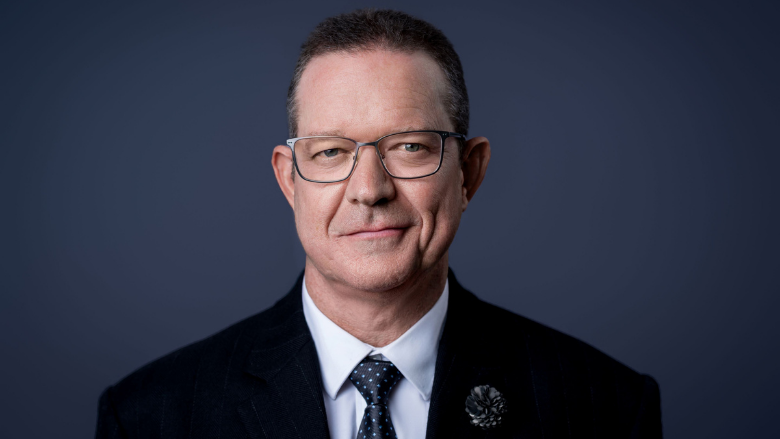
"Dr. Sigge brings a truly global perspective, deep scientific expertise, and a nuanced understanding of the opportunities and hurdles currently facing the IFT and the broader food science community," said Tarantino-Dean. "His ability to synthesize academic research with practical, field-based solutions makes him an ideal leader for this moment in our history."
The Incoming President-Elect: A Strategic Industry Perspective
While Dr. Sigge focuses on global connectivity, the appointment of Dr. Jeffrey Varcoe as President-Elect provides a crucial counterweight of industry experience. Currently the Senior Vice President of Science and Technical Excellence at The J.M. Smucker Company, Dr. Varcoe is slated to begin his term as IFT President on September 1, 2027.
Dr. Varcoe’s career is defined by over 25 years of hands-on experience in food manufacturing, food safety, and quality assurance. His transition from the boardroom to the helm of a professional scientific organization highlights the IFT’s commitment to bridging the gap between theoretical science and commercial implementation.
Professional Highlights of Dr. Jeffrey Varcoe:
- Technical Leadership: Prior to his role at J.M. Smucker, Dr. Varcoe spent over two decades at Schwan’s Company, holding pivotal roles ranging from Director of Food Safety and Microbiology to Vice President of Manufacturing Technical Services.
- Academic and Regulatory Engagement: He has served on the advisory committees for the American Frozen Food Institute and the University of Minnesota’s Department of Food Science and Nutrition, as well as the Mitchell Hamline School of Law’s Food Law and Policy Institute.
- Educational Background: Dr. Varcoe holds a Ph.D. in Food Science from the University of Minnesota, following undergraduate and master’s degrees in biology.
"Serving as President-Elect is an opportunity to contribute the lessons learned from over two decades of food manufacturing to the future direction of IFT," Dr. Varcoe remarked. His appointment suggests a future focus for the IFT on technical excellence and the translation of complex science into scalable, industrial applications.
Implications for the Future of Food Science
The dual leadership of Dr. Sigge and Dr. Varcoe signifies a strategic alignment of academic foresight and industrial reality. As the global population continues to climb toward 10 billion, the challenges of feeding the world in a changing climate are becoming increasingly acute.
1. Global Integration
Under Dr. Sigge, the IFT is expected to further emphasize the international nature of food science. By connecting experts in the Global South with their counterparts in North America and Europe, the IFT aims to create a more resilient, cross-border knowledge network. This is particularly vital as climate patterns disrupt traditional agricultural zones, necessitating the rapid sharing of "climate-smart" processing techniques.
2. Sustainability as a Core Metric
Both leaders have backgrounds that prioritize sustainability. Dr. Sigge’s work in water security and Dr. Varcoe’s extensive experience in food manufacturing excellence suggest that the IFT will likely place a heightened focus on the "sustainability of processing." This involves not just the reduction of waste, but the optimization of energy use, the circularity of water, and the life-cycle assessment of food products.
3. Food Safety in a Digital Age
The inclusion of modern tools, such as the IFT’s "Ask FSM" AI-driven search tool, points to the organization’s drive to modernize how information is disseminated. As food safety risks evolve—from novel pathogens to chemical contaminants in supply chains—the leadership transition signals a commitment to providing practitioners with real-time, evidence-based data.
4. Bridging the Gap Between Policy and Practice
With Dr. Varcoe’s background in food law and policy advisory, the IFT is positioning itself to be a more effective voice in the regulatory sphere. As governments globally enact stricter food safety and labeling requirements, the IFT’s ability to provide objective, science-based counsel to lawmakers will be paramount.
Conclusion
The elevation of Dr. Gunnar Sigge to the IFT presidency, paired with the appointment of Dr. Jeffrey Varcoe as President-Elect, marks a significant shift toward a more holistic, globally integrated approach to food science. By leveraging the academic depth of Dr. Sigge and the industrial pragmatism of Dr. Varcoe, the Institute of Food Technologists is well-equipped to guide the industry through the complexities of the next decade. As these leaders take the reins, the focus remains clear: leveraging science to ensure that the food systems of tomorrow are safer, more sustainable, and more equitable for all.