The Science of the Perfect Gluten-Free Banana Muffin: A Culinary Breakthrough
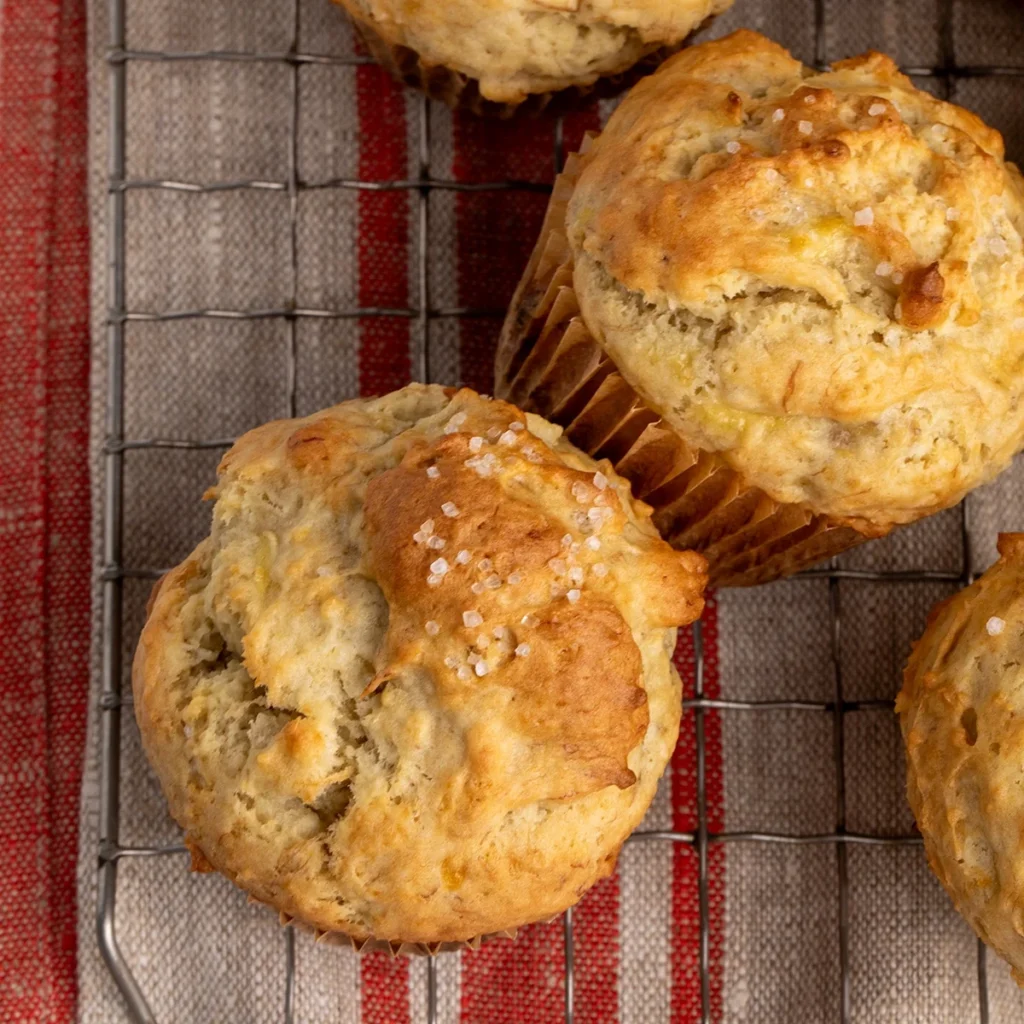
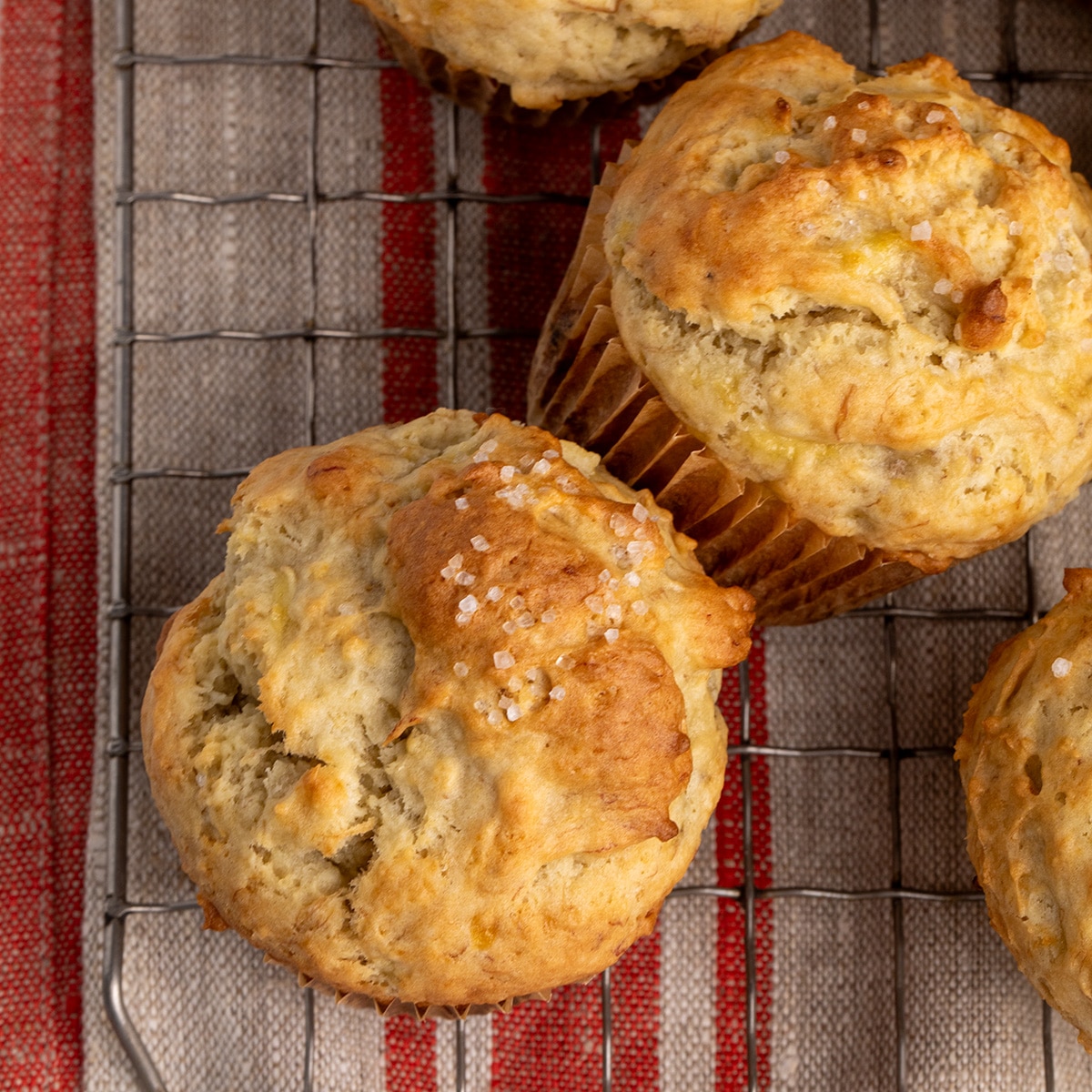
For many living with celiac disease or gluten sensitivity, the search for the "perfect" muffin—one that boasts a towering, golden-brown dome, a moist crumb, and a flavor profile that rivals traditional wheat-based bakery staples—has often felt like a pursuit of the impossible. Gluten-free baking has long been associated with the unfortunate trade-offs of gritty textures, gummy centers, or, conversely, crumbling, dry structures. However, a new culinary approach to the classic banana muffin is challenging these perceptions, proving that with precise technique and the right ingredient ratios, gluten-free baking can achieve professional-grade results.
Main Facts: Redefining the Gluten-Free Standard
At the heart of this development is a recipe that utilizes a generous 1 ¾ cups of mashed ripe bananas. While traditional recipes often struggle to incorporate high volumes of fruit without collapsing the structure of the batter, this method employs a specific sequence of operations to maintain integrity.
The secret lies in the timing of the ingredient incorporation. By adding the mashed bananas as the final step in the mixing process—rather than blending them into the wet ingredients prematurely—the baker prevents the fruit from releasing excess moisture too early. This strategic delay is the primary reason the crumb remains light and tender rather than turning into the dense, gummy mass often found in less refined gluten-free attempts. Furthermore, the combination of melted butter and oil provides a dual-action fat profile: butter for flavor and a luxurious mouthfeel, and oil for sustained moisture that keeps the muffins fresh for days.
Chronology: The Evolution of the Recipe
The development of these muffins follows a distinct, scientifically backed process designed to maximize the "oven spring"—the rapid rise of the batter during the first few minutes of baking.
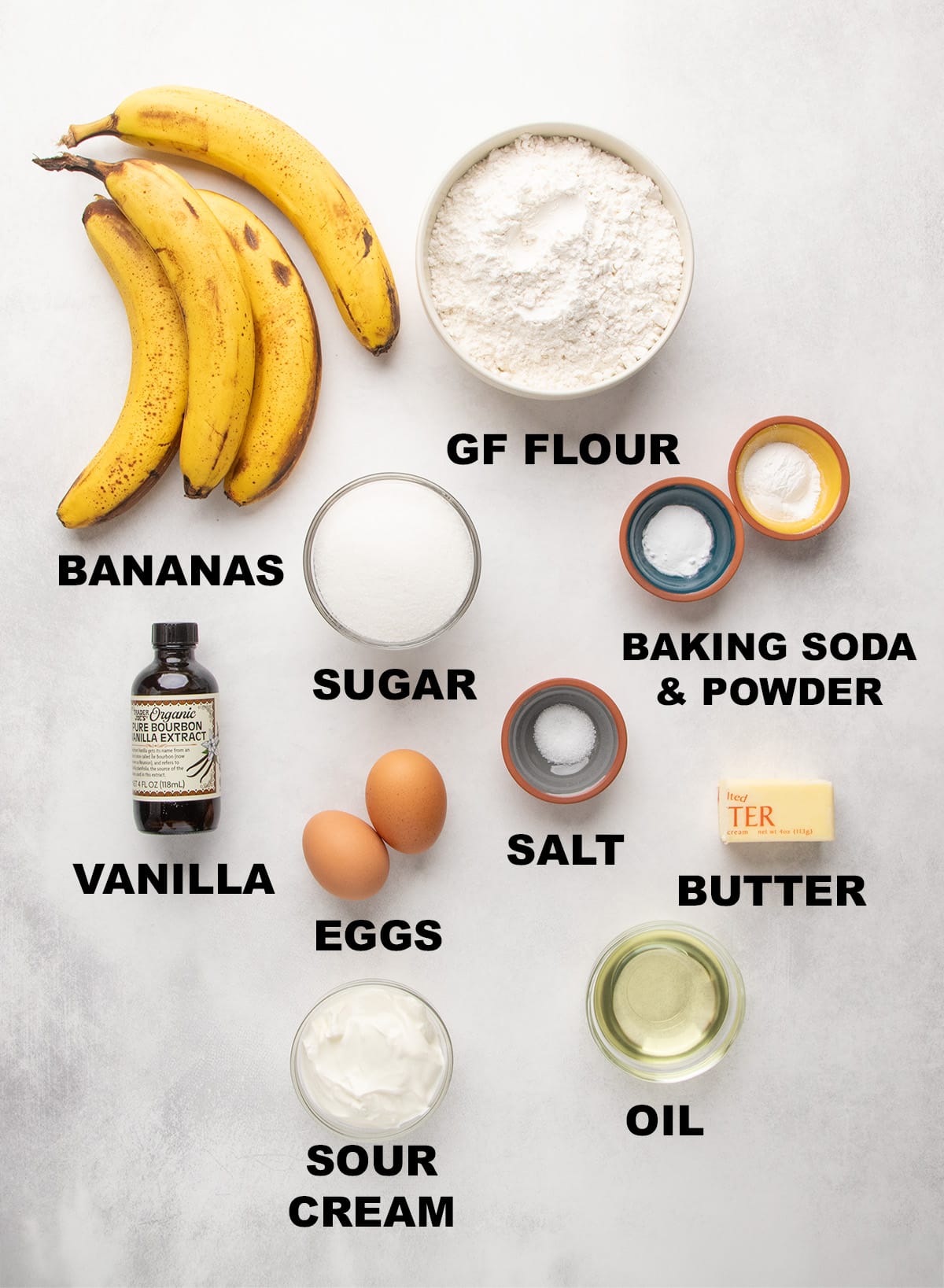
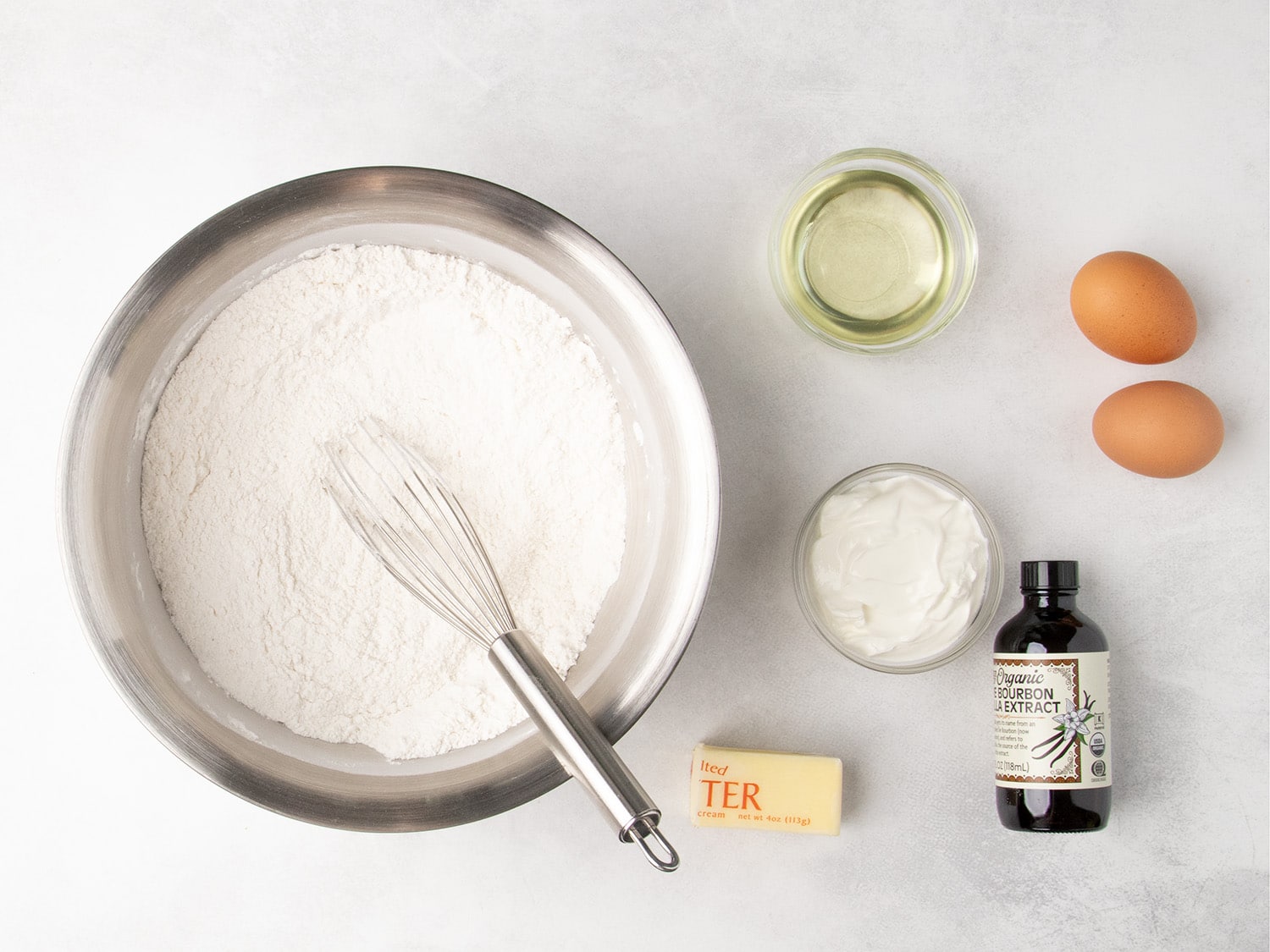
- Preparation of the Dry Base: The process begins by whisking the gluten-free flour blend, leavening agents (baking powder and soda), salt, and sugar. This ensures an even distribution of leavening, preventing the dreaded "clumps" that can lead to uneven baking.
- The Wet Emulsion: Instead of creating a separate bowl for wet ingredients, the recipe calls for creating a "well" in the dry mixture. Melted butter, oil, eggs, sour cream, and vanilla are introduced here. Mixing in situ simplifies the workflow while ensuring the flour is hydrated incrementally.
- The Gentle Fold: The mashed bananas are introduced at the very end. The use of a spatula to gently fold the fruit into the thick batter is the critical turning point. If overmixed at this stage, the fruit releases too much liquid, undermining the structural stability of the gluten-free flour.
- High-Heat Initiation: The baking process is split into two phases. The initial blast of heat at 425°F is a culinary technique borrowed from professional artisanal bread making. It forces the baking powder to react instantly, setting the dome of the muffin before the center has a chance to flatten.
- The Tempering Phase: After five minutes, the oven temperature is reduced to 350°F. This allows the heat to penetrate the center of the muffins slowly, ensuring they are fully cooked through without the risk of burning the exterior.
Supporting Data: Ingredients and Nutritional Composition
Achieving this result requires a nuanced understanding of gluten-free flour chemistry. According to experts in the field, not all flour blends are created equal. The recommendation is to utilize blends that mimic the protein-to-starch ratio of wheat flour. For those using blends without pre-added binders, the addition of xanthan gum is non-negotiable; it acts as the "glue" that replaces the structural properties of gluten.
Nutritional Snapshot (Per Muffin):
- Calories: 234 kcal
- Carbohydrates: 37g
- Fat: 8g
- Protein: 2g
- Sugar: 16g
- Sodium: 190mg
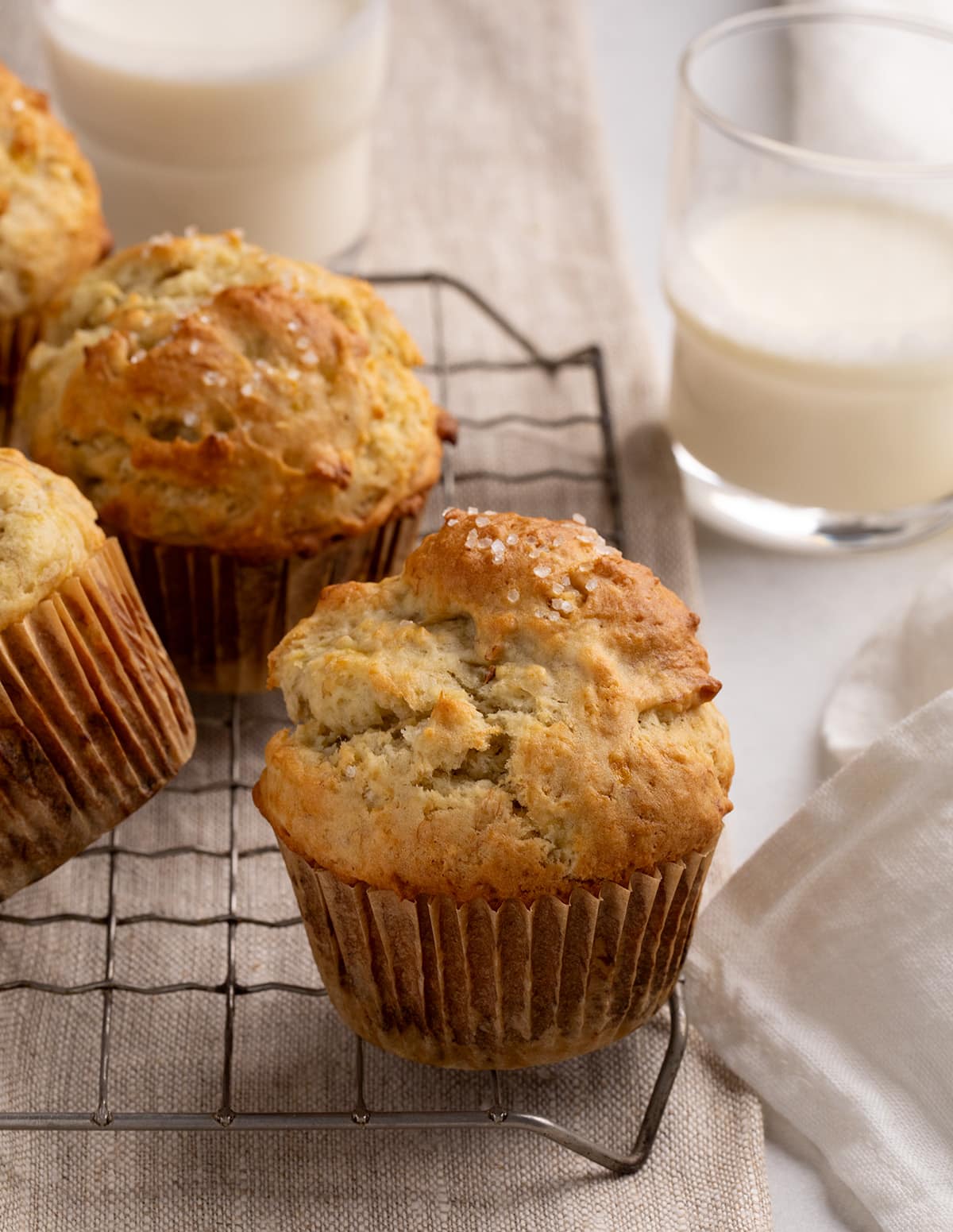
This data confirms that the recipe provides a balanced treat. The relatively low protein content is typical for quick breads, but the use of sour cream adds a level of acidity that helps the baking soda activate, contributing to the lift and the soft, fluffy texture that defines a high-quality muffin.
Expert Perspectives: Troubleshooting and Refinements
Industry experts and culinary developers emphasize that consistency is key. A common point of contention in gluten-free baking is the "sunken center." This phenomenon, often observed by home bakers, is almost exclusively attributed to underbaking.
"The muffins may appear golden and finished on the outside," one expert notes, "but the interior structure of gluten-free starches requires a longer set time than wheat flour." Consequently, the use of an oven thermometer is highly recommended. Because home ovens can fluctuate significantly from their displayed settings, ensuring an accurate 350°F environment during the second phase of baking is essential for structural integrity.
Furthermore, the "every other well" technique—where the baker skips muffin cups in the tin—is not merely a tip for organization. By creating extra space, the heat circulation around each individual muffin is maximized, ensuring that the sides bake as thoroughly as the tops. This prevents the muffins from steaming in their own heat, which can lead to a rubbery or chewy outer texture.
Implications for the Home Baker
The successful execution of this recipe has broader implications for the future of gluten-free home cooking. It dispels the myth that gluten-free baking must be a compromised experience. By focusing on specific physical techniques—such as the high-heat start and the delayed addition of fruit—bakers can achieve a standard of quality that satisfies even those who do not adhere to a gluten-free diet.
Dietary Flexibility
The recipe is also designed with inclusivity in mind:
- Dairy-Free Adaptations: The use of virgin coconut oil serves as a viable substitute for butter, while strained dairy-free yogurt can replicate the acidity and fat content of traditional sour cream.
- Egg-Free Alternatives: The structure is resilient enough to support the use of "chia eggs" or commercially available vegan egg replacers, provided the baker allows the binding agent sufficient time to gel before incorporation.
- Storage and Longevity: The ability to store these muffins at room temperature for up to five days, or freeze them for two months, underscores the stability of the recipe. The "refresh" method—briefly moistening and warming in a toaster oven—restores the muffins to a near-fresh state, offering a level of convenience that has long been missing in the gluten-free category.
In conclusion, the rise of such recipes signals a maturing market for gluten-free goods. By treating gluten-free baking as a science of ratios and thermal management rather than just a series of ingredient swaps, the standard for what constitutes a "good" muffin has been permanently elevated. Whether one is baking for dietary necessity or simply to enjoy a superior pastry, the principles laid out here provide a roadmap for consistent, bakery-quality success in the home kitchen.