The Modern Floor Guardian: A Comprehensive Guide to the Best Robot Vacuums of 2026
The humble robot vacuum has evolved from a clumsy, disc-shaped novelty into a sophisticated home-management system. No longer just "bumping around" blindly, today’s devices function as fully autonomous floor-care units, capable of scrubbing stubborn stains, navigating complex multi-story layouts, and even identifying high-traffic dirt zones. For many, these machines are more than just appliances—they are essential tools for maintaining a semblance of order in a busy household.
Whether you are a pet owner battling an endless supply of dander and litter, or a busy parent looking to reclaim an hour of your day, the right robot vacuum can be a transformative investment. However, the market is currently at a critical crossroads. With recent shifts in federal regulations and a rapid influx of AI-integrated hardware, choosing the right model has never been more important—or more complicated.
Main Facts: The Evolution of Autonomous Cleaning
Today’s flagship robot vacuums represent the intersection of robotics, computer vision, and chemical-free deep cleaning. Modern units now feature advanced obstacle avoidance—using Lidar and RGB cameras to steer clear of power cords, socks, and furniture—and sophisticated mopping systems that utilize rotating, self-cleaning pads.
The primary benefit is consistency. While a manual vacuuming session might happen once a week, a robot can maintain a baseline level of cleanliness every single day. For households with pets, this means the difference between a home coated in fur and a home that feels perpetually fresh.
Chronology: The Rise and Regulation of Robotic Home Helpers
The trajectory of the robot vacuum industry has been one of exponential growth followed by a sudden regulatory pivot.
- Early 2000s: The "Roomba" era begins, introducing the basic concept of random-path automated vacuuming.
- 2020–2024: The "Golden Age" of intelligence, where Lidar, AI-stain detection, and self-emptying docks became standard for mid-to-high-tier units.
- July 2026: The Federal Communications Commission (FCC) fundamentally alters the landscape by placing several foreign-produced robotic devices on the "Covered List." This list identifies communications equipment posing national security risks.
- Late 2026 and Beyond: A forecasted contraction in the variety of available imported models, likely leading to a market dominated by domestic manufacturers or those with verified secure supply chains.
Supporting Data: Testing the Top Contenders
To evaluate these machines, we tested them in a three-story town house featuring diverse flooring, including luxury vinyl plank (LVP), tile, and low-pile rugs. Our testing methodology focused on three key areas: edge-cleaning proficiency (via a "Cheerio test"), stain-scrubbing capability (using cherry juice), and navigational reliability.

The Best Overall: Shark PowerDetect UV Reveal
The Shark PowerDetect UV Reveal currently sits at the top of our list. Its integration of UV light detection—which illuminates invisible spills for the AI to target—is a game-changer.
- Performance: It successfully navigated complex layouts and cleared two out of three "corner challenge" debris sites.
- Pros: Bagless auto-empty system, impressive scrub-work, and robust obstacle avoidance.
- Cons: Limited to a single-map configuration, meaning multi-floor homes require the user to relocate the base station or remap.
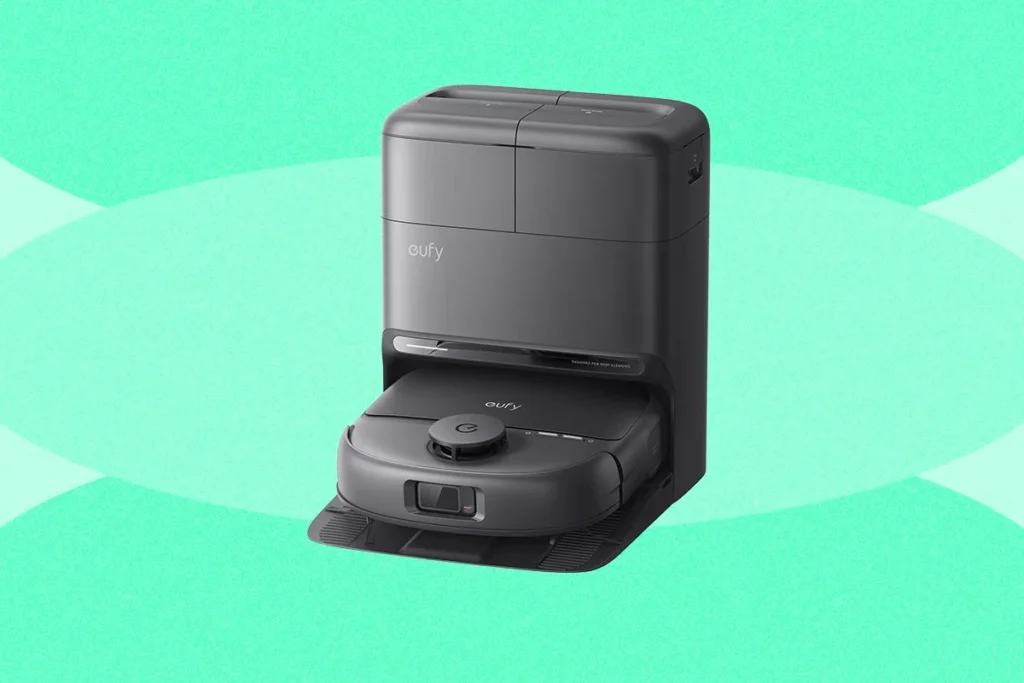
The Best Budget Choice: Eufy Omni C28
For those seeking a high-performance experience without the $1,000+ price tag, the Eufy Omni C28 is a standout.
- Performance: While it possesses a shorter battery life (leaving it at 37% after a four-room cycle), it supports multi-floor mapping and features an excellent self-cleaning roller mop.
- Value: It frequently retails for around $500, offering a professional-grade clean for a fraction of the cost of its competitors.
Honorable Mentions
- 3i G10+ ($250): Unbeatable for those who want powerful suction and effective mopping on a shoestring budget.
- Dreame X50 Ultra ($900): The king of AI-driven dirt identification; it actually suggests to the user which high-traffic areas need more frequent cleaning.
- Matic Robot Vacuum ($1,245): The only model to receive a 10/10 rating in our testing, thanks to its 3D mapping and whisper-quiet operation.
Official Responses: The FCC Security Mandate
The most pressing development for consumers is the FCC’s recent move to restrict certain foreign-made robotic devices. The National Security Determination, an interagency body within the White House, has flagged these devices due to concerns that their sensor arrays—which map the intimate details of a user’s home—could be remotely commandeered or used for surveillance by "malign actors."
While the FCC’s ruling does not make it illegal to own or continue using your existing robot vacuum, it effectively halts the influx of new, unvetted models into the U.S. market. Manufacturers based outside the US will now face stringent hurdles to gain FCC approval, which will likely result in a significant decrease in available options and a corresponding rise in prices for models that remain on store shelves.
Implications for the Consumer
What does this mean for you? If you are currently in the market for a new robot vacuum, there is a clear strategic advantage to purchasing sooner rather than later.
1. Market Scarcity
As supply lines for foreign-made models are throttled by the new regulatory framework, popular brands like Roborock, Eufy, and Dreame may become increasingly difficult to source. We anticipate that inventory for these models will thin out significantly by the end of the year.

2. The Shift to Privacy-First Robotics
The security concerns highlight a growing need for "privacy-first" hardware. Consumers should prioritize devices that offer local-only data processing—meaning your home’s map data stays on the device and is not uploaded to a cloud server.
3. Maintenance and Longevity
Regardless of which brand you choose, the lifespan of a robot vacuum depends on your willingness to maintain it.
- Weekly: Empty the dustbin (unless you have a self-emptying base) and clear hair from the primary brush roll.
- Monthly: Wipe down the sensors. A dusty sensor is the leading cause of "stuck" or "lost" robot errors.
- Quarterly: Replace HEPA filters and side brushes to ensure optimal suction and edge-cleaning performance.
Final Verdict
The era of the "dumb" vacuum is over. The robots of 2026 are highly capable, data-rich, and deeply integrated into our home environments. While the recent FCC ruling introduces a layer of complexity regarding supply and national security, the fundamental utility of these devices remains unchanged.
For the majority of users, the Shark PowerDetect UV Reveal remains the most balanced option, offering a high-tech clean that justifies its price. However, if your budget is the priority, the Eufy Omni C28 provides a robust, capable alternative that punches well above its weight class.
As you navigate the changing landscape of home robotics, remember: while these machines are designed to be autonomous, they are still tools. They require periodic maintenance, a clean floor environment, and a thoughtful approach to data privacy. By selecting a high-quality model today and keeping it properly maintained, you can ensure your home stays cleaner for years to come.
Note: As with all technology, the market is subject to rapid change. We recommend that potential buyers verify the current firmware and privacy policies of any model they purchase to ensure their home-mapping data remains secure.