The Art of the Indulgent Classic: Mastering Gluten-Free Millionaire’s Shortbread
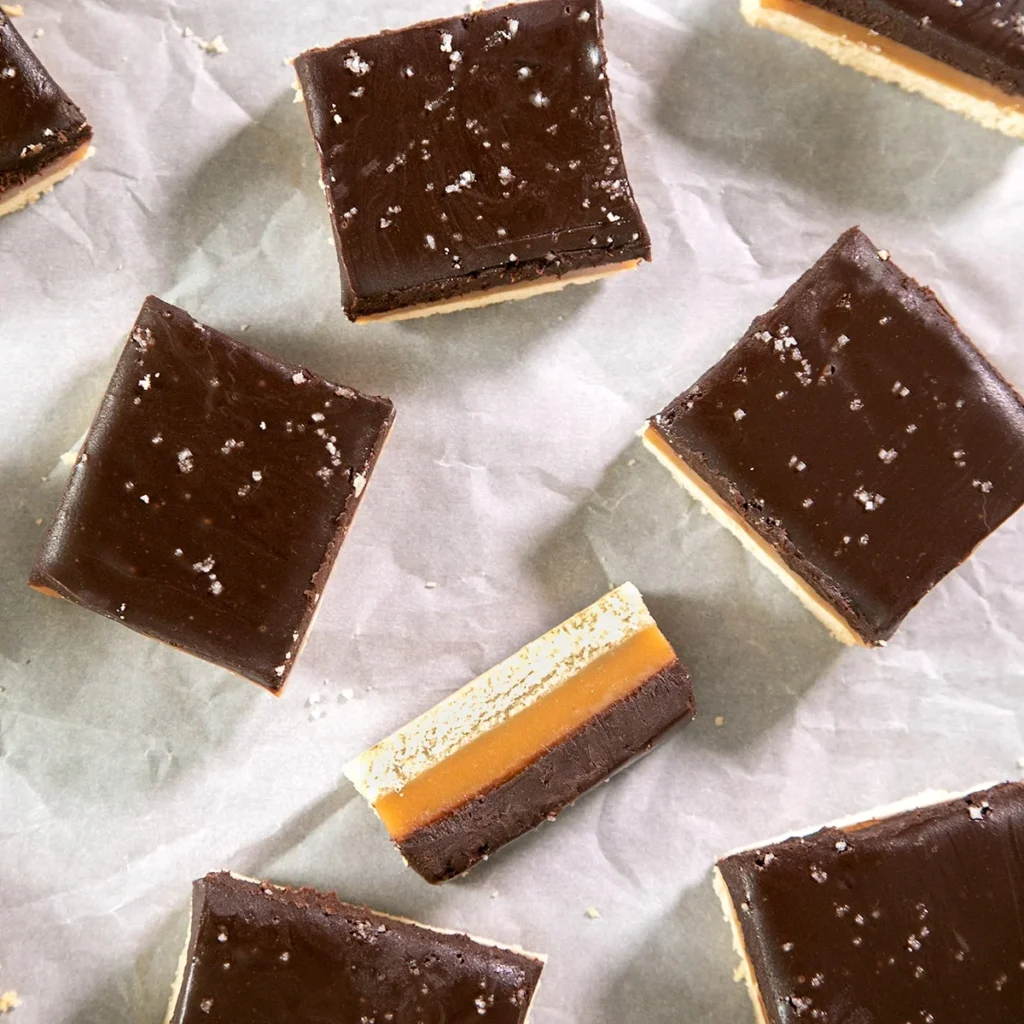
In the world of high-end confectionery, few treats command the respect—or the cravings—of the classic Millionaire’s Shortbread. With its trifecta of buttery, crumbly biscuit base, velvety golden caramel, and a crisp, glossy chocolate ganache topping, it is the ultimate expression of dessert luxury. For those navigating a gluten-free lifestyle, however, this bakery-standard indulgence has historically been difficult to replicate without sacrificing the delicate textural interplay that makes the dish iconic.
Nicole Hunn, the culinary expert behind Gluten Free on a Shoestring, has recently unveiled a refined method for producing these sophisticated bars at home. Her approach bridges the gap between artisanal complexity and home-kitchen accessibility, proving that gluten-free baking does not have to be synonymous with compromise.
The Anatomy of the Perfect Bar: Main Facts
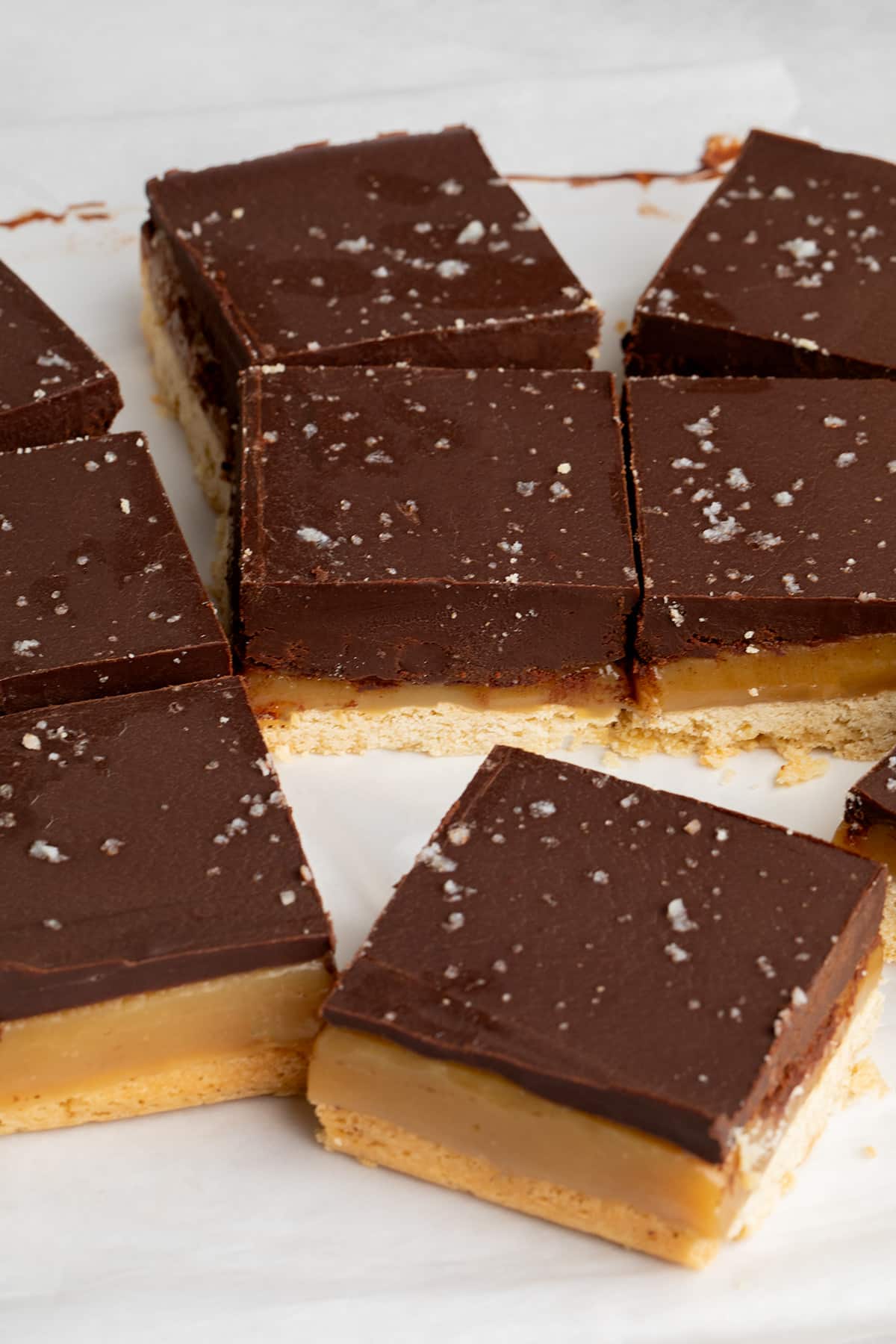
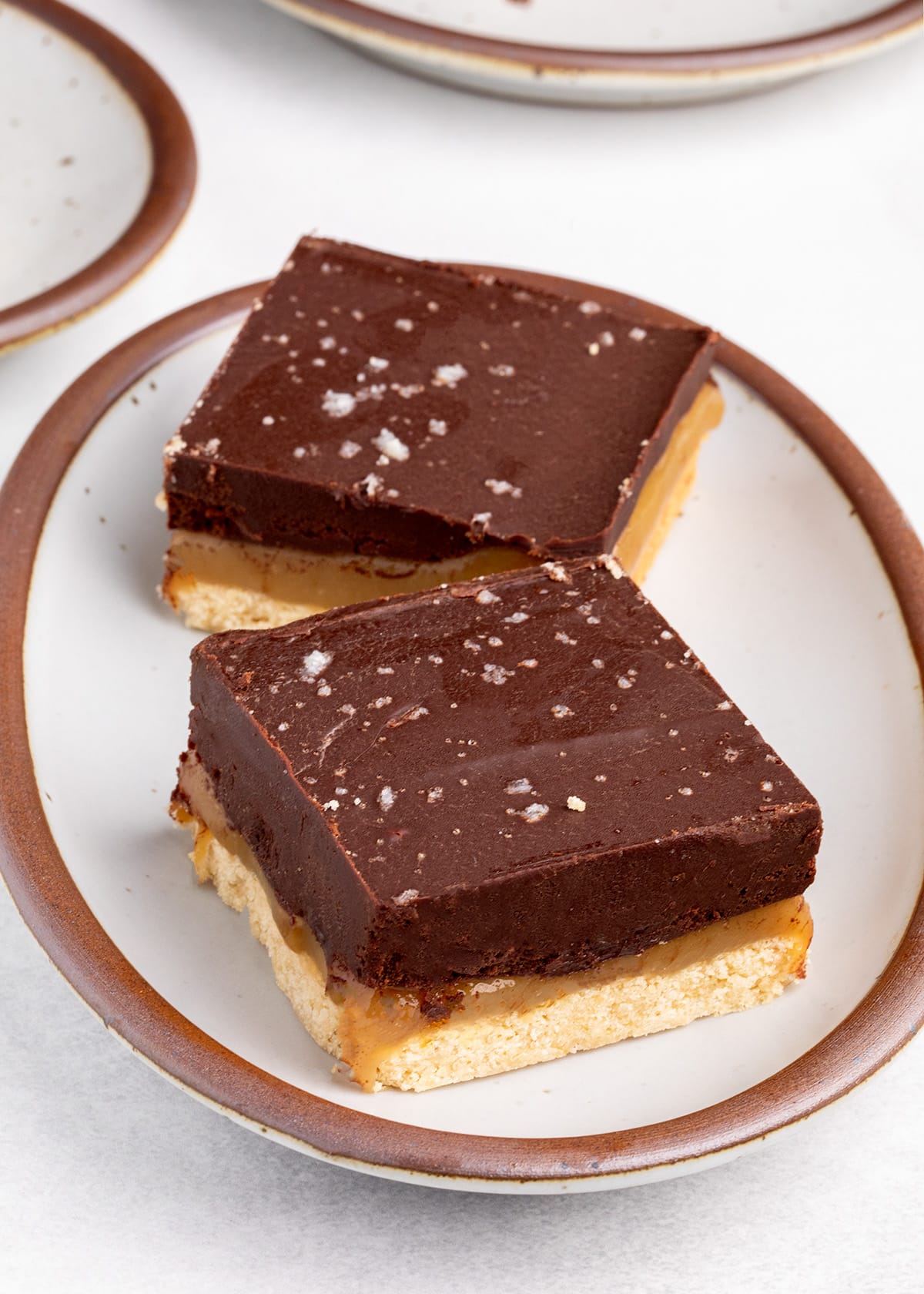
The Millionaire’s Shortbread is defined by its three distinct, contrasting layers. The foundation is a tender brown sugar shortbread, which provides the structural integrity for the entire piece. Sitting atop this is a rich, chewy caramel layer, followed by a final cap of smooth, tempered-style chocolate ganache.

The primary challenge in gluten-free baking is achieving the "snap" of a traditional wheat-based shortbread while ensuring the base doesn’t crumble into dust. Hunn’s recipe addresses this by emphasizing the aeration of butter and sugar during the initial creaming phase. By trapping air, the shortbread achieves a delicate, melt-in-your-mouth crumb that holds its own against the weight of the heavier layers above.
Furthermore, the recipe is designed with modularity in mind. Whether a home baker chooses to execute all three layers from scratch or opts for time-saving shortcuts—such as a pre-made gluten-free cookie crust—the integrity of the dessert remains intact.
A Culinary Chronology: Step-by-Step Construction
The construction of these bars follows a disciplined, layered timeline, designed to ensure that each component sets correctly before the next is applied.
1. The Shortbread Base
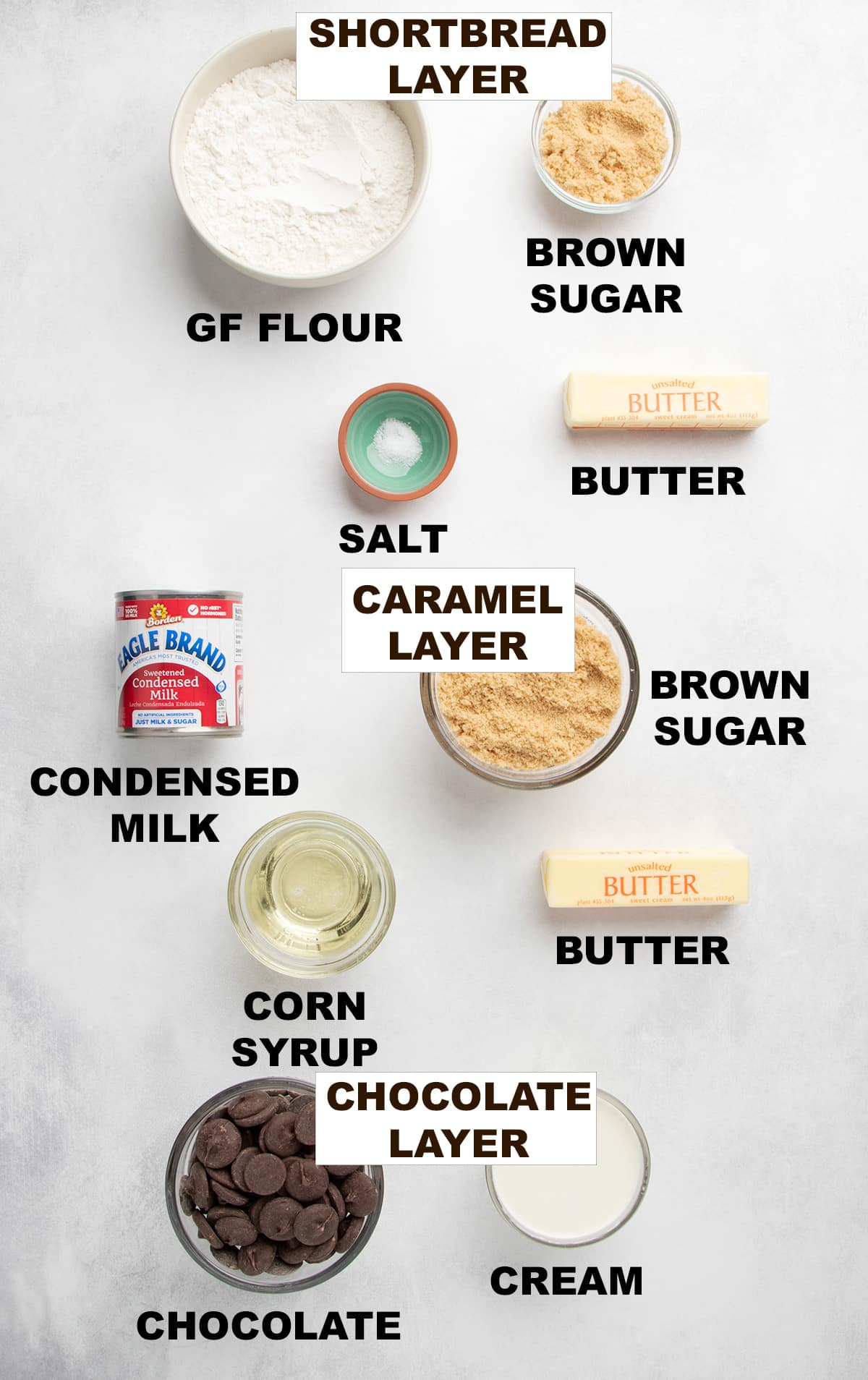
The process begins with the shortbread, the only layer requiring heat-based baking. By creaming room-temperature butter and brown sugar for three minutes, bakers create a light, fluffy base that allows the gluten-free flour blend to integrate seamlessly. Once pressed into a lined pan, the base is baked at a precise 325°F (163°C). The visual cue for doneness here is subtle: the dough transitions from a shiny, raw appearance to a matte, set finish.
2. The Microwave Caramel Technique
Caramelization is often the most intimidating aspect of this recipe for amateur bakers. Traditionally, caramel requires constant attention over a stovetop flame. Hunn’s method simplifies this by utilizing a microwave-safe bowl. By combining brown sugar, butter, sweetened condensed milk, and corn syrup, then heating in controlled intervals, the baker can achieve the "soft ball" stage (235°F/113°C) without the risk of overcooking. Stirring between intervals is crucial to prevent the hot spots inherent to microwave cooking, ensuring a consistent, chewy result.
3. The Chocolate Ganache Finish
The final layer requires an emulsification of heavy cream and high-quality chocolate. By simmering the cream and pouring it over the chocolate pieces, the residual heat gently melts the cocoa butter, creating a ganache that is firm enough to slice cleanly but soft enough to yield to a bite. The addition of a light sprinkle of coarse sea salt before the ganache sets provides a professional-grade finish that balances the intense sweetness of the caramel.
Supporting Data and Technical Considerations
Achieving professional results in a home kitchen requires an understanding of ingredient science. Hunn’s recipe provides specific guidance on the variables that influence the success of the bars:
- Flour Selection: Not all gluten-free flours are created equal. Recommended blends, such as Better Batter’s original all-purpose mix or Bob’s Red Mill 1-to-1, are essential for replicating the structural proteins that gluten normally provides.
- The Stabilizer Factor: While chocolate chips are a pantry staple, they are often formulated with stabilizers to prevent them from melting entirely. For a truly smooth ganache, professional-grade chocolate or high-quality chocolate bars are preferred.
- Thermal Management: The recipe advises against immediate refrigeration of hot layers. Allowing the bars to set at room temperature initially prevents condensation from forming between the layers, which could otherwise degrade the texture of the shortbread.
Expert Perspectives and Professional Shortcuts
For the home baker seeking to streamline the process, Hunn provides several "pro-tips" that do not compromise the quality of the final product. For the shortbread layer, one might crush 8 ounces of high-quality gluten-free shortbread cookies and combine them with melted butter to create a sturdy, no-bake crust.
For those without a microwave, the stovetop method remains a viable alternative, provided the baker uses an instant-read thermometer. Monitoring the temperature is vital, as the difference between a chewy caramel and a burnt sugar mass is often a matter of mere seconds and a few degrees.
Implications for the Gluten-Free Lifestyle
The significance of such recipes extends beyond mere dessert. For those with celiac disease or gluten sensitivity, the ability to replicate "bakery-style" treats at home serves a dual purpose: it lowers the cost of high-quality gluten-free living and removes the social isolation often associated with restrictive diets.
By providing detailed instructions on ingredient substitutions—including dairy-free alternatives for those with additional dietary requirements—this recipe reflects a modern, inclusive approach to culinary arts. It demonstrates that with the right technique and an understanding of ingredient properties, "gluten-free" is no longer a qualifier that suggests a reduction in quality. Instead, it is simply a different, equally delicious way to achieve the same standard of culinary excellence found in the world’s finest pâtisseries.
In conclusion, the Millionaire’s Shortbread is more than just a recipe; it is a masterclass in texture and balance. Whether one chooses the traditional route or the shortcut path, the resulting bars offer a level of decadence that defies the common misconceptions surrounding gluten-free baking. As home cooks continue to refine their skills, recipes like this serve as a testament to the evolving landscape of home cooking, where technology and technique combine to make the "impossible" both simple and spectacular.