The Unseen Threat: How Ultra-Processed Foods Drive Overeating and Weight Gain, Even When Nutrient-Matched
Main Facts
A groundbreaking randomized controlled trial has delivered a stark message about the pervasive nature of ultra-processed foods (UPFs) and their insidious impact on human health. For the first time, researchers meticulously controlled for calories, sugar, fat, and fiber content, directly comparing a diet rich in UPFs with one composed of unprocessed alternatives. The unequivocal finding? Participants on the ultra-processed diet consumed an average of 500 extra calories per day and gained weight, while those on the unprocessed diet spontaneously reduced their intake and lost weight. This pivotal study shatters the illusion that merely tweaking nutrient profiles can render these industrial formulations benign, underscoring the urgent need to re-evaluate our dietary landscape.
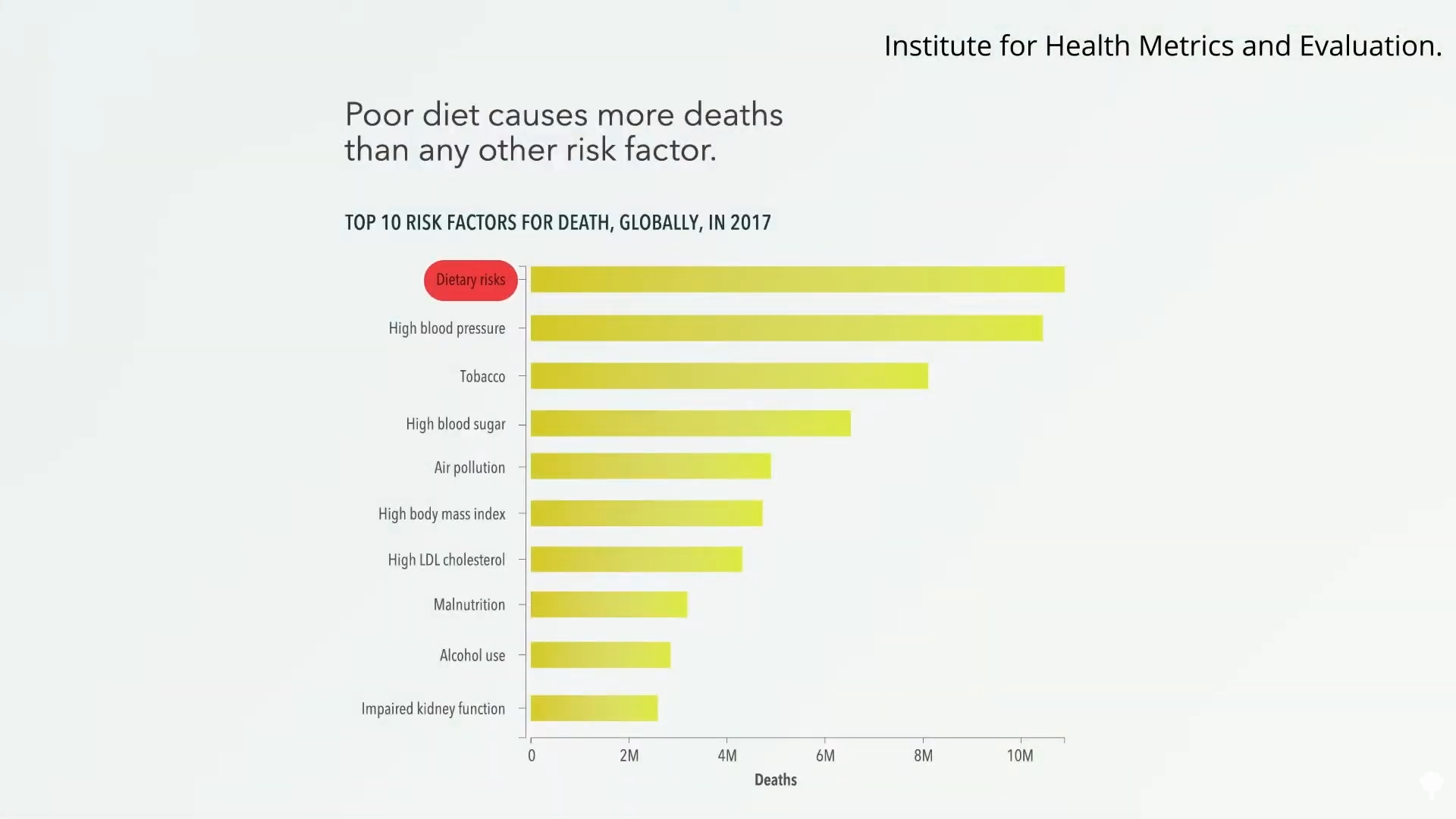
Ultra-processed foods, a category far more precise than the colloquial "junk food," are defined by their industrial origins and extensive ingredient lists often featuring substances not typically found in home kitchens—such as various flavors, sweeteners, colors, emulsifiers, and other additives designed to imitate real foods or mask undesirable qualities. These products now dominate the food supply in high-income countries, accounting for over 70% of available items in the U.S. and contributing to more than half of the daily caloric intake for both adults and children. The consequences are dire: unhealthy diets, largely driven by UPF consumption, are now recognized as humanity’s greatest killer, the leading risk factor for global mortality.
Chronology: From "Junk" to "Ultra-Processed" – A Shifting Understanding
For decades, the term "junk food" served as a broad, informal descriptor for less-healthy items like candy, chips, and sodas. While widely understood, this definition lacked scientific precision, making it difficult for nutrition researchers to conduct targeted studies or for public health officials to formulate effective interventions. This ambiguity paved the way for the emergence of a more robust classification system: ultra-processed food.
The concept of "ultra-processed food" (UPF) gained traction in the early 21st century, notably through the development of the NOVA classification system. This system categorizes foods based on the nature, extent, and purpose of processing rather than solely on nutrient content. Group 4 of the NOVA classification specifically identifies UPFs as industrial formulations made mostly or entirely from substances derived from foods and additives, with little or no whole food present. These formulations are engineered for convenience, palatability, and profitability, often employing sophisticated techniques to create textures, flavors, and aromas that are hyper-rewarding and encourage overconsumption.
The rise of UPFs has been nothing short of dramatic. Over recent decades, the U.S. food supply, mirroring trends in other developed nations, has become overwhelmingly dominated by these products. Assessments reveal that upwards of 200,000 products were classified as ultra-processed, constituting a staggering 71% of the total food offerings. This proliferation extends far beyond grocery store aisles, infiltrating non-food retailers, schools, and workplaces, creating an environment where highly processed, calorie-dense, and nutrient-poor options are perpetually within "arm’s reach of desire," as one former Coca-Cola executive famously articulated. Aggressive marketing campaigns, like a major candy brand’s unapologetic boast of putting their products "everywhere," solidify their pervasive presence in daily life.
Supporting Data: The Alarming Prevalence and Extensive Health Harms
The data on UPF consumption paint a grim picture of a public health crisis unfolding globally. In the United States, an astonishing 56% to 70% of the daily caloric intake for children and adolescents is classified as ultra-processed. This pattern is not confined to youth; across the board, more than half of all calories consumed by Americans are derived from these industrial products. This trend is echoed worldwide in higher-income countries, where UPFs consistently account for over 50% of dietary caloric intake. This reliance on processed sustenance directly contributes to the sobering reality that unhealthy diets are now the leading risk factor for death globally, surpassing other major threats.
The health consequences associated with ultra-processed food consumption are extensive and alarming, documented across numerous observational studies and animal models:

- Weight Gain and Obesity: Animal studies, particularly with rats, demonstrate that modern processed foods lead to dramatic weight gain, inflammation, and cognitive and metabolic abnormalities. In humans, the link is equally strong.
- Eating Disorders: As UPFs became dominant, binge eating was recognized as a new eating disorder, rapidly becoming the most common form. Critically, studies have found that 100% of binge foods are ultra-processed, underscoring how these products are engineered to bypass satiety signals and encourage overconsumption. As researchers often note, "People don’t tend to binge on broccoli."
- Chronic Diseases: A vast majority of studies (approximately 9 out of 10) consistently link UPF consumption to a wide array of adverse health outcomes beyond obesity. These include:
- Metabolic Diseases: Type 2 diabetes and cardiovascular diseases.
- Cancers: Various forms of cancer.
- Gastrointestinal Issues: Irritable bowel syndrome (IBS).
- Mental Health: Depression.
- Physical Decline: Frailty.
- Mortality: Increased risk of all-cause mortality, signifying a shorter lifespan.
- Youth-Specific Impacts: For younger populations, the list expands to include asthma and, more concerningly, higher levels of DNA damage, suggesting potential long-term genetic consequences.
Conversely, populations that maintain diets rich in minimally processed foods, low in meat, and high in fiber exhibit significantly lower rates of chronic diseases, enjoy healthier body weights, and experience longer, disease-free lives. These stark contrasts highlight the profound divergence in health outcomes based on dietary choices. However, until recently, most of these findings were based on observational studies, which, while robust, could not definitively prove causation. The need for a controlled, interventional study was paramount to isolate the direct effects of ultra-processing itself.
Official Responses: Industry Reformulation vs. Scientific Evidence
The growing body of evidence against ultra-processed foods has not gone unnoticed by the food industry. In response to mounting criticism, manufacturers have proposed strategies centered on "reformulation"—tweaking their products by, for example, adding fiber, or reducing sugar, fat, or salt content. This approach, often referred to as the "unobtrusive strategy," aims to create "nutritional improvement without dietary change," allowing consumers to continue consuming their preferred brands with a perceived health benefit.
However, the first randomized controlled trial on ultra-processed foods directly challenged the efficacy of this industry-favored approach. The study involved 20 participants housed in a hospital ward, where their diets could be meticulously controlled. For 14 days, each participant consumed an ultra-processed diet, followed by 14 days on an unprocessed diet, or vice-versa. The critical design element was that both diets were specifically crafted to provide the same amount of calories, sugar, fiber, fat, and macronutrients (carbohydrates and protein).
To illustrate the stark differences in food presentation despite similar nutritional targets, consider the meal examples:
- Ultra-Processed Breakfast: Cheerios with milk, a muffin, or an egg and cheese muffin with turkey bacon and orange juice.
- Unprocessed Breakfast: Oatmeal with blueberries and almonds.
- Ultra-Processed Lunch: A turkey sandwich with nonfat Greek yogurt, canned peaches, baked potato chips, and sugar-free Crystal Light Lemonade.
- Unprocessed Lunch: A Southwest entrée salad with black beans, carrots, corn, avocados, and nuts, alongside fresh grapes and apples.
Participants were instructed to eat as much or as little as they desired from the provided meals. The results were unambiguous: on the ultra-processed diet, individuals consumed approximately 500 more calories per day. This excess intake translated directly into an average weight gain of about two pounds during the ultra-processed diet phase, while participants actively lost two pounds during the less-processed diet phase.
This study conclusively demonstrated that the problem with ultra-processed foods is not solely their unbalanced nutrient profile, which reformulation aims to address. Even when matched for key nutrients, the ultra-processing itself drives overconsumption and weight gain. The complex interplay of texture, palatability, speed of eating, and potential impact on gut hormones and satiety signals inherent in UPFs appears to override the body’s natural appetite regulation mechanisms. The study’s findings thus strongly suggest that limiting the consumption of ultra-processed foods altogether may be a far more effective strategy than relying on industry-led reformulation efforts.
The food industry often counters calls for reduced UPF consumption by arguing that it’s "unrealistic" in modern society, citing societal time constraints and the perceived difficulties of food preparation. This argument, however, risks echoing decades of propaganda and disinformation campaigns that have normalized processed foods and eroded traditional culinary knowledge. As a simple rebuttal points out: "Those who think healthy foods can’t be convenient have never met an apple." The convenience argument often overlooks the inherent convenience of whole, minimally processed foods that require little to no preparation.
Implications: Economic Burden and a Call for Systemic Change
The implications of ultra-processed food dominance extend far beyond individual health, casting a long shadow over public health systems and national economies. The food industry’s love for UPFs is rooted in immense profitability. These products are often crafted from dirt-cheap ingredients, such as taxpayer-subsidized corn syrup, allowing for enormous corporate profit margins. This lucrative model fuels an industry that generates over a trillion dollars annually.
However, this financial gain comes at a devastating cost to society. A disproportionate share of healthcare expenditures in countries like the U.S. is directed towards treating chronic diseases—diabetes, heart disease, certain cancers—that are demonstrably exacerbated by the very same ultra-processed foods. Some analyses suggest that society effectively loses triple what the food industry makes, highlighting a profound imbalance where corporate profits are subsidized by public health crises.
The observation by Dr. Robert Lustig, an endocrinologist and prominent critic of processed foods, that "one-third of American mothers today don’t even know what real food is or how to cook; they and their children are destined to remain hostages to the processed food industry," points to a deeper societal issue. While his "mother-blaming" phrasing is problematic, the underlying sentiment about the erosion of culinary skills and knowledge due to decades of reliance on convenient, processed options is a critical concern.
The solution, as Dr. Lustig and countless nutrition experts advocate, is clear: "There’s only one recourse—real food, which is low in sugar and high in fiber." This calls for a fundamental shift in our approach to food, moving beyond the confines of industrial formulations and embracing whole, minimally processed ingredients. This involves:
- Re-education: Empowering individuals with the knowledge and skills to identify, select, and prepare real foods.
- Policy Reform: Realigning agricultural subsidies to support nutrient-dense whole foods rather than commodity crops that feed the UPF industry. Implementing stricter regulations on UPF marketing, especially to children.
- Systemic Support: Creating environments where healthy choices are the easy choices, through initiatives like improved access to fresh produce, healthy school lunch programs, and urban farming.
The findings from the first randomized controlled trial on ultra-processed foods serve as a critical turning point. They provide irrefutable scientific evidence that the structure and composition of ultra-processed foods themselves drive overconsumption and weight gain, irrespective of their stated nutritional labels. This demands that we think outside the box, challenge ingrained dietary habits, and prioritize real food for the health of individuals and the sustainability of our societies.
Doctor’s Note
The evidence is clear: processed foods are actively undermining our health. To delve deeper into this critical topic, consider exploring these resources:
- The Role of Processed Foods in the Obesity Epidemic: Understand how these foods contribute to one of the most pressing health challenges of our time.
- Cut the Calorie-Rich-And-Processed Foods: Practical advice on how to reduce your intake of these detrimental products.
This article is part of a series examining the impact of junk food. If you missed the previous installments, you can find them here:
- Do Healthy Fast Food Options Lead to Healthier Choices?
- How We Won the Fight to Ban Trans Fat
For practical guidance on making healthier food choices, I encourage you to learn about the "traffic light system" for foods:
- Dining by Traffic Light: Green Is for Go, Red Is for Stop