Redefining Protein Quality: A Public Health Imperative for a Plant-Forward Future
Main facts: For decades, the conventional understanding of "protein quality" has been rooted in biochemical measures, primarily favoring animal-derived proteins based on their amino acid completeness. However, a growing body of scientific evidence, championed by leading researchers, is making a compelling public health case for a radical re-evaluation. This new perspective shifts the focus from mere nutrient composition to the overall impact of protein sources on long-term human health, revealing that plant-based proteins are consistently associated with better health outcomes and reduced mortality, directly challenging the prevailing narrative that "more animal protein is better."
The Genesis of a New Perspective: Challenging Conventional Wisdom
In 2019, a pivotal paper titled “A Public Health Case for Modernizing the Definition of Protein Quality” was published by Dr. David Katz and his esteemed colleagues, including the renowned Dr. David Jenkins. This landmark publication underscored a critical disconnect between the prevailing biochemical definition of protein quality and its actual effects on human health. For too long, the narrative surrounding protein has been simplified: protein is "good," and more is inherently "better." This simplistic view, coupled with a definition of protein quality that historically prioritizes animal sources—meat, eggs, and dairy—has inadvertently fostered the impression that a diet rich in these animal products is not only desirable but preferable for optimal health.
However, this deeply ingrained belief finds itself increasingly at odds with contemporary nutrition guidelines worldwide, which are progressively advocating for diets rich in plant-based foods. While protein malnutrition, exemplified by severe conditions like kwashiorkor, remains a tragic reality in many underserved regions of the world, it is exceedingly rare in industrialized nations. Here, the public health landscape is dominated not by nutrient deficiencies but by the formidable challenge of chronic diseases such as heart disease, type 2 diabetes, and certain cancers. The traditional protein quality definition, therefore, appears anachronistic, failing to address the very health threats most pertinent to developed societies. It overlooks the nuanced interplay between different protein sources and the complex biological systems that govern long-term health and disease prevention.
The call for modernization isn’t merely academic; it’s a plea for a more holistic, public health-oriented approach to dietary guidance. It recognizes that while amino acid profiles are important, they are but one piece of a much larger nutritional puzzle. The context of the protein source—whether it comes packaged with beneficial fiber, antioxidants, and phytochemicals, or with saturated fats, cholesterol, and pro-inflammatory compounds—plays an equally, if not more, crucial role in determining its overall impact on human well-being. This shift in perspective marks a crucial step towards aligning scientific understanding with practical dietary recommendations that genuinely promote population health.
Unpacking the Evidence: Landmark Studies Support a Plant-Forward Approach
The argument for a modernized definition of protein quality is not based on theoretical conjecture but on robust, large-scale epidemiological studies and an evolving understanding of molecular nutrition. The scientific community has been diligently accumulating data that consistently points towards the superior health benefits of plant-derived proteins when compared to their animal counterparts.
The Harvard Cohort: A Glimpse into Longevity
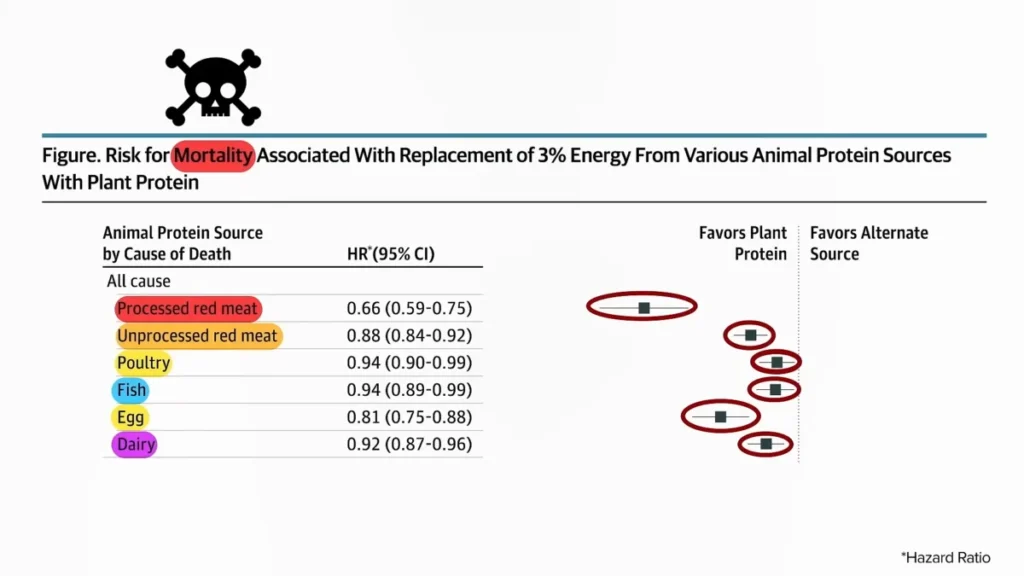
A seminal study published in 2016 out of Harvard University provided compelling evidence, analyzing data from over 100,000 participants. This extensive research revealed a powerful association: replacing animal protein with plant protein was directly linked to a significantly lower risk of premature mortality. The study pinpointed certain "worst offenders" among animal proteins, specifically processed meats like bacon and, surprisingly to some, egg protein, particularly egg whites. Even a seemingly small dietary adjustment—swapping just 3% of total energy intake from any animal protein source (including processed meat, unprocessed meat, chicken, fish, eggs, or dairy) with plant protein—was associated with a markedly lower risk of death, arguably the most critical health endpoint. This finding suggests that even incremental shifts towards plant-based protein sources can yield substantial long-term health benefits, challenging the long-held belief in the unimpeachable nutritional superiority of all animal proteins. The detailed analysis, visually represented in accompanying data, highlighted the direct correlation between protein source and longevity, urging a re-evaluation of dietary staples.
Beyond Fat: Investigating the Mechanisms of Harm
A common counter-argument to the dangers of animal protein often posits that the negative effects are solely due to associated fats, particularly saturated fat. However, the Harvard researchers meticulously adjusted their findings for factors such such as saturated fat intake, indicating that the observed detrimental effects were not attributable solely to animal fat. This raises a fundamental question: how can the human body differentiate between protein from a plant and protein from an animal, if "protein is protein"? The answer lies in the subtle yet significant biochemical differences.
Firstly, plant proteins generally have a lower content of branched-chain amino acids (BCAAs) compared to animal proteins. Research indicates that decreased consumption of BCAAs is associated with improved metabolic health. High levels of BCAAs, often abundant in animal products, have been linked to insulin resistance and an increased risk of type 2 diabetes. By contrast, a diet emphasizing lower-BCAA plant proteins may contribute to better glucose regulation and overall metabolic well-being.
Secondly, another potent factor could be Insulin-like Growth Factor 1 (IGF-1). Animal protein intake is known to boost IGF-1 levels, a growth hormone implicated in cell proliferation and, disturbingly, cancer promotion. The connection between IGF-1 and chronic diseases appears to be a cause-and-effect relationship, as individuals born with naturally higher IGF-1 levels, irrespective of their dietary habits, tend to exhibit higher rates of life-threatening conditions such as type 2 diabetes and heart disease. This suggests that dietary choices that elevate IGF-1 could similarly increase disease risk.

Thirdly, an often-overlooked but critical concern is the accumulation of environmental toxins. Pollutants like dioxins and polychlorinated biphenyls (PCBs) are persistent organic pollutants that bioaccumulate up the food chain. Consequently, they are found in higher concentrations in animal products such as cattle, pigs, chickens, and fish, eventually making their way onto our plates. Plant-based proteins, by contrast, offer a means to significantly lower the body’s burden of these harmful dietary animal-protein-derived pollutants. This aspect underscores an additional, compelling public health benefit of prioritizing plant proteins.
The NIH-AARP Study: Reinforcing the Findings on a Grand Scale
For those who might deem a study involving 100,000 individuals insufficient, the U.S. National Institutes of Health–AARP Diet and Health Study provides even more formidable evidence. As the largest diet cohort study in history, encompassing over 400,000 participants, its findings echo and amplify those of the Harvard research. Again, researchers observed that merely replacing 3% of total caloric intake from animal protein with plant protein was associated with a 10% lower overall mortality risk. The benefits were even more pronounced—doubling—if eggs were completely removed from the diet. This finding is particularly significant given that egg consumption has been independently linked to a higher risk of developing cardiovascular disease, further cementing the argument against their perceived health benefits. The sheer scale and consistent results of this study lend immense weight to the argument for a plant-predominant dietary pattern.
The Cumulative Picture: Meta-Analyses Confirm the Trend
When synthesizing the collective body of research on dietary protein intake and mortality, a clear and consistent pattern emerges. Meta-analyses, which combine and analyze data from multiple independent studies, conclusively demonstrate that individuals who consume more protein overall tend to experience shorter lifespans. However, this harmful association is "mainly driven by a harmful association of animal protein." Conversely, plant protein intake is inversely associated with mortality, meaning that those who incorporate more plant-based proteins into their diets tend to live longer, healthier lives. The visual representation of this data consistently shows a divergence: increased animal protein correlates with increased mortality, while increased plant protein correlates with decreased mortality. This aggregate evidence provides a powerful endorsement for shifting dietary patterns away from animal products and towards plant-based alternatives for long-term health and longevity.
Official Responses and Evolving Dietary Guidelines
The accumulating scientific evidence regarding the distinct health impacts of animal versus plant proteins is gradually permeating official dietary recommendations, albeit often with a cautious, incremental approach. While a formal, universally adopted "modernized definition of protein quality" specifically excluding animal protein as "high quality" based on public health outcomes may still be some time away, the trajectory of major health organizations is undeniably shifting towards plant-rich diets.
Organizations like the World Health Organization (WHO), the American Heart Association (AHA), and even the U.S. Dietary Guidelines for Americans have progressively incorporated language encouraging the reduction of red and processed meats and the increased consumption of plant-based foods such as legumes, nuts, seeds, and whole grains. These guidelines implicitly acknowledge the public health concerns associated with high animal protein intake and the benefits of a plant-forward approach. For instance, the emphasis on eating more fruits, vegetables, and whole grains, and choosing lean protein sources, often translates in practice to a greater reliance on plant proteins.
However, the inertia of established dietary advice and the influence of powerful agricultural lobbies can slow the pace of radical change. The concept of "complete protein," which traditionally favored animal sources, is deeply embedded in public consciousness and professional education. Overcoming this ingrained understanding requires concerted efforts in public education and a willingness from regulatory bodies to update definitions based on the most current and comprehensive scientific understanding. The challenge lies in translating complex epidemiological and mechanistic data into clear, actionable public health messages that can genuinely reshape dietary habits on a population scale. While explicit statements regarding the "low quality" of certain animal proteins are rare in official guidelines, the increasing recommendation for plant-based alternatives serves as a de facto acknowledgment of their superior health profile in the context of chronic disease prevention.
Implications for Public Health and Individual Choices
The implications of this growing body of evidence are profound, touching upon both individual dietary choices and broader public health strategies. The resounding message from scientific research is clear: to optimize health and potentially extend lifespan, individuals should be encouraged to increase their intake of plant protein while reducing their consumption of animal protein. As one meta-analysis succinctly concluded, "Persons should be encouraged to increase their plant protein intake to potentially decrease their risk of death."
For individuals, this translates into practical dietary shifts:
- Embrace Legumes: Incorporate beans, lentils, chickpeas, and peas into meals regularly.
- Nuts and Seeds: Snack on almonds, walnuts, chia seeds, flax seeds, and hemp seeds.
- Whole Grains: Choose quinoa, oats, brown rice, and whole-wheat products.
- Plant-Based Alternatives: Explore tofu, tempeh, and various plant-based milks and yogurts.
- Reduce Animal Products: Consciously decrease the frequency and portion sizes of red meat, processed meats, and eggs, and consider plant-based swaps for dairy.
On a public health level, these findings advocate for policy changes that support easier access to and affordability of plant-based foods. Educational campaigns could emphasize the diverse sources of plant protein and debunk myths surrounding their nutritional adequacy. Furthermore, the environmental benefits of shifting towards plant-based diets—including reduced greenhouse gas emissions, land use, and water consumption—add another layer of urgency and imperative to these dietary recommendations, creating a synergistic impact on both human and planetary health.
Beyond the Core Debate: Addressing Related Nutritional Queries
The conversation around protein quality naturally branches into several related nutritional topics that are frequently debated. Addressing these points helps to provide a comprehensive understanding for individuals seeking to transition to more plant-forward diets.
The benefits often attributed to caloric restriction—a practice associated with increased longevity in various studies—may, in part, stem from a concomitant reduction in animal protein intake. This suggests that some of the observed health advantages of calorie restriction might be mediated through the specific reduction of growth-promoting and potentially pro-inflammatory compounds found in animal proteins. Further exploration into the interplay between caloric restriction and animal protein restriction can illuminate more targeted dietary strategies for healthy aging, as discussed in detail in resources like "Caloric Restriction vs. Animal Protein Restriction."
The role of branched-chain amino acids (BCAAs), which were highlighted as a potential mechanism for animal protein’s adverse effects, is another critical area. While BCAAs are essential for muscle protein synthesis, excessive intake, particularly in the context of a Western diet rich in animal products, has been linked to metabolic dysregulation. Understanding the nuanced impact of BCAAs, and the fact that plant-based diets naturally provide adequate but not excessive amounts, is crucial for optimizing metabolic health. The video "Are BCAA (Branched Chain Amino Acids) Healthy?" offers further insights into this complex topic.
A persistent myth in nutrition is the idea that plant proteins must be "combined" at each meal to ensure a "complete" amino acid profile. This protein combining myth has been widely debunked. The human body is remarkably efficient at pooling amino acids from various food sources consumed throughout the day to meet its needs. As long as a diverse range of plant foods is consumed over the course of a day, obtaining all essential amino acids is not an issue for individuals on a plant-based diet. Resources like "The Protein Combining Myth" clarify this misconception.
This naturally leads to the question, "How much protein do we actually need?" The prevailing concern about protein deficiency among vegetarians and vegans is largely unfounded in industrialized nations. The recommended daily allowance for protein is easily met by a well-planned plant-based diet, which provides ample protein from sources like legumes, grains, nuts, and seeds. Concerns about "not getting enough protein" are often exaggerated, overshadowing the far more common problem of excessive animal protein intake. "Do Vegetarians Get Enough Protein?" delves deeper into this common inquiry.
Finally, the emergence of plant-based meats (e.g., Beyond Meat, Impossible Burger) offers a fascinating new dimension to the discussion. While these products are plant-derived, their highly processed nature and often high sodium and fat content warrant careful consideration. They can serve as useful transitional foods for those seeking to reduce animal product consumption, but they may not offer the same holistic health benefits as whole, unprocessed plant foods. Evaluating whether "Are Beyond Meat and the Impossible Burger Healthy?" requires a nuanced perspective on their role in a balanced diet.
Conclusion: A Future Focused on Holistic Health
The scientific discourse around protein quality is undergoing a profound transformation. Moving beyond archaic biochemical definitions, the focus is increasingly on the real-world, long-term health outcomes associated with different protein sources. The overwhelming evidence points towards a paradigm shift: plant-based proteins, when prioritized, offer significant advantages for longevity, metabolic health, and chronic disease prevention, while mitigating exposure to environmental toxins.
This necessitates a re-education of both the public and, in some cases, healthcare professionals. The message is clear and actionable: to foster healthier populations and individuals, dietary guidance must unequivocally encourage the increase of plant protein intake at the expense of animal protein. This is not merely a dietary recommendation; it is a public health imperative, charting a course towards a future where nutritional advice is truly aligned with the most formidable challenges to human health in the modern world.