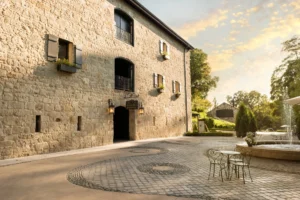
The Timeless Renaissance of Polvaro Estate: A Venetian Jewel Rediscovered
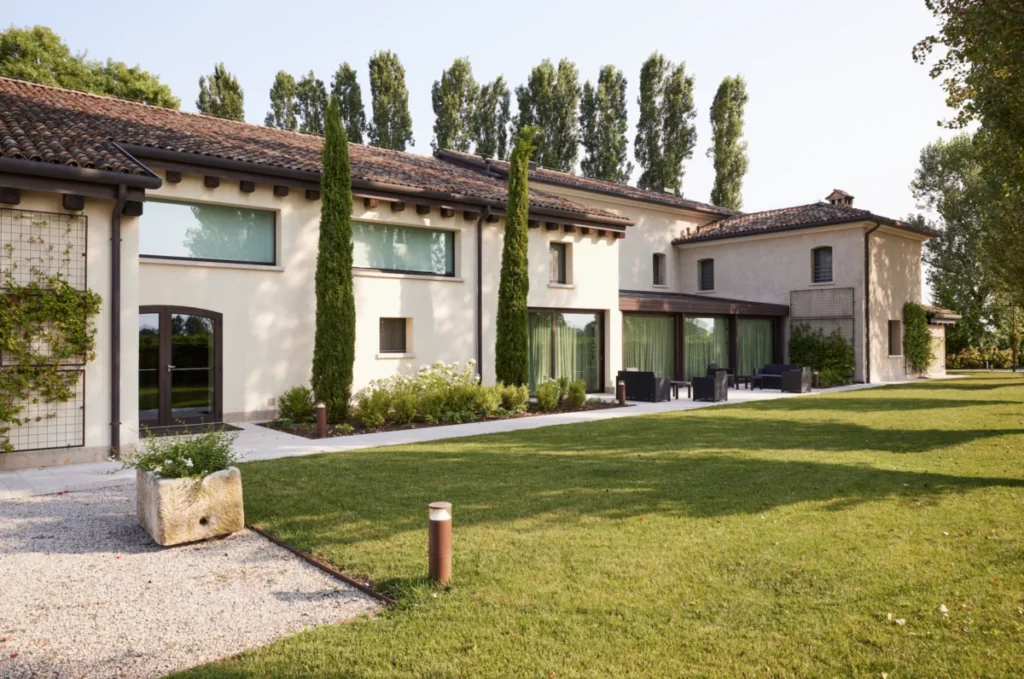
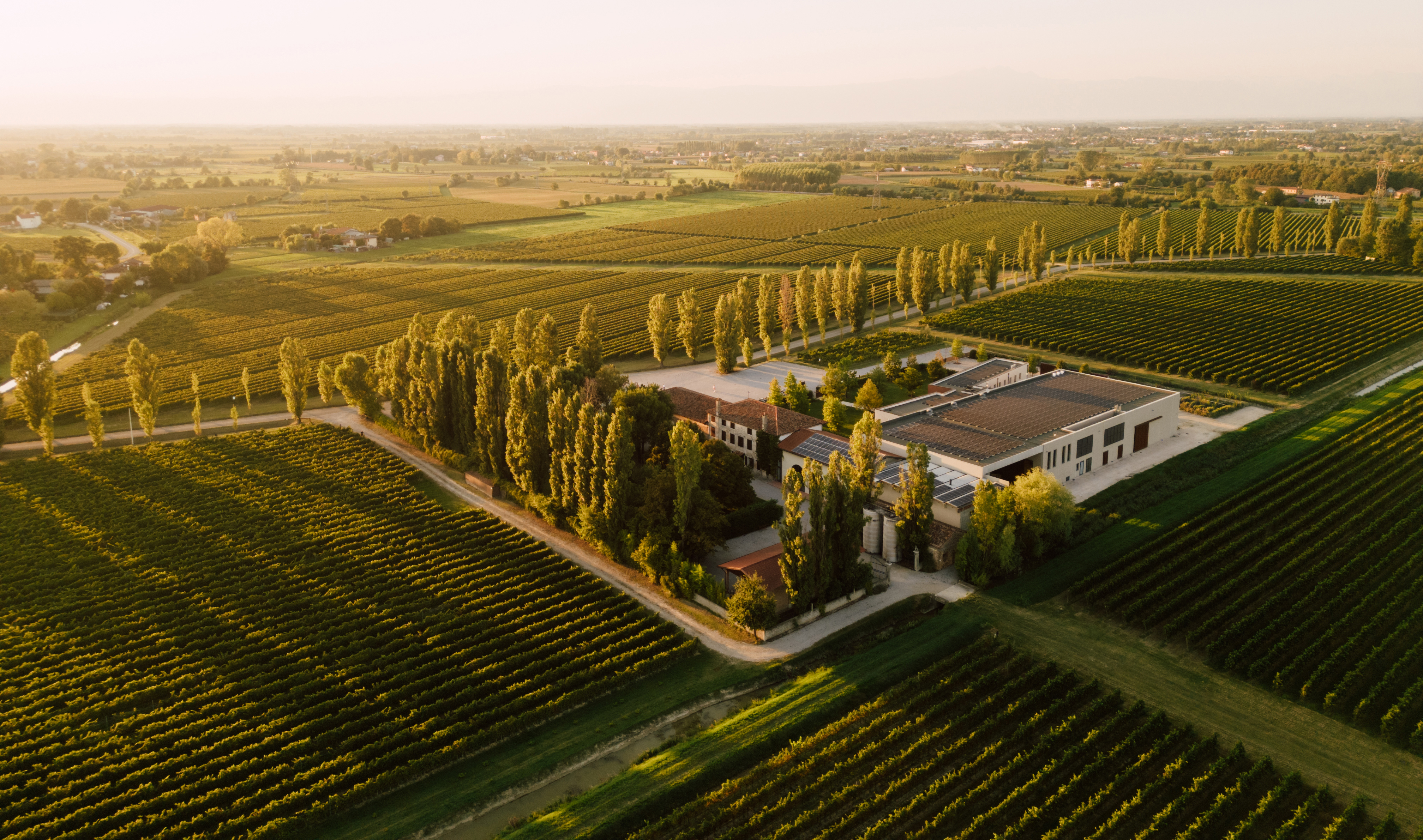
Less than an hour’s drive from the labyrinthine canals and rhythmic bustle of Venice, the landscape shifts dramatically. The urban sprawl gives way to rolling, vine-clad hills that ripple across the horizon, signaling an arrival at one of Northern Italy’s best-kept secrets: Polvaro Estate. Nestled deep within the prestigious, albeit understated, Lison Classico DOCG, the estate serves as a living testament to the viticultural soul of the Veneto region. With a history stretching back to 1681, Polvaro Estate offers more than just exceptional wine; it offers a portal into a legacy of craftsmanship, land stewardship, and a contemporary renaissance led by a family committed to the art of "dolce far niente."
Main Facts: The Essence of Lison Classico
The Lison Classico DOCG is a hidden jewel of Italian viticulture, a micro-appellation defined by its subtlety, elegance, and a profound sense of place. Situated between the alpine majesty of the Dolomites and the tempering, saline-kissed breezes of the Adriatic Sea, this unique geography creates a climate of perfect equilibrium.
At the heart of this terroir lies a geological anomaly known as caranto soil. This ancient, highly compact calcareous clay serves as the "master architect" of the estate’s wines. By naturally restricting vine yields, caranto forces the vines to struggle, resulting in highly concentrated grape clusters. This mineral-rich foundation is the secret behind the estate’s signature profiles: white wines that possess an enveloping, velvety texture balanced by vibrant mineral tension, and red wines characterized by a muscular structure and a sophisticated, fruit-forward complexity.
The estate is a mosaic of varietals, each finding its ideal expression within this protected micro-climate. From the crisp, nuanced Pinot Grigio and refined Chardonnay to the signature Friulano—the crown jewel of the Lison Classico region—the estate’s portfolio reflects the diversity of the Veneto’s alluvial plains.
Chronology: A Legacy Reimagined
The timeline of Polvaro Estate is a narrative of resilience and evolution, spanning over three centuries of agricultural history.
- 1681: The official roots of the estate are established. For generations, the property served as a pillar of regional agriculture, long before the formalization of modern DOCG appellation systems.
- Late 20th Century: The property enters a new era under the stewardship of the Candoni De Zan family. Armando De Zan and Elviana Candoni De Zan acquire the estate, recognizing its immense potential to marry historic prestige with modern viticultural standards.
- The Transition: Under the guidance of the founders, the estate begins a modernization phase, focusing on sustainable practices and the elevation of the Lison Classico brand on the global stage.
- The Modern Era: The estate is currently being reshaped by the next generation—sisters Barbara and Caterina De Zan. Their leadership marks a significant shift, blending traditional Italian viticulture with a global perspective informed by their formative years in the United States.
Supporting Data: The Science of Sustainability
Polvaro Estate is not merely a producer of fine wine; it is a steward of the environment. Its commitment to the land is codified through its SQNPI certification (Sistema di Qualità Nazionale di Produzione Integrata). This national standard for integrated production is a rigorous framework that dictates every aspect of the farm’s operation.
Key metrics and principles of their stewardship include:
- Biodiversity Preservation: The estate maintains significant buffer zones around its vineyards, allowing native flora and fauna to thrive, which in turn acts as a natural pest control system.
- Water Management: Through precision irrigation and soil-mapping, the estate optimizes water usage, ensuring that the caranto soil remains healthy without the need for excessive artificial intervention.
- Yield Control: As noted by viticulturists, the caranto soil naturally limits the crop load to approximately 30–40% less than standard industrial vineyard yields, resulting in a higher phenolic content and more complex flavor profiles in the finished product.
The flagship wine, Polvaro Nero, stands as the ultimate proof of this philosophy. A blend of Merlot, Cabernet Sauvignon, and Malbec, the wine is drawn from 30-year-old vines. Each variety is vinified in isolation to maintain the distinct characteristics of the grape before undergoing a 12-month aging process in French oak. This meticulous process ensures that the wine retains a balance between the power of the fruit and the elegance of the wood.

Official Perspectives: A Family Vision
The leadership of Barbara and Caterina De Zan represents a paradigm shift in the wine industry—a movement toward female-led, hospitality-forward, and ecologically conscious estate management. Their tenure is heavily influenced by eight years spent in Atlanta, Georgia. This "American interlude" provided the sisters with a unique vantage point: they learned to bridge the gap between deep-rooted European tradition and the dynamic, open-minded hospitality culture of the United States.
"Wine is a medium for human connection," notes the family. For the De Zans, the act of pouring a glass is an extension of the Italian philosophy of dolce far niente—the mindful, sweet art of slowing down. Their vision for Polvaro is not to scale the business into a mass-market monolith, but to curate an experience that honors the "quiet luxury" of the Venetian countryside. By acting as both sommeliers and visionaries, they have transformed the estate into a destination where guests are encouraged to linger, taste, and understand the history of every bottle.
Implications: The Future of the Lison Classico
The success of Polvaro Estate carries significant implications for the wider Veneto region. As consumers grow increasingly weary of mass-produced, "industrial" wines, the demand for "site-reflective" bottles—wines that taste like the dirt, wind, and history of their origin—has skyrocketed.
1. The Elevation of Lesser-Known Appellations
Polvaro’s commitment to the Lison Classico DOCG proves that world-class quality is not the exclusive domain of the famous regions like Chianti or Barolo. By consistently producing wines of high concentration and elegance, Polvaro is helping to "put the Lison Classico on the map," drawing oenophiles to the border of Veneto and Friuli.

2. The Multi-Generational Transition
The transition from Armando and Elviana to Barbara and Caterina serves as a case study for family-owned estates globally. It highlights the importance of incorporating fresh, international perspectives while maintaining a rigid adherence to the "old ways" of working the soil. Their success suggests that the future of Italian wine lies in this hybrid model: high-tech, sustainable viticulture paired with high-touch, personal hospitality.
3. A New Standard for Sustainability
The SQNPI certification at Polvaro is a clear signal to the market that sustainability is no longer a "marketing buzzword," but a necessity for longevity. By investing in the health of the caranto soil today, the family is ensuring that the 1681 legacy will be viable for the 22nd century and beyond.
Conclusion: A Sensory Invitation
To visit Polvaro Estate is to step away from the noise of the modern world. It is a place where the air carries the scent of the Adriatic and the history of the soil is tangible underfoot. For those unable to travel to the heart of the Veneto, the estate offers an invitation to experience this magic through their collection. Whether it is the vibrant, structured Pinot Grigio or the deep, resonant notes of the Polvaro Nero, each bottle serves as a reminder that the best things in life—like a perfectly aged wine or a quiet afternoon in the hills—cannot be rushed.
As the estate continues its trajectory under the watchful eyes of the next generation, one thing remains clear: Polvaro is not just making wine; they are preserving a way of life. For the discerning wine lover, the estate remains an essential destination, promising a journey that is as much about the soul as it is about the senses.