The Franco-American Bridge: How Boisset Collection is Redefining Global Viticulture
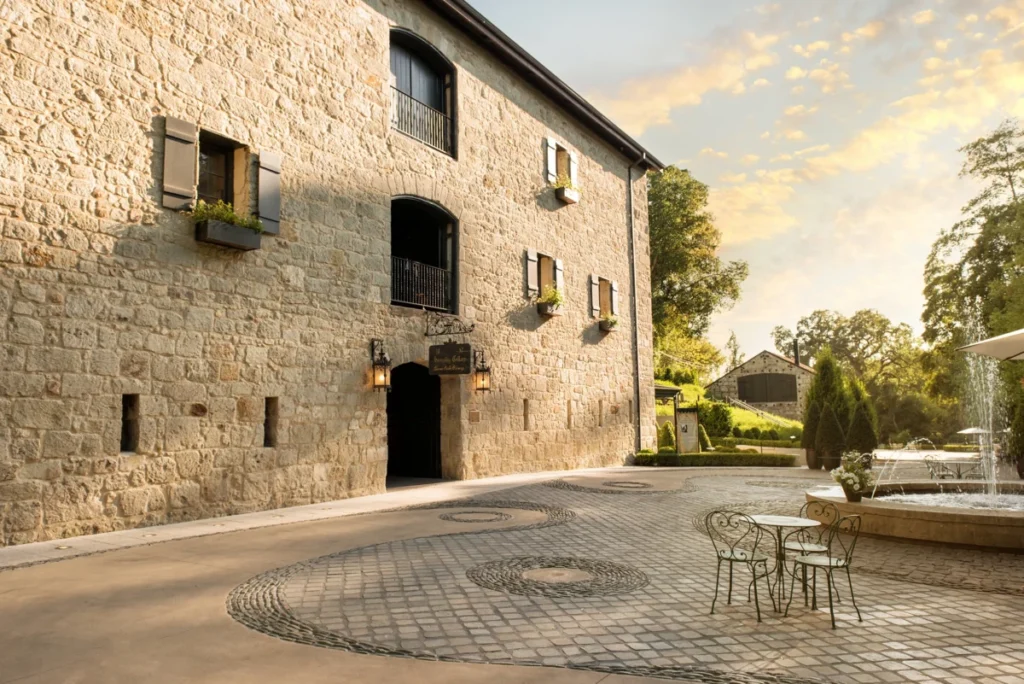
In the world of fine wine, the divide between the Old World and the New World is often treated as a chasm. Purists in Burgundy advocate for the sanctity of terroir and centuries-old tradition, while innovators in California champion the bold, expansive spirit of the American frontier. Yet, standing at the center of this dialogue is a bridge built not of stone, but of vines: the Boisset Collection.
For over five decades, the family-owned Boisset Collection has acted as a custodian of history and a pioneer of the future, managing more than 30 legendary estates across France and the United States. As America approaches its 250th anniversary, the story of Boisset serves as a poignant reminder of the enduring cultural and viticultural bond between two nations that have shaped the global palate.
Main Facts: A Transatlantic Legacy
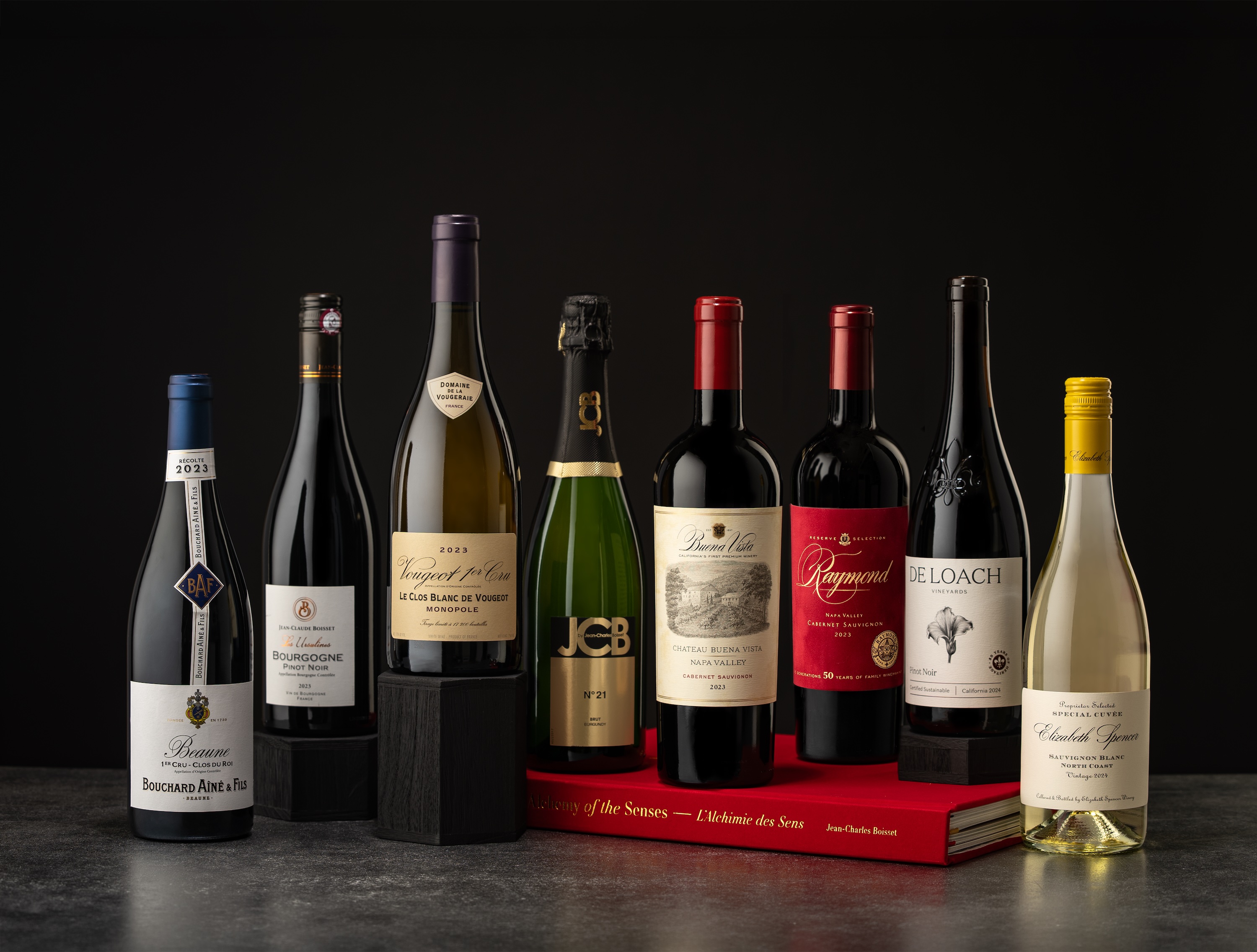
The Boisset Collection represents one of the most significant cross-continental wine portfolios in existence. By uniting iconic Burgundian houses—such as Bouchard Aîné & Fils and the historic Domaine de la Vougeraie—with California staples like Buena Vista Winery, Raymond Vineyards, DeLoach Vineyards, and Elizabeth Spencer, the company has solidified its position as a powerhouse of luxury wine.
What sets Boisset apart is not merely the scale of its acquisitions, but its philosophy of stewardship. Jean-Charles Boisset, the current visionary at the helm, does not view these wineries as assets to be optimized for short-term gain, but as heritage sites to be preserved for the next century. From the ancient Cistercian-planted soils of the Côte d’Or to the sun-drenched valleys of Sonoma and Napa, the Collection acts as a guardian of over 7,000 years of combined winemaking history.
A Chronology of Vision and Growth
The evolution of the Boisset Collection is a narrative of steady, intentional expansion rooted in a deep respect for the land.
- 1961: Jean-Claude and Claudine Boisset found the family winery in the village of Vougeot, France. Growing up in the shadow of the Château du Clos de Vougeot, the epicenter of Chardonnay and Pinot Noir, their son Jean-Charles develops an innate connection to the vine.
- 1999: Jean-Charles and his sister, Nathalie, take a bold step by consolidating the family’s Burgundian vineyards. They establish Domaine de la Vougeraie, which immediately adopts biodynamic practices, becoming a leading light for organic cultivation in the Côte d’Or.
- 2004: The transition to regenerative agriculture begins in earnest at DeLoach Vineyards in Sonoma’s Russian River Valley. This marks the beginning of the family’s aggressive commitment to environmental responsibility in California.
- 2008: DeLoach receives organic certification from the California Certification of Organic Farmers (CCOF).
- 2010: DeLoach achieves full biodynamic certification from Demeter, a gold standard in ecological farming.
- 2013: Raymond Vineyards in Napa Valley receives dual certification (CCOF and Demeter), establishing itself as the largest certified biodynamic estate on the Napa Valley floor.
- Present Day: The Collection continues to expand its footprint, integrating luxury sparkling wines like JCB Jean-Charles Boisset Crémant de Bourgogne into its prestige portfolio, while simultaneously deepening its sustainability initiatives.
Supporting Data: The Science of Sustainability
The Boisset Collection’s pivot toward sustainability is not a mere marketing tactic; it is supported by rigorous operational data and certification standards.
Biodynamic Farming and Biodiversity
Biodynamic farming, a holistic approach that treats the vineyard as a self-sustaining organism, is the cornerstone of Boisset’s production. At Raymond Vineyards, this commitment is tangible. The estate has dedicated 10% of its land to biodiversity, exemplified by the "Theater of Nature"—an interactive, educational exhibit that invites guests to experience the cycle of life within a biodynamic vineyard.
Renewable Energy Infrastructure
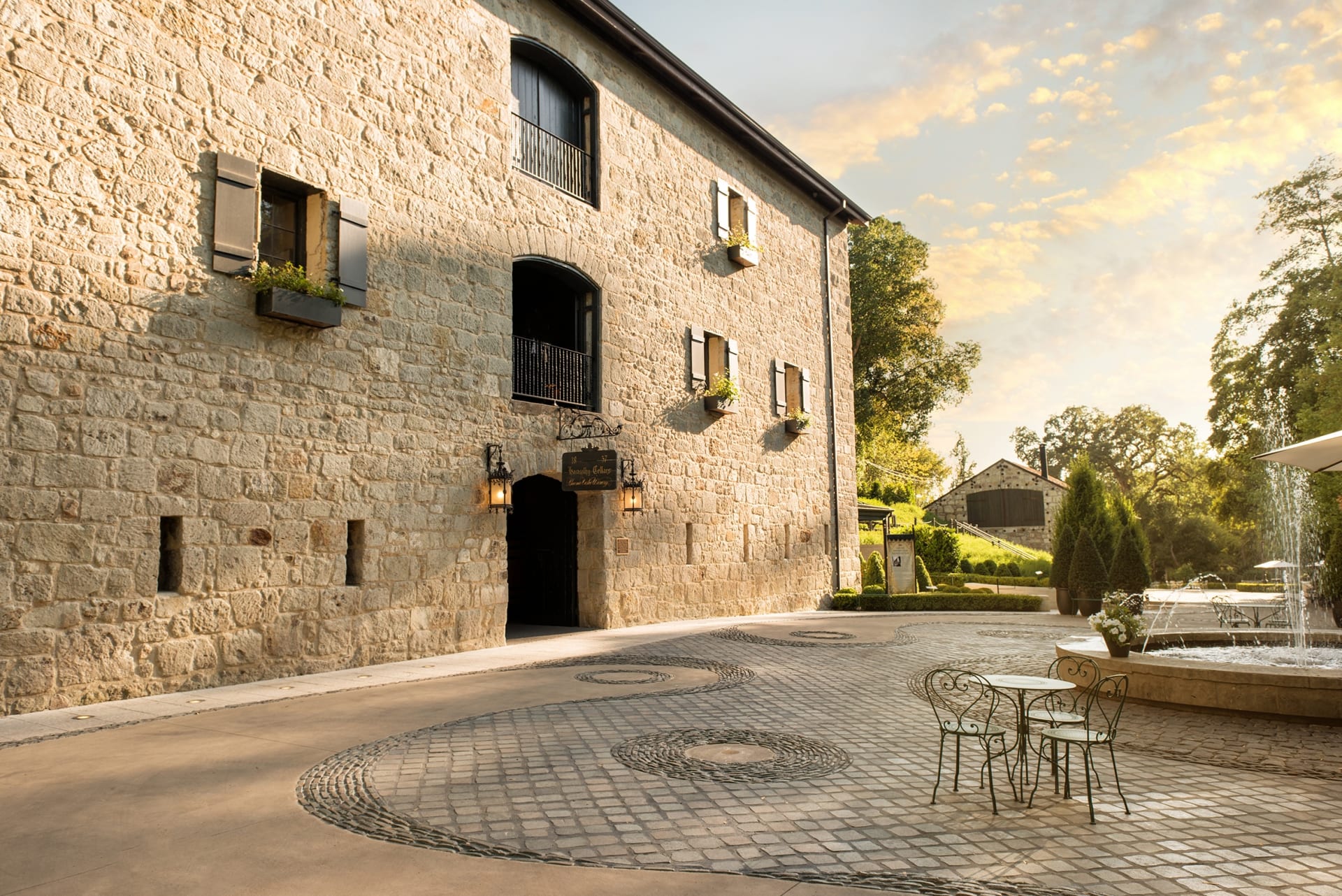
The scale of Boisset’s environmental commitment is perhaps most visible in its energy consumption. According to data from Blue Sky Utility, Raymond Vineyards has evolved into the largest 100% solar-powered winery in Napa Valley. The infrastructure includes:
- 50,000 square feet of solar panels installed on the winery’s rooftops.
- 17,000 square feet of custom solar canopy, providing both power and shade to the estate’s facilities.
This transition effectively decouples the production of luxury wine from carbon-heavy energy grids, setting a benchmark for the California wine industry.
Official Perspectives: The Philosophy of Jean-Charles Boisset
Jean-Charles Boisset often speaks of wine as a "living document" of history. In his view, the winemaker is merely a temporary tenant of the soil. This perspective explains why the Boisset Collection has invested so heavily in preserving historical markers. For instance, the Vougeot 1er Cru Clos Blanc de Vougeot, originally planted by Cistercian monks in 1110, remains a jewel in the crown of the family’s portfolio.
"Our goal," the family asserts, "is to bring each estate proudly into the 21st century without erasing the chapters that came before." This is evidenced by the meticulous labeling of their wines. As DeLoach Vineyards celebrates its 50th-anniversary vintage of Pinot Noir, the bottles bear the explicit label "Made With Organic Grapes," a nod to the transparency and integrity that the Boisset family demands from every bottle bearing their name.
Implications: The Future of Franco-American Viticulture
The impact of the Boisset Collection extends beyond its own balance sheets; it is shifting the industry standard in three key areas:

1. The Normalization of Biodynamics
By implementing biodynamic standards across both its French and American estates, Boisset has proven that high-yield, premium-quality winemaking is compatible with regenerative agriculture. Their success has emboldened smaller, boutique wineries to seek similar certifications, effectively raising the ecological bar for the entire Napa and Sonoma regions.
2. Cross-Cultural Knowledge Exchange
The Boisset model facilitates a unique exchange of techniques. Methods of canopy management, soil health, and fermentation developed in Burgundy’s ancient cellars are being adapted for the climate of Northern California. Conversely, the entrepreneurial efficiency and technological integration seen in Napa are informing the modernization of the family’s historic French estates. This "transatlantic feedback loop" creates a unique style of wine that respects heritage while embracing efficiency.
3. Sustainability as a Luxury Brand Pillar
For decades, "luxury" in the wine industry was often associated with opulence and exclusivity. Boisset is successfully redefining luxury as "stewardship." By investing millions into solar energy and land-healing practices, they are signaling to the modern consumer that true luxury must be sustainable. In a world increasingly concerned with climate change, this message resonates with a new generation of wine enthusiasts who demand that their purchases align with their environmental values.
Conclusion: A Toast to the Future
Whether one is a collector of rare Burgundian monopoles or a fan of the bold, fruit-forward expressions of the Russian River Valley, the Boisset Collection offers a bridge between two worlds. The company’s trajectory over the last half-century suggests that the most successful future for the wine industry lies not in choosing between tradition and innovation, but in weaving them together.

As the Boisset Collection continues to expand its reach—from the hallowed grounds of the Côte d’Or to the solar-powered hills of Napa—it remains a testament to the idea that wine is the most profound expression of human culture. By honoring the past, stewarding the present, and investing in the planet’s future, the Boisset family has ensured that their legacy will continue to flourish for another 7,000 years, one harvest at a time.