Optimizing Sanitation: New Research Defines the Gold Standard for Poultry Transport Cage Hygiene
In the complex, high-speed environment of industrial poultry processing, the journey from farm to facility is a critical juncture for food safety. A groundbreaking study, recently published in the journal Hygiene and spearheaded by researchers at the University of Córdoba, has provided the poultry industry with a blueprint for significantly reducing Salmonella contamination through the optimization of transport cage sanitation. By identifying the precise equilibrium between thermal energy and chemical concentration, the study offers a pathway to safer food products and more sustainable facility operations.
The Critical Link: Transport Cages as Contamination Vectors
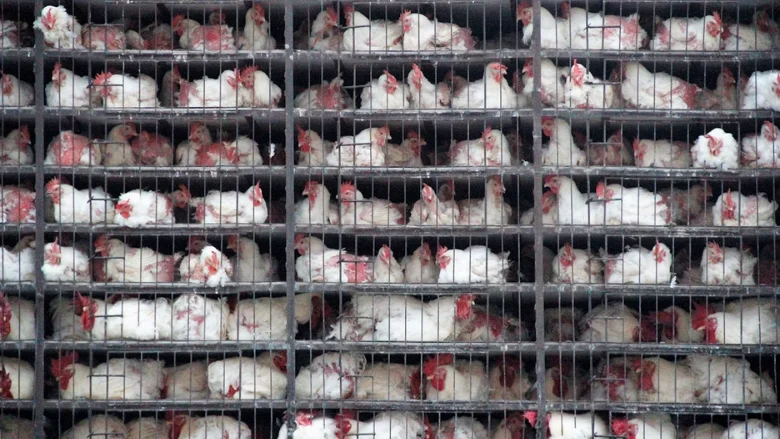
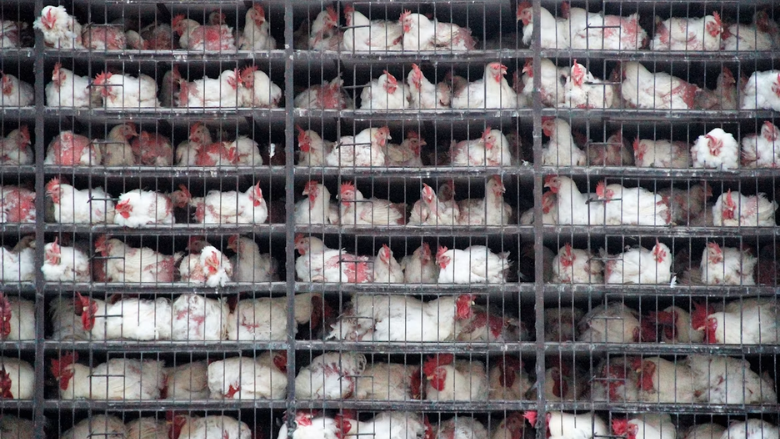
Poultry transport cages are the silent workhorses of the meat industry, yet they represent one of the most significant challenges to maintaining a sterile processing environment. These structures, which endure repeated cycles of exposure to fecal matter, organic debris, and the stress-induced shedding of pathogens by poultry, act as high-risk reservoirs for cross-contamination.
If not rigorously sanitized, these cages carry Salmonella, Campylobacter, and other zoonotic pathogens from one flock to the next, potentially introducing harmful bacteria into the slaughterhouse environment before the birds are even offloaded. Within the framework of Hazard Analysis and Critical Control Points (HACCP), the cleaning of transport cages is a foundational prerequisite program. Until now, however, industrial cleaning protocols have often been based on anecdotal best practices or "more is better" chemical application, rather than empirically derived data.
Methodology: Putting Industrial Hygiene to the Test
The research team at the University of Córdoba set out to replace conjecture with clinical precision. They evaluated six distinct industrial-scale washing conditions for turkey transport cages, meticulously controlling two primary variables: water temperature and detergent conductivity.
The study employed a range of temperatures—40°C, 45°C, and 60°C—paired with varying levels of alkaline chlorinated detergent, measured by conductivity ranging from 0 to 4 milliSiemens per centimeter (mS/cm). To ensure the findings reflected real-world conditions, the team conducted sampling at three distinct intervals: the beginning, middle, and end of a standard processing day. By monitoring the presence of Salmonella, mesophilic aerobic bacteria (MAB), and Enterobacteriaceae throughout these timeframes, the researchers were able to account for the gradual buildup of organic matter in the wash water, which typically diminishes the efficacy of sanitation cycles over time.
The Findings: The Synergy of Temperature and Chemistry
The results of the study represent a significant departure from standard industry assumptions. Most notably, the researchers discovered that the "sweet spot" for cage hygiene lies at a temperature of 60°C combined with a detergent conductivity of 2 mS/cm.
Achieving Total Elimination
At this specific configuration, the researchers observed the complete elimination of detectable Salmonella across all samples. This efficacy was sustained even as the wash water became increasingly soiled throughout the processing day, suggesting that this protocol is robust enough to handle the cumulative biological load of industrial operations.
The Diminishing Returns of Over-Sanitizing
Perhaps the most counterintuitive discovery was that increasing the detergent concentration beyond 2 mS/cm to 4 mS/cm yielded no statistically significant improvement in microbial reduction. This finding challenges the "more is better" approach common in many food processing facilities. By demonstrating that doubling the chemical concentration provides no additional safety benefit, the study provides a compelling argument for facilities to recalibrate their chemical dosing pumps.
The Failure of Sub-Optimal Parameters
By contrast, the study highlighted the volatility of lower-temperature or detergent-free washing. Utilizing water alone, even at 60°C, proved insufficient to guarantee the elimination of Salmonella. Furthermore, washing at 45°C produced highly inconsistent results, indicating that the thermal energy at this temperature is insufficient to overcome the protective barriers of bacterial biofilms. The research concludes that the relationship between temperature and chemical concentration is synergistic; neither factor can fully compensate for the deficiency of the other.
Quantifying Success: Microbial Log Reductions
To provide a concrete measure of success, the study utilized log reduction metrics, the gold standard for assessing the efficacy of antimicrobial interventions. Under the identified optimal conditions (60°C at 2 mS/cm), the researchers recorded an average reduction of nearly 3 logs for mesophilic aerobic bacteria (MAB) and approximately 2.5 logs for Enterobacteriaceae.
Notably, Enterobacteriaceae—a family of bacteria that includes significant pathogens—showed a higher degree of sensitivity to the optimized treatment than the broader category of total aerobic bacteria. This suggests that the refined protocol is specifically adept at targeting the high-risk microbial populations that food safety officers are most concerned with.
Implications for Industry Operations
The implications of this research extend far beyond the laboratory, offering tangible benefits for the operational efficiency and financial health of poultry processing facilities.
Financial and Environmental Sustainability
By identifying that a detergent conductivity of 2 mS/cm is just as effective as higher concentrations, the study provides a roadmap for significant cost savings. Reducing chemical usage not only lowers procurement costs but also decreases the volume of chemical discharge in wastewater, aligning facilities with more stringent environmental regulations.
Preservation of Infrastructure
The study also addresses a common, long-term issue in processing facilities: the degradation of equipment. High concentrations of alkaline chlorinated detergents are notoriously corrosive to the galvanized steel typically used in transport cage construction. By avoiding the use of excessive chemicals, processors can extend the lifespan of their cage inventory, reducing capital expenditures associated with equipment replacement and repair.
Strengthening HACCP Programs
The integration of these findings into standard operating procedures (SOPs) can serve as a vital component of a facility’s HACCP plan. Because transport cages are a primary vector for inter-flock contamination, establishing a validated, evidence-based cleaning protocol provides a defensible, science-backed layer of protection. This is particularly critical in the event of regulatory audits, where the ability to demonstrate a scientifically validated cleaning threshold is paramount.
A New Benchmark for Poultry Sanitation
The University of Córdoba’s findings mark a significant step forward in the modernization of poultry hygiene. By moving away from "best-guess" sanitation practices and toward validated, temperature-controlled, and chemical-optimized cleaning cycles, the industry can better protect the integrity of the food supply chain.
As the industry continues to face pressure to increase throughput while maintaining the highest possible safety standards, the ability to sanitize equipment effectively and efficiently is more critical than ever. The lessons learned from this study—that high-intensity cleaning does not always require high-intensity chemical usage—offer a rare opportunity for processors to improve both their safety profile and their bottom line simultaneously.
Moving forward, the adoption of these findings could serve as the basis for new industry-wide standards, encouraging a shift toward precision sanitation that balances the need for total pathogen elimination with the realities of industrial sustainability. For food safety professionals, the path is now clearer: through the controlled application of heat and chemistry, the invisible risks lurking in transport cages can be effectively neutralized, ensuring that the journey from farm to fork begins on a clean, safe foundation.