The Ultimate Guide to Chipotle Chicken: Revolutionizing Your Weekly Meal Prep
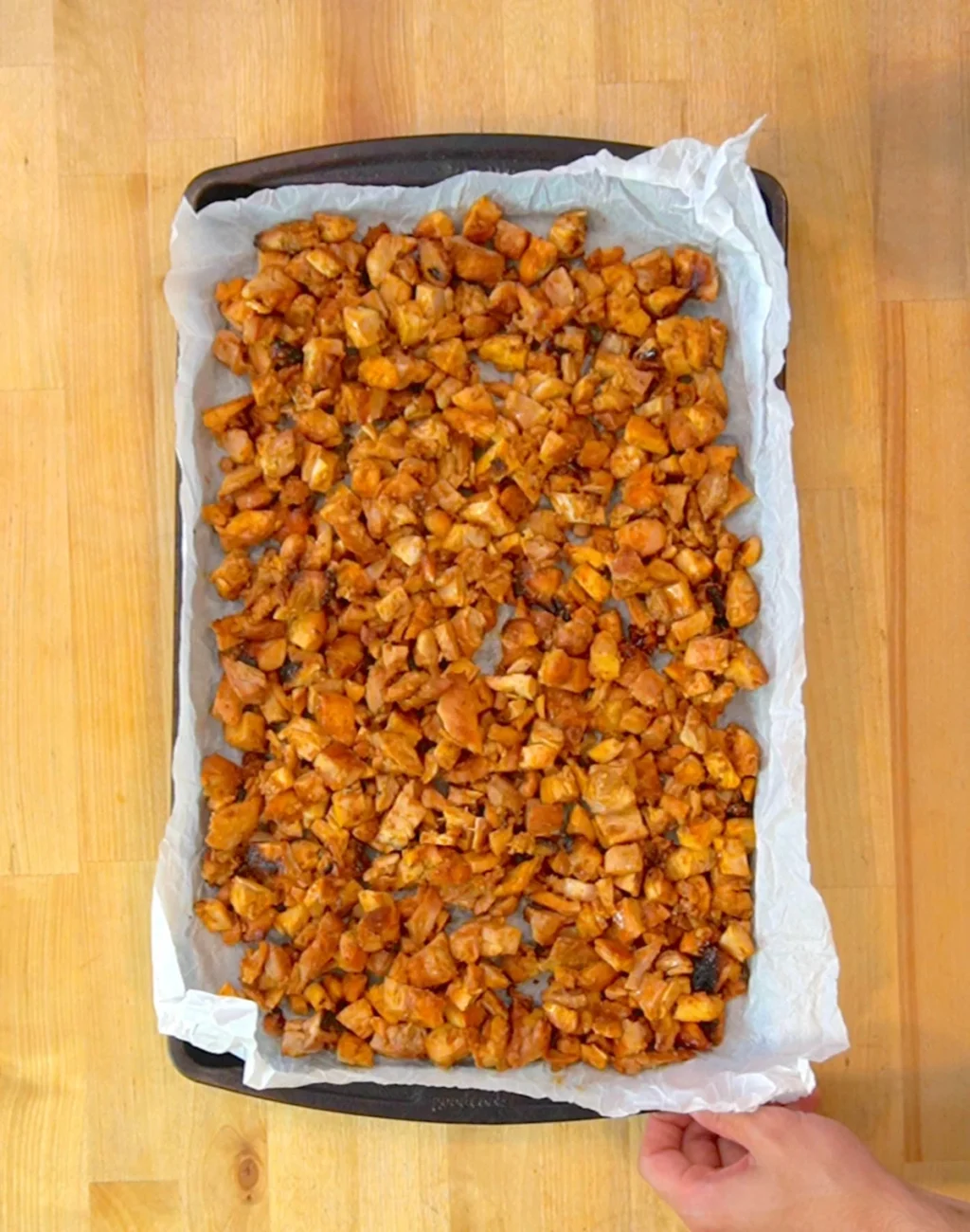
In the modern culinary landscape, where time is often the scarcest resource, the practice of meal prepping has transitioned from a niche hobby into a functional necessity for health-conscious professionals and families alike. At the forefront of this movement is the "Chipotle Chicken for Burrito Bowls," a high-protein, freezer-friendly staple that is redefining how we approach midweek dining. By batch-preparing this nutrient-dense protein, home cooks can ensure they have a reliable, flavorful, and macro-friendly meal ready in minutes, effectively eliminating the temptation of expensive and often less-nutritious takeout options.
Main Facts: The Power of Strategic Batch Cooking
The core appeal of this Chipotle Chicken recipe lies in its efficiency and nutritional profile. Designed to yield ten servings, the recipe is a masterclass in volume cooking. Each serving packs a significant 44 grams of protein while maintaining a lean profile of just 13 grams of fat and 3.4 grams of carbohydrates. With a total calorie count of approximately 309 kcal per serving, it offers an ideal foundation for a balanced burrito bowl, allowing for the addition of complex carbohydrates like brown rice, beans, or fresh vegetables without exceeding caloric goals.
The strategy behind this recipe is "Snack City"—a concept popularized by meal prep enthusiasts to describe the freezer as a curated inventory of pre-cooked, ready-to-heat meals. Instead of spending hours in the kitchen every evening, the user commits to a single session of marinating and cooking, effectively securing ten individual meals that can be stored, frozen, and reheated with minimal loss in texture or flavor.
Chronology: The Lifecycle of a Perfect Batch
Achieving the ideal texture and flavor profile for this chicken requires a systematic approach. The process is broken down into three distinct phases: preparation, marination, and the final cook.
1. Preparation (10 Minutes)
The initial phase involves the assembly of ingredients. Because this is a bulk recipe, efficiency is key. Preparing the marinade, ensuring the chicken is appropriately trimmed, and readying your containers will save significant time in the long run.
2. Marination (3 Hours)
The "magic" of the chipotle flavor lies in the depth of the marinade. A minimum of three hours is required to allow the smokiness of the chipotle peppers to penetrate the fibers of the chicken. This step is non-negotiable for those seeking the authentic flavor profile associated with high-end, fast-casual Mexican dining. The acid in the marinade also serves to tenderize the meat, ensuring it remains succulent even after being reheated in a microwave or oven.
3. Cooking (30 Minutes)
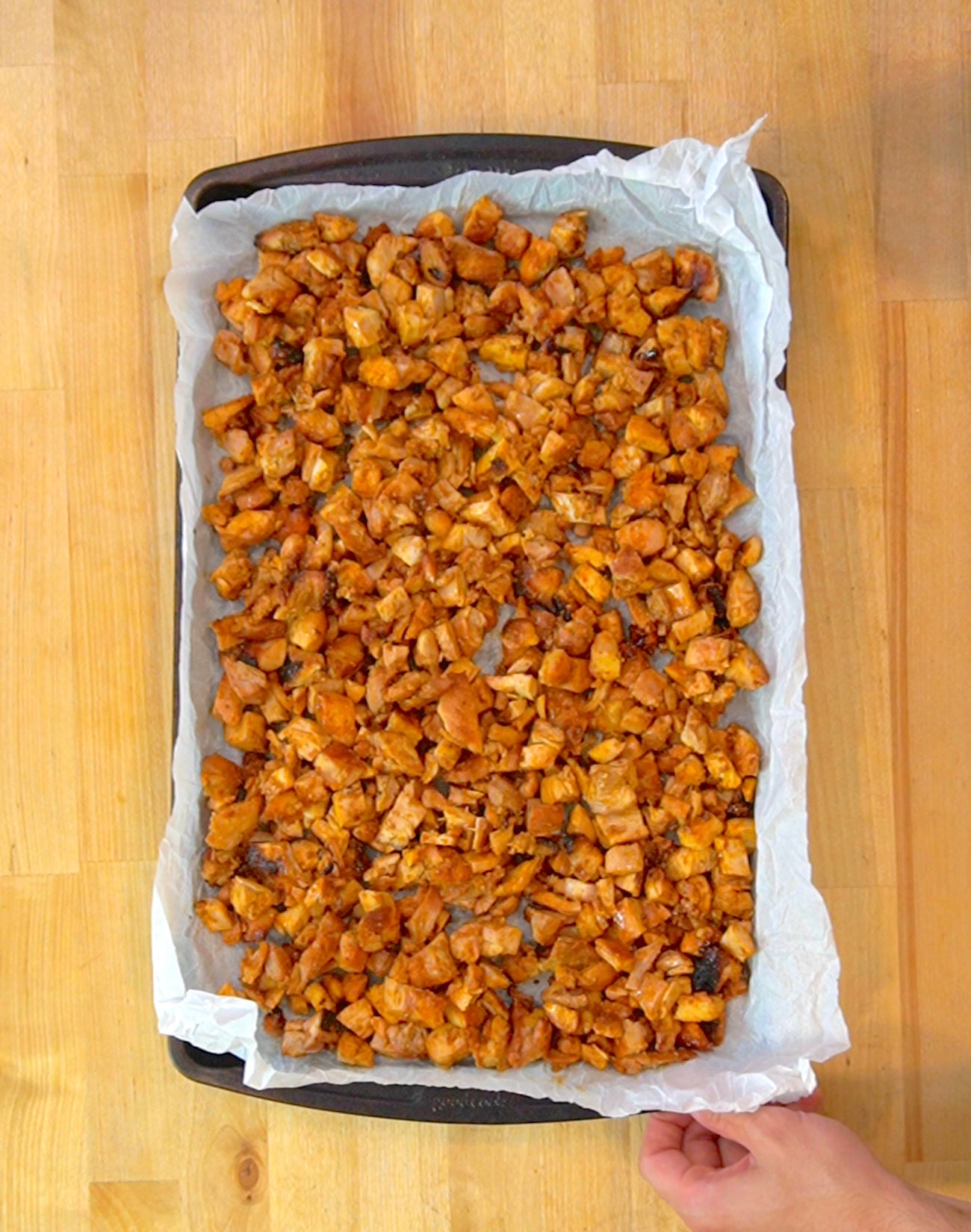
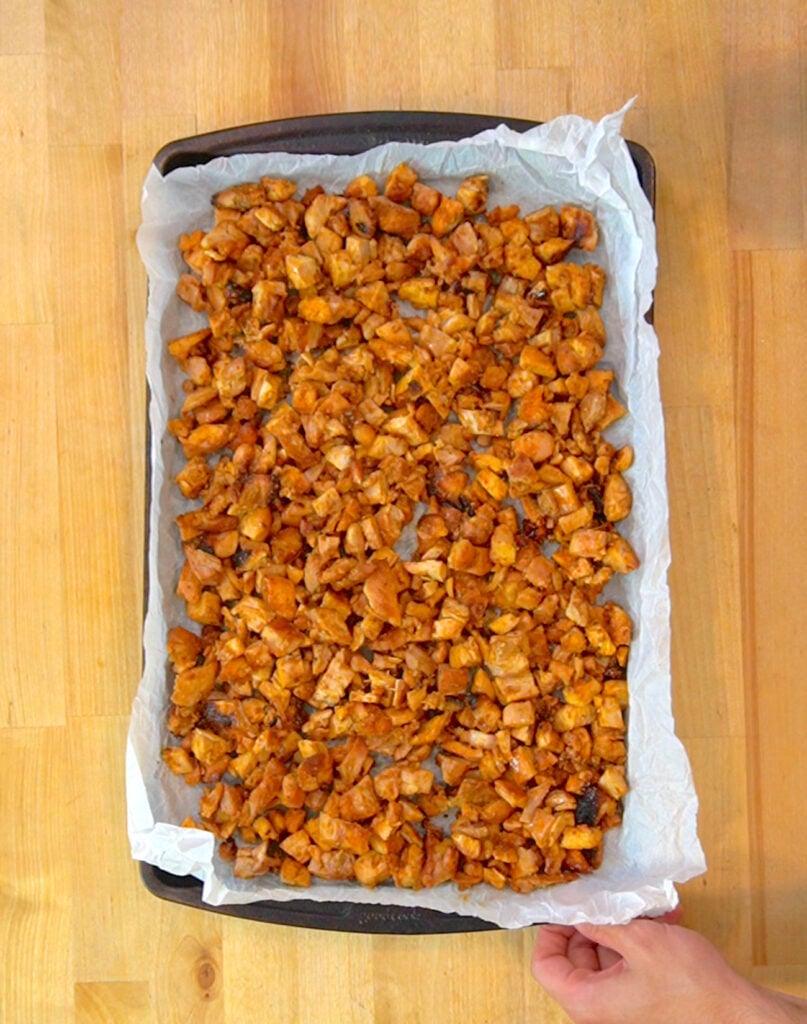
Once the chicken has adequately absorbed the marinade, it is time for the heat application. Whether you choose to grill, roast, or pan-sear, the thirty-minute cooking window is designed to ensure a consistent internal temperature while developing a slight char on the exterior of the chicken, which provides a satisfying textural contrast.
Supporting Data: Nutritional Efficiency
For those tracking their macronutrients, the Chipotle Chicken provides a reliable baseline. The breakdown of 44g of protein against 309 calories is an exceptional ratio for muscle maintenance and satiety.
| Nutrient | Amount per Serving |
|---|---|
| Calories | 309 kcal |
| Protein | 44g |
| Fat | 13g |
| Carbohydrates | 3.4g |
| Fiber | 1.28g |
This data confirms that the dish is inherently low-glycemic, making it suitable for individuals following ketogenic, low-carb, or high-protein diets. By keeping the carbohydrate count low during the protein prep phase, the consumer retains the flexibility to introduce their preferred sides—such as avocado, salsa, or quinoa—without jeopardizing their nutritional targets for the day.
Culinary Implications: Why This Recipe Matters
The rise of recipes like this signifies a shift in consumer behavior. We are moving away from the "all or nothing" approach to cooking, where one either cooks from scratch every night or eats out. Instead, we are seeing the emergence of "semi-prepared" home cooking.
The Financial Impact
Calculating the cost per serving reveals that batch prepping is significantly more economical than purchasing individual meals. By purchasing ingredients in bulk—such as large packs of chicken breast and wholesale spices—the cost per serving drops dramatically compared to a $12–$15 burrito bowl from a chain restaurant. Over a month, a single person could save hundreds of dollars simply by utilizing the freezer for storage.
The Psychological Aspect
There is a distinct mental health benefit to having a "stocked" freezer. The decision fatigue that often sets in at 6:00 PM after a long workday is mitigated when a high-quality, pre-portioned meal is already available. By reducing the friction associated with cooking, individuals are more likely to adhere to their dietary goals, leading to better long-term health outcomes.

Expert Tips for Optimal Results
To maximize the success of your Chipotle Chicken batch, consider these professional-grade adjustments:
- Uniformity is Key: Cut your chicken pieces into uniform sizes. This ensures that every piece cooks at the same rate, preventing the issue where some pieces become overcooked and dry while others remain undercooked.
- The Cooling Period: Never place hot chicken directly into freezer-safe containers. Allow the chicken to cool to room temperature first. This prevents steam from being trapped in the container, which can lead to ice crystals forming on the meat—the primary cause of "freezer burn" and degradation in quality.
- Reheating Strategy: When reheating your burrito bowl, add a splash of water or a light drizzle of lime juice to the container. This creates a small amount of steam that helps rehydrate the chicken, mimicking the moisture it had when it was freshly prepared.
Conclusion: A Blueprint for Consistency
The Chipotle Chicken for Burrito Bowls is more than just a recipe; it is a blueprint for dietary consistency. By leveraging the principles of batch cooking, you transform your kitchen into a controlled environment where nutrition is predictable and accessible. As the trend of meal prepping continues to evolve, the focus will likely remain on these high-impact, low-maintenance recipes that allow us to eat well without being chained to the stove.
Whether you are a fitness enthusiast looking to hit your protein macros or a busy parent trying to streamline the weeknight dinner rush, this approach offers a sustainable, delicious, and efficient path forward. With the basic framework provided, you are now equipped to populate your own "Snack City," ensuring that when life gets busy, your health and nutrition don’t have to take a backseat. Start your first batch today, and experience the convenience of having a chef-quality, protein-packed meal waiting for you in the freezer.