The Art of Efficiency: Mastering the 35-Minute Crispy Chili Beef Noodles Meal Prep
In the fast-paced landscape of modern nutrition, the challenge for the health-conscious professional is rarely about knowing what to eat, but rather finding the time to prepare it. As dietary trends shift toward high-protein, balanced-macro lifestyles, the culinary world has seen a surge in "functional cooking"—recipes designed specifically to maximize efficiency without compromising on flavor or satiety.
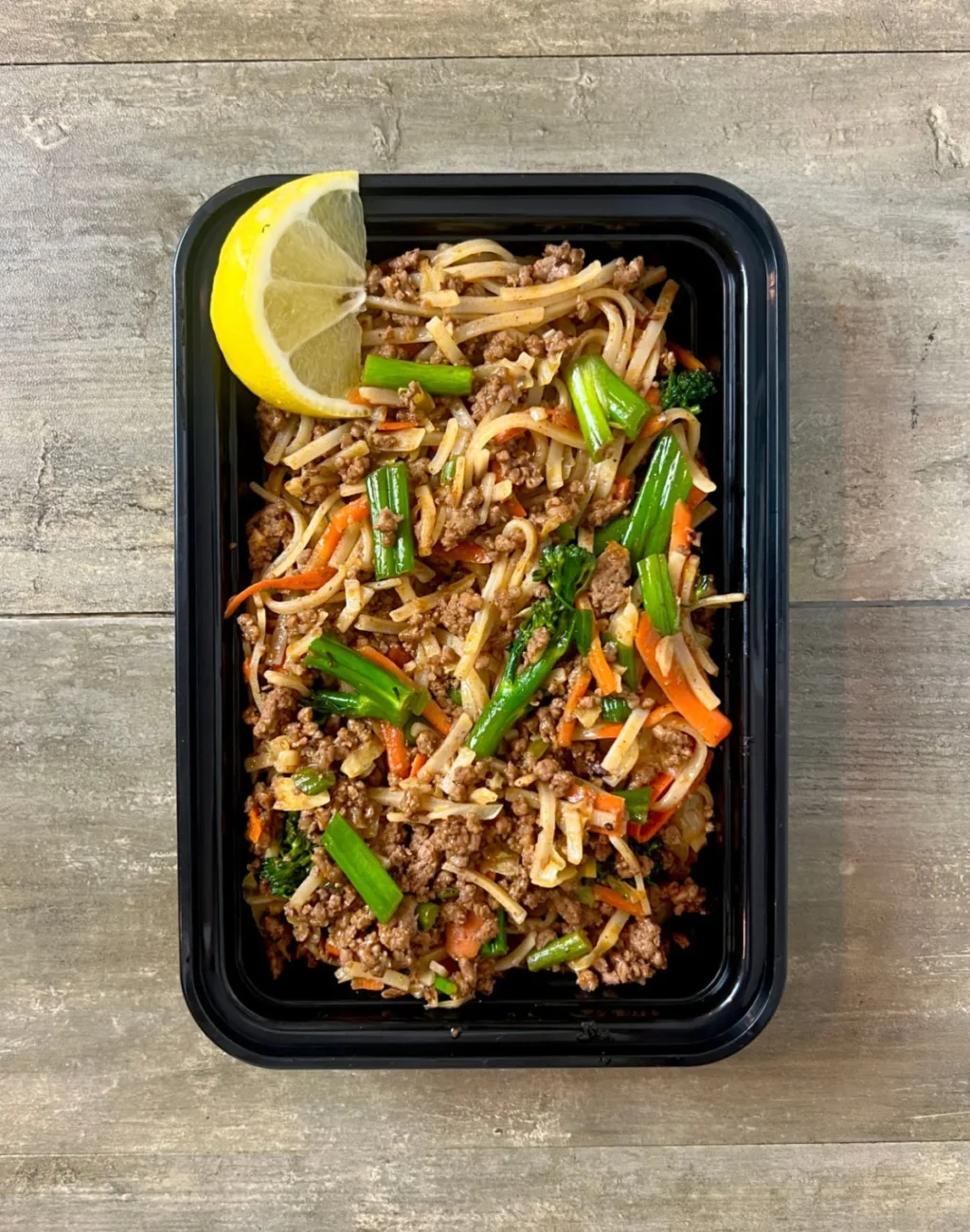
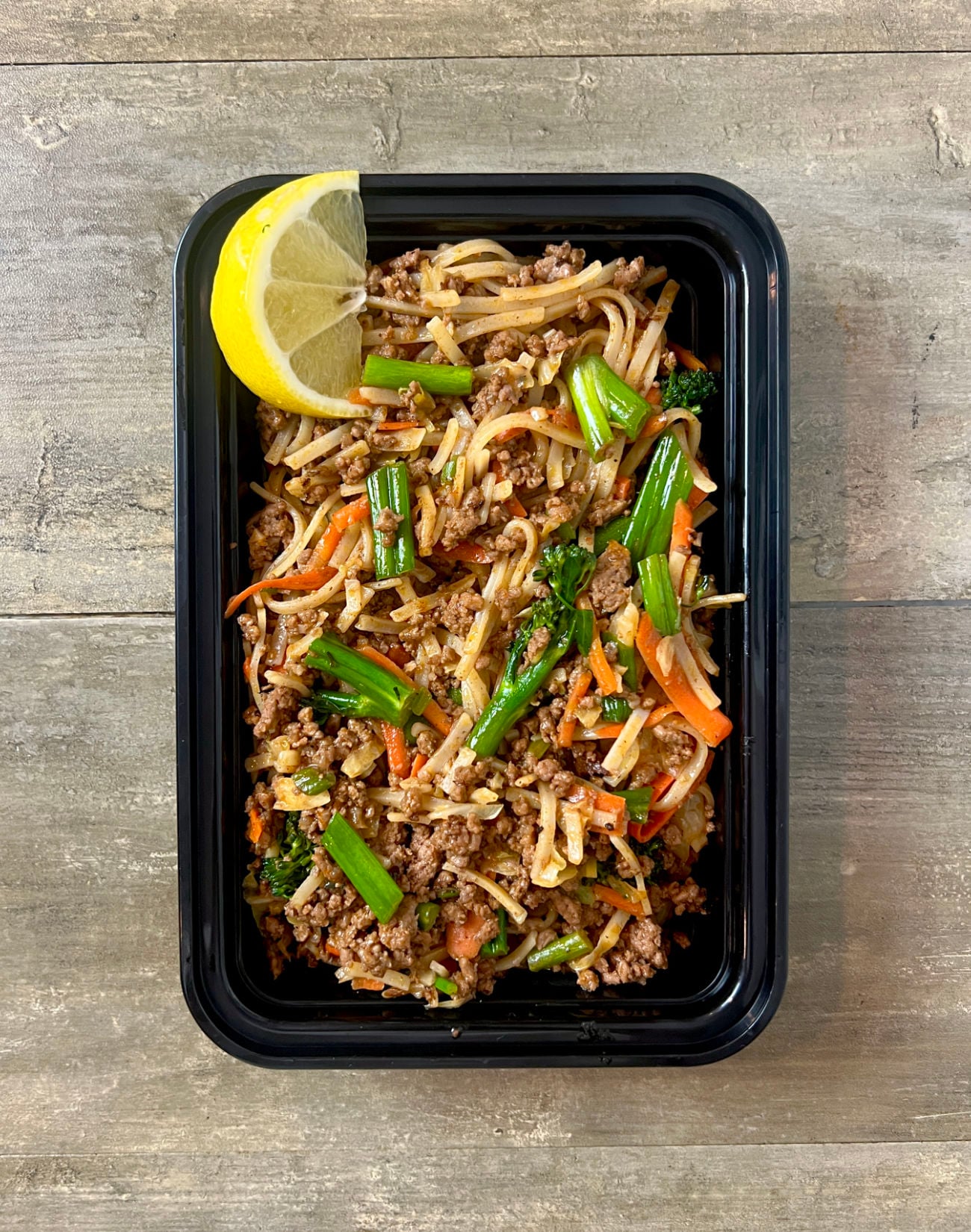
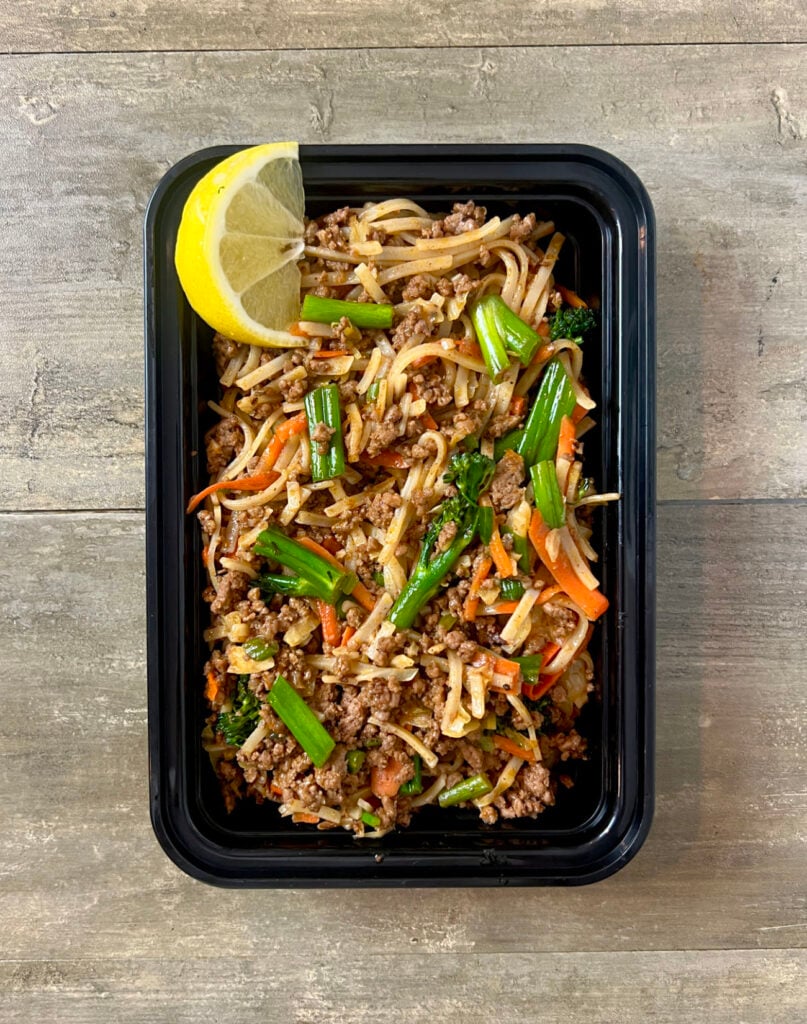
One such standout dish making waves in the meal prep community is the Crispy Chili Beef Noodles. A masterful blend of textures, bold Korean-inspired aromatics, and precise nutritional architecture, this dish has become a blueprint for those looking to reclaim their weeknight schedule. By dedicating just 35 minutes to the kitchen, one can produce five nutrient-dense meals that defy the common stigma that "meal-prepped food" lacks the vibrancy of fresh cooking.
The Core Concept: Engineering the Perfect Meal Prep
The fundamental appeal of the Crispy Chili Beef Noodles lies in its structural integrity. Unlike delicate vegetable-heavy stir-fries that lose their texture after 48 hours in the refrigerator, this dish relies on the robust nature of ground beef and the structural resilience of Asian-style noodles.
The process is a masterclass in streamlined kitchen management. By leveraging the high heat of a wok or large skillet, the beef is rendered until it achieves a signature "crispy" texture—a textural contrast that provides the mouthfeel usually reserved for restaurant-grade appetizers. When combined with a complex, umami-rich sauce derived from gochujang (Korean fermented chili paste), the dish avoids the one-dimensional flavor profiles that often plague batch-cooked meals.
A Chronological Breakdown of the 35-Minute Process
Efficiency is not merely about speed; it is about the intelligent sequencing of tasks. To achieve the 35-minute turnaround, the preparation is divided into distinct operational phases:
1. Preparation and Mise en Place (Minutes 0–10)
The first ten minutes are critical. This phase involves chopping the medley of vegetables and whisking the gochujang-based sauce. By preparing the sauce in a separate bowl before the heat is applied, the cook ensures that the final assembly is rapid and seamless, preventing the overcooking of ingredients.

2. Rendering the Beef (Minutes 10–20)
The heart of the dish is the crispy beef. By allowing the ground meat to sit undisturbed in a hot pan, the fat renders out and the proteins brown deeply. This stage provides the foundation of the dish’s flavor profile.
3. The Vegetable Medley and Noodle Integration (Minutes 20–30)
Once the beef has reached the desired level of crispness, the vegetables are introduced. Because they are added late in the cooking process, they retain a "snap" that survives the transition to storage containers. Finally, the pre-boiled noodles are folded into the mixture, absorbing the excess rendered fat and the vibrant red hue of the chili sauce.

4. Final Plating and Portioning (Minutes 30–35)
The final five minutes are dedicated to systematic distribution. Utilizing a food scale ensures that each of the five containers adheres to the prescribed 617-calorie target, removing the guesswork from weekly nutrition.
Supporting Data: The Nutritional Architecture
For the fitness enthusiast, the numbers are as important as the taste. The Crispy Chili Beef Noodles are engineered to meet high-performance requirements. Each of the five servings provides:

- Calories: 617 kcal
- Protein: 47g
- Carbohydrates: 55g
- Fat: 23g
- Fiber: 5.3g
The high protein content—sourced from the beef—is essential for muscle repair and satiety, making this an ideal post-workout meal. The inclusion of gochujang adds depth without excessive calories, while the vegetable medley contributes vital micronutrients and fiber, which aid in digestion and blood sugar regulation.
The inclusion of these specific macros suggests the meal is designed for an active individual—someone requiring a significant caloric intake to fuel daily activity while maintaining a lean body composition. The carbohydrate source provides sustained energy, while the fat content is kept moderate to ensure the dish remains palatable without becoming overly heavy.

Culinary Implications: Why Gochujang Changes the Game
The decision to utilize gochujang is the defining factor in this recipe’s success. As a fermented ingredient, it brings more than just heat; it introduces a sophisticated complexity that balances sweetness, salt, and spice. In the context of meal prep, fermentation is a secret weapon. Because the sauce is shelf-stable and potent, the flavors actually deepen during the storage period.
Unlike recipes that rely on fresh, volatile herbs that wilt over time, the gochujang base remains stable. This means that a container opened on Friday will taste just as vibrant as the one eaten on Monday. This "flavor-aging" property is exactly what the professional meal-prepper seeks—a dish that improves with time rather than degrading.

Broader Implications for Modern Nutrition
The popularity of recipes like the Crispy Chili Beef Noodles signals a shift in how society views "dieting." The era of bland, steamed chicken and broccoli is effectively over. Today’s consumer demands a culinary experience that mimics the restaurant environment while providing the strict nutritional controls of a professional athlete’s diet.
This recipe highlights three critical trends in modern food culture:

- Macro-Optimization: The ability to calculate exact protein, carb, and fat ratios is now a standard requirement for home cooks.
- Texture Retention: As people transition to eating prepared meals for 3–5 days, the focus has shifted toward ingredients that hold up to reheating—beef, root vegetables, and sturdy noodle varieties.
- Global Flavor Integration: Using ingredients like gochujang allows for "restaurant-quality" experiences at home, reducing the temptation to order takeout, which is often higher in sodium and hidden fats.
Conclusion: Sustainability in the Kitchen
The Crispy Chili Beef Noodles serve as a reminder that healthy eating does not have to be a chore. When treated as an engineering problem, the kitchen becomes a space of efficiency. By investing 35 minutes on a Sunday, the practitioner saves hours of decision-making and preparation throughout the week.
As we look toward the future of home cooking, the emphasis will continue to be on this intersection of speed, flavor, and physiological benefit. Whether you are a fitness professional, a busy parent, or simply someone who appreciates a well-balanced meal, this recipe offers a reliable, delicious, and data-backed solution to the daily "what’s for dinner?" dilemma. By mastering the sequence and understanding the nutritional value of each component, you are not just cooking; you are building a foundation for a healthier, more productive week.