The Micro-Reader Revolution: A Deep Dive into the Xteink X4 Pro
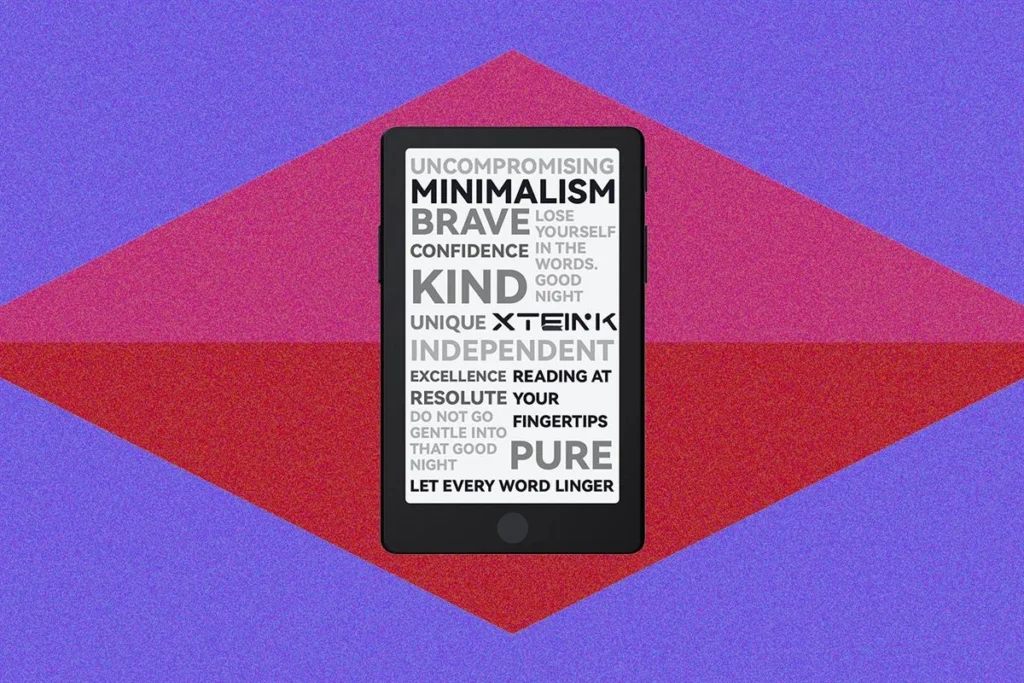
In an era where technology is increasingly defined by "bigger is better"—with smartphones ballooning to tablet-like proportions and monitors stretching across desks—Xteink is swimming against the tide. The company’s latest offering, the X4 Pro, is a masterclass in minimalism. It is, quite possibly, the smallest e-reader on the market, designed not to replace your phone, but to live on the back of it.
While the X4 Pro is undeniably the company’s most refined piece of hardware to date, it arrives with a caveat that defines the entire user experience: it is a device for the enthusiast, the tinkerer, and the dedicated reader, rather than the casual consumer looking for an out-of-the-box solution.
Main Facts: The X4 Pro at a Glance
The Xteink X4 Pro is a 4.3-inch e-ink device that prioritizes portability above all else. Unlike standard e-readers that aim to replicate a paper book, the X4 Pro aims to replicate a pocket-sized notebook.

Key Specifications:
- Display: 4.3-inch high-clarity E-Ink screen with a dual-tone front light.
- Interface: Capacitive touchscreen paired with physical, silent-action navigation buttons.
- Build: Ultra-slim profile (5.95 mm) weighing only 72 grams.
- Storage: 16 GB internal memory, expandable up to 256 GB via a dedicated microSD slot.
- Connectivity: App-integrated Wi-Fi transfer, USB-C support for manual file management.
- Compatibility: Supports TXT, EPUB, MOBI, PDF, JPG, and PNG formats.
The core value proposition of the X4 Pro is its magnetic integration. Unlike its predecessor, the X4, which struggled with connection strength, the Pro model features an enhanced magnetic backplate that snaps firmly onto modern smartphones—including the iPhone 16 Pro—without the need for proprietary cases.
A Chronology of the Micro-Reader Trend
The emergence of the "micro-reader" category is a relatively recent phenomenon, largely driven by a growing desire to disconnect from the "always-on" nature of smartphones.

- Pre-2023: The market was dominated by standard 6-to-7-inch e-readers like the Kindle Paperwhite and Kobo Libra. Users seeking smaller alternatives often turned to older, discontinued models or obscure import devices.
- Early 2024: The launch of the Boox Palma brought the "phone-sized" e-reader into the mainstream. While successful, the Palma functioned as a full-fledged Android device, blurring the lines between e-reader and smartphone.
- Mid-2024: Xteink entered the fray with the original X4. It was praised for its size but criticized for its lack of a touchscreen, limited battery life (650 mAh), and weak magnetic attachment.
- Late 2024/Early 2025: Xteink addresses these shortcomings with the X4 Pro. By adding a 1100 mAh battery, a touchscreen, and a redesigned chassis, the company signaled a shift toward professional-grade hardware for niche readers.
Supporting Data: Performance and User Experience
In practical application, the X4 Pro is a curious mix of high-end utility and experimental design. The 4.3-inch screen is, by definition, limiting. A standard page of text fits roughly one and a half paragraphs before the user must navigate to the next page. For those accustomed to the long, sweeping pages of a 10-inch tablet, this creates a frantic, constant need for page-turning. However, for those reading in short bursts—on a subway, in a waiting room, or during a quick lunch—it is exceptionally efficient.
The "BYOB" (Bring Your Own Books) Paradigm
The most significant barrier to entry is the software ecosystem. The X4 Pro lacks a native bookstore. There is no "one-click" purchase button, no integrated library system like Libby, and no ecosystem of DRM-protected content.
Users are required to act as their own librarians. The process involves:

- Sourcing DRM-free EPUB or TXT files.
- Using tools like Calibre to manage and format these files.
- Syncing them to the device via the Xteink mobile app or a direct USB connection.
While this may sound daunting to the average Kindle user, it is a dream for the open-source community. Because the device is essentially "unlocked," users can install custom reading software such as CrossPoint or Crossink. This flexibility allows power users to tailor the interface, font rendering, and library organization to their exact specifications.
Visual Fidelity and Battery Life
The inclusion of a dual-tone front light is a major upgrade. It allows users to toggle between warm and cool tones, significantly reducing eye strain during late-night reading sessions. While the images—whether photos from an article or fan-art from a story—are technically "grainy" due to the hardware’s resolution, the contrast is high, and the detail is remarkably sharp for a display of this size.
Battery life is significantly improved. The jump from 650 mAh to 1100 mAh means that for the average user, the device can comfortably last through a week of moderate reading. However, because the device supports third-party software installations, battery consumption is highly variable. Heavy usage of custom apps or constant Wi-Fi syncing will drain the power cell much faster than static, offline reading.

Official Responses and Developer Intent
Xteink has maintained a low profile regarding its corporate strategy, but the design choices of the X4 Pro speak volumes. By focusing on a "clean" OS and providing an open-source-friendly environment, the company is effectively positioning itself as the "Linux of e-readers."
In documentation provided with the device, Xteink notes that the "Pushed Books" and "Pushed Images" folders are designed for simplicity. Their focus is on the transfer of information from the web to the handheld device. The company’s emphasis on URL-to-text conversion suggests they view the device as a tool for "long-form consumption"—a dedicated space for articles, essays, and serialized content that would otherwise be lost in the infinite scroll of a social media feed.
Implications for the E-Reader Market
The Xteink X4 Pro represents a larger shift in consumer electronics: the rise of the "Single-Purpose Device."

The Decline of Distraction
The primary implication of the X4 Pro is the separation of "leisure reading" from "information consumption." By physically separating your books from your smartphone, you eliminate the constant barrage of notifications, emails, and social media pings that usually accompany reading on a phone. The X4 Pro is a sanctuary device; it does one thing, and it does it well.
The Hurdle of Accessibility
However, the market impact of the X4 Pro is likely to remain limited. The average consumer is accustomed to the seamless integration of Amazon’s Kindle store or the Kobo ecosystem. The necessity of using Calibre, managing file formats, and navigating the nuances of DRM-free content creates a "tech-literacy barrier."
If Xteink hopes to expand beyond the enthusiast niche, it will need to bridge the gap between "open-source freedom" and "user-friendly convenience." The current state of the device is a testament to the fact that while technology can be made smaller and more portable, the process of consuming content remains tethered to the accessibility of that content.

A Niche Winner
Ultimately, the Xteink X4 Pro is not for everyone. It is a specialized tool for the reader who values the tactile feel of a physical device and the freedom of owning their files. For the fan-fiction reader, the digital nomad, or the student who prefers to read long-form essays away from a glowing screen, the X4 Pro is a breakthrough. It is a reminder that in a world of massive, interconnected screens, there is still immense value in holding a tiny, quiet, and deliberate piece of technology in the palm of your hand.