The Art of the Italian Classic: Mastering Gluten-Free Tiramisu
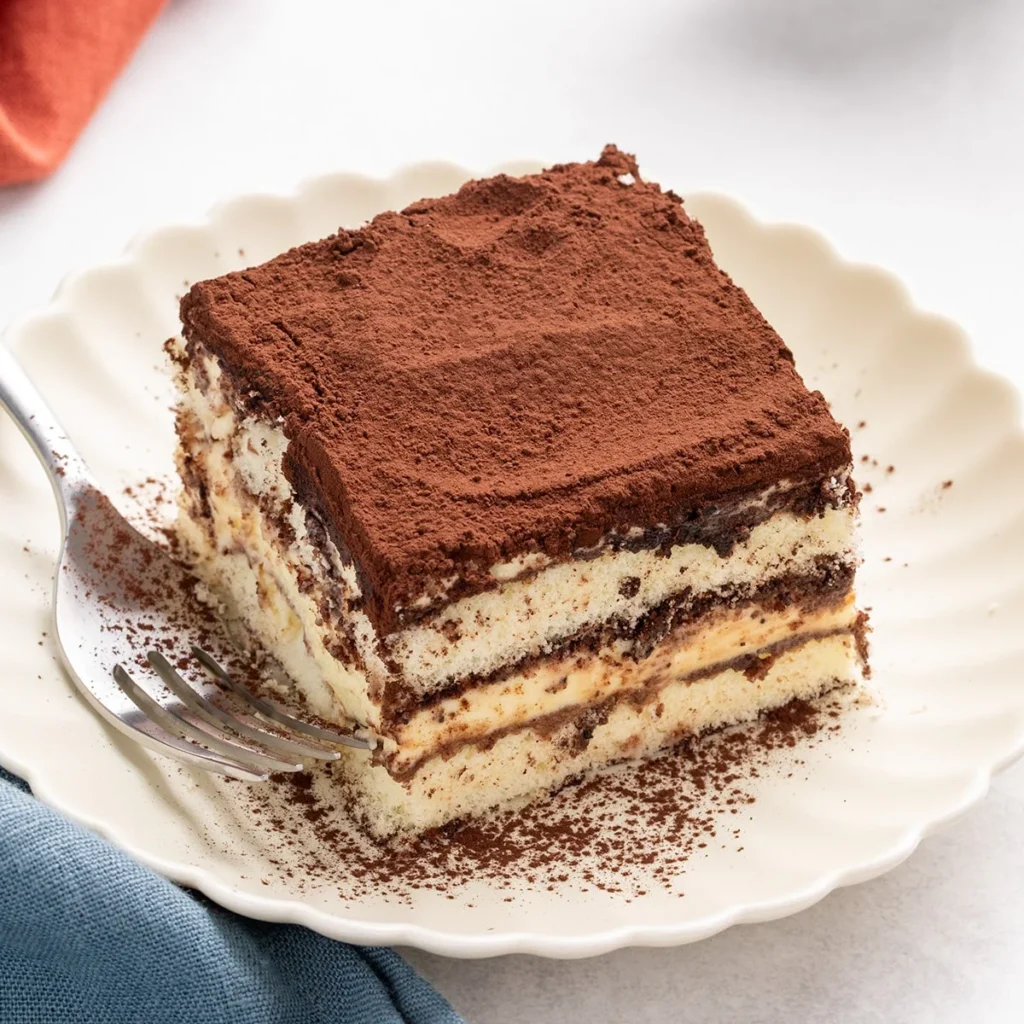
For many, the mention of tiramisu evokes memories of elegant Italian bistros—the perfect balance of bitter espresso, velvety mascarpone, and the delicate, sponge-like bite of a ladyfinger. For the gluten-free community, however, this iconic "pick-me-up" has long been a source of culinary frustration. Traditional recipes rely heavily on wheat-based sponge cookies that provide the essential structural integrity required to absorb coffee without dissolving into mush.
Fortunately, a new approach to this classic dessert is changing the narrative. By marrying traditional techniques with modern gluten-free baking strategies, home chefs can now create a tiramisu that is indistinguishable from its wheat-laden counterpart. This guide explores the meticulous science, assembly, and preparation required to master the gluten-free tiramisu.
Main Facts: The Anatomy of a Perfect Tiramisu
At its core, tiramisu is a study in texture and contrast. It is not baked; rather, it is a “refrigerator cake” that relies on the gradual absorption of liquids into a dry substrate, supported by a stabilized custard filling.
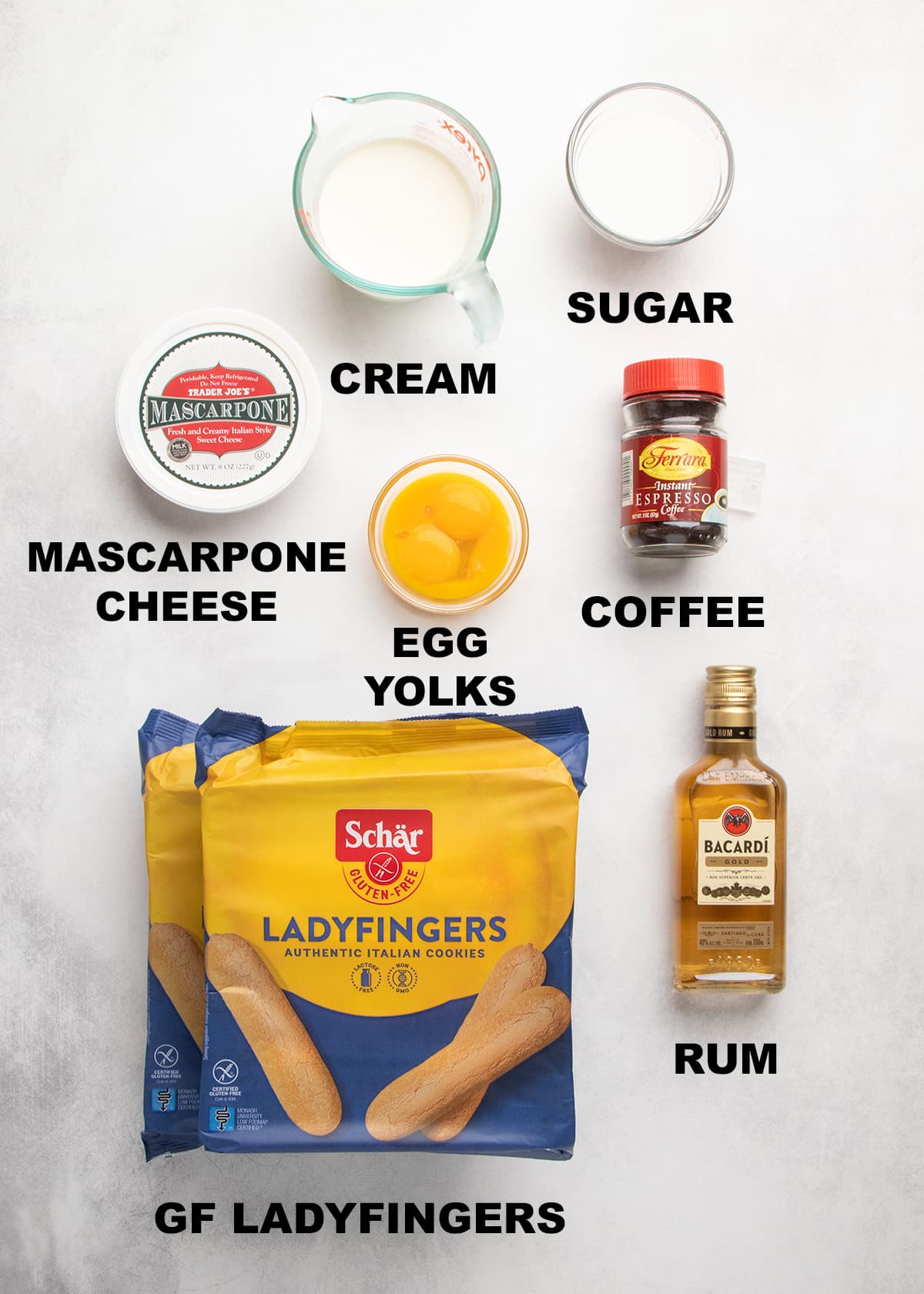
The primary challenge for gluten-free bakers is the ladyfinger (savoiardi). Gluten-free versions, such as those produced by Schär, are often more fragile and porous than traditional wheat-based cookies. Because they lack the elastic protein structure of gluten, they are prone to disintegrating upon contact with liquid.
To combat this, the "painting" method—brushing the coffee-rum mixture onto the cookies rather than dipping them—is the gold standard. When combined with a cooked egg yolk base, which provides structural rigidity, the result is a dessert that is sliceable, elegant, and rich in flavor.

Chronology: The Step-by-Step Preparation
The creation of a professional-grade gluten-free tiramisu is a process that demands patience and precision. The following sequence ensures success in the kitchen.
1. The Custard Base
The process begins with the egg yolks and sugar. Rather than using raw eggs, which can lead to a runny, unstable filling, culinary experts recommend cooking the yolks in a double boiler. By whisking the yolks and sugar over simmering water, the cook achieves a pale, thickened "ribbon" stage at approximately 170°F. This step is critical: it renders the eggs safe for consumption while simultaneously creating a dense protein structure that will eventually hold the mascarpone in place.
2. The Whipped Cream Integration
While the yolk base cools to room temperature, the heavy cream is whipped. A key secret to a stable filling is the speed of the whip. By using a medium-low speed over an extended period (8–10 minutes), the baker creates a highly stable, tight foam. This foam is significantly more resistant to room-temperature degradation than a fast, high-speed whip.
3. The Mascarpone Marriage
Once the yolk base is cool, it is folded into the softened mascarpone and rum. This mixture is then gently combined with the whipped cream. The goal here is aeration; using a silicone spatula to fold in the cream ensures that the filling remains light and airy, avoiding the heavy, dense texture that often plagues poorly executed versions of the dish.
4. Layering and The "Painting" Technique
Because gluten-free ladyfingers are inherently fragile, the assembly requires a light touch. Instead of the traditional dip, use a pastry brush to coat each side of the ladyfinger. This controlled application prevents the cookies from becoming oversaturated. The base layer should be tightly packed to provide a solid foundation for the subsequent layers of filling.
5. The Mandatory Chill
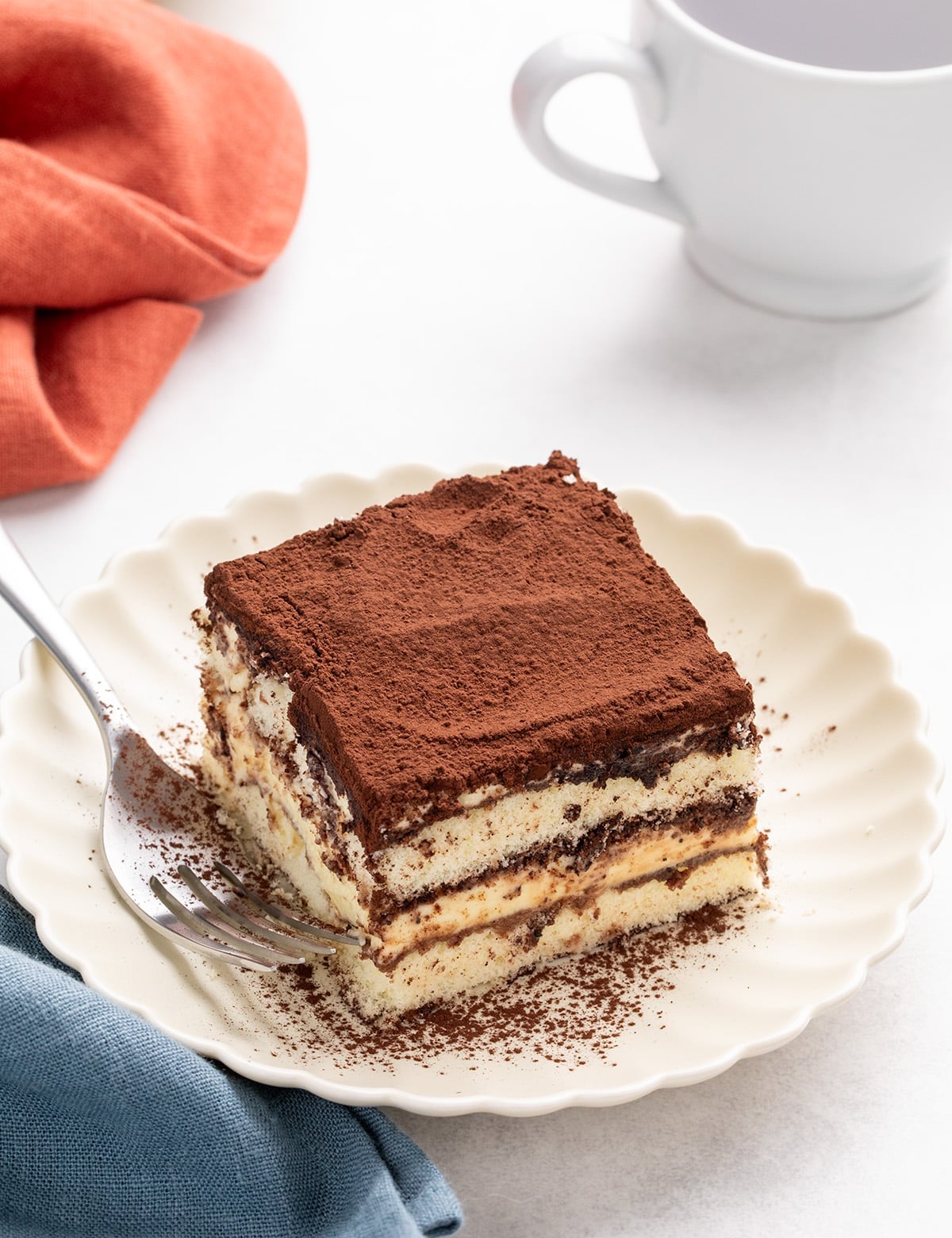
Tiramisu is not a dish that can be served immediately. A minimum of six hours—though preferably overnight—in the refrigerator is required. During this time, the moisture from the coffee and the fats from the mascarpone permeate the ladyfingers, transforming them from dry cookies into a tender, cake-like layer.
Supporting Data: Nutrition and Component Profiles
While indulgence is the primary goal of any dessert, understanding the nutritional profile helps in managing portions. A standard serving of this gluten-free tiramisu (based on a 9-square cut) contains approximately 390 kcal.
Key Nutritional Breakdown (per serving):
- Total Fat: 22g (13g Saturated)
- Carbohydrates: 38g
- Protein: 6g
- Cholesterol: 160mg
The use of mascarpone—a high-fat Italian cream cheese—is the primary driver of the caloric density, providing the luxurious mouthfeel that defines the dish. The inclusion of egg yolks adds both structure and essential lipids, contributing to the rich, golden hue of the filling.
Expert Insights: Addressing Common Failures
Professional bakers often emphasize that "gluten-free" does not have to mean "lesser quality." However, common mistakes often lead to failures in presentation.
The "Soggy Cookie" Syndrome
If the ladyfingers disintegrate, the cause is almost always over-saturation. By opting for the pastry brush method over total immersion, the baker controls the exact liquid-to-starch ratio. If you find the cookies are still too delicate, a quick toast in a low-temperature oven (250°F for 5-8 minutes) before assembly can reinforce their structural integrity.
The Temperature Factor
Never combine the whipped cream with a warm egg-yolk mixture. The residual heat will melt the fats in both the mascarpone and the cream, resulting in a soup-like consistency that will never set. Ensuring that both the yolk base and the whipped cream are cool before folding is the single most important rule for achieving a sliceable dessert.
The Cocoa Dusting Dilemma
A common error is dusting the cocoa powder on the top too early. Cocoa powder is highly hygroscopic; it will absorb moisture from the cream and turn into a dark, unappealing paste within hours. To maintain a professional aesthetic, apply the cocoa through a fine-mesh sieve only about 60 minutes before serving.
Implications: The Evolution of Gluten-Free Baking
The ability to create a restaurant-quality tiramisu without wheat flour is indicative of a broader shift in the culinary world. For those with Celiac disease or gluten sensitivities, the "compromise" era of gluten-free dining is effectively over.
By substituting specialized products like Schär ladyfingers or even high-quality gluten-free graham crackers, home cooks are proving that the traditional Italian dessert is not tethered to wheat. This development has significant implications for home hosting and restaurant menus, as it allows for a universal dessert experience. When a dessert is as rich, creamy, and structurally sound as this, the distinction between "regular" and "gluten-free" vanishes entirely, leaving only the experience of a classic, well-executed masterpiece.
Final Tips for the Modern Baker
- Superfine Sugar: Use caster sugar rather than standard granulated for a smoother, silkier filling.
- The Alcohol: While dark rum or coffee liqueur (like Kahlúa) is traditional, it can be omitted for a kid-friendly version without compromising the dessert’s structure.
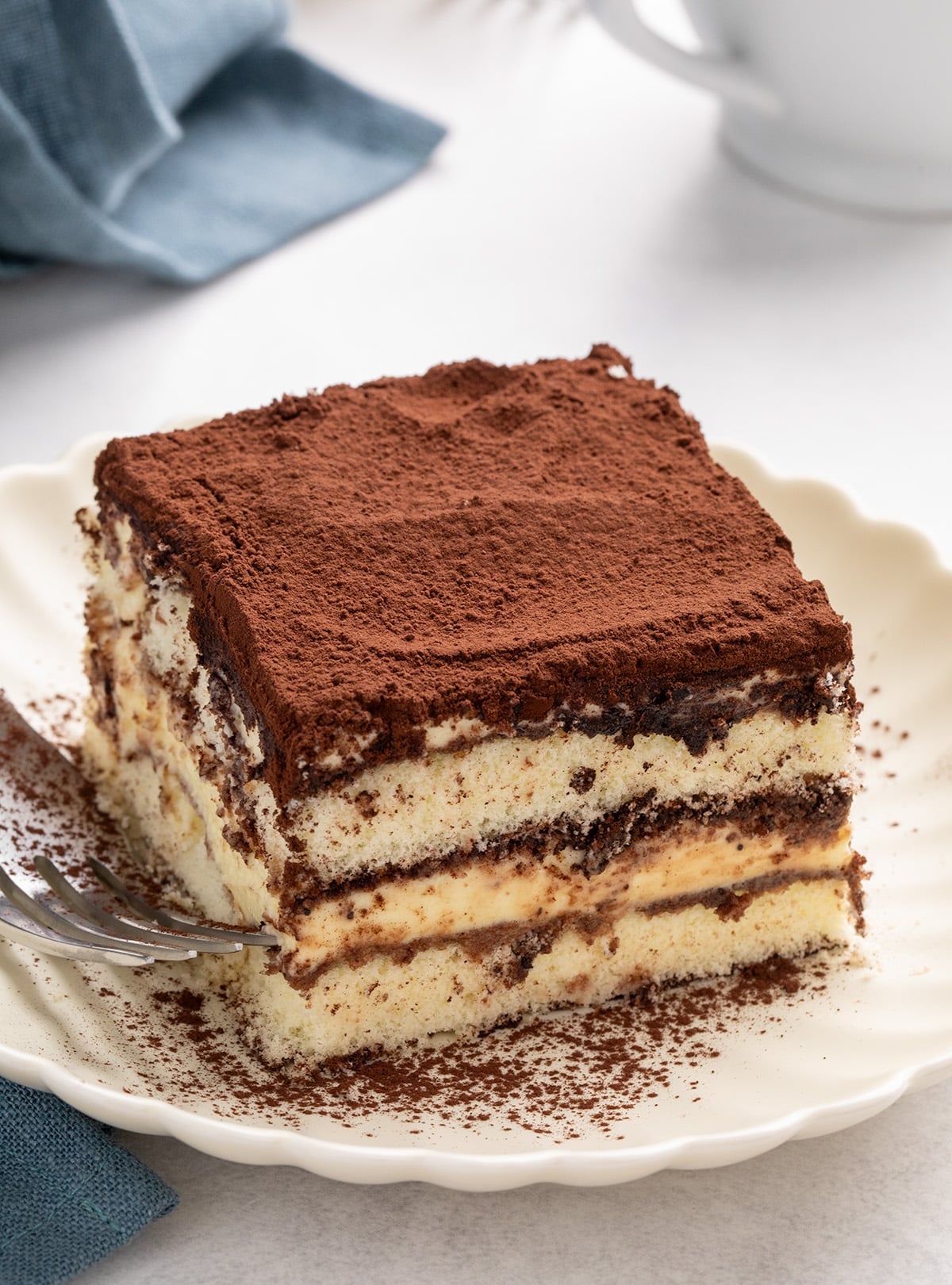
- Serving: Use a metal bench scraper to cut through the layers. Because the dessert is chilled, a clean, sharp edge is necessary to ensure the layers remain distinct on the plate.
Whether you are preparing this for a dinner party or simply seeking a sophisticated end to a weeknight meal, this gluten-free tiramisu proves that culinary heritage is accessible to everyone, provided you have the right technique and a little bit of patience.