Cultivating Resilience: Expert Strategies for a Water-Wise Landscape
As climate patterns shift and summer heat waves grow more persistent, gardeners across the country are facing a new reality: the "thirsty" garden is becoming a relic of the past. For those grappling with water restrictions and the high environmental and financial costs of irrigation, the latest episode of the Super Cool Plants podcast serves as an essential guide to transformation. Whether you are looking to convert a high-maintenance lawn into a xeriscape or simply trying to keep your container gardens alive through a scorcher, the message from our experts is clear: you don’t have to sacrifice beauty to achieve sustainability.
The Shift Toward Drought-Tolerant Gardening
In an era of increasing water scarcity, the gardening community is undergoing a fundamental shift in philosophy. The traditional, water-intensive landscape—often dominated by thirsty lawns and exotic plants requiring constant hydration—is being replaced by a design ethos focused on regional resilience. This shift isn’t just about survival; it is about working with, rather than against, the local climate.
On the latest installment of Super Cool Plants, the podcast team brought together two leading horticultural experts representing distinct climatic zones: the Mid-Atlantic and the Southwest. By contrasting these two regions, the discussion highlights that while the specific species may change based on geography, the underlying principles of water-wise gardening remain universal. The episode serves as a masterclass in selecting "thirst-averse" plants and organizing them to maximize efficiency, proving that a stunning, lush garden can thrive even in the absence of consistent rainfall.
Chronology of the Water-Wise Movement
The movement toward sustainable landscaping didn’t happen overnight. It has been a decades-long evolution influenced by environmental data and horticultural innovation:

- The Early 2000s: The term "xeriscaping" began to move from a niche desert-gardening concept into the mainstream, as Western states faced record-breaking droughts.
- 2010–2020: Increased awareness of local ecology and pollinator health led to the "native plant" surge. Gardeners began realizing that native plants are inherently adapted to regional rainfall patterns, reducing the need for supplemental water.
- 2020–Present: With the rise of record-shattering heat waves and municipal water restrictions, the focus has shifted toward "climate-resilient" design. This approach prioritizes soil health, hydro-zoning, and the selection of plants that can tolerate both extreme dryness and occasional heavy deluges.
Expert Picks: Drought-Tolerant Powerhouses
The core of the Super Cool Plants discussion revolves around plant selection. Our experts broke down their "go-to" choices, categorizing them by the specific challenges they solve.
Natalie’s Southwest Selections
In the arid climate of the Southwest, plant selection is a matter of survival. Natalie emphasized species that have evolved to store water or minimize evaporation through specialized leaf structures.
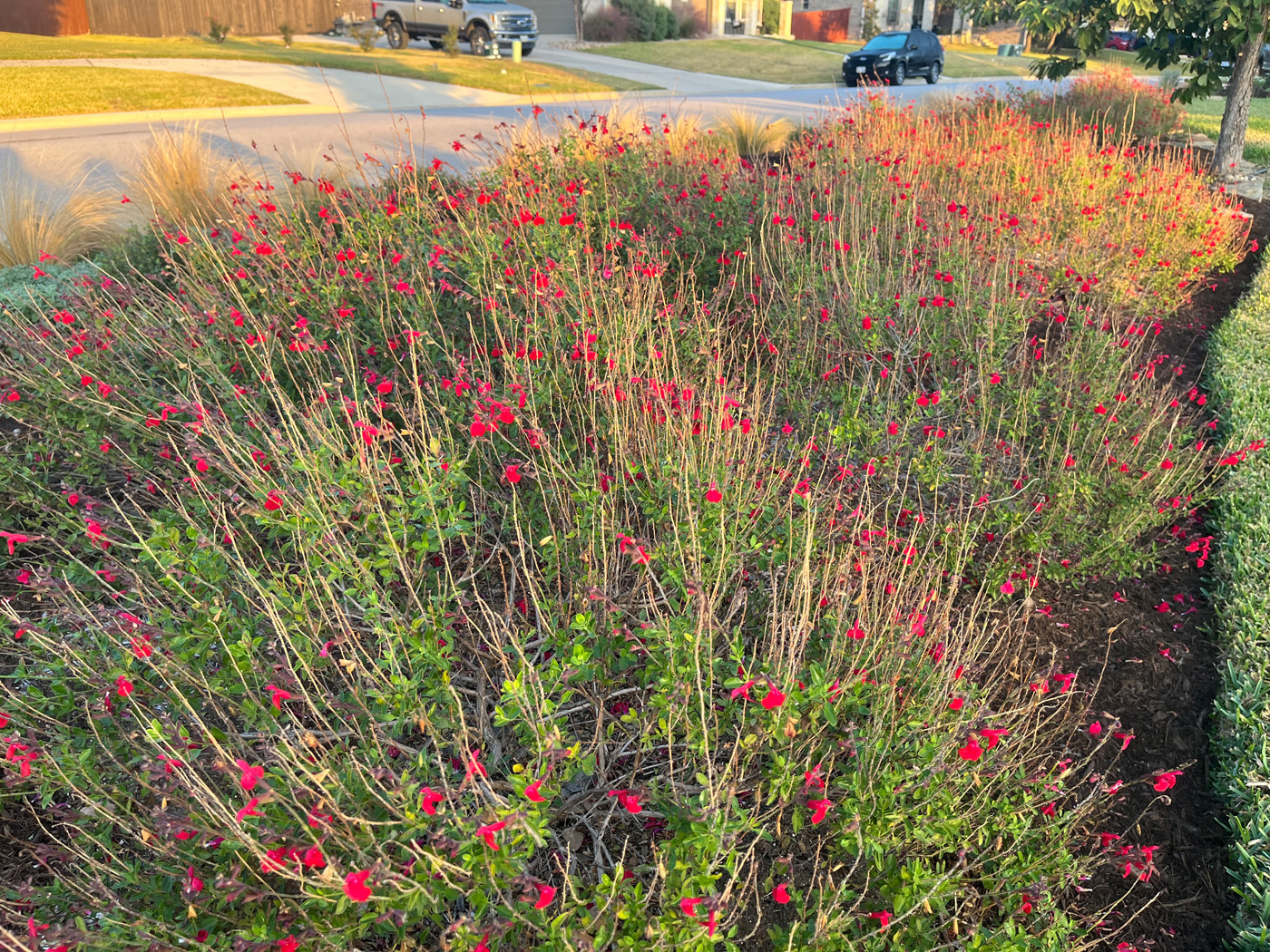
- Autumn Sage (Salvia greggii): A pollinator favorite, this plant is remarkably drought-tolerant once established and provides vibrant color throughout the hottest months.
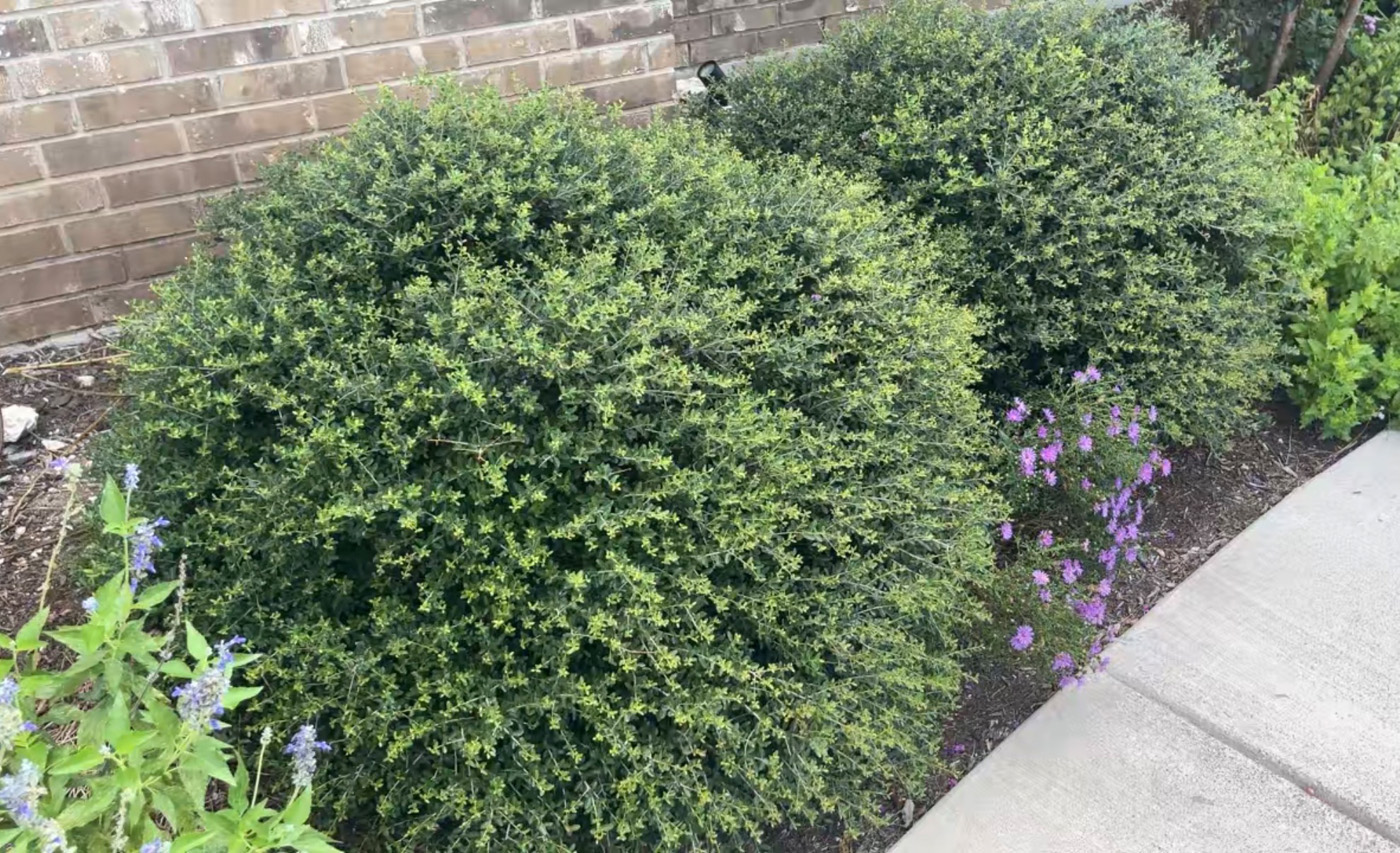
- Yaupon Holly (Ilex vomitoria): A versatile, tough evergreen that acts as a structural anchor in the garden, requiring little to no supplemental water once it finds its footing.
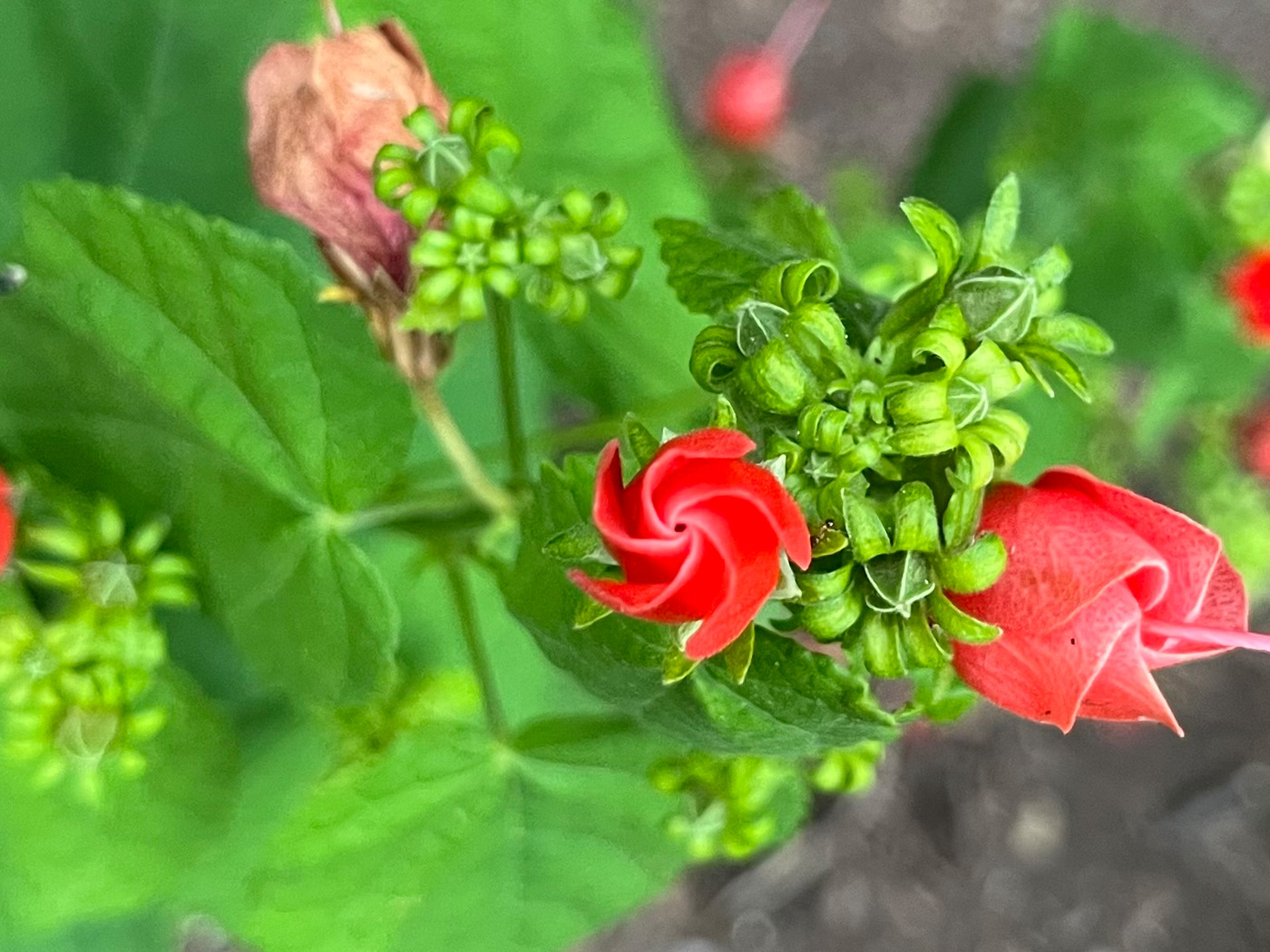
- Turk’s Cap (Malvaviscus arboreus): Known for its unique, uncurling blooms, this plant is a staple for gardeners who want high visual impact without the high water bill.
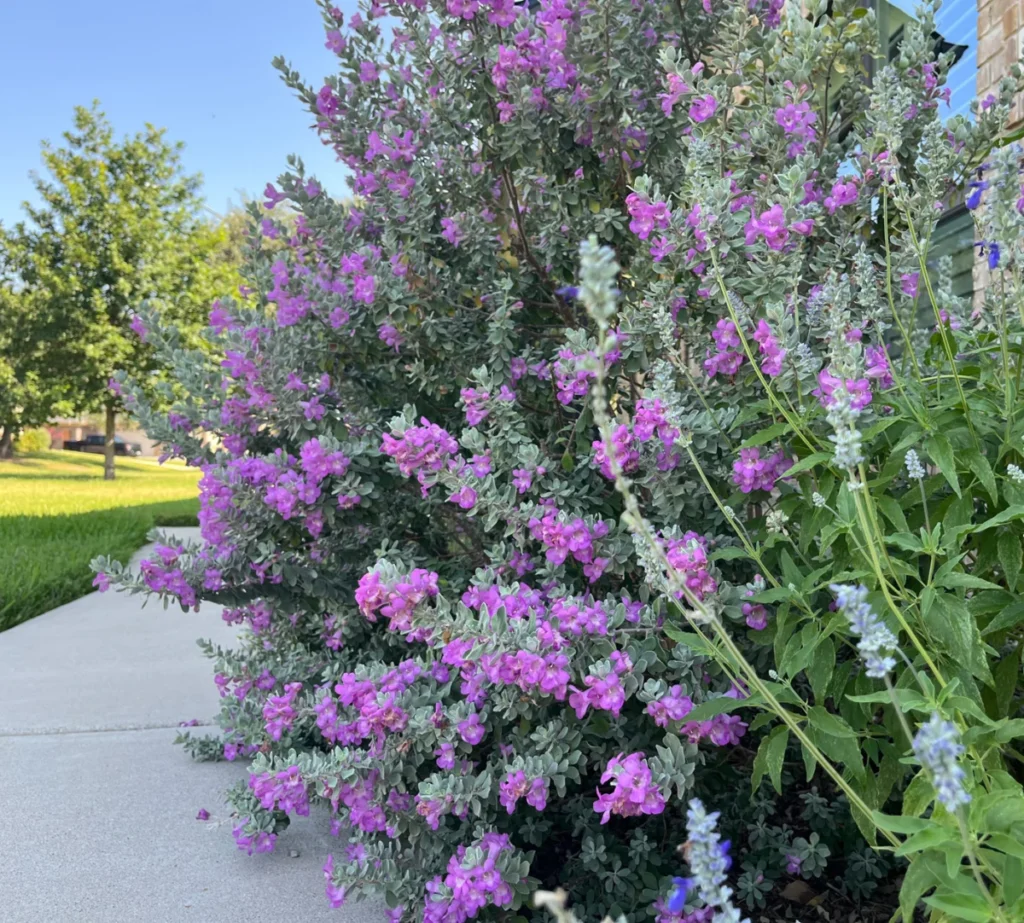
- Texas Sage (Leucophyllum frutescens): Often called the "barometer bush" for its habit of blooming after rain, it is essentially built for the volatile climate of the region.
Ed’s Mid-Atlantic Drought-Tolerant Picks
Moving to the Mid-Atlantic, the challenge is often a mix of humidity and inconsistent rainfall. Ed recommends species that offer longevity and resilience in fluctuating soil conditions.
- ‘Lilafee’ Epimedium: An elegant, shade-loving groundcover that proves drought-tolerance isn’t just for sunny, dry spots. It is a fantastic alternative to water-hungry ivy.
- Golden Ragwort (Packera aurea): Ideal for naturalistic or woodland-style gardens, this plant thrives in tough spots where other perennials might wilt.
- Butterfly Weed (Asclepias tuberosa): A deep-rooted native that is essential for biodiversity. Its taproot allows it to tap into moisture deep underground, making it a "set and forget" perennial.
- Lesser Calamint (Calamintha nepeta subsp. nepeta): A fragrant, long-blooming addition to pathways that handles heat and dryness with grace.
The Science of Hydro-Zoning
One of the most critical takeaways from the podcast is the concept of hydro-zoning. Many gardeners fail by mixing "divas" (plants that require constant moisture) with "survivors" (drought-tolerant plants). When you water the whole bed to keep the divas alive, you are often overwatering the survivors, which can lead to root rot and weak, floppy growth.
The experts advise grouping plants by their water requirements. By creating "wet zones" for thirsty plants and "dry zones" for the tough, drought-tolerant species, gardeners can optimize their irrigation efforts. This not only saves water but also creates a healthier, more balanced ecosystem where each plant receives exactly what it needs to thrive.
Implications for the Future of Gardening
The implications of this horticultural shift are far-reaching. As municipal governments increasingly implement water-use ordinances, the traditional turf-grass lawn is rapidly becoming an unsustainable luxury. Transitioning to a water-wise garden has several long-term benefits:
- Economic Savings: Reduced water usage translates to lower utility bills, particularly during the peak summer months.
- Environmental Stewardship: By choosing native and drought-tolerant species, gardeners reduce the need for fertilizers and pesticides, as these plants are naturally better adapted to their local environment and more resistant to regional pests.
- Climate Adaptation: A resilient garden acts as a buffer against climate extremes. Drought-tolerant plants, with their deeper root systems, are better at stabilizing soil during heavy rains and preventing erosion, while also providing a sanctuary for local pollinators that are struggling with habitat loss.
- Reduced Maintenance: Once established, a well-planned water-wise garden often requires significantly less pruning, watering, and soil amending than a traditional high-input garden.
Expert Advice for Implementation
For those ready to make the change, the experts suggest starting small. You do not need to tear out your entire yard in one weekend.
- Start with Containers: Convert your patio pots to drought-tolerant setups. Succulents, sedums, and hardy herbs are excellent entry points.
- Convert One Bed: Pick the bed that is furthest from your water source or hardest to maintain and replace its occupants with species from the "survivor" list.
- Focus on Soil Health: Improving your soil with organic matter increases its water-holding capacity. Even in a drought-tolerant garden, healthy soil acts as a sponge, keeping moisture available for longer periods.
- Mulch Wisely: A layer of organic mulch is non-negotiable. It suppresses weeds (which compete for water) and keeps the root zone cool, significantly reducing evaporation.
As the Super Cool Plants episode demonstrates, the transition to a water-wise garden is not a compromise—it is an upgrade. By embracing plants that are naturally suited to our changing climate, we can create landscapes that are not only more sustainable but also more beautiful and rewarding. For further guidance on specific species and design techniques, listeners are encouraged to visit the Fine Gardening website and explore the extensive resources available to help you build a garden that stands the test of time—and heat.