The Culinary Calculus: Evaluating Green Chef’s Evolution in the Meal Kit Landscape
In the increasingly crowded market of home-delivered meal services, the promise has always been the same: convenience, reduced food waste, and the elimination of the dreaded "what’s for dinner?" paralysis. However, as consumers become more discerning about supply chain ethics and the quality of their ingredients, the bar for these services has risen significantly. Recent testing of Green Chef’s current offerings reveals a company that is not merely surviving the meal kit wars but is actively refining its culinary strategy through sophisticated flavor layering and a rigorous, transparent approach to protein sourcing.
The Art of the Ingredient: A Deeper Look at Flavor Profiles
This year, Green Chef’s menu has demonstrated a marked shift toward more complex, restaurant-quality flavor profiles, moving beyond the standard "meat-and-potatoes" tropes that once dominated the subscription-box sector.
A standout in the gluten-free category, the lemon-oregano shrimp served with Yemeni schug and feta, serves as a masterclass in balance. The dish—a vibrant, herbaceous ensemble served over rice—is punctuated by the addition of dried apricots. While dried fruit in savory rice dishes is a classic culinary technique, its inclusion here acts as a testament to Green Chef’s commitment to texture and acidity. The dried fruit cuts through the richness of the feta and the bright, pungent heat of the schug.
The shrimp itself, sourced from American waters, provided a satisfying, hearty bite, conspicuously free of the briny, iodine-heavy notes that often plague frozen-thawed seafood. While the portion of rice could be described as conservative, and the schug—a condiment known for its aggressive heat—was tuned to a more approachable, milder level, the dish succeeded in being a "light, bright meal."
These ingredients, when purchased individually at a standard grocery store, would be a logistical nightmare to procure in the precise, small quantities required for a single meal. As previous market analyses have confirmed, attempting to source these specific, curated ingredients—from the high-quality feta to the fresh aromatics required for the schug—often leads to a higher total checkout price at the supermarket than the meal kit subscription itself.
Chronology of Quality: How Sourcing Has Changed
A critical component of Green Chef’s recent improvement is a radical shift toward transparency in its supply chain. For the modern home cook, the provenance of protein is no longer a footnote; it is a primary concern.
In previous iterations, meal delivery services were often criticized for ambiguous protein origins. Green Chef has pivoted away from this model. By prioritizing clear labeling and ethical partnerships, they have turned their ingredient list into a selling point.
- The Texas Connection: Last year’s testing saw the introduction of premium bavette steak, sourced from a fourth-generation family-owned meat purveyor in Texas. This partnership has expanded into the current year, now extending to poultry, specifically the harissa-spiced chicken breast.
- Seafood Sustainability: The seafood program has seen the most dramatic improvement. The shrimp is now sourced exclusively from the Atlantic coast, a significant upgrade over the common Southeast Asian aquaculture sourcing that remains the industry standard.
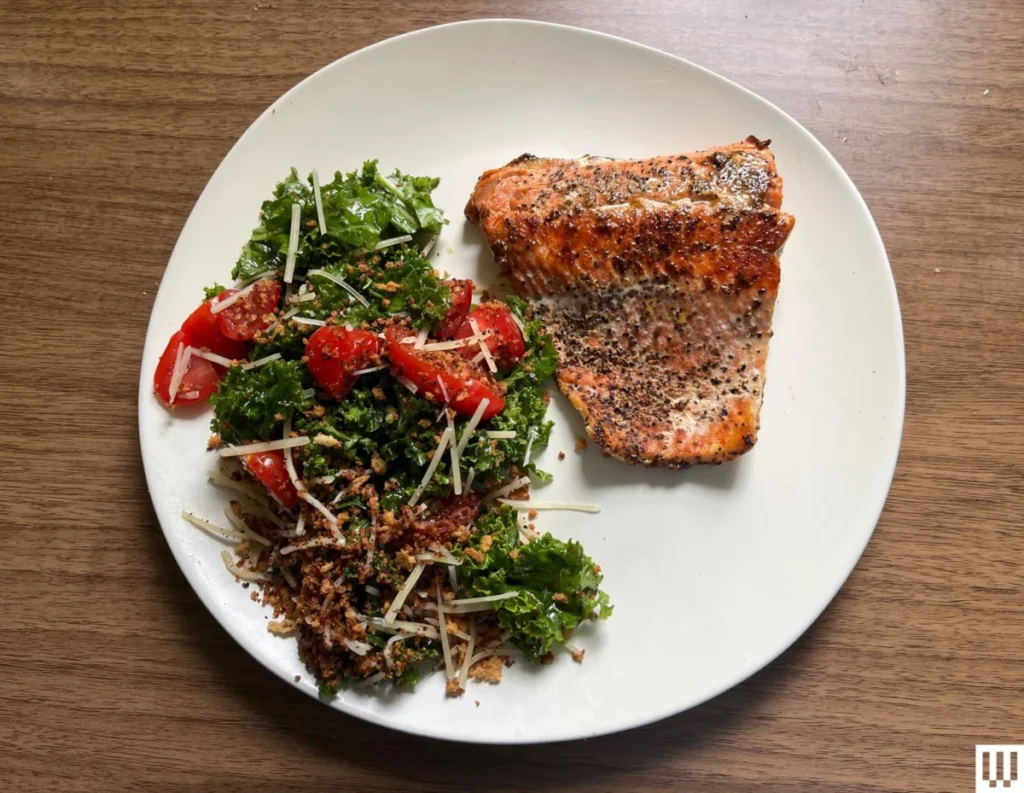
- Global Sourcing: The steelhead trout, sourced from Norwegian fisheries, was a highlight of the summer menu. It exemplified the service’s ability to handle delicate proteins with care. The dish relied on the interplay between earthy spices on the fish and a bright, citrus-forward gremolata, underscored by the chew of dates against ginger-spiced couscous.
These choices are not merely anecdotal; they represent a strategic decision to appeal to a demographic that equates quality with origin.
Supporting Data: The Economics of the Meal Kit
The question of whether meal kits are "worth it" remains a perennial debate in personal finance circles. To understand the value proposition, one must look at the cost-per-ingredient calculation.
When you purchase a meal kit, you are paying for three things: the raw ingredients, the labor of logistics (portioning and shipping), and the intellectual property (the recipe design). In an experiment conducted to compare grocery store totals against kit costs, it was found that the "waste factor" is the true hidden cost of home cooking. Buying a jar of schug, a bag of dried apricots, and specialized aromatics for one meal creates a surplus that, while useful, often sits in the pantry until it expires.
Green Chef’s model effectively outsources this inventory management. By bagging ingredients in exact portions, they eliminate the financial "sunk cost" of underutilized ingredients. Furthermore, the 40-minute preparation time for a sophisticated dish like the ginger-spiced steelhead provides a high return on investment for the busy professional, balancing the need for home-cooked quality with the reality of time poverty.
Official Responses and Strategic Shifts
While the company has not issued formal policy shifts regarding their recipes, their move toward "sophisticated, lower-effort" meals speaks to an internal pivot. Analysts suggest this is a direct response to the "cooking fatigue" observed in the post-pandemic era.
The focus on "layering"—the culinary practice of building flavor through successive additions of heat, acid, fat, and texture—is the company’s current competitive moat. By moving away from simple instructions to a more chef-led design, Green Chef is attempting to elevate the user from a "food assembler" to a "home cook."
The "Game Plan" Caution: A Critique of Workflow
Despite the high praise for the ingredients and flavor development, there is a notable caveat regarding the user experience. Green Chef’s recipe cards are visually rich and thoughtfully laid out, but they lack a "holistic" approach to the kitchen workflow.
The instructions are segmented by prep step, meaning the card asks the cook to finish all vegetable chopping before moving to the next component. While this is helpful for beginners, it is not necessarily the most efficient way to manage a kitchen. An experienced cook knows that the most effective way to manage a 40-minute meal is to multi-task: getting the rice or couscous going while the proteins are searing, or letting the vegetables roast while the sauce is being prepared.
The current format does not always encourage this "order of operations." Consequently, users are advised to read the entire recipe card from start to finish before turning on the burner. Developing a personal "game plan" before beginning the prep work is essential to ensuring that all components of the meal finish cooking at the same time—a common hurdle for those less accustomed to complex recipe cards.
Implications for the Future of Home Dining
The success of these latest menus has broader implications for the meal kit industry. We are seeing a shift away from the "convenience-at-all-costs" model toward a "culinary-discovery" model. Consumers are signaling that they are willing to pay a premium, provided that the service helps them learn, eat healthier, and consume food that is ethically sourced.
The integration of unique, global flavors—such as the Yemeni schug—indicates that meal kits are becoming a primary vehicle for culinary education in the United States. As these services continue to scale, the focus will likely remain on this intersection of convenience and global exploration.
For the home cook, the takeaway is clear: the modern meal kit, at its best, acts as a bridge between the convenience of a frozen dinner and the creative potential of a professional kitchen. By providing high-quality, transparently sourced proteins and challenging the user with complex flavor profiles, Green Chef is successfully navigating the transition from a utilitarian necessity to a culinary tool.
However, the user must meet the service halfway. By exercising a bit of kitchen autonomy—reading the cards, planning the prep, and embracing the "layering" techniques—the home cook can transform a 40-minute weekday meal into a genuinely elevated experience. In an era where dining out is becoming increasingly expensive, the ability to create such meals at home, with the help of a well-curated kit, is a value proposition that is difficult to ignore.